Simplifying Fractions Building Vocabulary Worksheets for Ages 6-8
6 filtered results
-
From - To
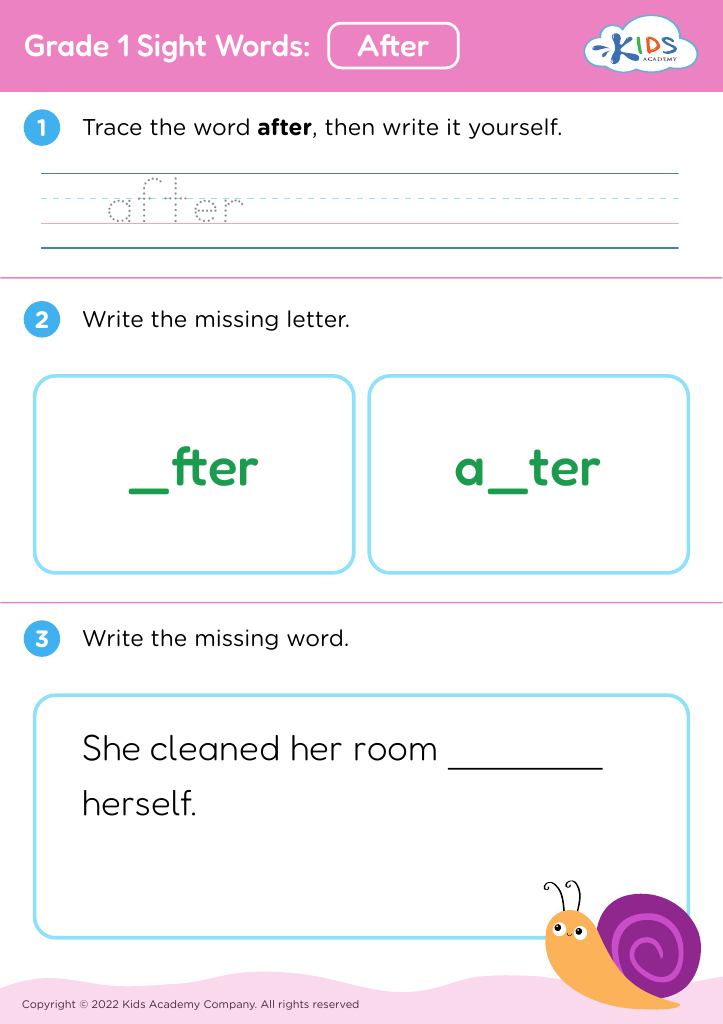
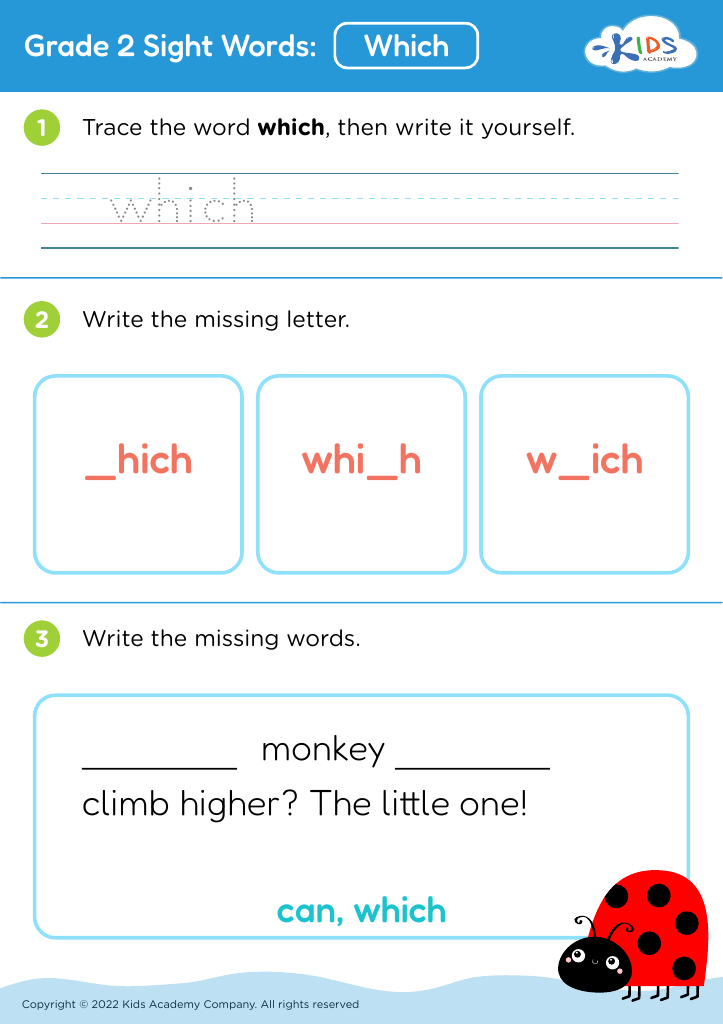
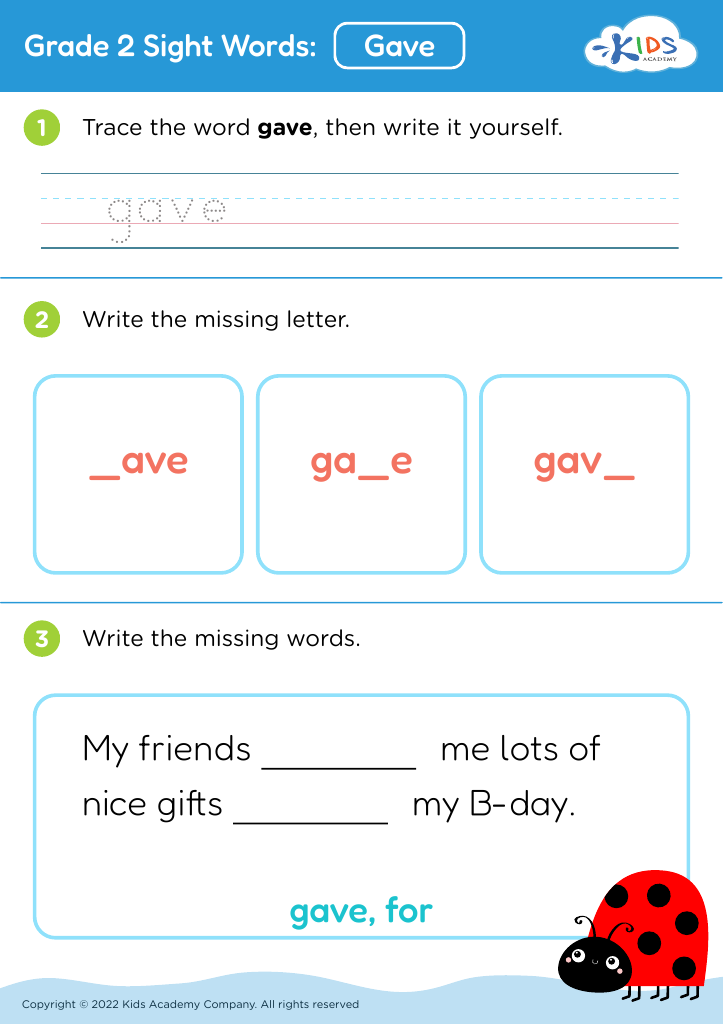
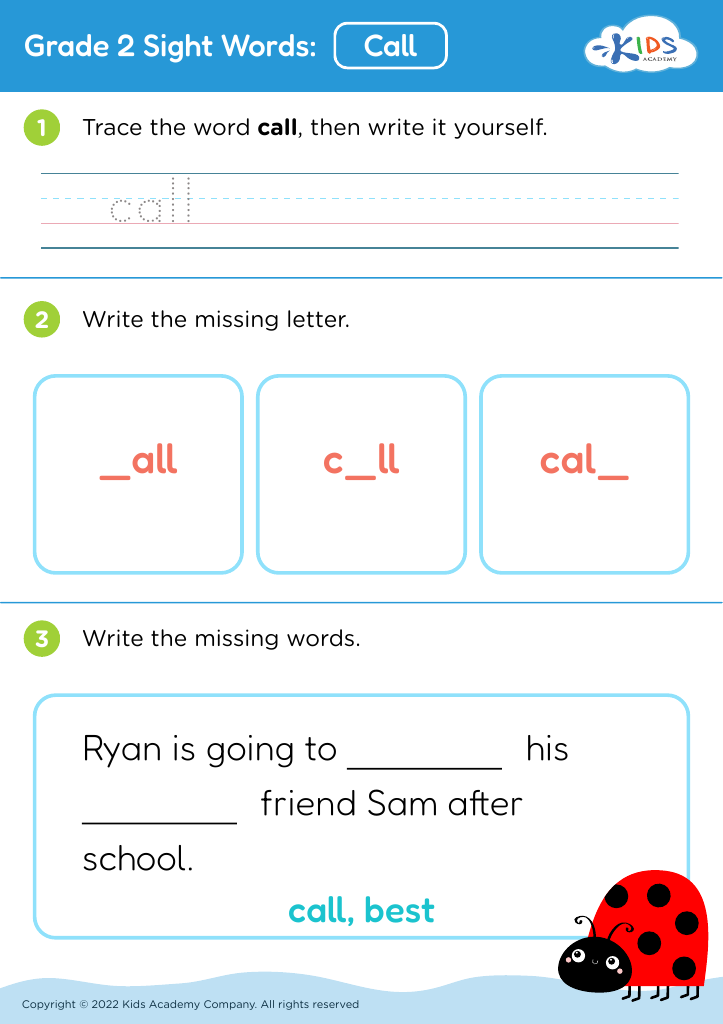
Introduce your young learners to the essential math skill of simplifying fractions with our engaging Building Vocabulary Worksheets designed for ages 6-8. These carefully crafted worksheets not only focus on breaking down fractions into their simplest form but also boost reading and vocabulary skills. Each activity offers a blend of math practice and language development. By connecting visual aids and step-by-step instructions, children gain confidence in both math and reading. Ideal for classroom or at-home learning, these worksheets make mastering fractions interactive and enjoyable while reinforcing key vocabulary terms necessary for young mathematicians. Explore, learn, and simplify with ease!















.jpg)



Parents and teachers play a pivotal role in shaping young minds, and one fundamental area to focus on is mathematics, specifically simplifying fractions. For children aged 6-8, vocabulary is crucial to understanding and mastering this skill. When they learn the terminology associated with fractions—such as "numerator," "denominator," "equivalent fractions," and "simplify"—they build a framework that supports their overall math literacy.
At this age, children are developing cognitive skills, and mathematical concepts can seem abstract and overwhelming. By familiarizing them with specific vocabulary, parents and teachers can demystify the subject. Simplifying fractions then becomes less about rote memorization and more about comprehension, making the learning process engaging and intuitive.
Furthermore, building this vocabulary early on sets a strong foundation for more advanced math topics they'll encounter later. It enhances their problem-solving abilities, as they can follow instructions and explanations more efficiently. Mastery in simplifying fractions contributes to a more profound understanding of mathematics and equips children with skills to tackle real-life math problems.
Finally, being confident in math can improve a child's self-esteem and academic performance. Learning these terms can help children see fractions not as a stumbling block but as a building block for future success, making early involvement crucial.








