Understanding context Building Vocabulary Worksheets for Ages 6-8
4 filtered results
-
From - To
Unlock the power of words with our "Understanding Context: Building Vocabulary Worksheets" designed specifically for kids ages 6-8! These engaging worksheets encourage young learners to enhance their vocabulary by using context clues within sentences. Children will explore various reading passages that challenge them to infer meanings based on the surrounding words and phrases. These activities promote critical thinking and comprehension, making learning both fun and effective. Perfect for classrooms or at-home learning, our worksheets provide vibrant illustrations and interactive exercises that keep kids excited about vocabulary building. Help your child become a confident reader today with our expertly crafted resources!
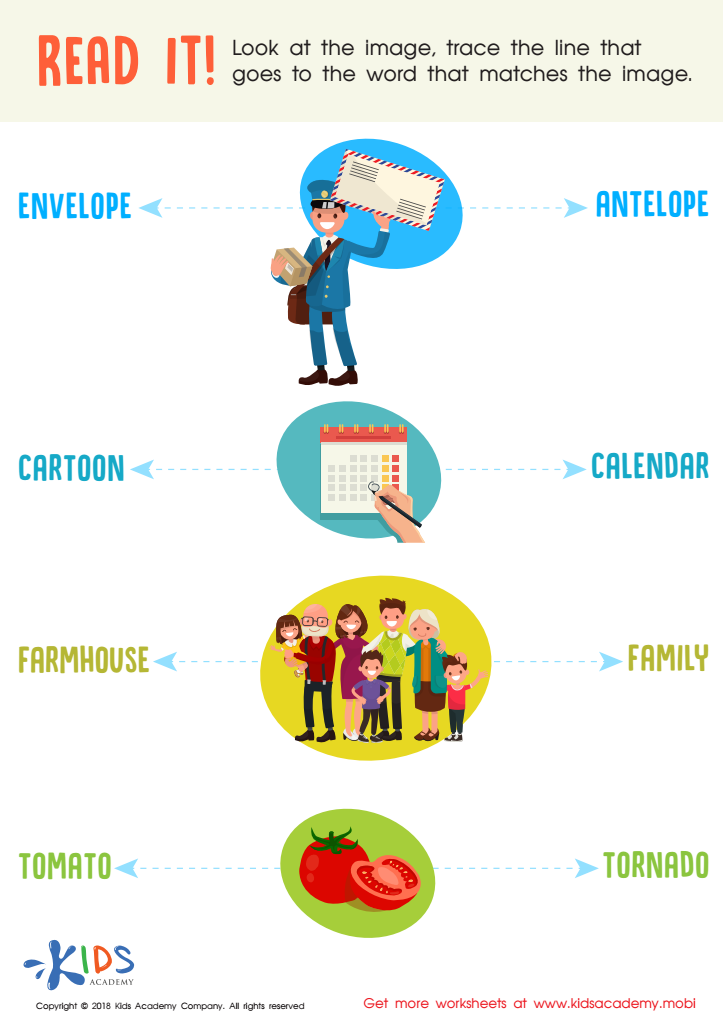
Read It! Worksheet
 Assign to My Students











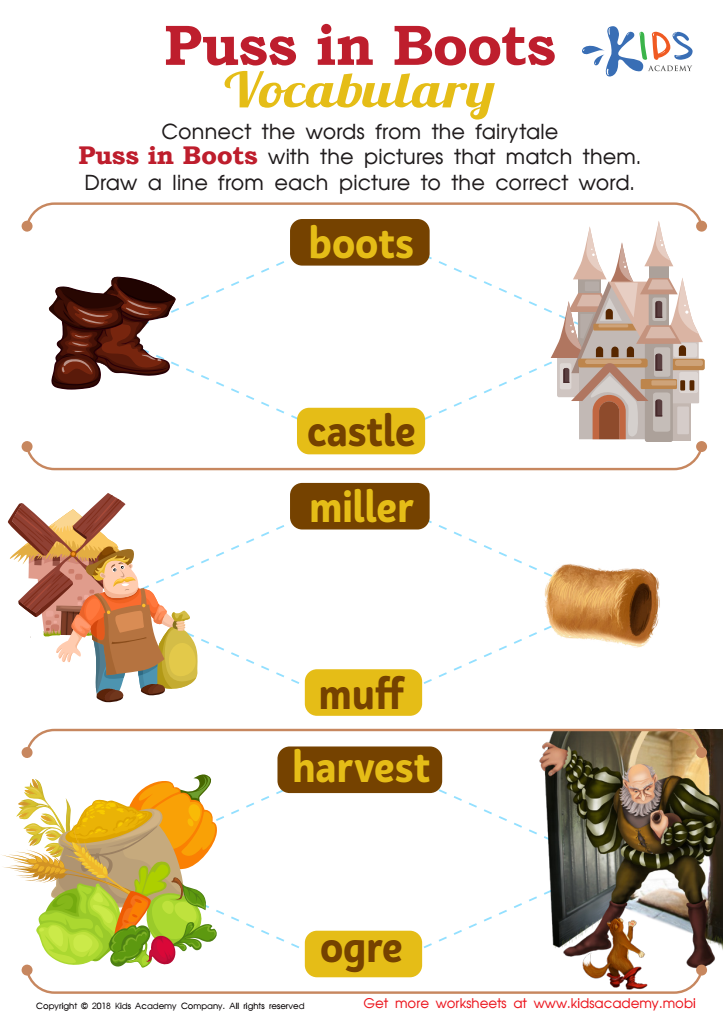
Puss in Boots Vocabulary Worksheet
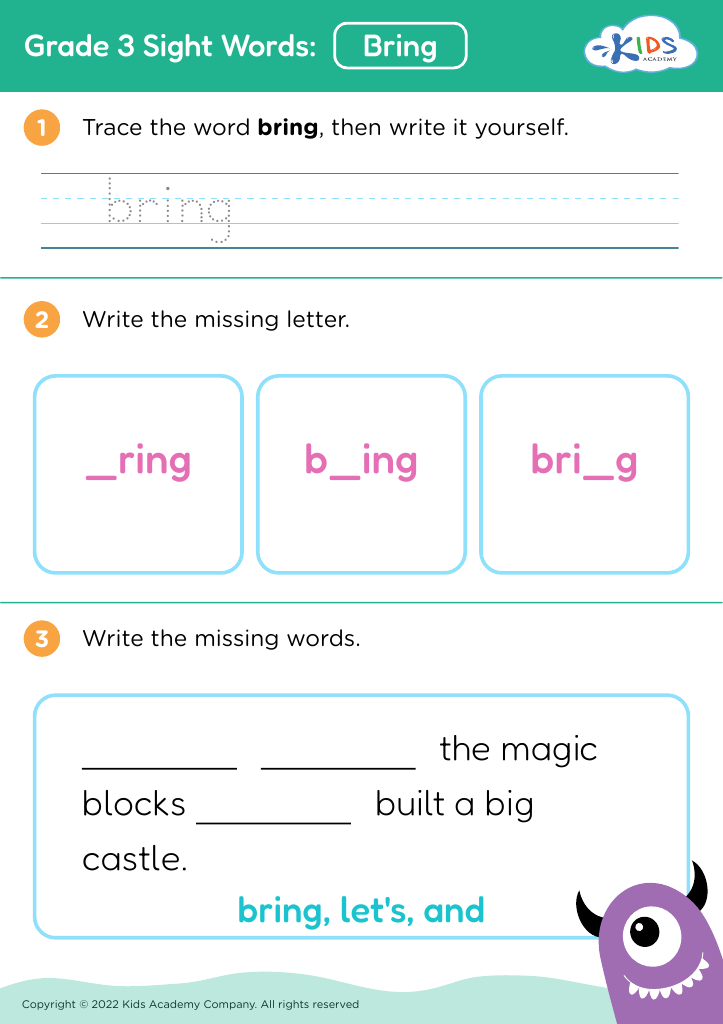
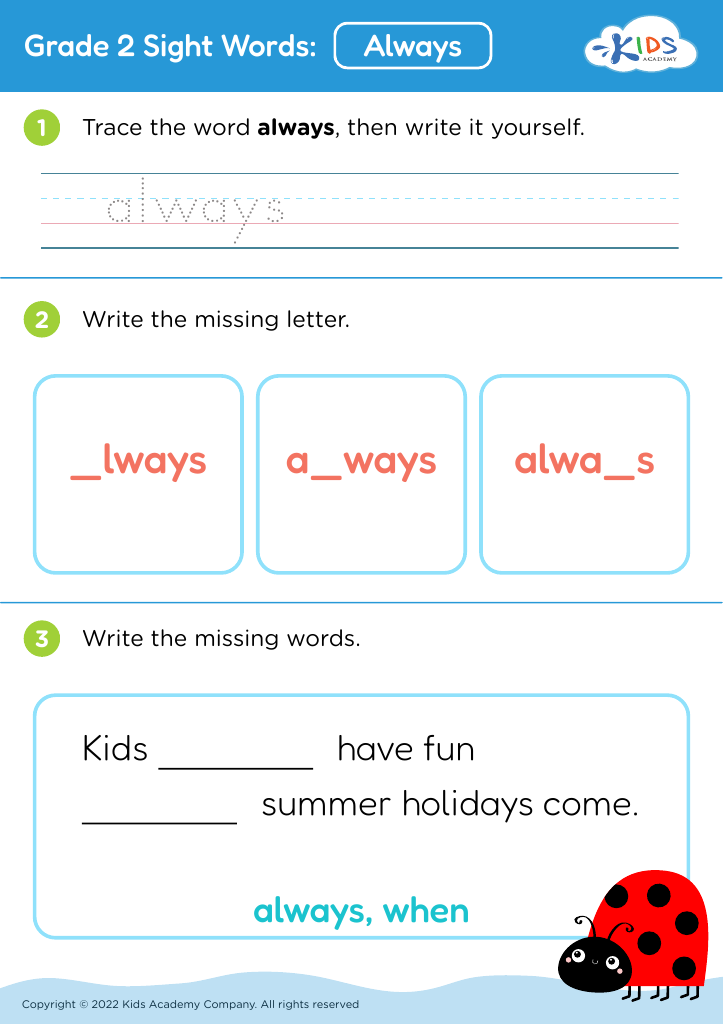







.jpg)
Understanding context and building vocabulary are critical components of literacy development for children ages 6-8. At this age, children are transitioning from learning to read to reading to learn. A strong vocabulary enhances comprehension, enabling them to grasp the nuances of texts. When children understand context, they can discern the meaning of unfamiliar words based on their surroundings, which fosters independence in reading.
Parents and teachers play pivotal roles in this process. Firstly, fostering vocabulary through conversations, reading aloud, and interactive activities helps children encounter new words in varied contexts, making them more memorable. Additionally, context allows children to connect words to their meanings, contributing to greater engagement and retention.
Investing time in understanding context also nurtures critical thinking skills. Children learn to infer meanings, draw conclusions, and relate literature to real-life experiences. Furthermore, these skills lay a foundation for academic success across subjects, enabling students to excel in comprehension tests, written assignments, and discussions.
Ultimately, by prioritizing the understanding of context and vocabulary building, parents and teachers equip children not just with words, but with the skills necessary for lifelong learning and effective communication. This investment fosters confidence and ample opportunities for exploration as they grow.








