Unlock the world of fractions with our "Understanding Fractions Building Vocabulary Worksheets," designed specifically for children ages 6 to 8. These engaging worksheets help young learners grasp the foundations of fractions through interactive activities that incorporate vocabulary building. Each worksheet fosters critical thinking, enhances mathematical language, and encourages familiarity with fraction concepts. With colorful illustrations and age-appropriate tasks, children will develop confidence in recognizing, comparing, and using fractions in everyday contexts. Perfect for classroom or home use, these resources make learning fun and effective, setting students up for future success in mathematics. Dive into the exciting journey of fractions today!

Check out this FREE Trial Lesson on Building Vocabulary for age 6-8!

A

Favorites
With answer key
Interactive
  • 6-8
  • Understanding fractions
  • Building Vocabulary
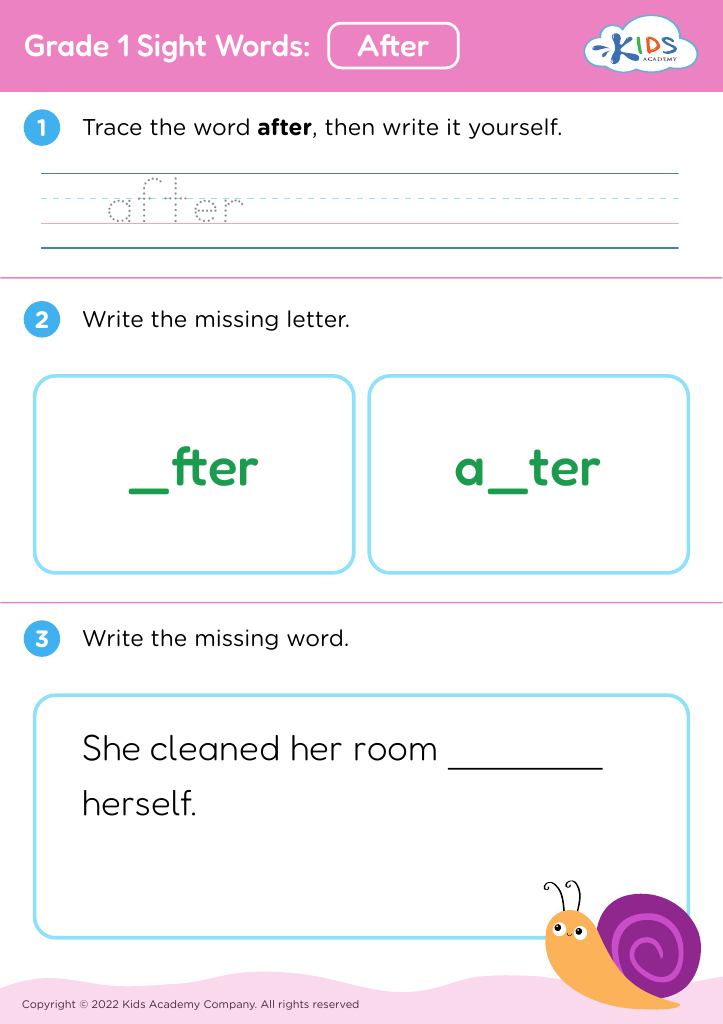
Grade 1 Sight Words: After

Grade 1 Sight Words: After

Grade 1 Sight Words: After
Worksheet
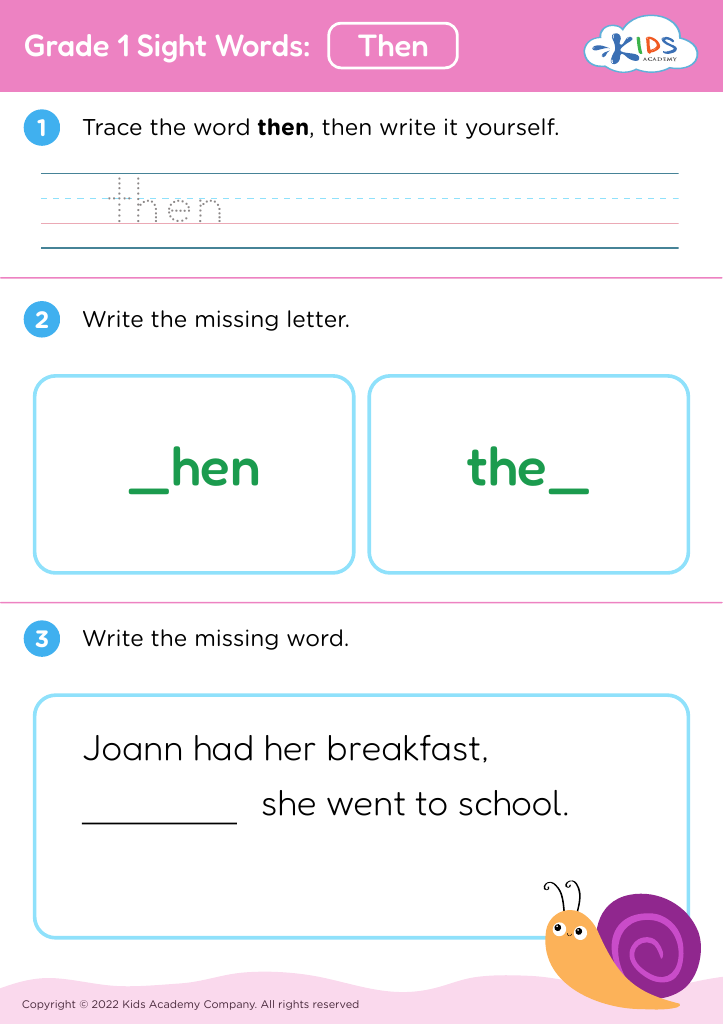
Grade 1 Sight Words: Then

Grade 1 Sight Words: Then

Grade 1 Sight Words: Then
Worksheet
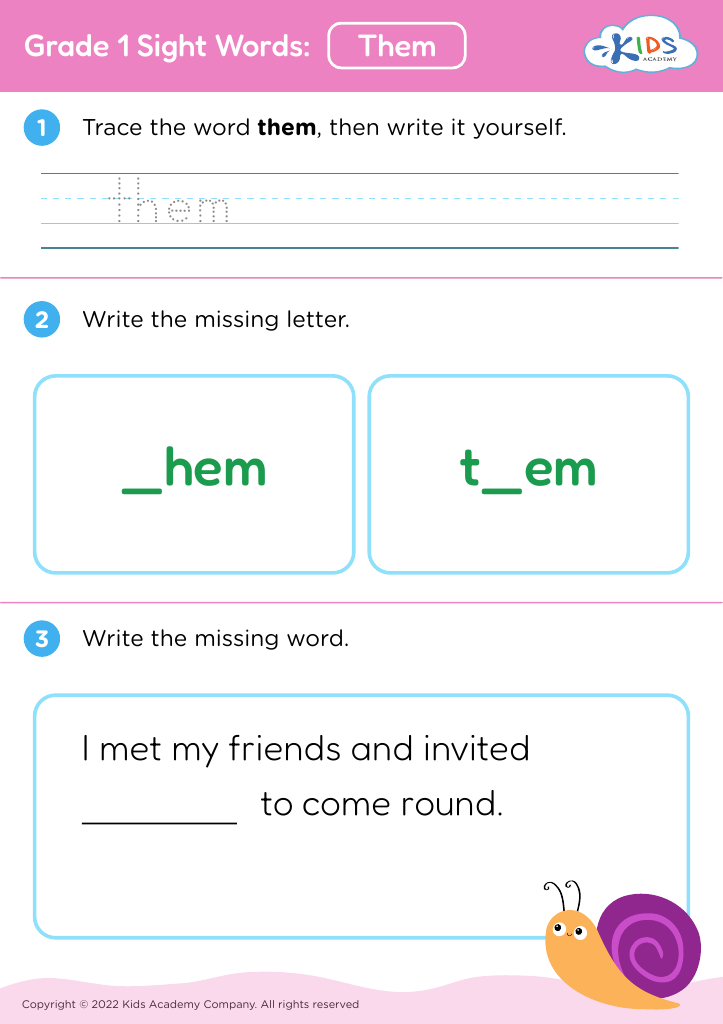
Grade 1 Sight Words: Them

Grade 1 Sight Words: Them

Grade 1 Sight Words: Them
Worksheet
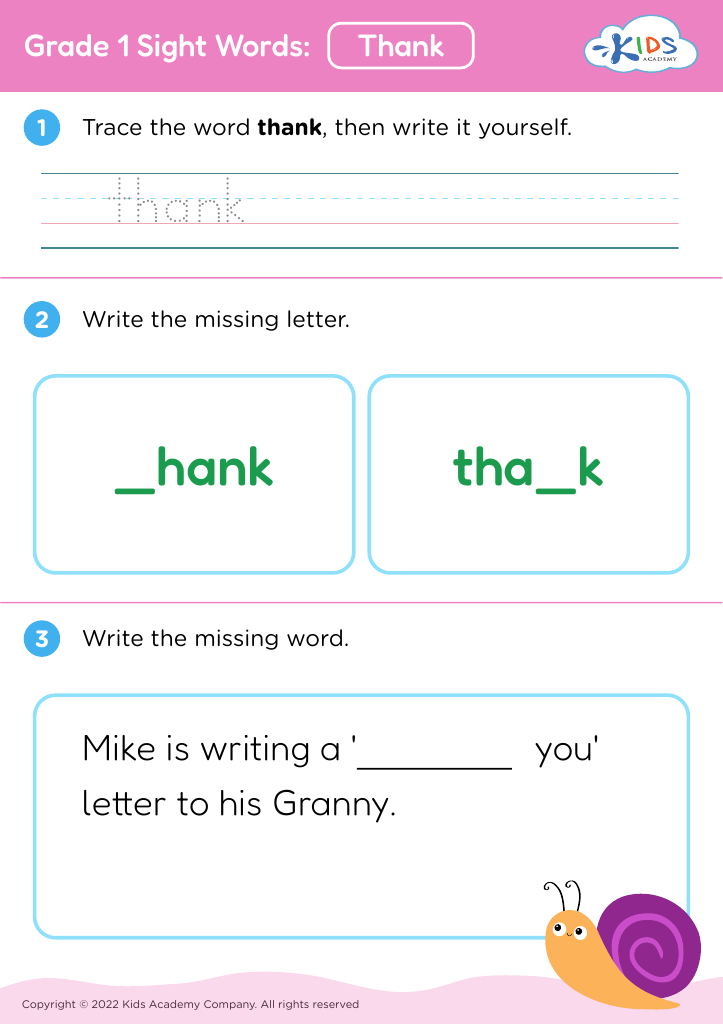
Grade 1 Sight Words: Thank

Grade 1 Sight Words: Thank

Grade 1 Sight Words: Thank
Worksheet
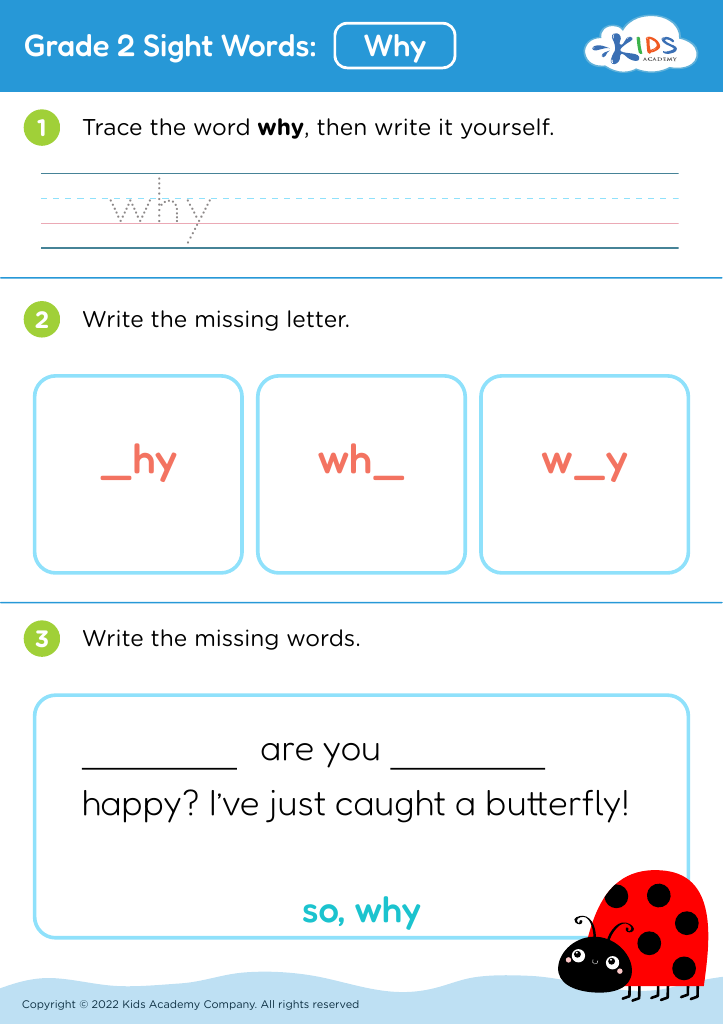
Grade 2 Sight Words: Why

Grade 2 Sight Words: Why

Grade 2 Sight Words: Why
Worksheet
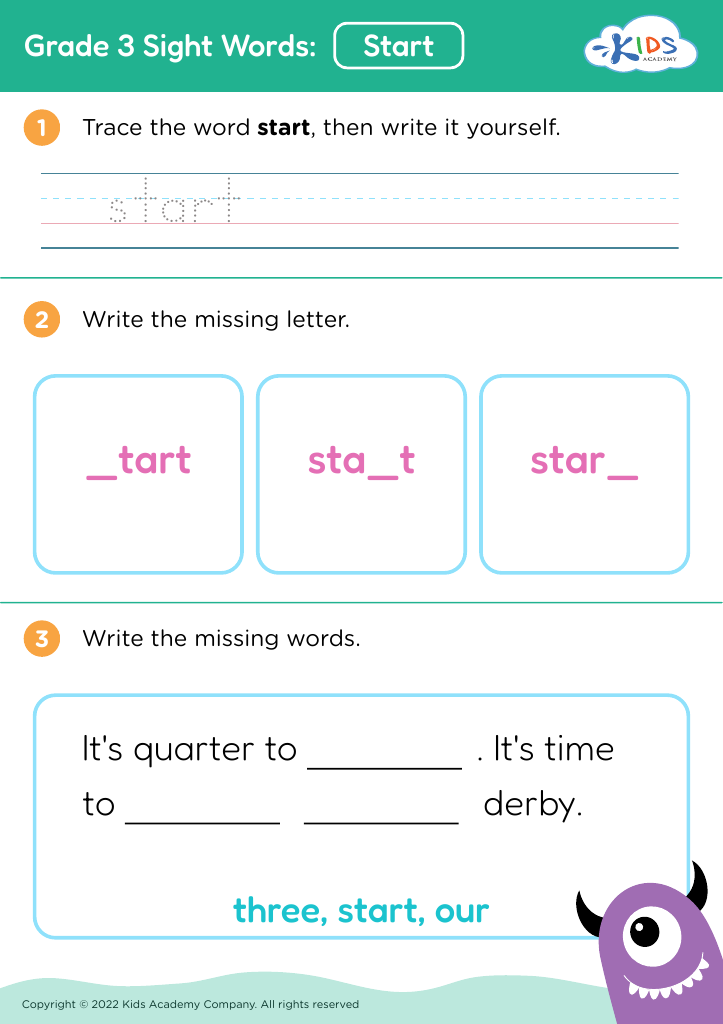
Grade 3 Sight Words: Start

Grade 3 Sight Words: Start

Grade 3 Sight Words: Start
Worksheet
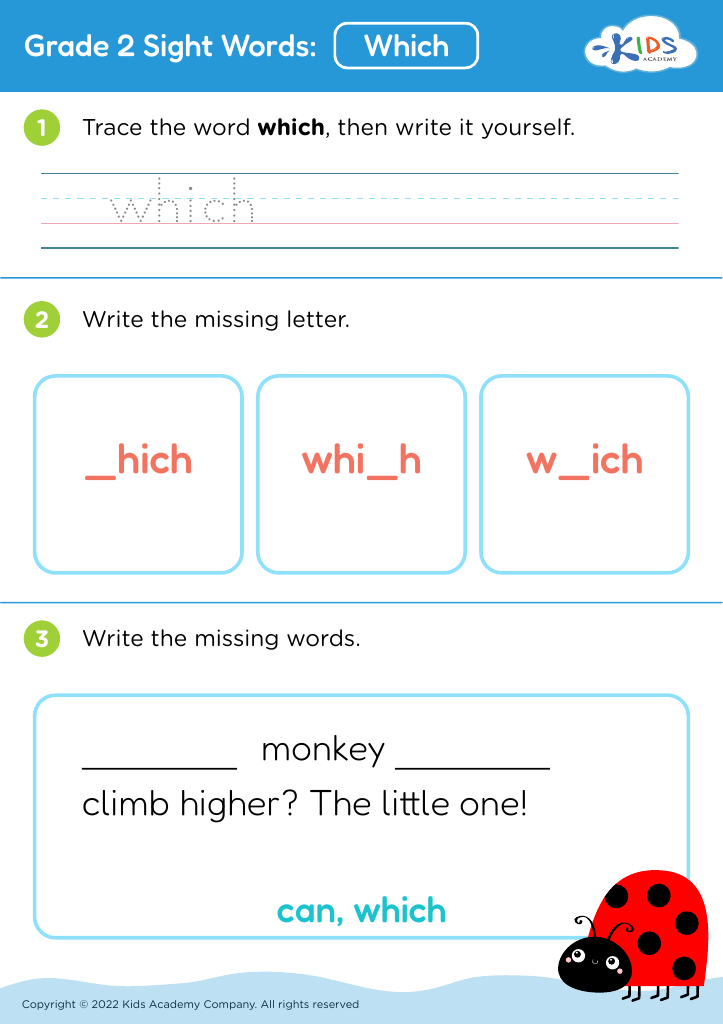
Grade 2 Sight Words: Which

Grade 2 Sight Words: Which

Grade 2 Sight Words: Which
Worksheet
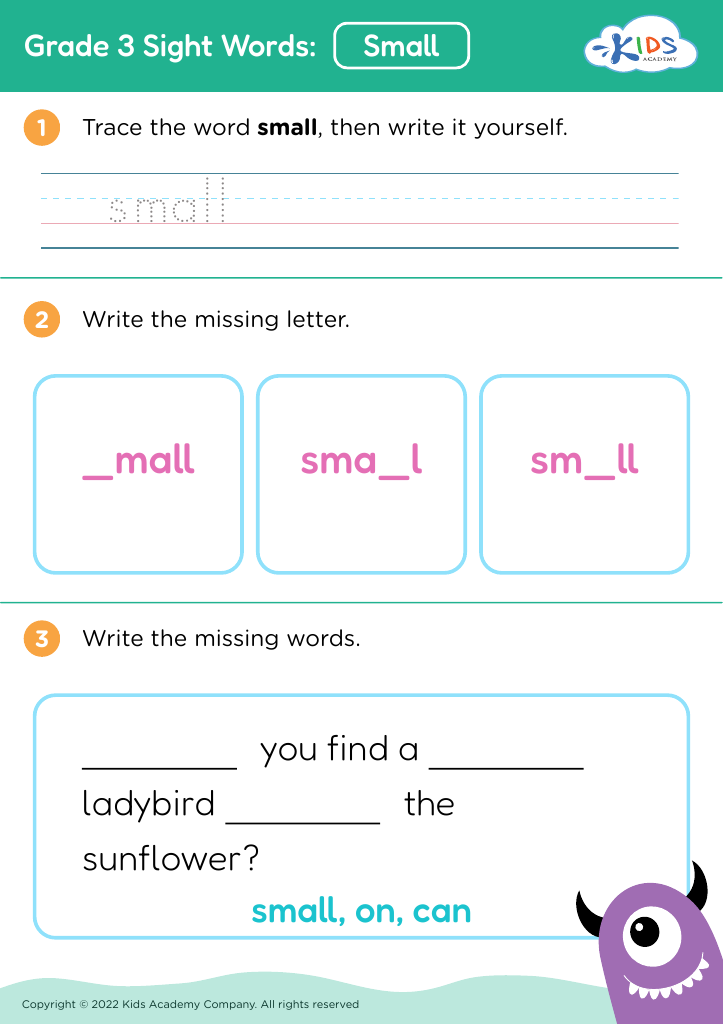
Grade 3 Sight Words: Small

Grade 3 Sight Words: Small

Grade 3 Sight Words: Small
Worksheet
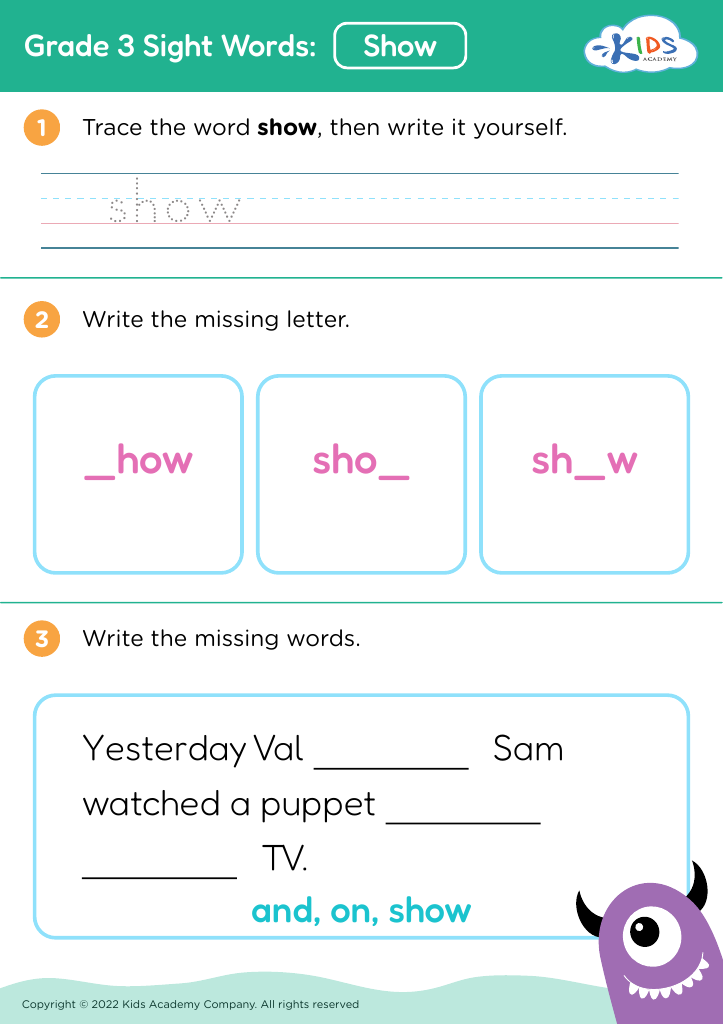
Grade 3 Sight Words: Show

Grade 3 Sight Words: Show

Grade 3 Sight Words: Show
Worksheet
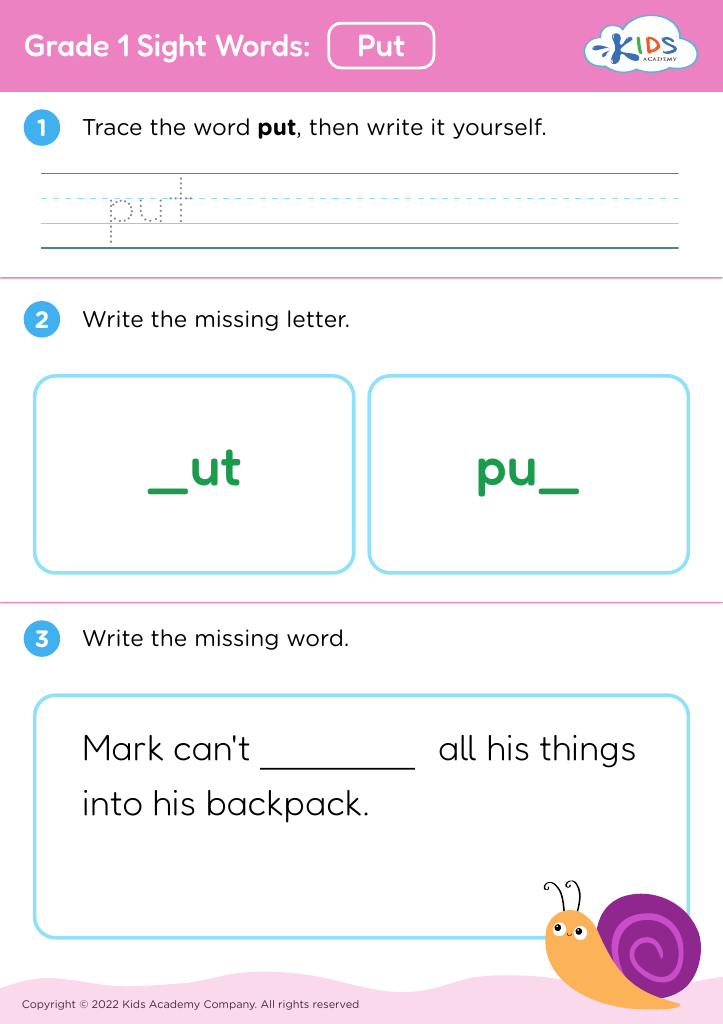
Grade 1 Sight Words: Put

Grade 1 Sight Words: Put

Grade 1 Sight Words: Put
Worksheet
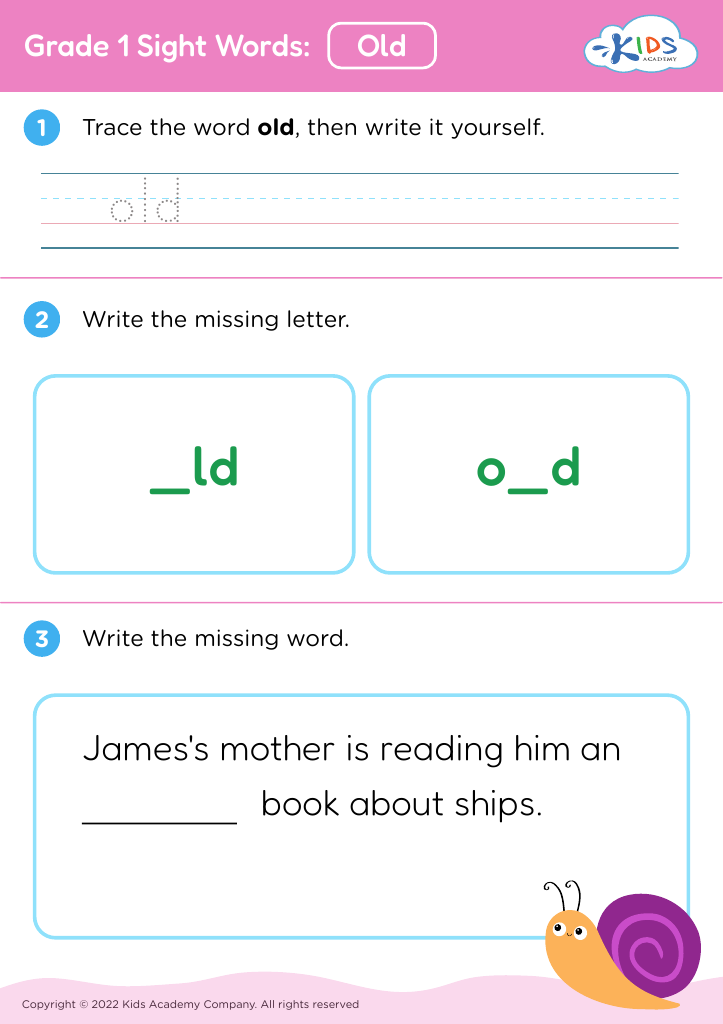
Grade 1 Sight Words: Old

Grade 1 Sight Words: Old

Grade 1 Sight Words: Old
Worksheet
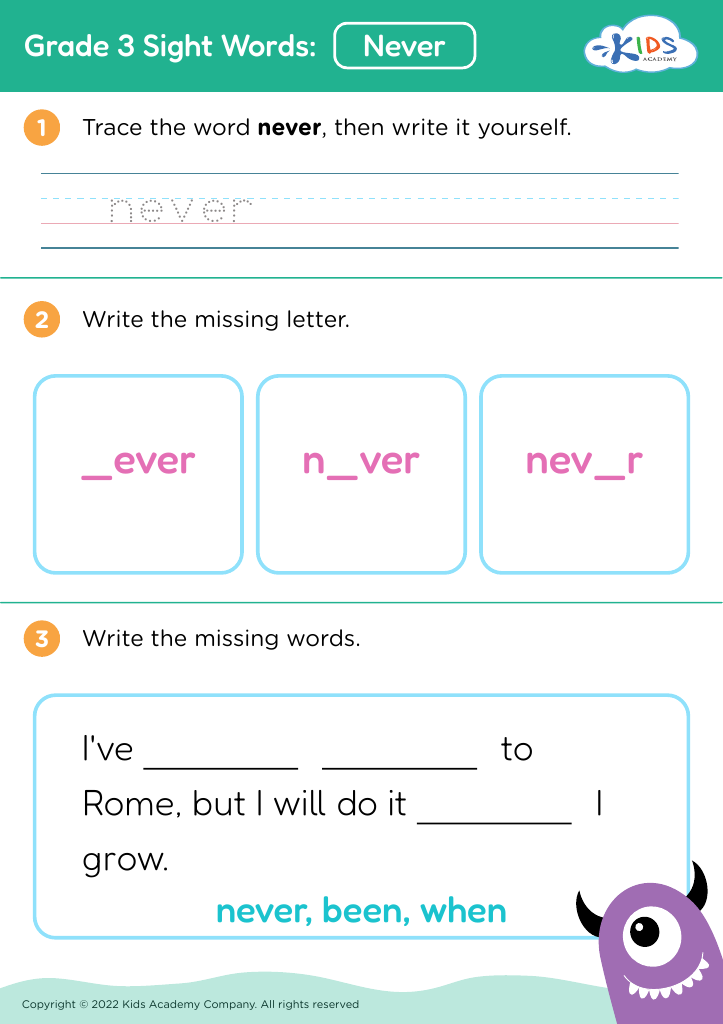
Grade 3 Sight Words: Never

Grade 3 Sight Words: Never

Grade 3 Sight Words: Never
Worksheet
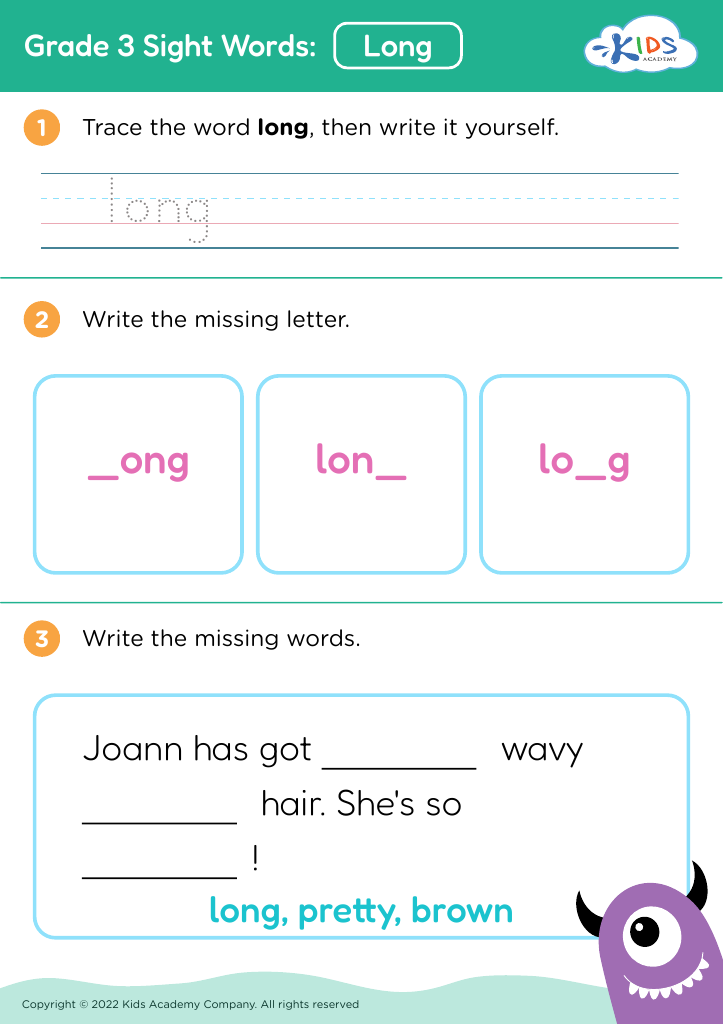
Grade 3 Sight Words: Long

Grade 3 Sight Words: Long

Grade 3 Sight Words: Long
Worksheet
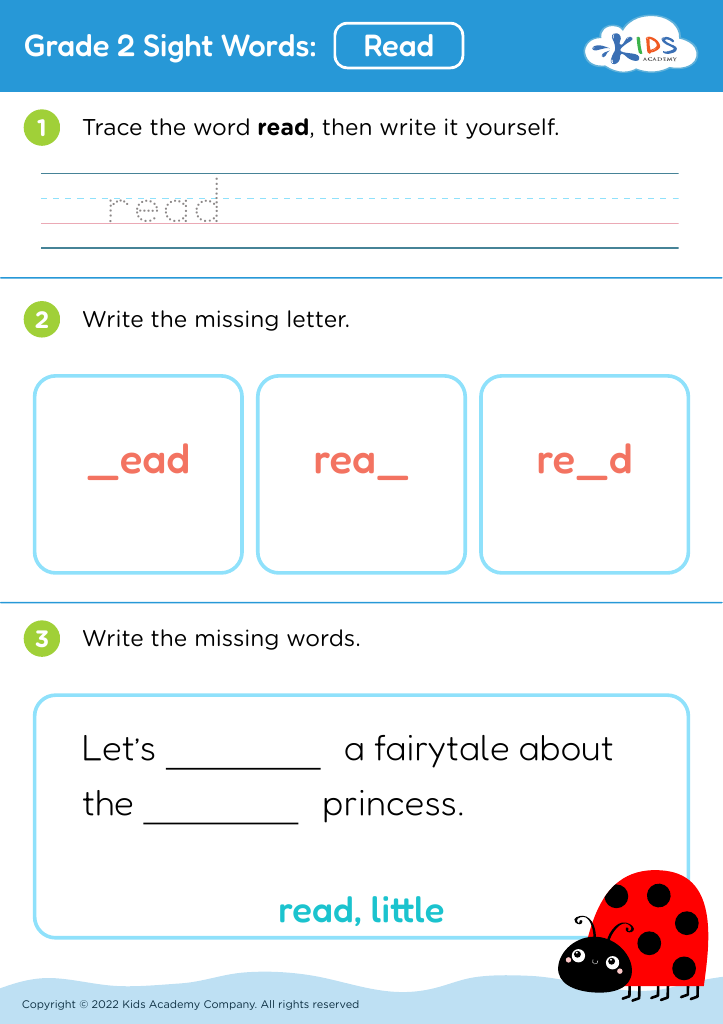
Grade 2 Sight Words: Read

Grade 2 Sight Words: Read

Grade 2 Sight Words: Read
Worksheet
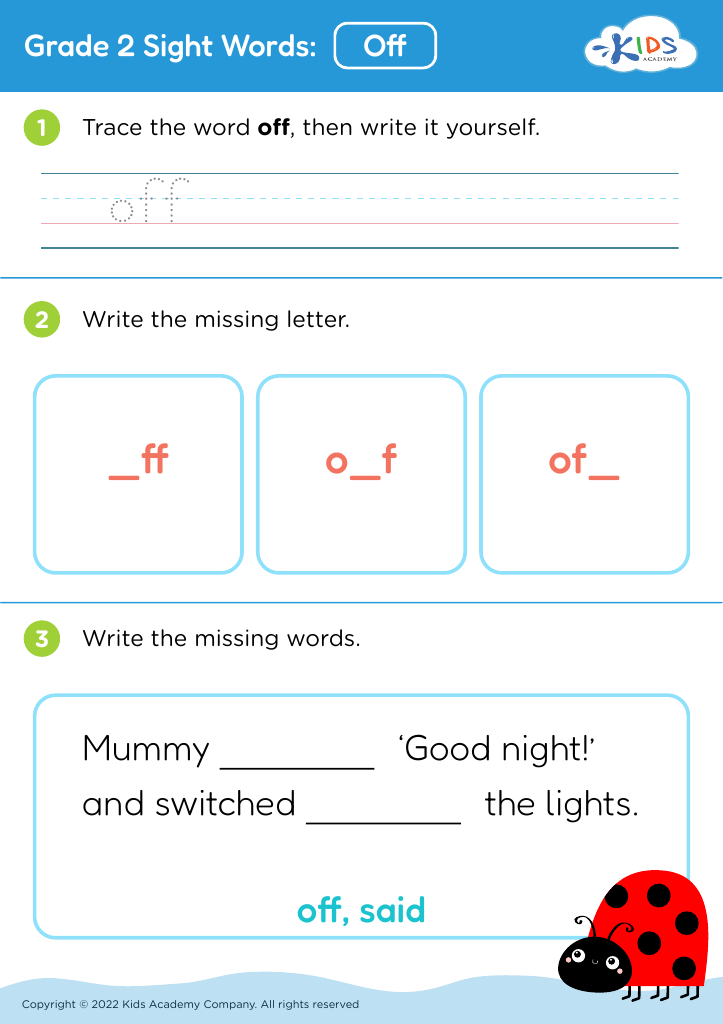
Grade 2 Sight Words: Off

Grade 2 Sight Words: Off

Grade 2 Sight Words: Off
Worksheet
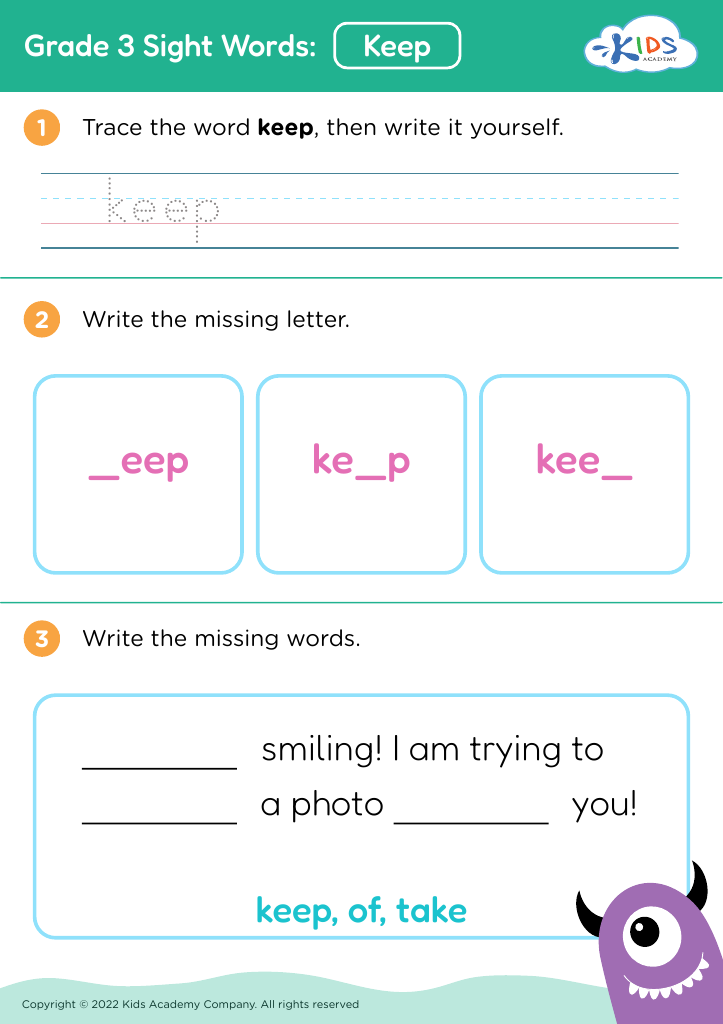
Grade 3 Sight Words: Keep

Grade 3 Sight Words: Keep

Grade 3 Sight Words: Keep
Worksheet
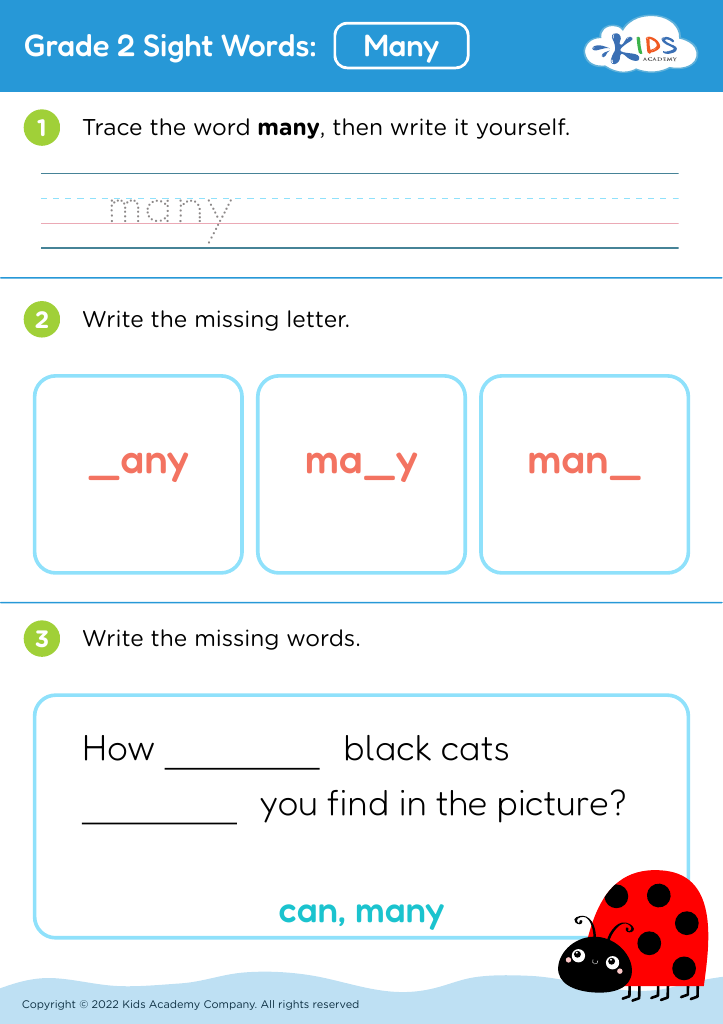
Grade 2 Sight Words: Many

Grade 2 Sight Words: Many

Grade 2 Sight Words: Many
Worksheet
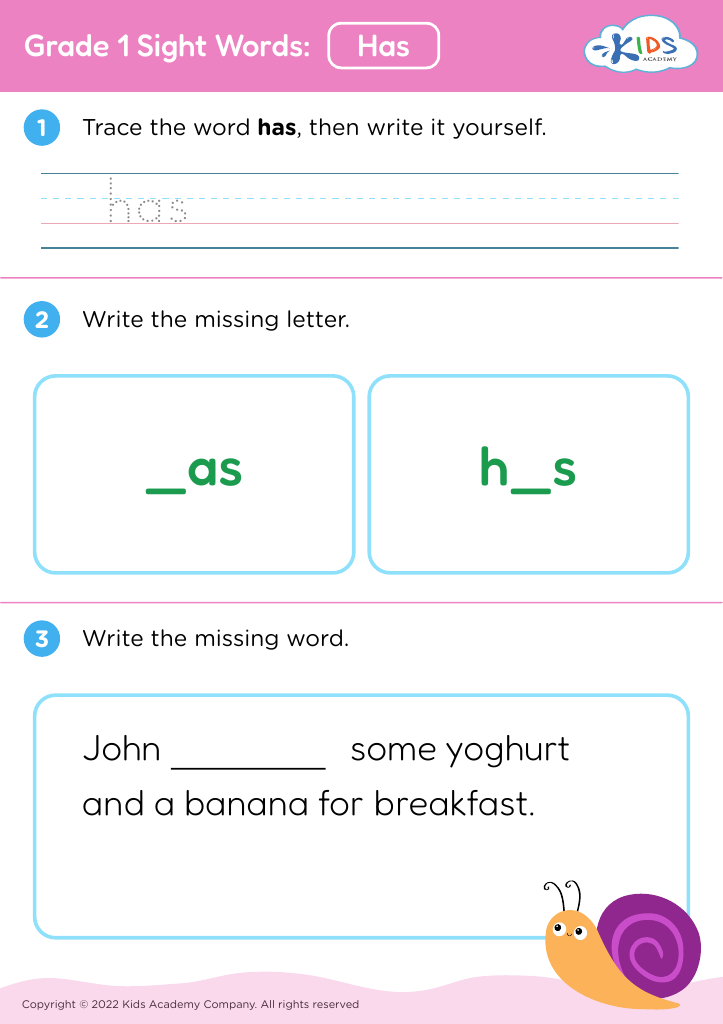
Grade 1 Sight Words: Has

Grade 1 Sight Words: Has

Grade 1 Sight Words: Has
Worksheet
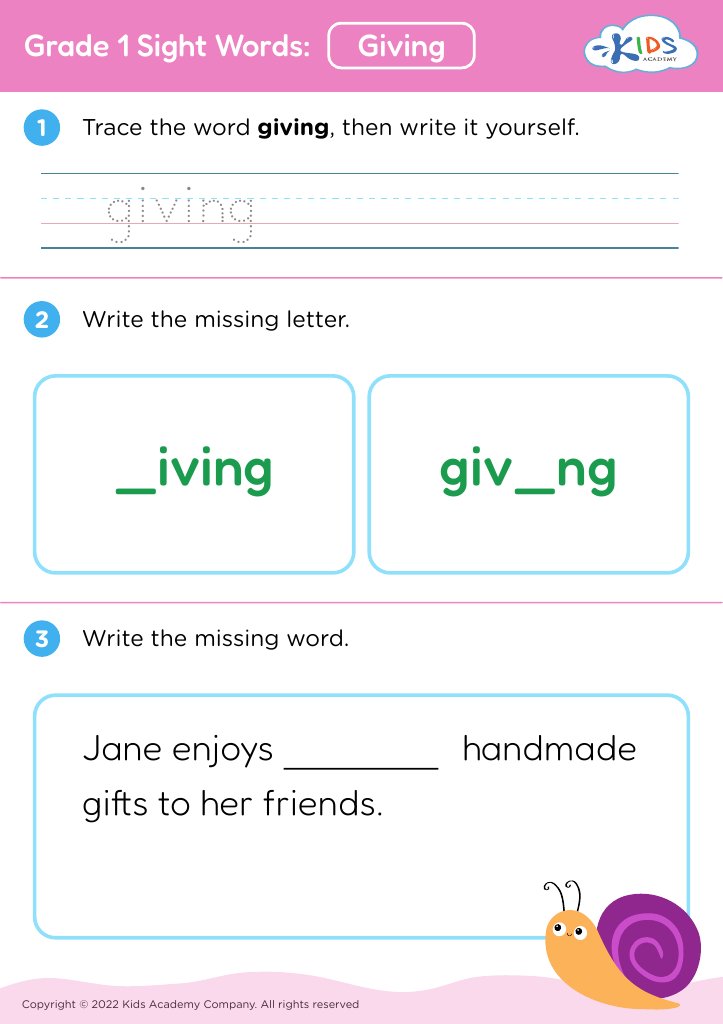
Grade 1 Sight Words: Giving

Grade 1 Sight Words: Giving

Grade 1 Sight Words: Giving
Worksheet
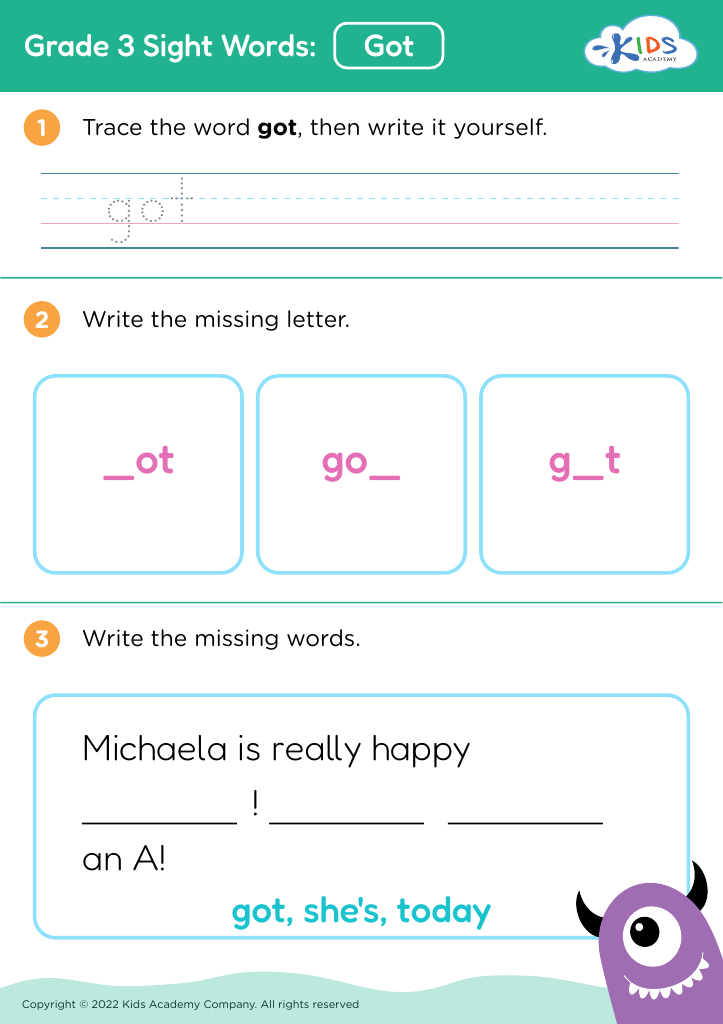
Grade 3 Sight Words: Got

Grade 3 Sight Words: Got

Grade 3 Sight Words: Got
Worksheet
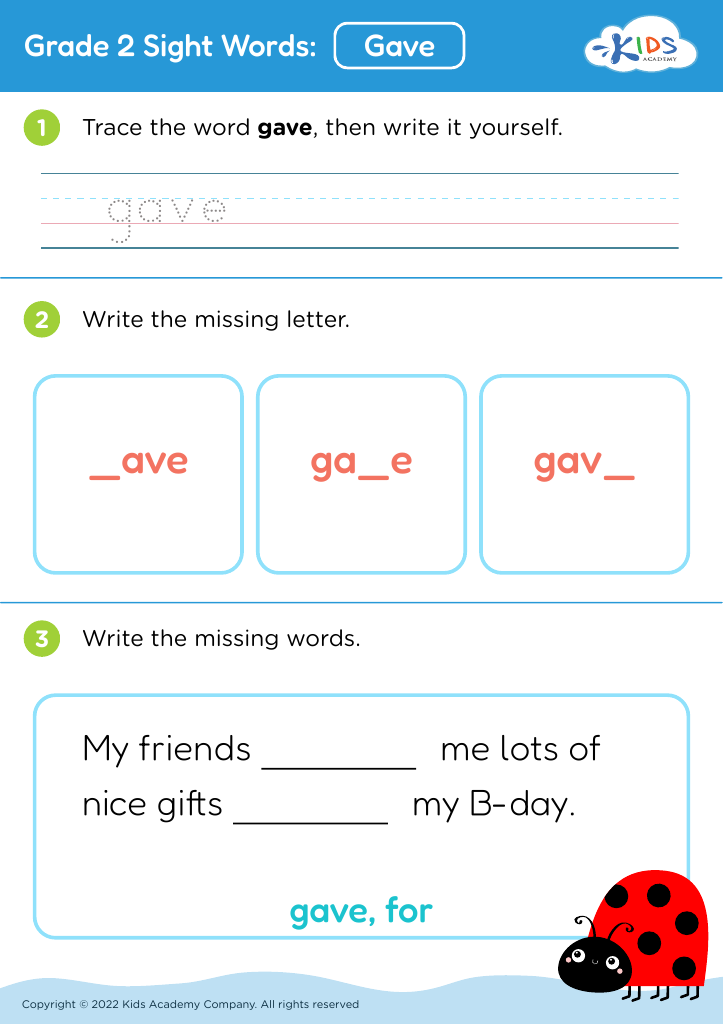
Grade 2 Sight Words: Gave

Grade 2 Sight Words: Gave

Grade 2 Sight Words: Gave
Worksheet
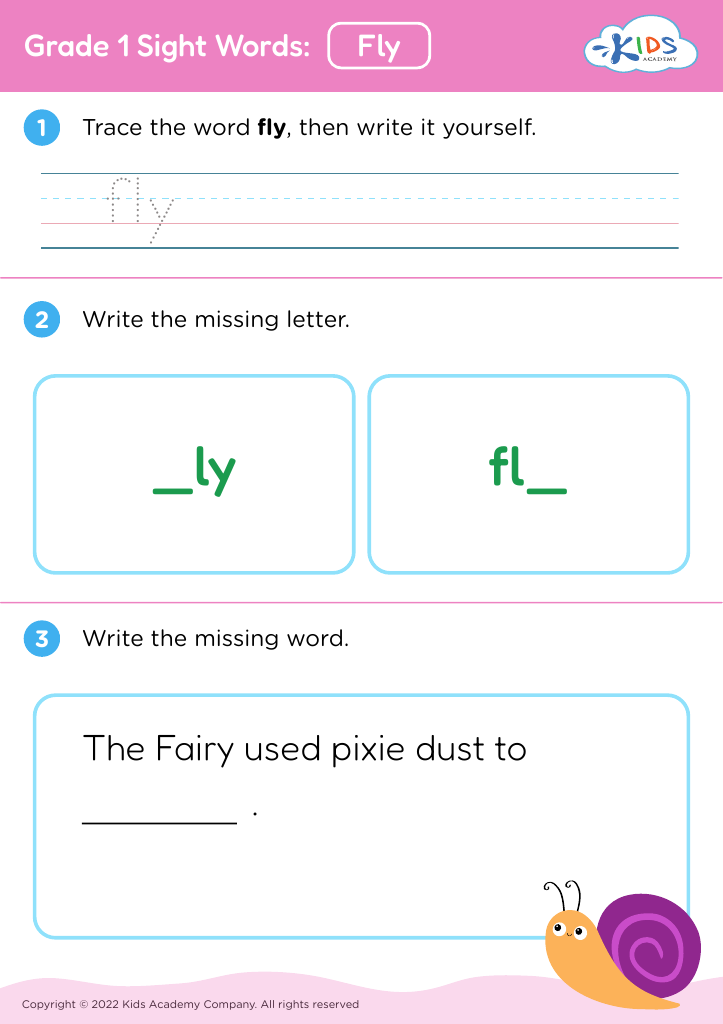
Grade 1 Sight Words: Fly

Grade 1 Sight Words: Fly

Grade 1 Sight Words: Fly
Worksheet
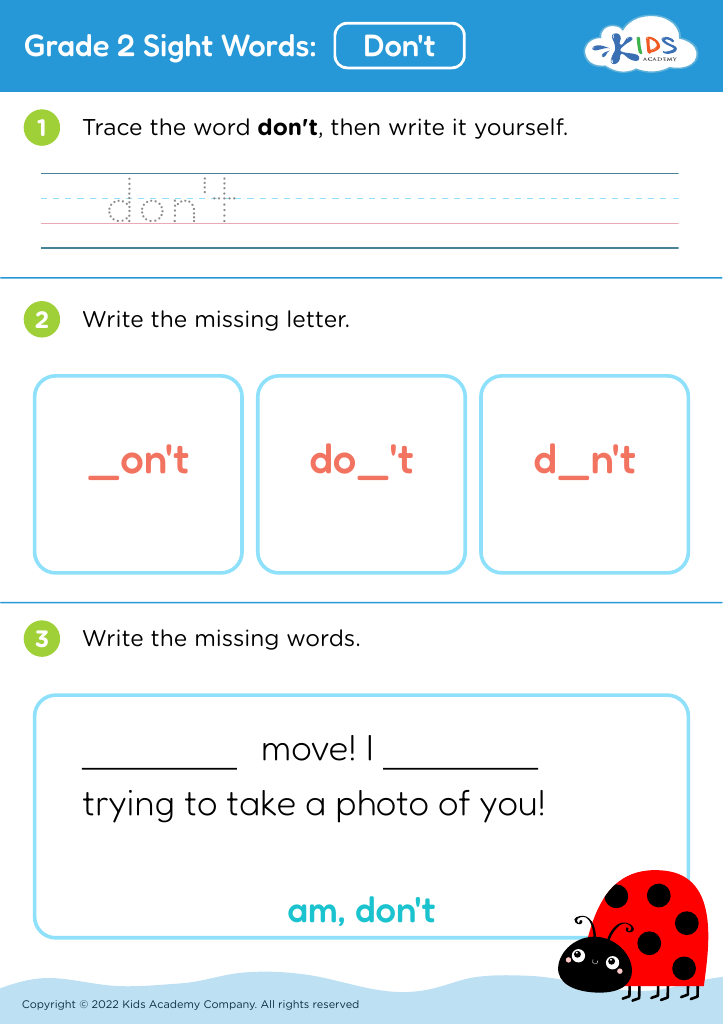
Grade 2 Sight Words: Don'T

Grade 2 Sight Words: Don'T

Grade 2 Sight Words: Don'T
Worksheet
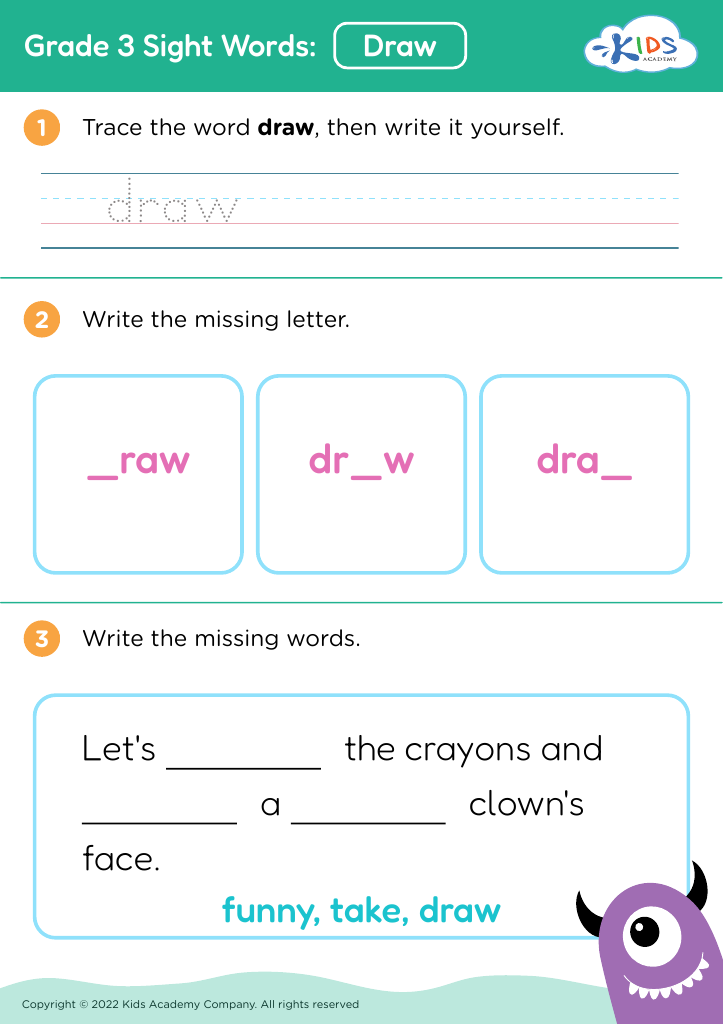
Grade 3 Sight Words: Draw

Grade 3 Sight Words: Draw

Grade 3 Sight Words: Draw
Worksheet


Understanding fractions and building vocabulary in early education is crucial for children aged 6-8, as these foundational skills significantly shape their mathematical and linguistic development. By teaching fractions, parents and teachers equip children with the ability to comprehend parts of a whole, a concept that underpins various everyday activities, such as dividing food or sharing toys. This understanding fosters problem-solving skills and enhances logical thinking, critical for later mathematical concepts like ratios and proportions.

Moreover, vocabulary development is similarly vital at this age. A rich vocabulary enables children to express thoughts clearly and comprehend complex ideas in both math and general subjects. Interdisciplinary vocabulary building encourages children to connect mathematical concepts with real-world experiences. For example, understanding terminology associated with fractions (such as "half," "quarter," and "eighth") not only helps in math but enhances reading comprehension and communication skills.

By prioritizing these areas, parents and teachers can create a more engaged learning environment, boosting children’s confidence and abilities. This focus leads to better academic performance and prepares children for more advanced concepts in mathematics and language arts in the future, laying a strong educational foundation.