Counting skills Reading Worksheets for Ages 6-8 - Page 2
29 filtered results
-
From - To
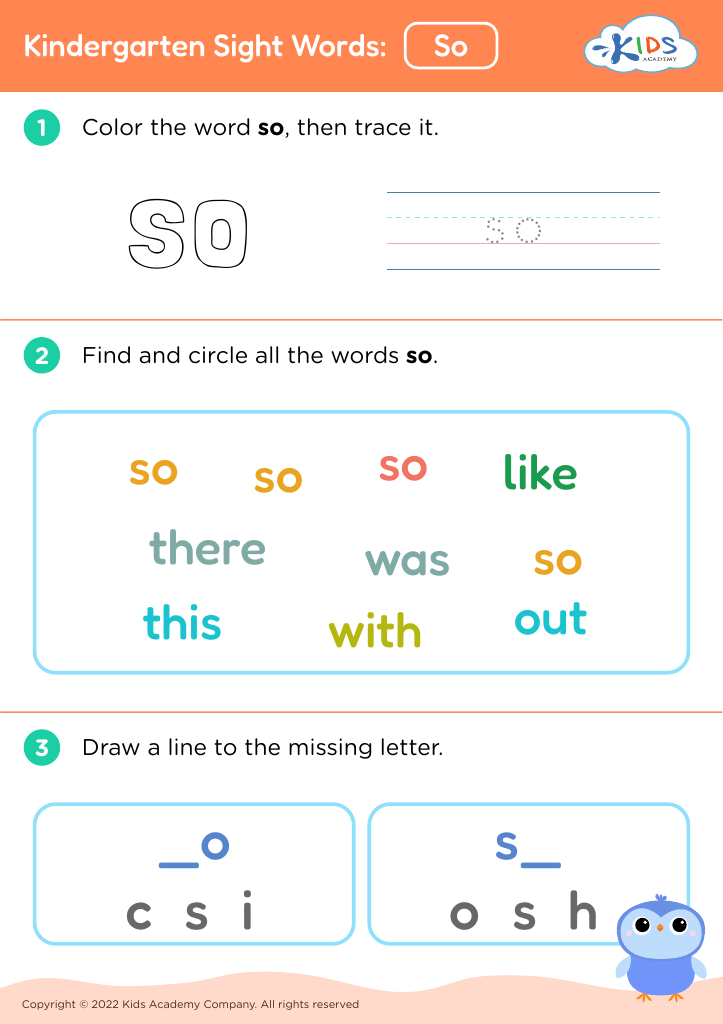
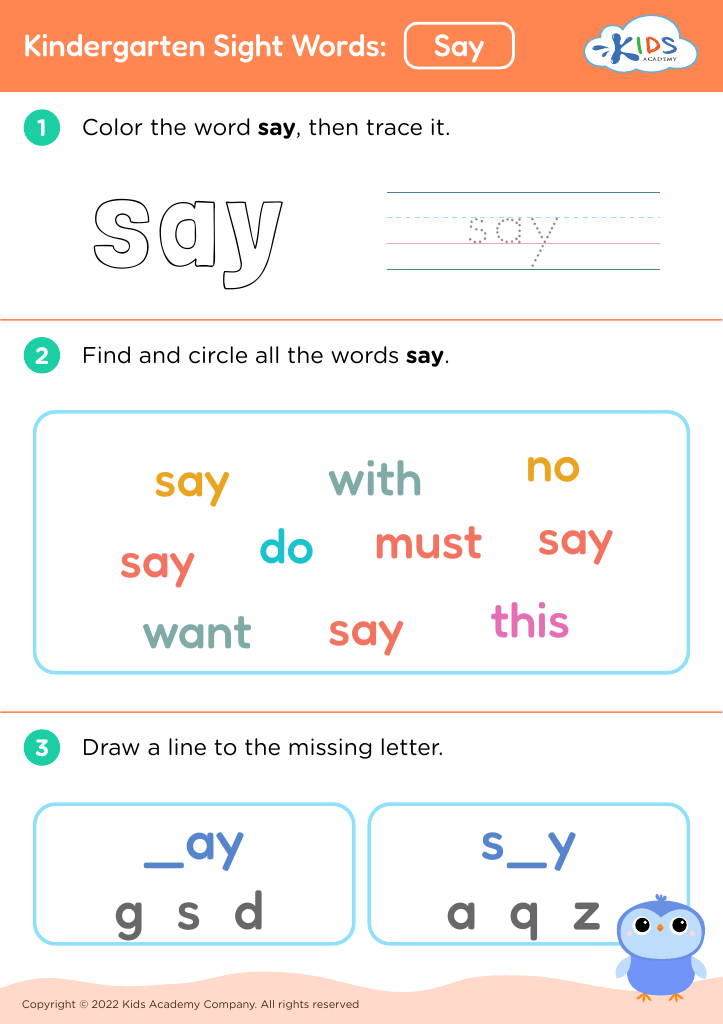
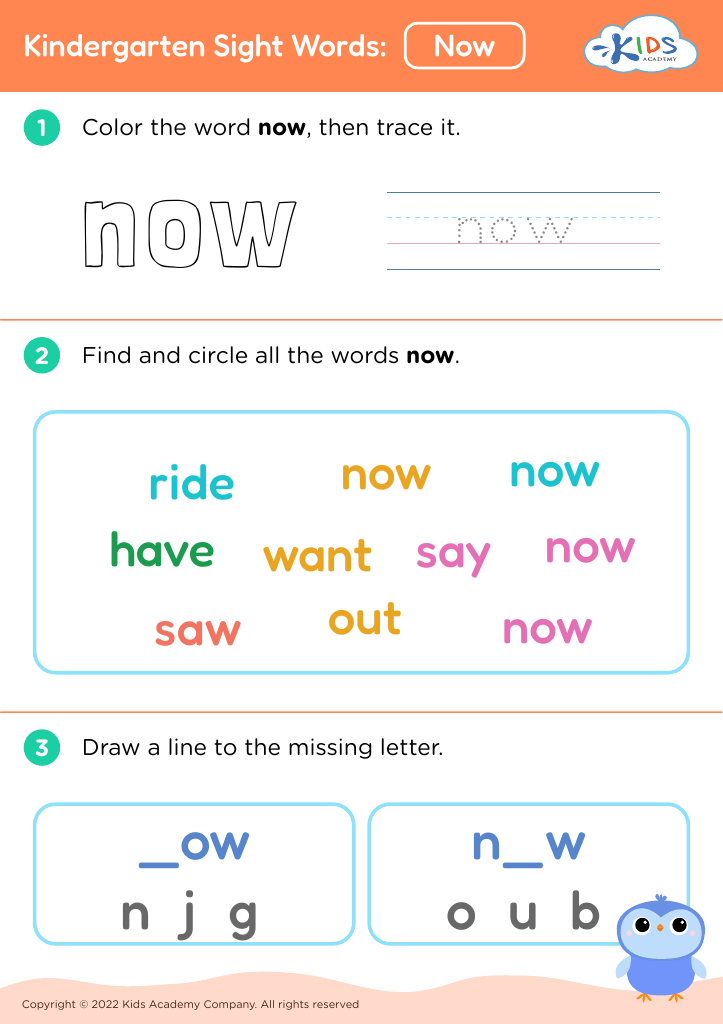
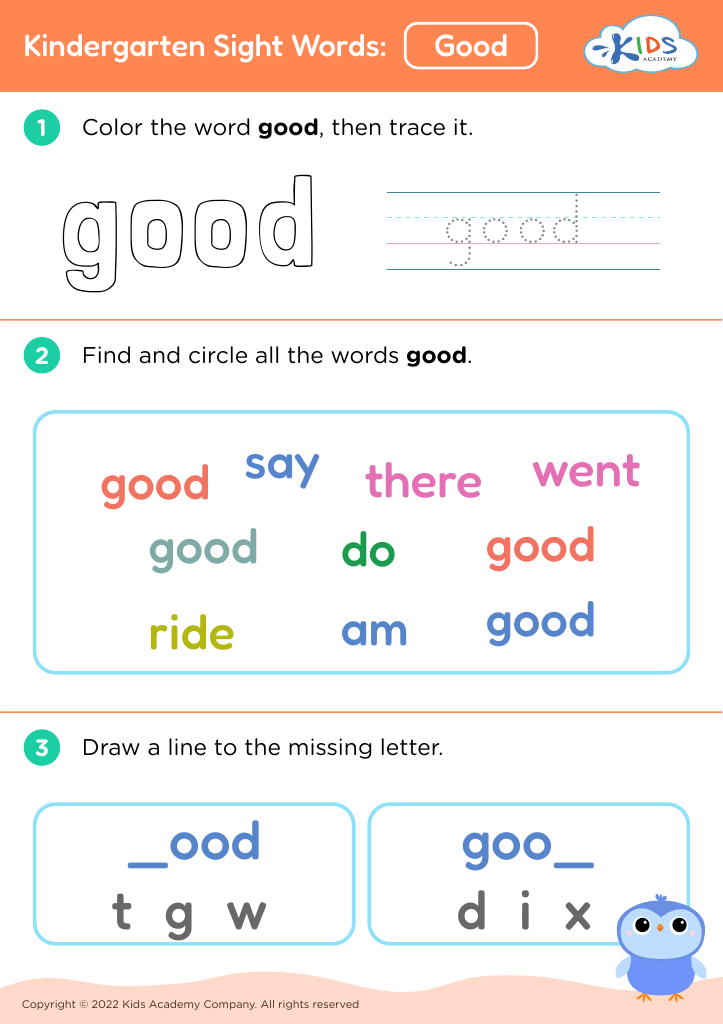
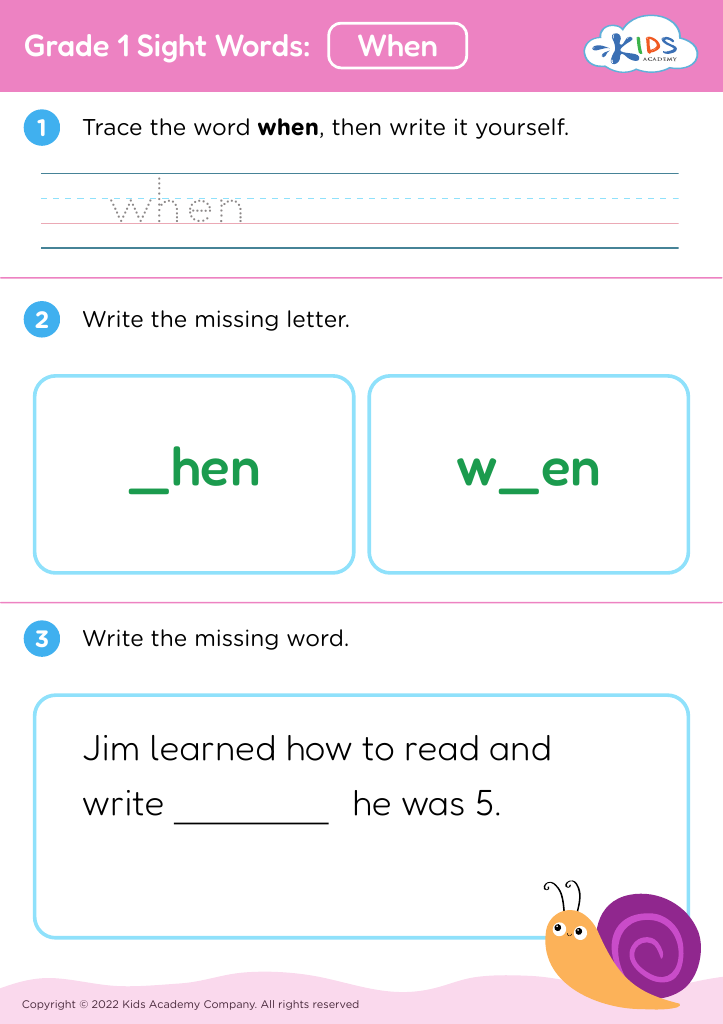







Counting skills and reading ability are critical components of early childhood education for children aged 6-8. At this developmental stage, children are transitioning from learning foundational concepts to applying these skills in more complex ways. Counting goes beyond simple number recognition; it lays the groundwork for understanding mathematical operations and problem-solving skills. Proficiency in counting helps children grasp concepts such as addition, subtraction, sequencing, and even more advanced mathematics in the future.
On the other hand, reading skills are equally indispensable. Reading fluency and comprehension form the basis of all other learning, enabling children to access and engage with material across various subjects. Strong reading skills are associated with enhanced vocabulary, better communication abilities, and improved cognitive functions such as memory and critical thinking.
Parents and teachers who emphasize counting and reading are essentially equipping children with the tools they need for academic success and functional, independent living. Activities that support these skills also foster a love for learning, build confidence, and help children develop a sense of accomplishment. Given their long-term benefits, it’s crucial for educators and parents to nurture these skills through interactive lessons, supportive resources, and a stimulating learning environment.








