Fraction simplification Reading Worksheets for Ages 6-8
14 filtered results
-
From - To
Enhance your child's learning experience with our engaging Fraction Simplification Reading Worksheets designed for ages 6-8. These interactive resources combine fun reading activities with essential math concepts, helping young learners grasp the basics of fractions while improving their literacy skills. Our worksheets feature colorful illustrations and clear explanations, making complex topics easy to understand. Perfect for at-home practice or classroom use, these tools foster critical thinking and reinforce foundational math knowledge. Equip your child with the skills they need to succeed in fractions while promoting a love for learning! Explore our collection today and watch your child thrive in their academic journey.
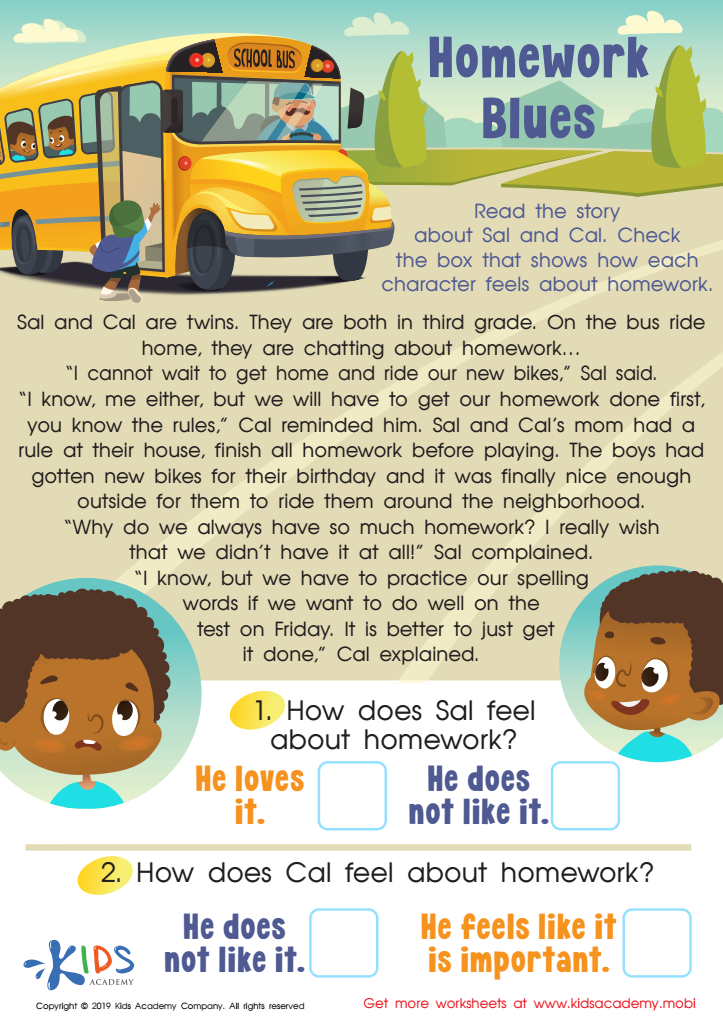
Homework Blues Worksheet
 Assign to My Students
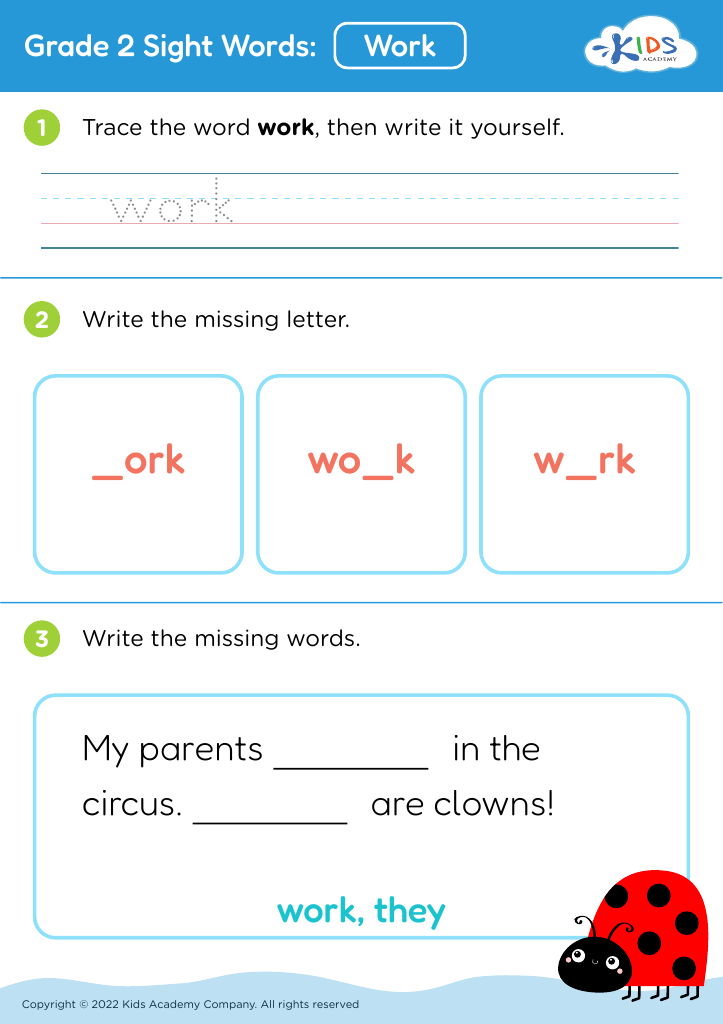
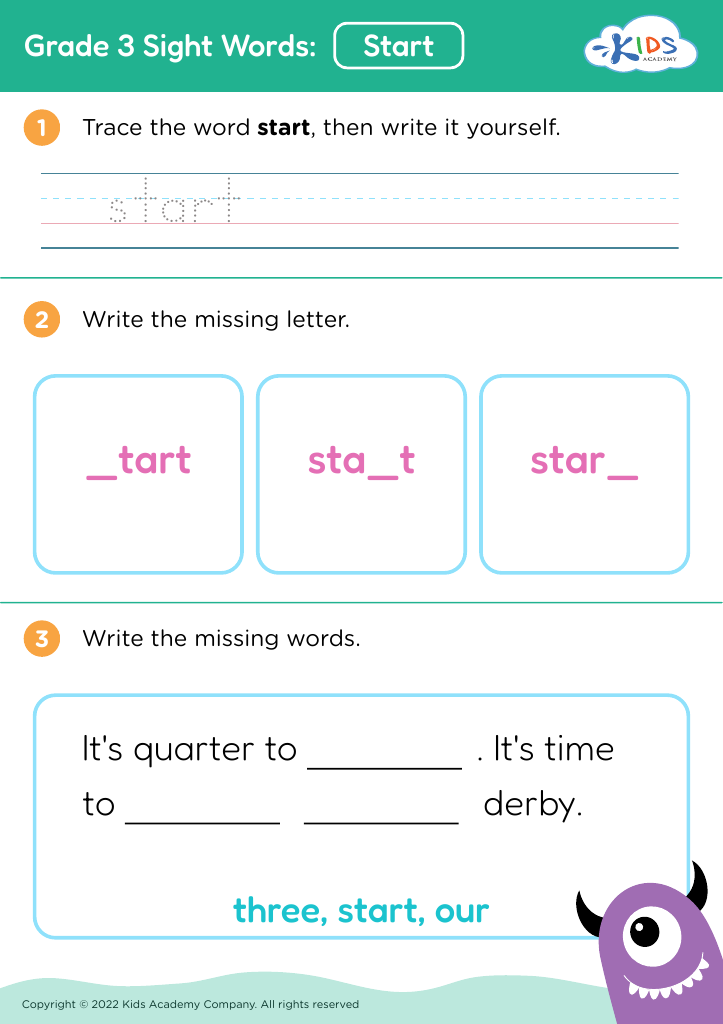
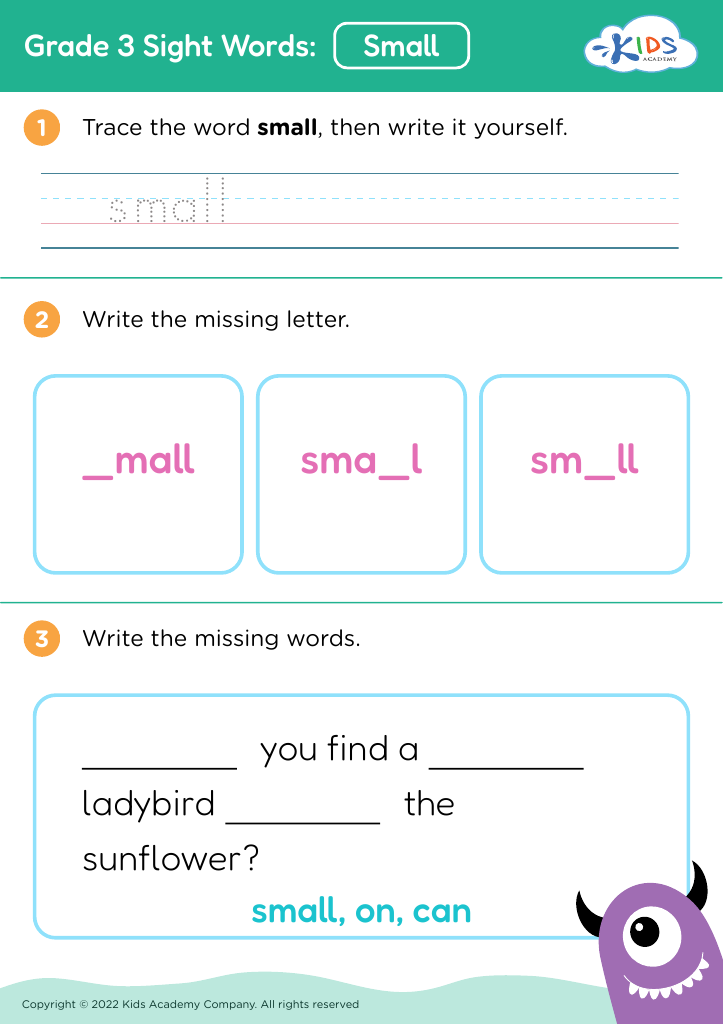






Understanding fraction simplification is crucial for children aged 6-8, as it lays the foundation for their mathematical development. At this stage, children are building their numeracy skills, and grasping the concept of fractions is a key milestone. Simplifying fractions teaches students how to recognize relationships between numbers, develop critical thinking, and enhance problem-solving abilities.
Parents and teachers should care because mastering fraction simplification promotes confidence in young learners. When children understand how to simplify a fraction, they not only learn how to handle fractions more effectively but also gain a deeper comprehension of division and proportion. This foundational knowledge supports further mathematical concepts, including ratio, decimal conversion, and algebra, which they will encounter as they advance in their education.
Moreover, developing a solid understanding of fractions helps prepare students for real-world applications, such as cooking, budgeting, and measurement, which are vital life skills. Engaging children in fun, hands-on activities related to fraction simplification makes learning enjoyable and ensures long-term retention of concepts. By actively supporting this learning, parents and teachers can foster a positive attitude toward math, encouraging students to embrace challenges and view mathematics as an accessible, enjoyable subject.








