
Understanding multiplication Reading Worksheets for Ages 6-8
4 filtered results
Difficulty Level
Grade
Age
-
From - To
Subject
Activity
Standards
Discover our engaging "Understanding Multiplication Reading Worksheets" designed for children aged 6-8! These worksheets provide a fun and interactive way for young learners to grasp the essential concepts of multiplication through informative texts and exciting activities. With a focus on comprehension and application, kids will read, interpret, and solve multiplication-related problems that enhance their computation skills. Our carefully crafted materials cater to different learning styles, ensuring that every child can master multiplication in an enjoyable way. Foster a love for math and strengthen reading skills all while building a solid foundation for future learning. Explore our resources today!
Favorites
With answer key
Interactive
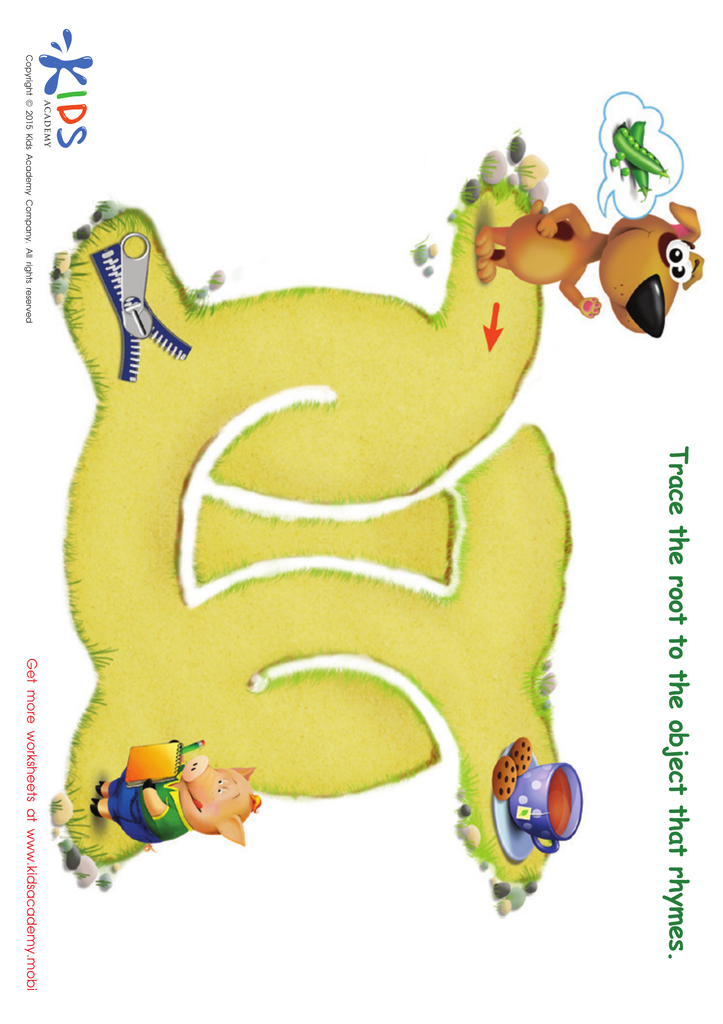
Pea Rhyming Words Worksheet
Check out our free printable worksheet that helps kids learn new words through rhyming. Your child needs to trace the root between the rhyming words and remember them better. Enjoy learning!
Pea Rhyming Words Worksheet
Worksheet
Join Kids Academy for Free
Who is primarily going to use this learning content?








Understanding multiplication in early childhood is crucial for building a strong mathematical foundation. For children aged 6-8, this concept not only enhances their arithmetic skills but also nurtures critical thinking and problem-solving abilities. Parents and teachers should care about this because multiplication is a stepping stone to more advanced math concepts such as division, fractions, and algebra.
When children grasp multiplication, they begin to see the relationships between numbers, fostering a deeper comprehension of math as a cohesive subject rather than a series of isolated facts. Engaging in multiplication helps develop their ability to recognize patterns, which is essential for scientific reasoning and everyday problem-solving.
Additionally, learning multiplication builds confidence. Mastery in this area can positively influence children's attitudes towards math and reduce math anxiety, encouraging them to take on greater challenges in the future. Parents and teachers play a vital role in supporting this learning by incorporating engaging strategies, such as games, practical applications, and relatable examples that connect math to real-life scenarios. The skills developed during this early stage not only prepare children academically but also equip them with essential life skills that will benefit them beyond the classroom.








