Understanding patterns Reading Worksheets for Ages 6-8
5 filtered results
-
From - To
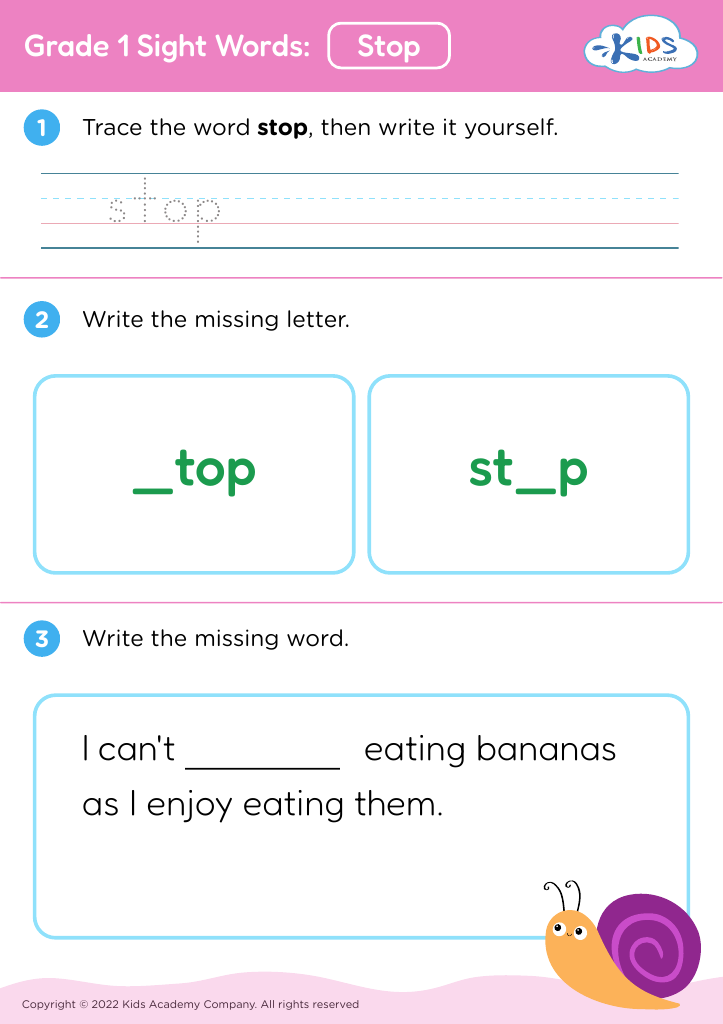
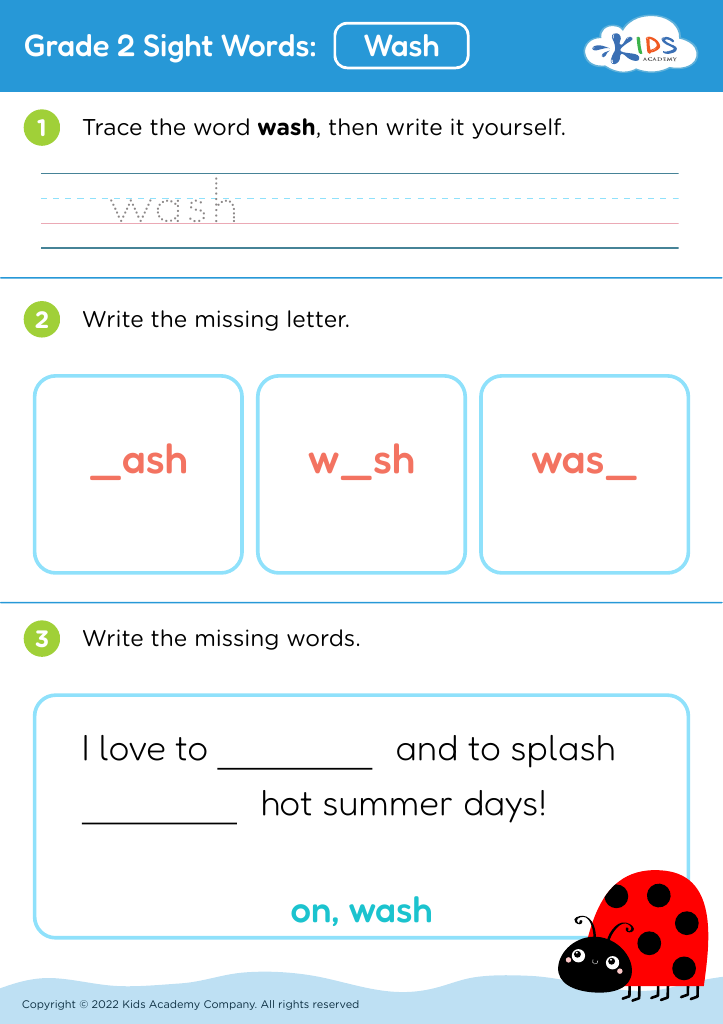
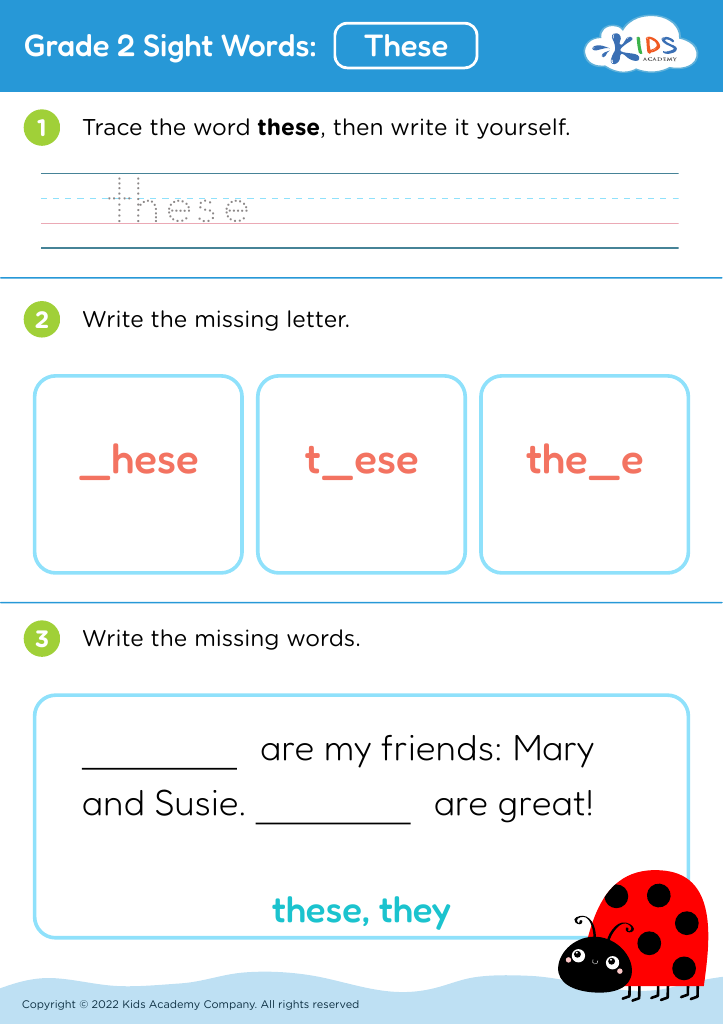
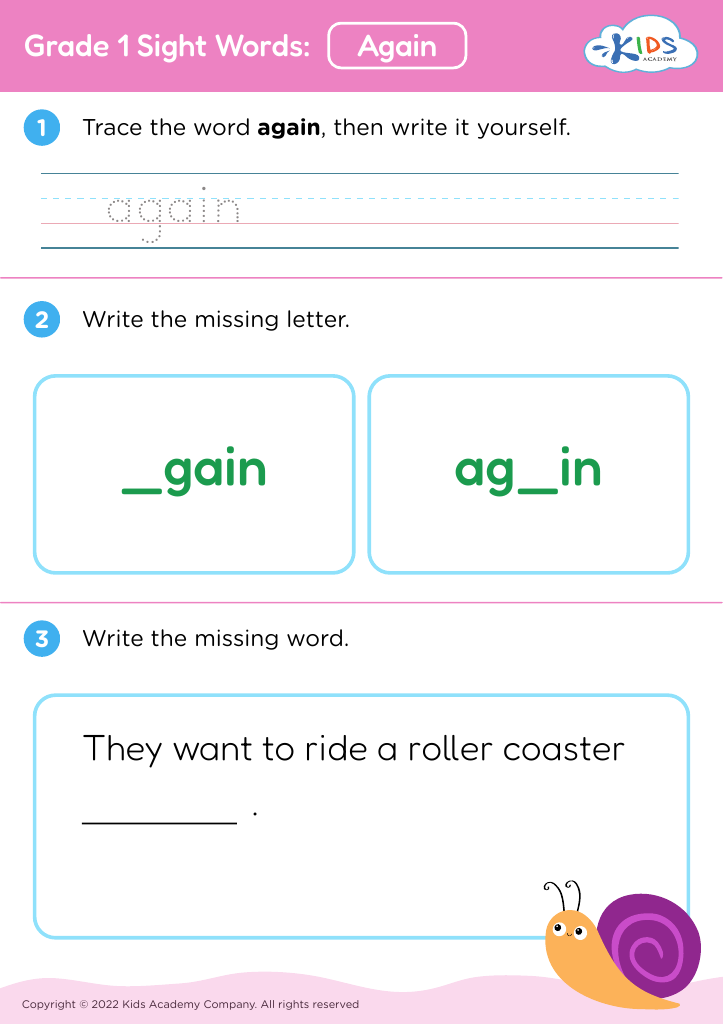
Explore our "Understanding Patterns Reading Worksheets" designed specifically for children aged 6-8. These engaging activities help young learners develop essential reading and comprehension skills by identifying and understanding patterns in text. With a variety of worksheets featuring colorful visuals and interactive exercises, children will enjoy practicing repetition, sequencing, and prediction in stories. Ideal for classroom use or at-home learning, these worksheets foster critical thinking and enhance literacy skills while making reading fun and engaging. Set your child on the path to reading success with our thoughtfully crafted patterns worksheets! Dive in and watch them thrive in their reading journey!
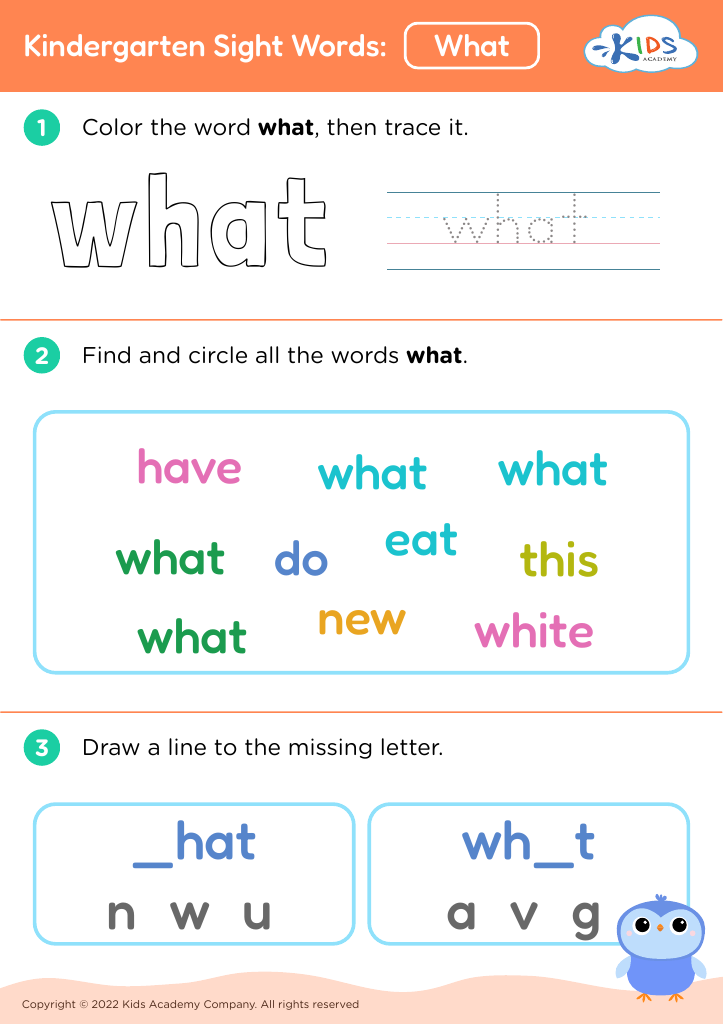




.jpg)


.jpg)
Understanding patterns in reading for ages 6-8 is crucial for several reasons. At this developmental stage, children are beginning to decipher the complexities of language, and recognizing patterns in words, sounds, and sentence structures enhances their reading fluency. Patterns, such as rhymes, sight words, and predictable story formats, help children predict what comes next, boosting comprehension and confidence.
Moreover, these early literacy skills lay the groundwork for advanced reading abilities. As children engage with patterns, they develop phonemic awareness, which is essential for decoding new words. This foundational knowledge not only supports their literacy development but also fosters a love for reading and learning.
Teachers and parents play a vital role in this process. By encouraging activities that highlight patterns—such as storytelling, word games, or rhyming exercises—they create a rich, interactive learning environment. Additionally, understanding how children learn through patterns allows educators and parents to tailor their support, making reading more engaging and less intimidating.
Ultimately, investing in children's ability to recognize and understand patterns in reading leads to improved academic performance and lifelong skills, setting them on a path to success as confident, proficient readers.








