Reading comprehension Reading Non-Fiction Worksheets for Ages 6-8 - Page 2
42 filtered results
-
From - To
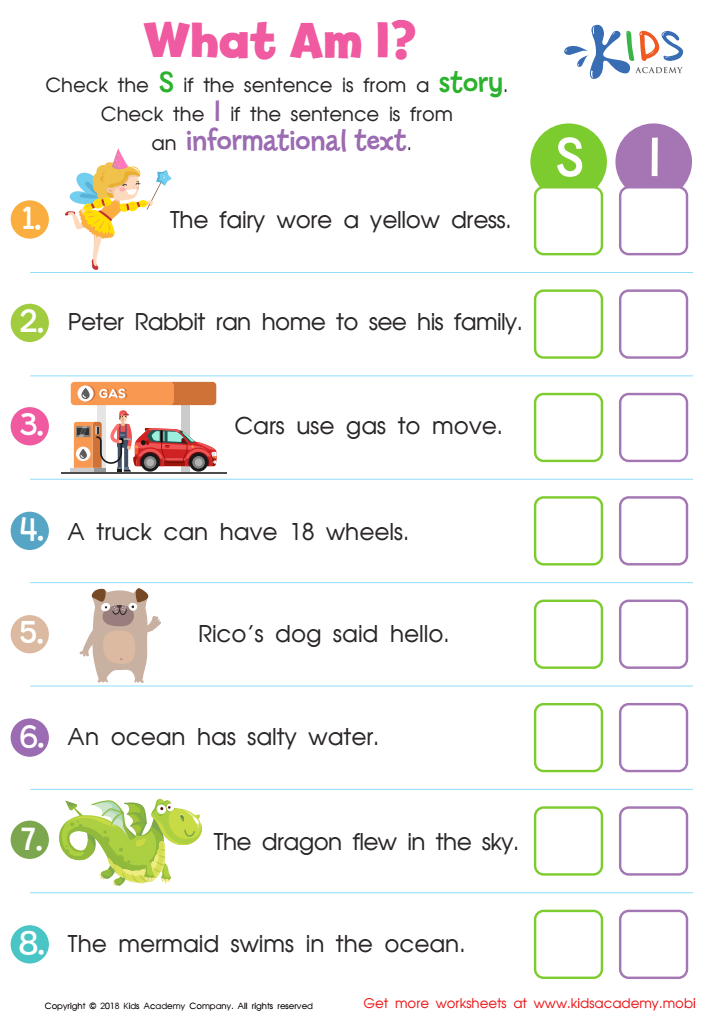
What Am I? Worksheet
 Assign to My Students
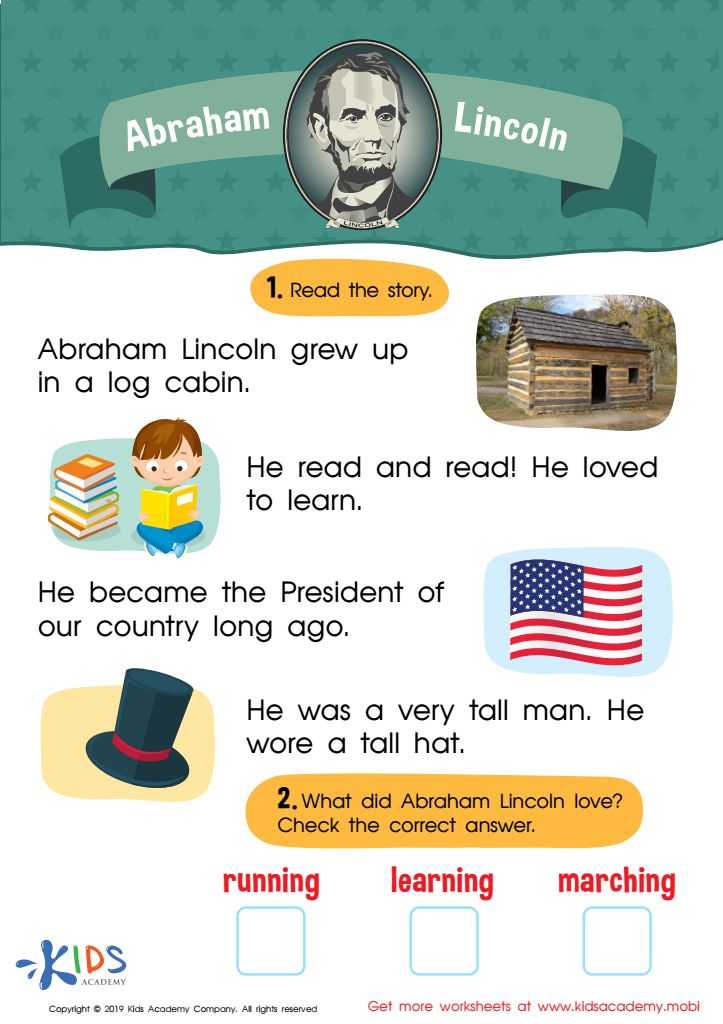
Abraham Lincoln Worksheet
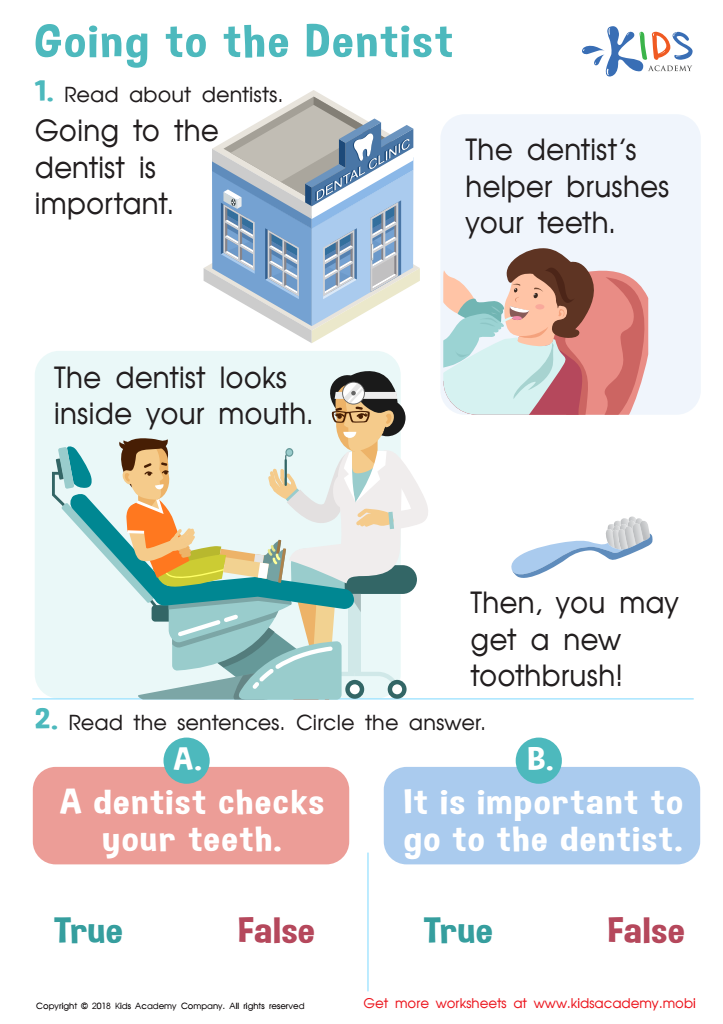
Going to the Dentist Part 2 Worksheet
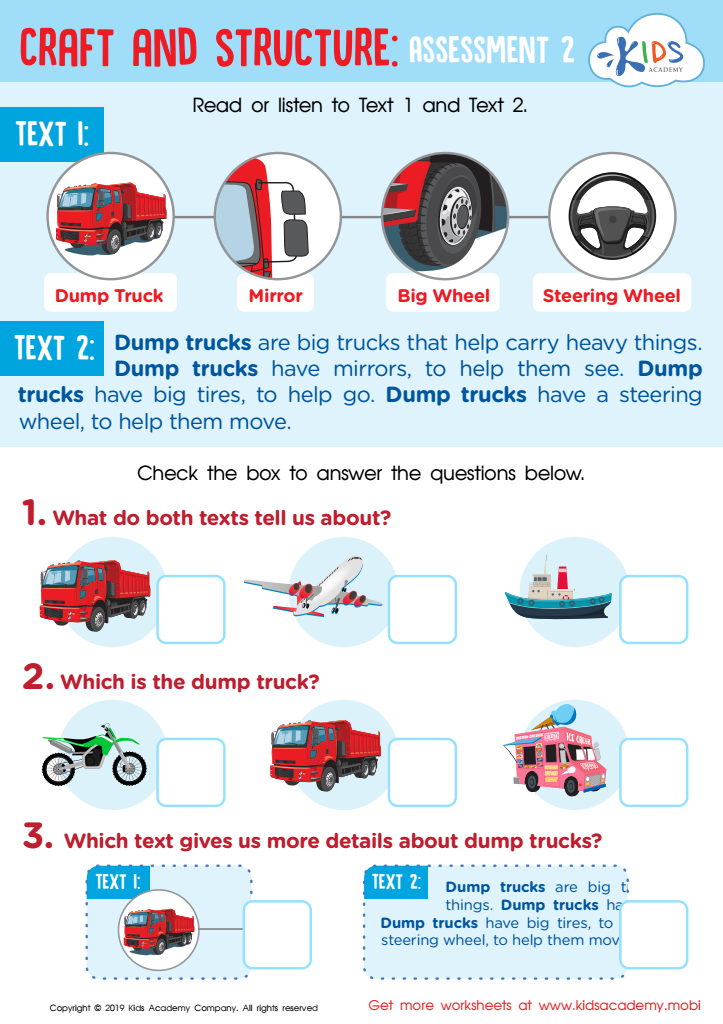
Craft and Structure: Assessment 2 Worksheet
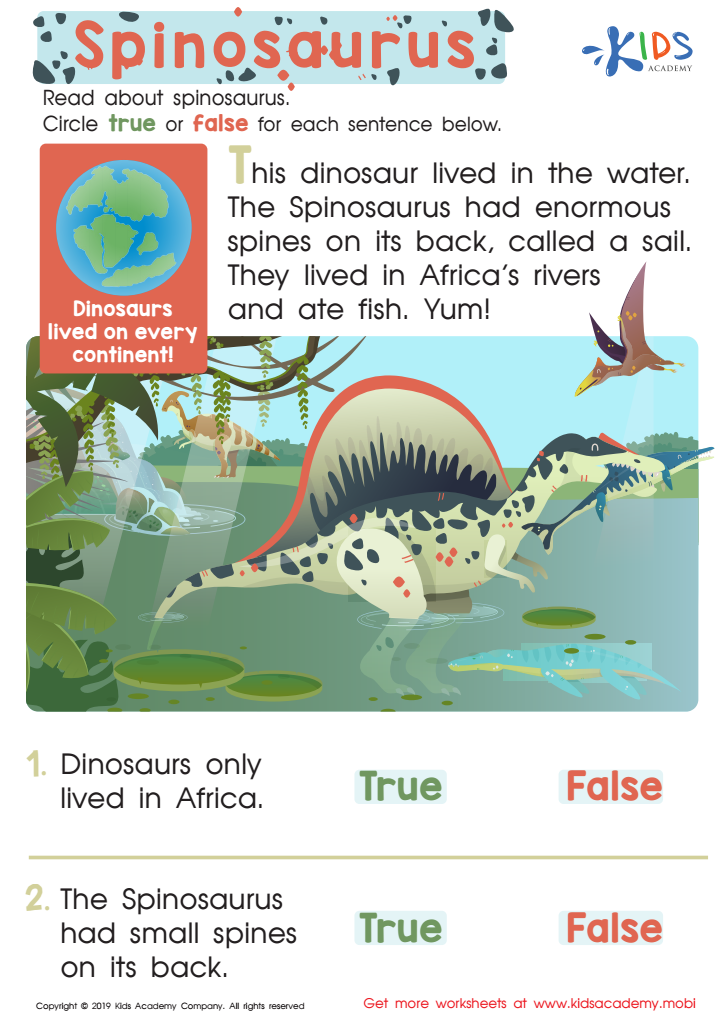
Spinosaurus Assessment Worksheet
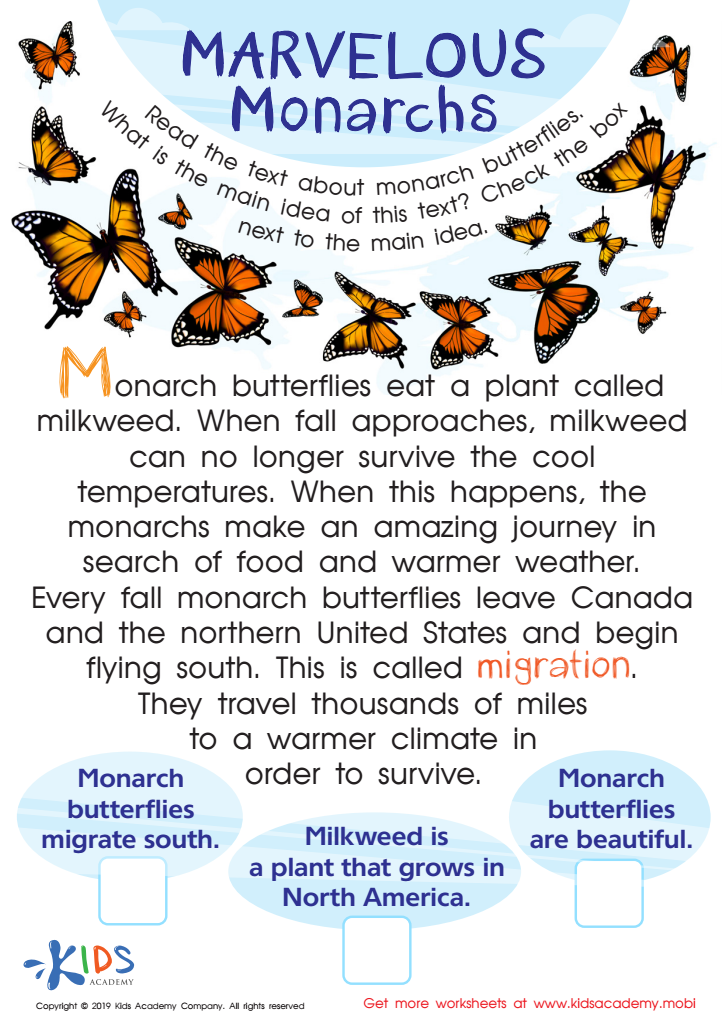
Marvelous Monarchs Worksheet
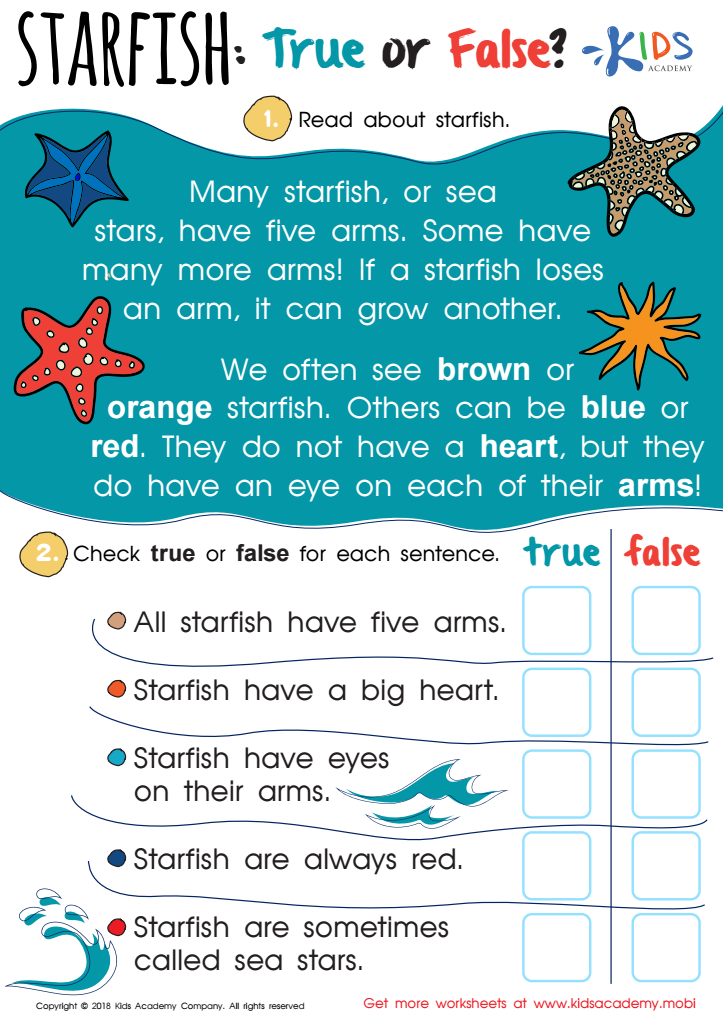
Starfish: True or False Worksheet
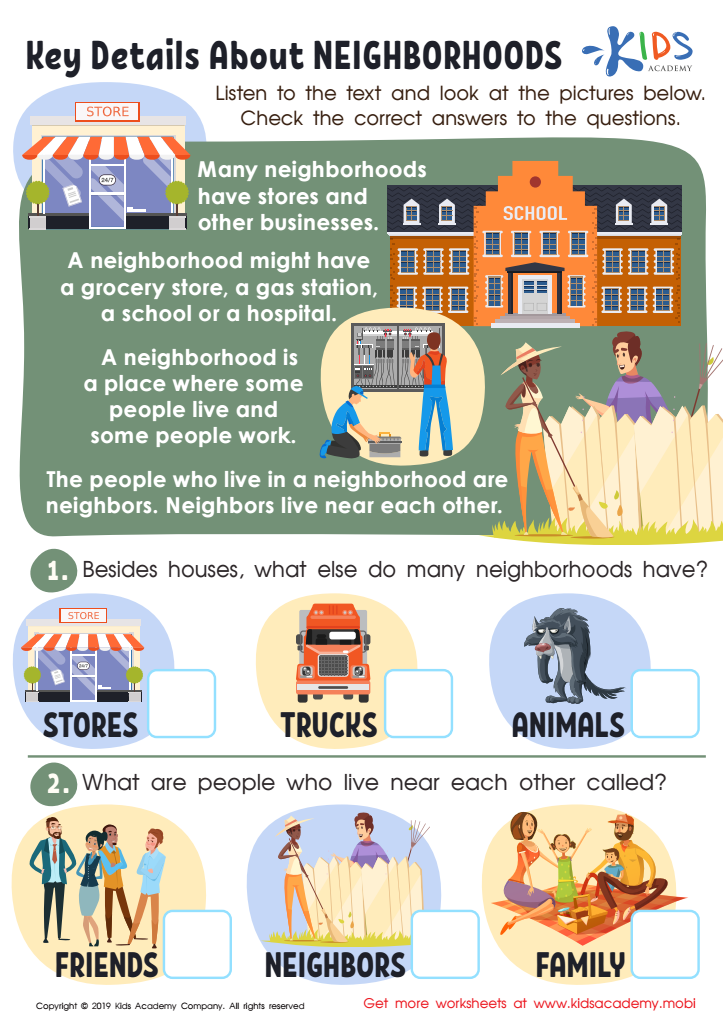
Key Details Neighborhoods Worksheet
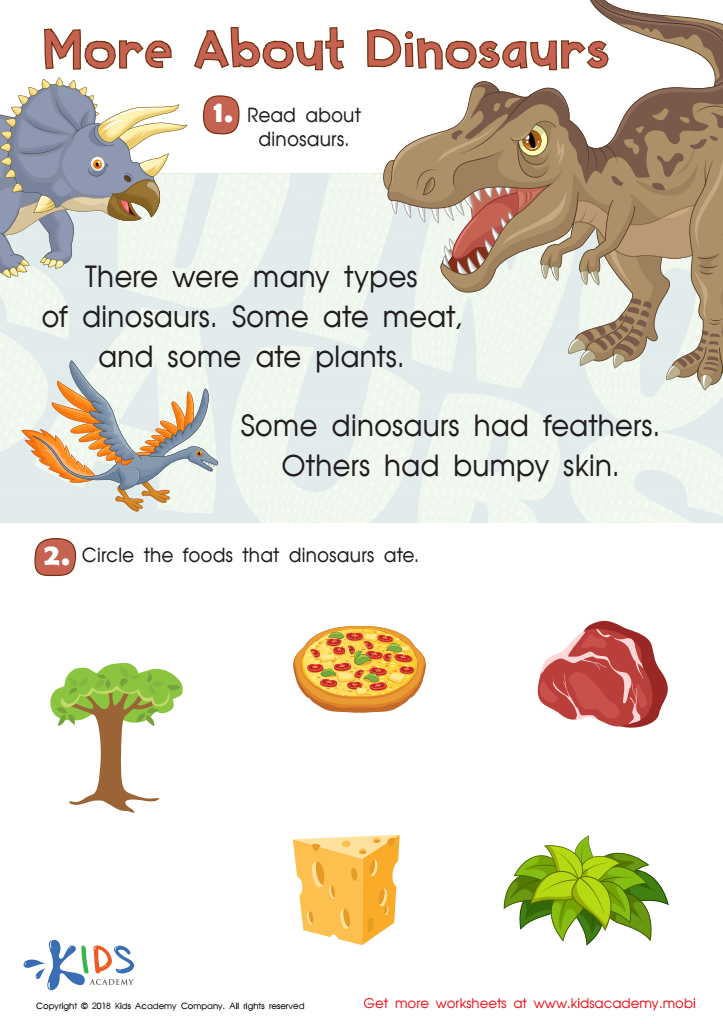
More About Dinosaurs Worksheet
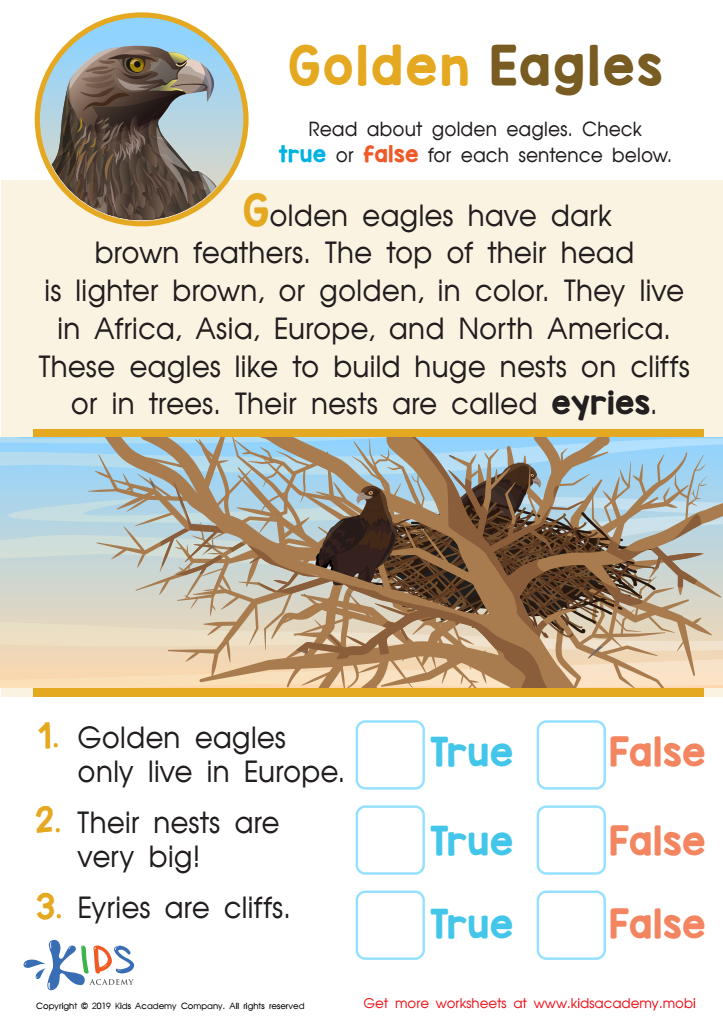
Golden Eagles Worksheet
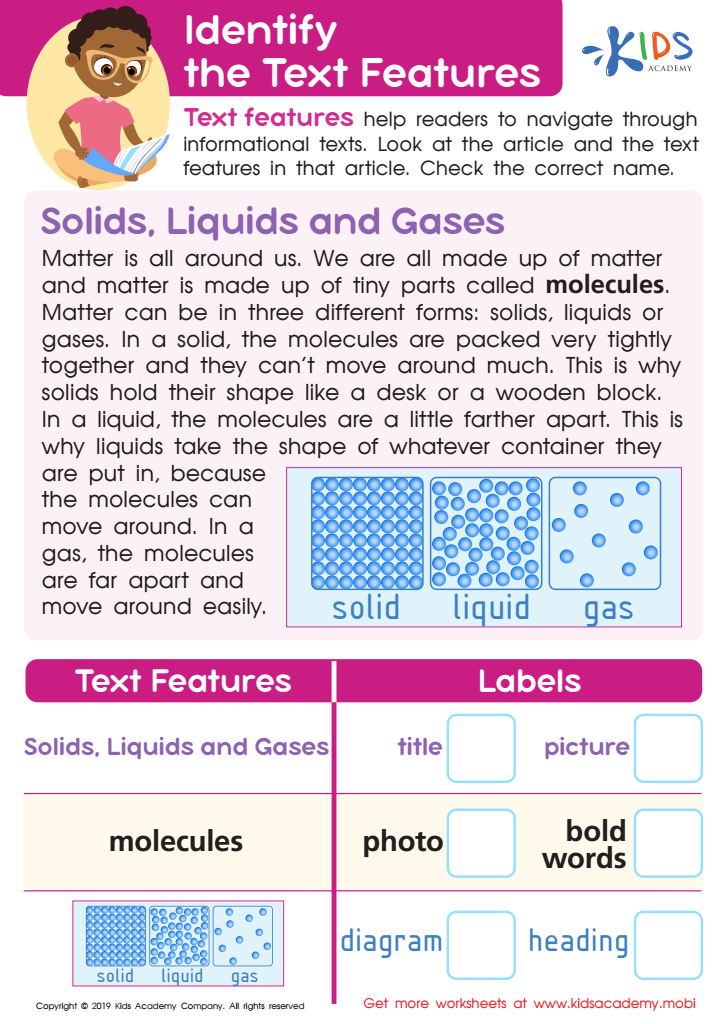
Identify the Text Features Worksheet
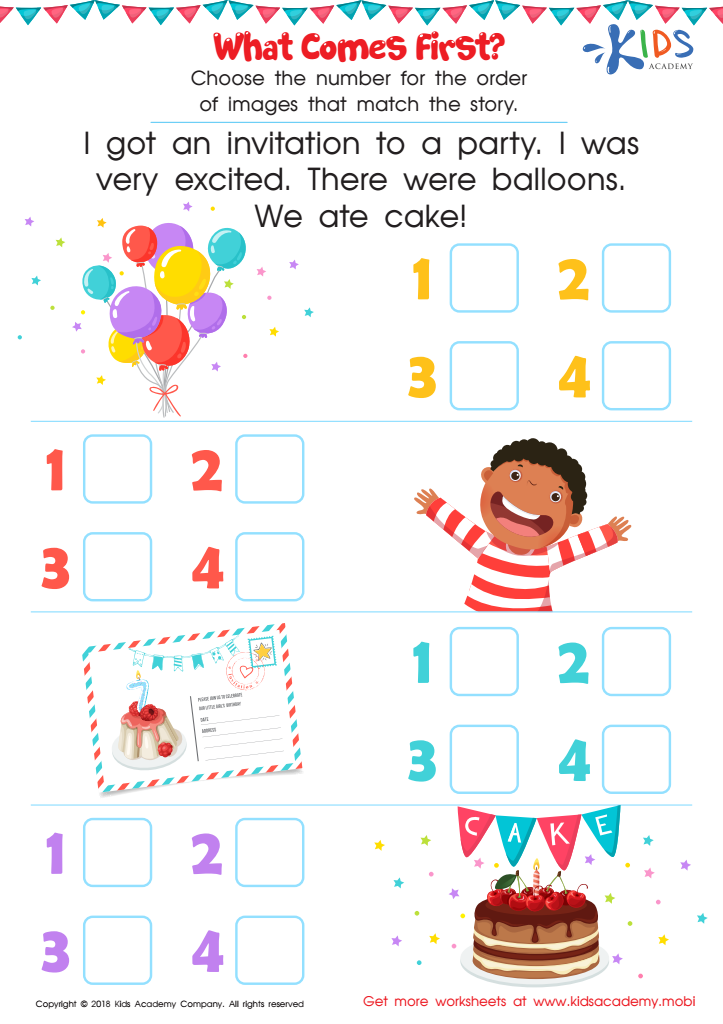
What Comes First Worksheet
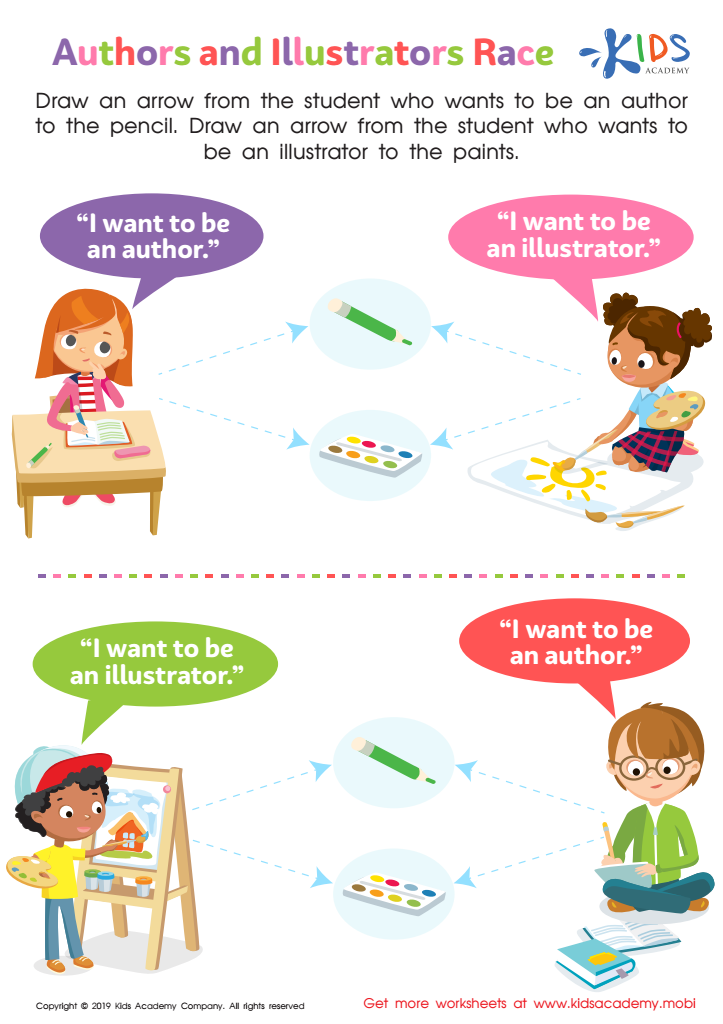
Authors and Illustrators Race Worksheet
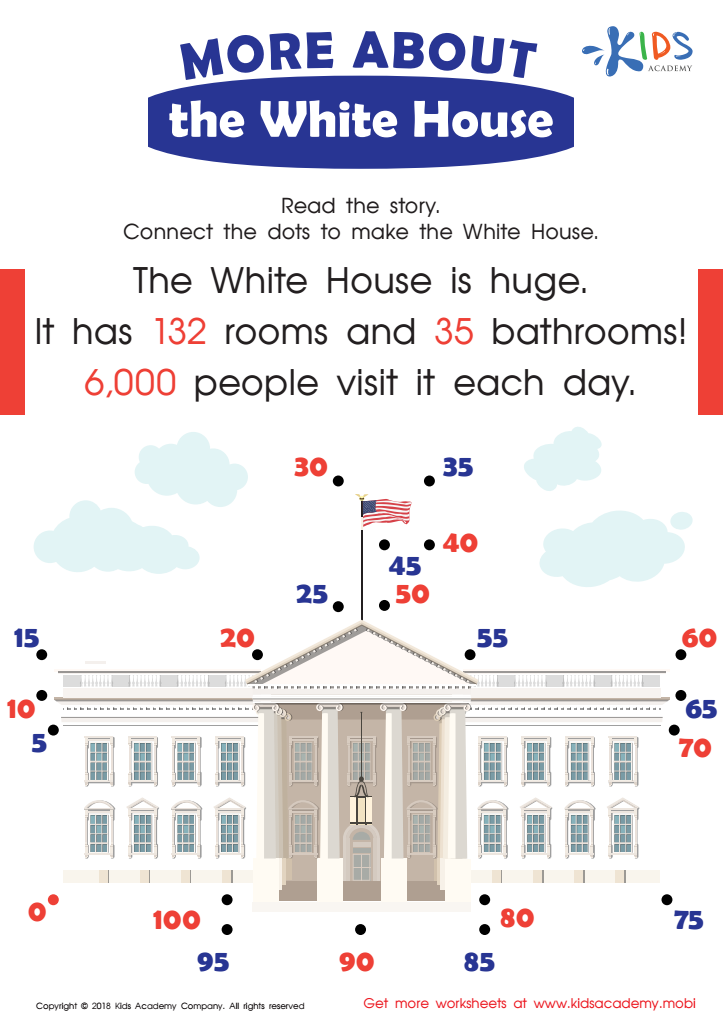
More About the White House Worksheet
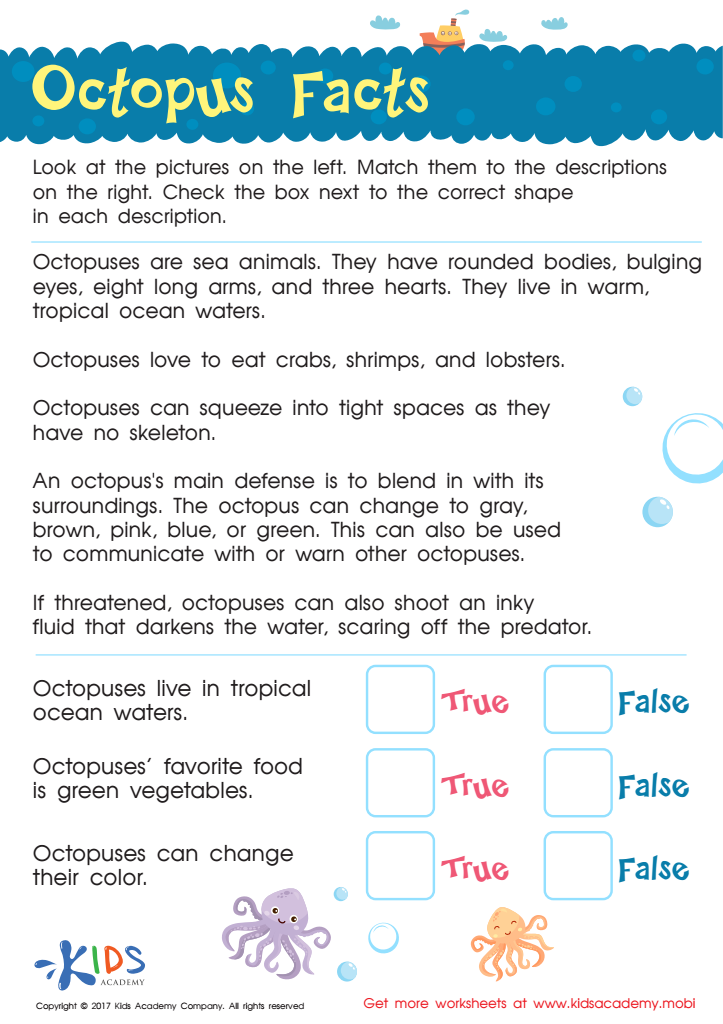
Octopus Facts Worksheet For Kids
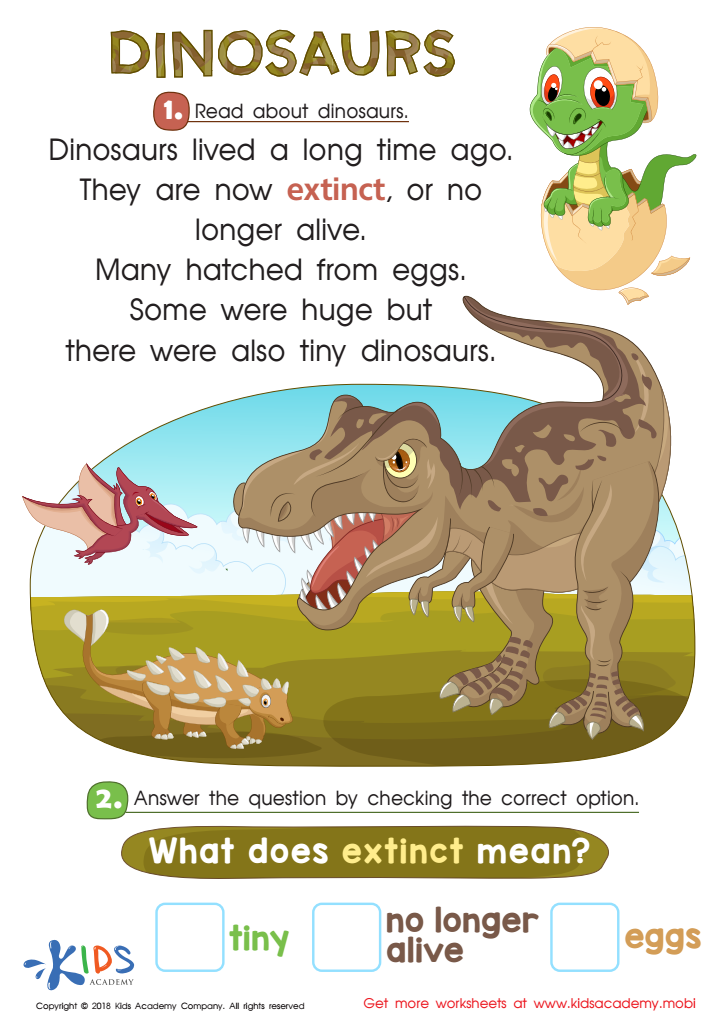
Dinosaurs Worksheet
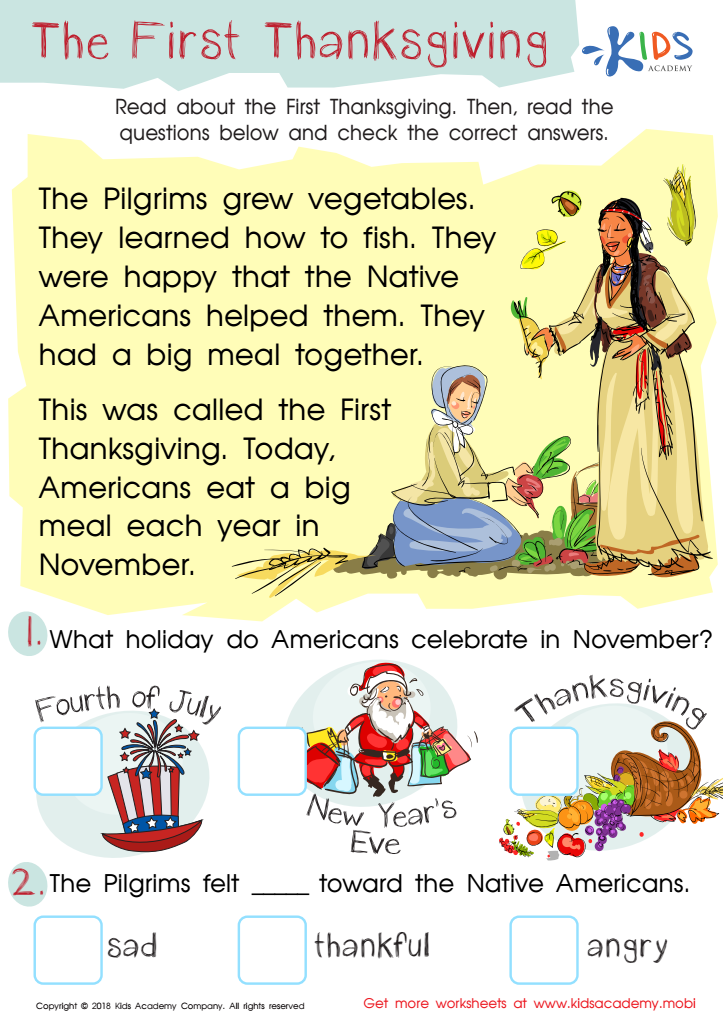
Assessment: First Thanksgiving Worksheet
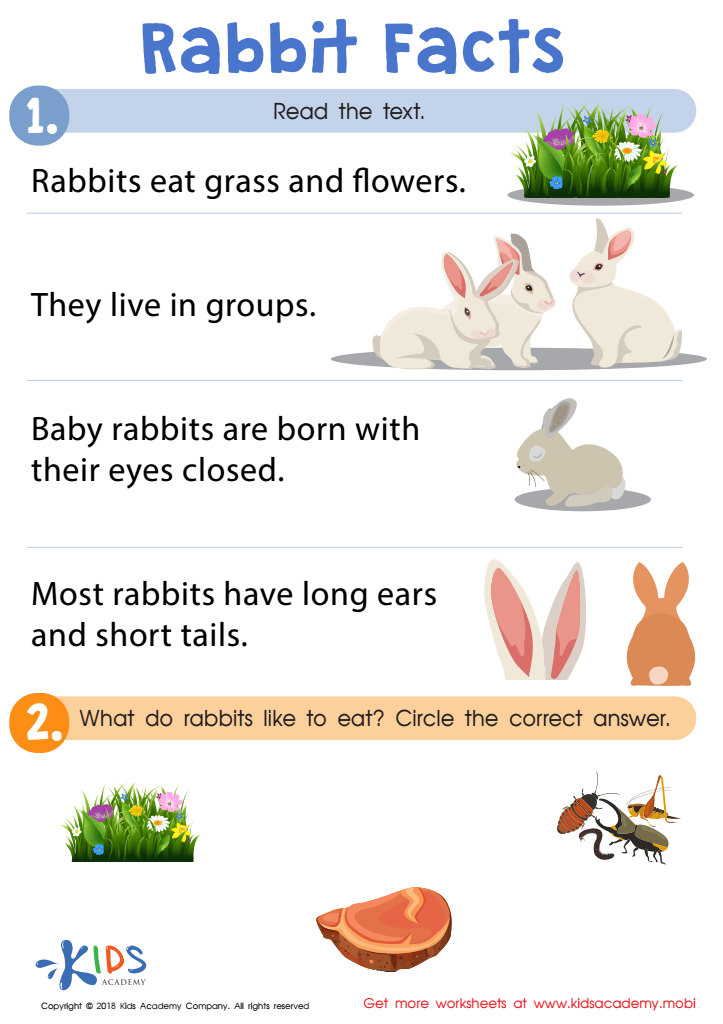
Rabbit Facts Worksheet







Reading comprehension, particularly in non-fiction, is crucial for children aged 6-8 as it lays the foundation for critical thinking and lifelong learning. During these formative years, children begin to make connections between what they read and the world around them. Non-fiction texts expose young readers to factual information about various subjects, such as science, history, and nature. This knowledge not only supports their academic curriculum but also helps cultivate curiosity and a love for discovery.
When parents and teachers prioritize non-fiction reading, they enhance children's ability to gather, analyze, and interpret information—skills vital for future academic success and informed citizenship. Comprehension of non-fiction texts enables young learners to differentiate between opinions and facts, nurturing their analytical capabilities.
Moreover, reading non-fiction builds vocabulary and fosters a greater understanding of complex concepts, which are essential for their educational development. It also encourages discussions at home and in the classroom, promoting social interaction and boosting communication skills. By investing time in non-fiction reading, parents and teachers can motivate 6 to 8-year-olds to explore new ideas and draw connections, ultimately nurturing their ability to navigate a rapidly changing world. Thus, encouraging non-fiction reading is an essential aspect of well-rounded early education.








