Vocabulary Building Rhyming Words Worksheets for Ages 6-8
3 filtered results
-
From - To
Enhance your child's vocabulary with our engaging Vocabulary Building Rhyming Words Worksheets, specially designed for kids aged 6-8! These worksheets incorporate fun and interactive activities that encourage young learners to explore and master rhyming words, which are essential for developing reading and language skills. Each worksheet features vibrant illustrations and age-appropriate exercises that make learning enjoyable. As children complete these activities, they will boost their word recognition and phonemic awareness, laying a solid foundation for future literacy success. Visit our website today to access these printable resources and help your child unlock the power of rhyming words in their vocabulary journey!
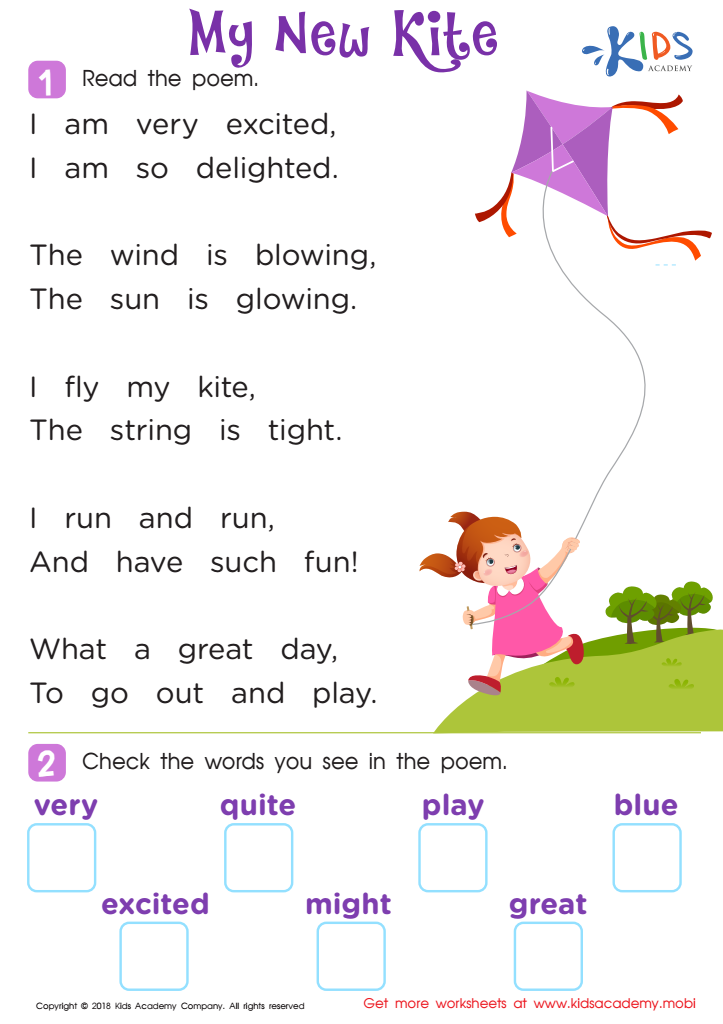
Poem: My New Kite Worksheet
 Assign to My Students
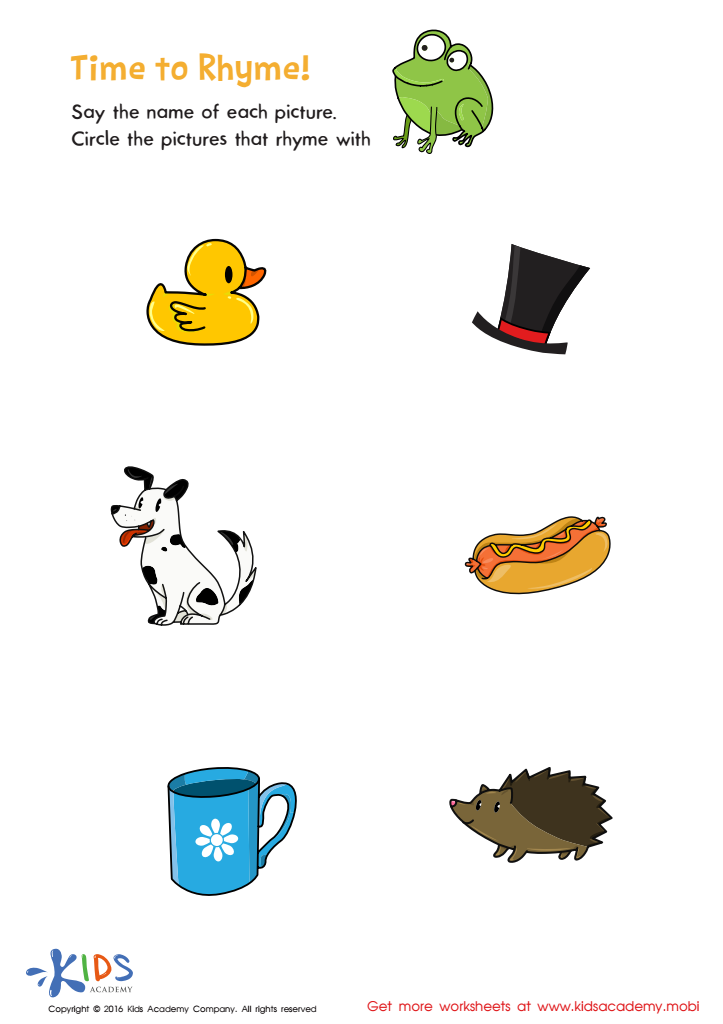
Rhyming Worksheet: Time to Rhyme Rhyming Worksheet
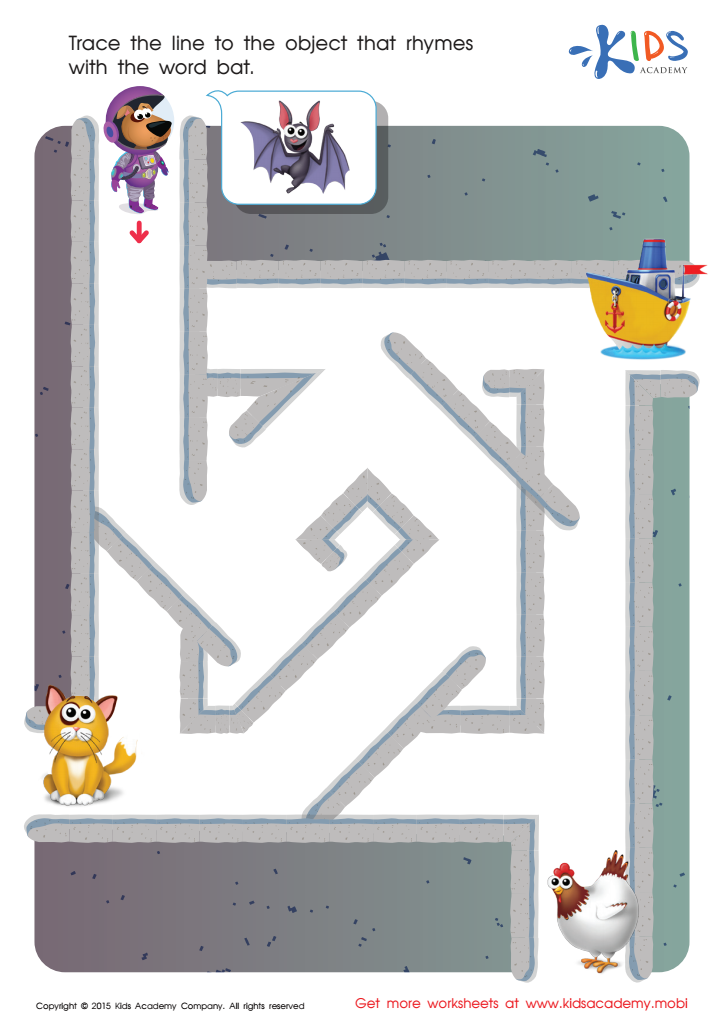
Bat Rhyming Words Worksheet


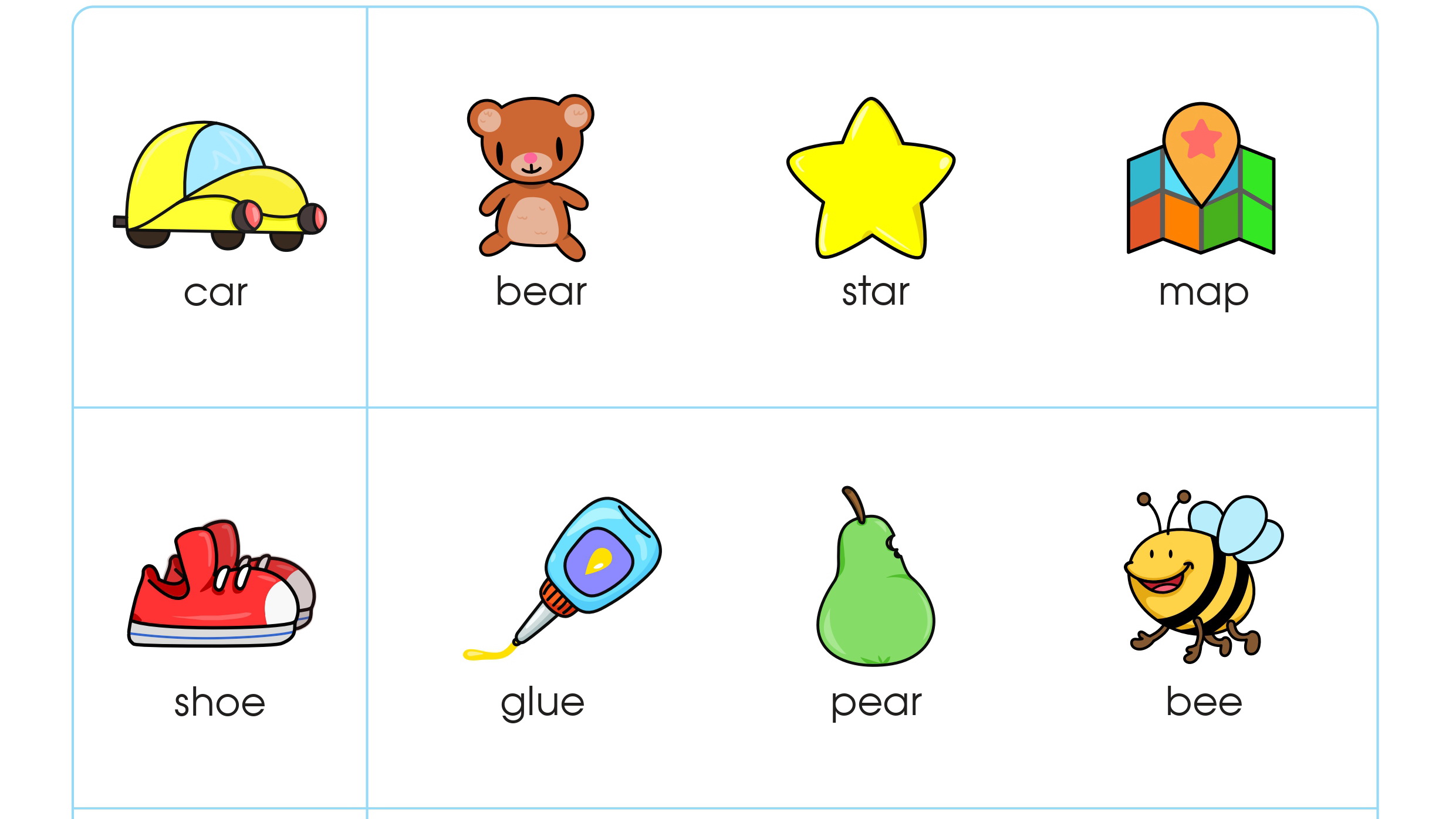

.jpg)


Vocabulary building through rhyming words is crucial for children aged 6-8 as it lays the foundation for reading, writing, and comprehensive language skills. At this developmental stage, children are naturally drawn to the rhythm and patterns of words, making rhymes an effective and engaging method of learning. Rhyming helps improve phonemic awareness—the ability to hear and manipulate sounds—which is essential for decoding words.
Moreover, exposure to rhyming words enriches a child's vocabulary, encouraging them to experiment with language, enhancing their ability to express themselves creatively. It can also foster a love for reading, as children are likely to enjoy books filled with playful sounds and rhythmic patterns. Furthermore, rhyming activities often promote social interactions through shared songs or poetry, building communication skills and confidence in speaking.
Parents and teachers who prioritize vocabulary building with rhyming words contribute significantly to a child's educational journey. The skills gained through rhyming extend beyond memorization; they foster cognitive development, improve literacy skills, and enhance overall academic performance, making it a vital focus during these formative years. Thus, connecting language play with learning can inspire young learners, setting them on a path to lifelong language appreciation.








