Comparing Fractions Sight Words Worksheets for Ages 6-8
31 filtered results
-
From - To
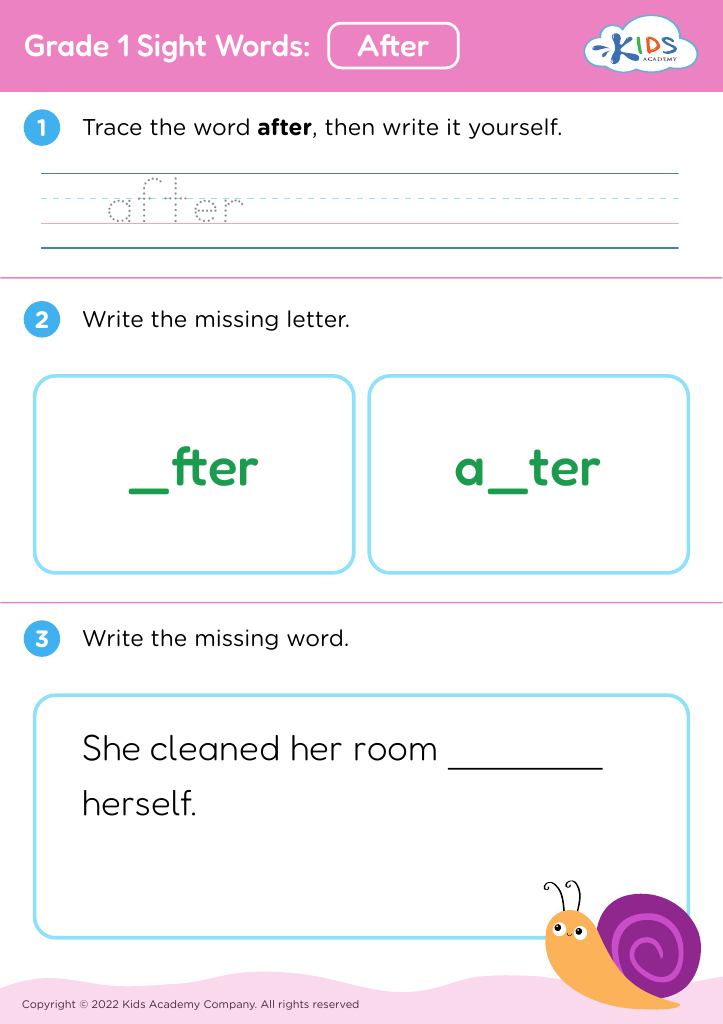
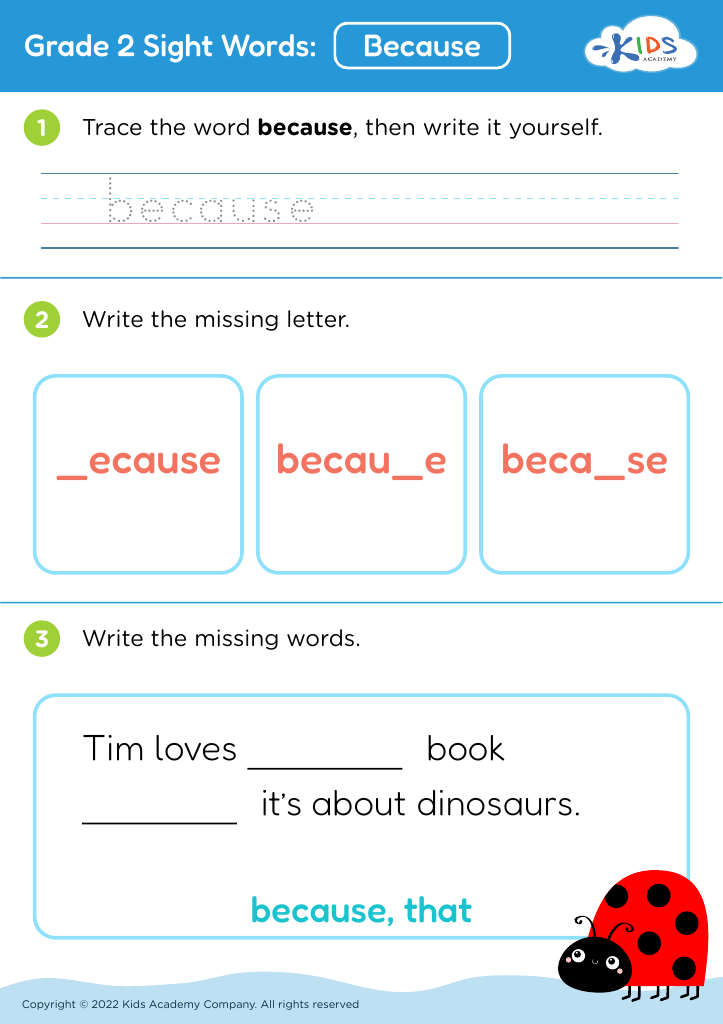
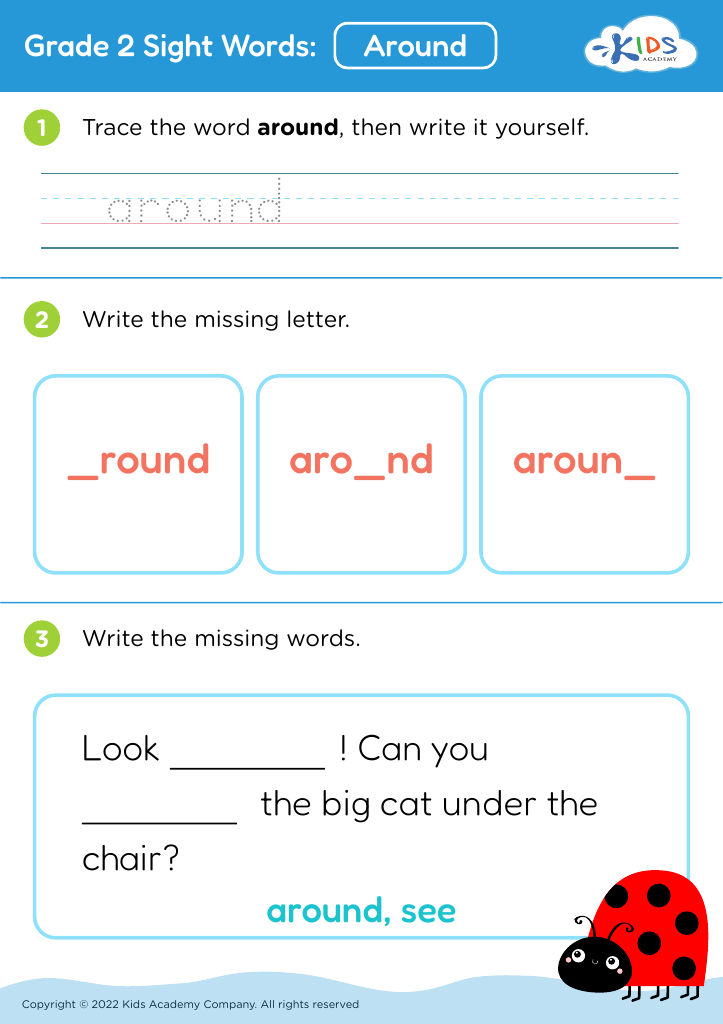
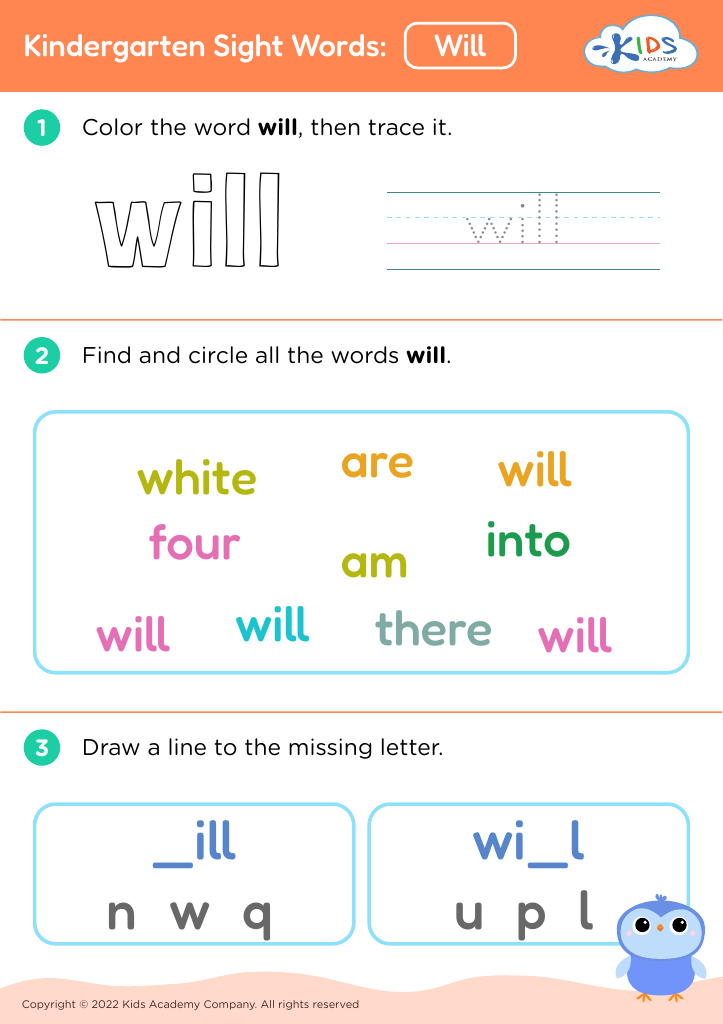
Enhance your child's math and reading skills with our "Comparing Fractions Sight Words Worksheets" designed for ages 6-8. These engaging activities combine essential sight word practice with fundamental fraction comparison exercises, perfect for young learners. Through colorful sheets and interactive tasks, kids strengthen their understanding of fractions while improving vocabulary and reading fluency. Ideal for classroom use or homeschooling, our worksheets offer a fun and effective way to build confidence in both math and literacy. Help your child succeed and enjoy learning with these expertly crafted educational resources!










Parents and teachers should care about teaching Comparing Fractions and Sight Words to children aged 6-8 because these foundational skills pave the way for academic success and everyday functional literacy.
Comparing fractions at a young age helps children develop critical thinking and numerical reasoning skills. Understanding the concept of fractions and how to compare them fosters a strong mathematical foundation necessary for mastering more complex math concepts in subsequent grades. It also enhances problem-solving abilities and logical reasoning, which are crucial for both academic and real-world applications. For instance, knowing how to determine which of two fractions is larger is an essential building block for understanding ratios, proportions, and various scientific concepts.
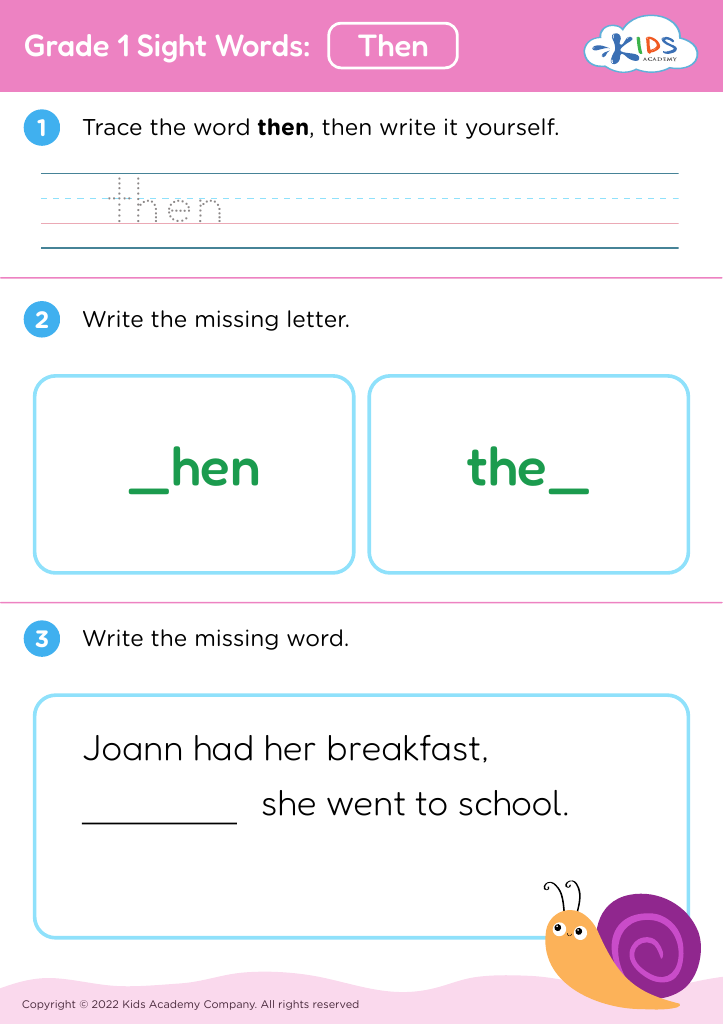
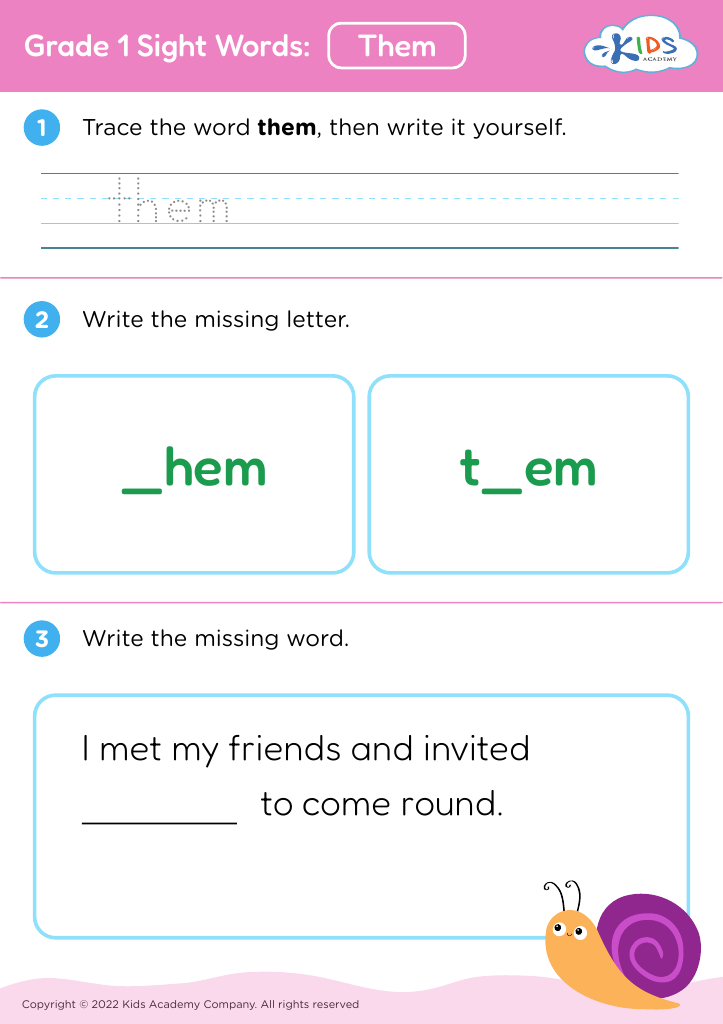
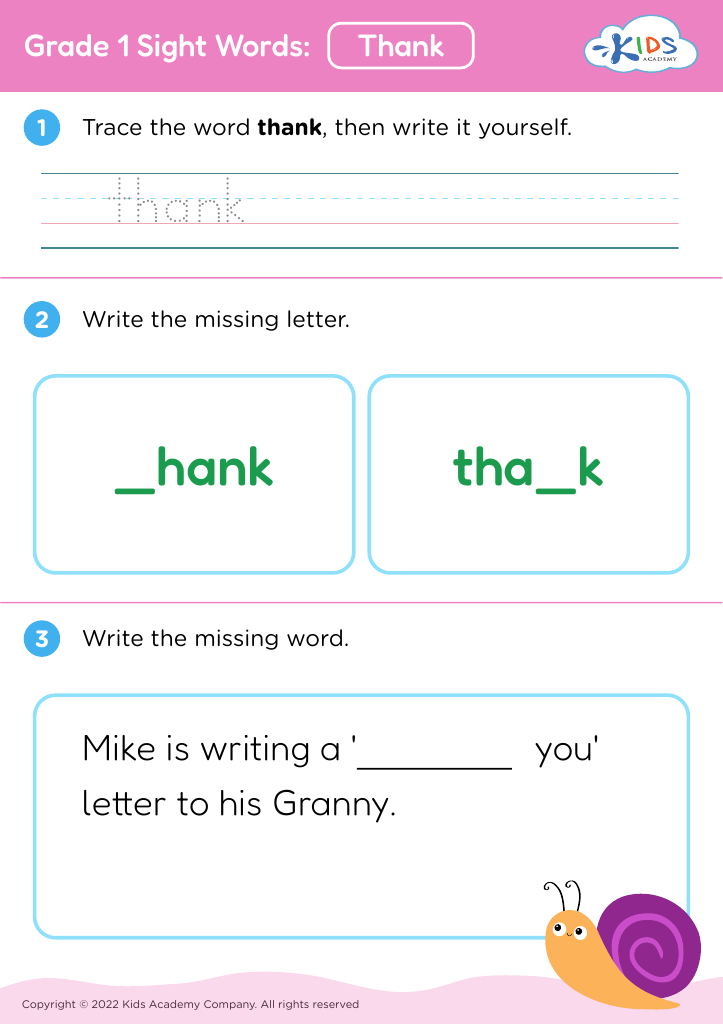
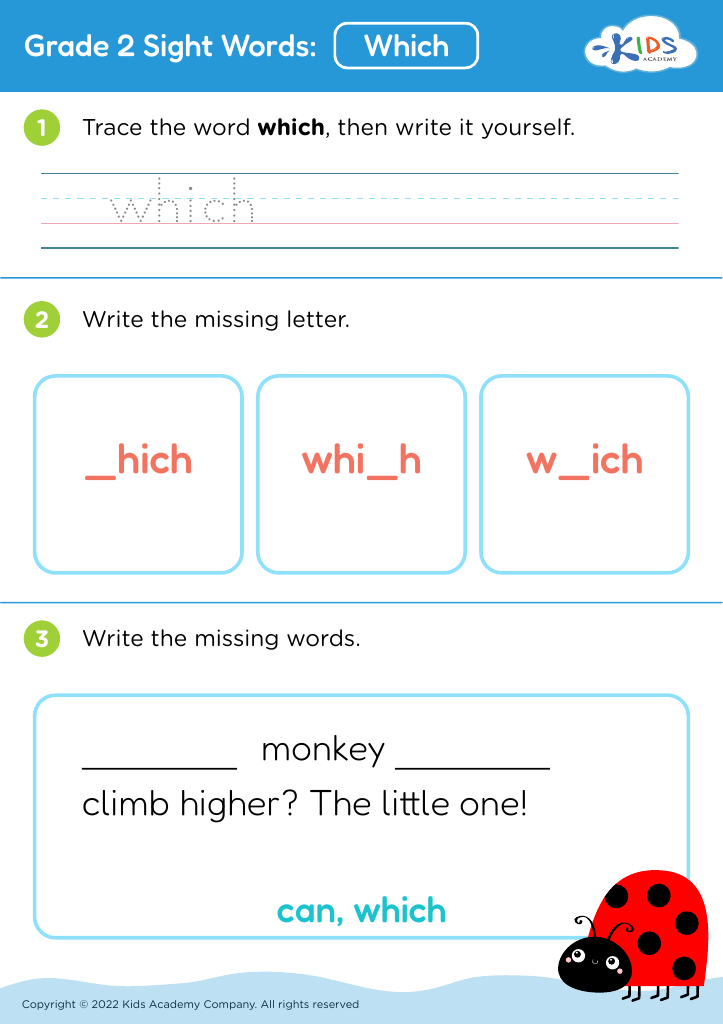
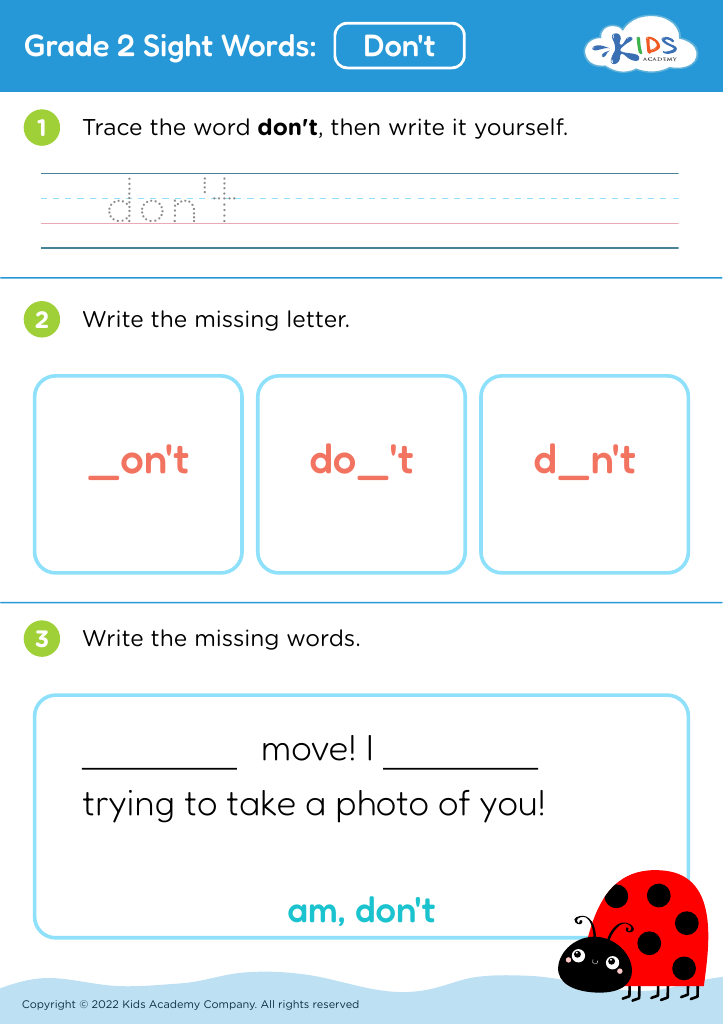
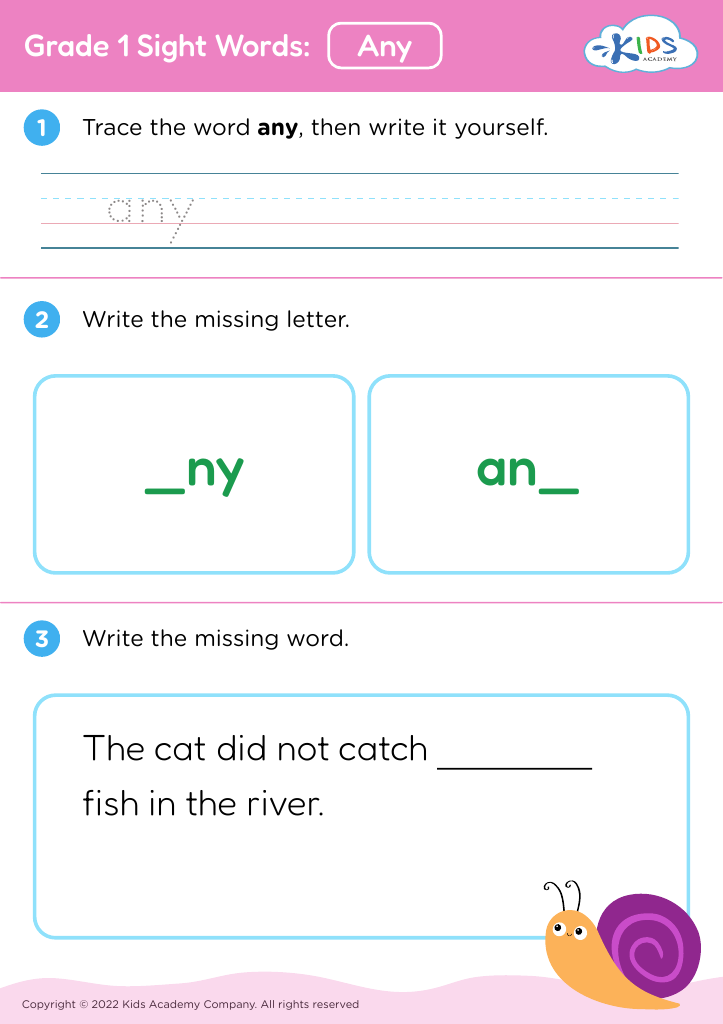
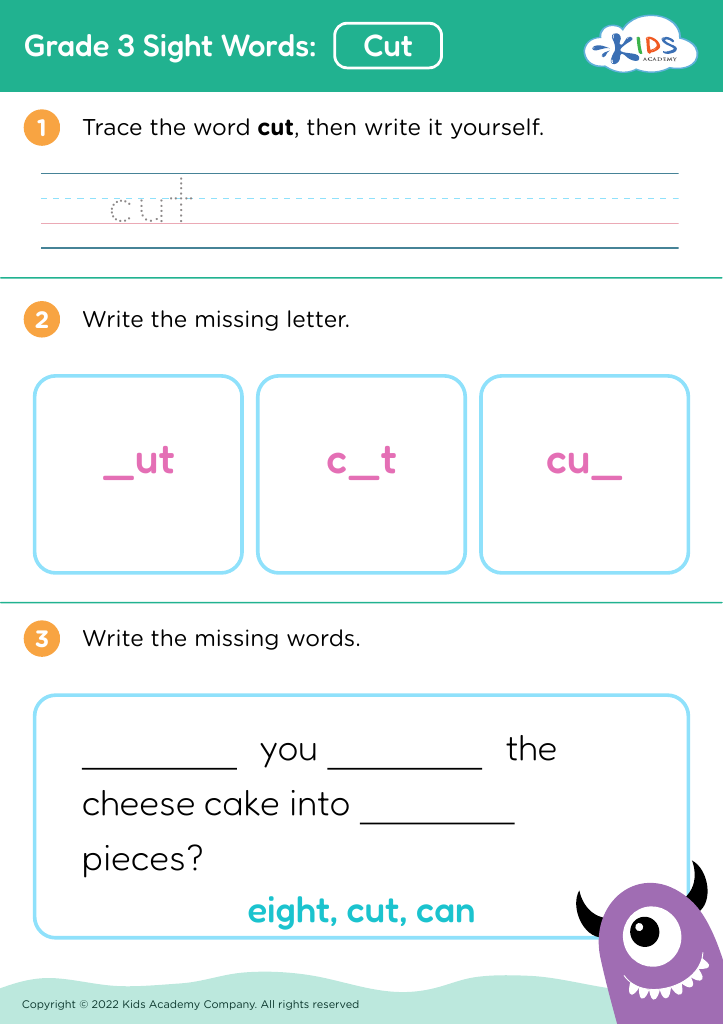
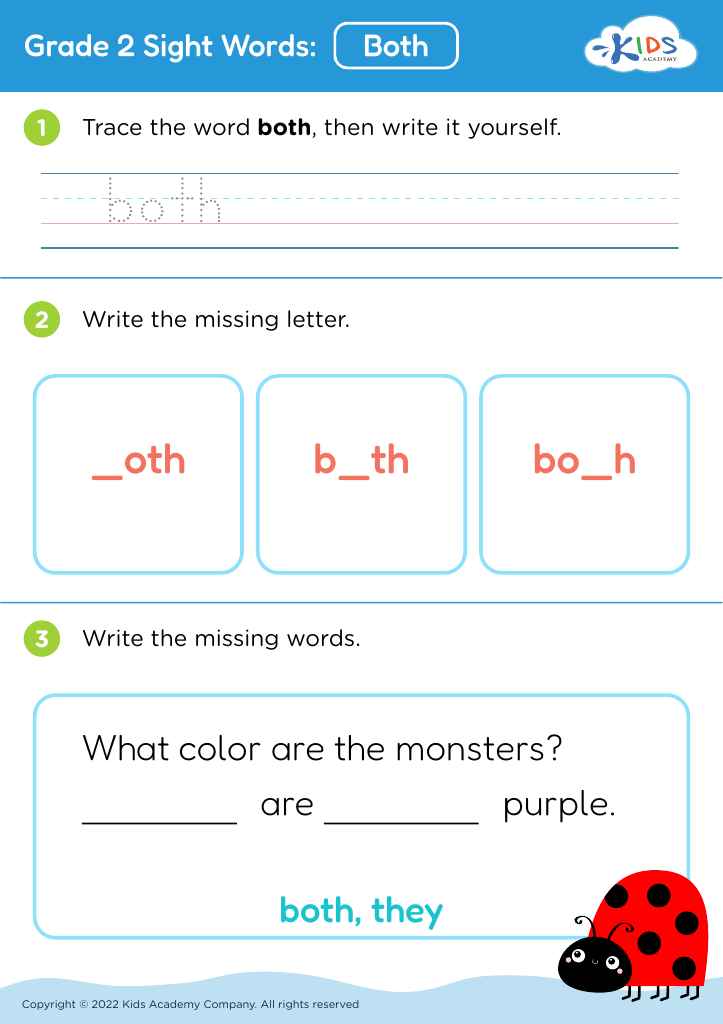
Sight words, on the other hand, are words that children are encouraged to recognize instantly without needing to "sound them out" phonetically. Familiarity with sight words is key to developing reading fluency in young learners. This will significantly improve their comprehension skills and overall reading abilities since sight words often represent some of the most frequently occurring terms in the English language. Rapid recognition of these words allows children to read more smoothly and with greater confidence, which in turn promotes a positive attitude towards reading and learning.
Together, these skills foster a well-rounded cognitive development, making a strong case for their importance in early childhood education.