Fraction comparison Sight Words Worksheets for Ages 6-8
9 filtered results
-
From - To
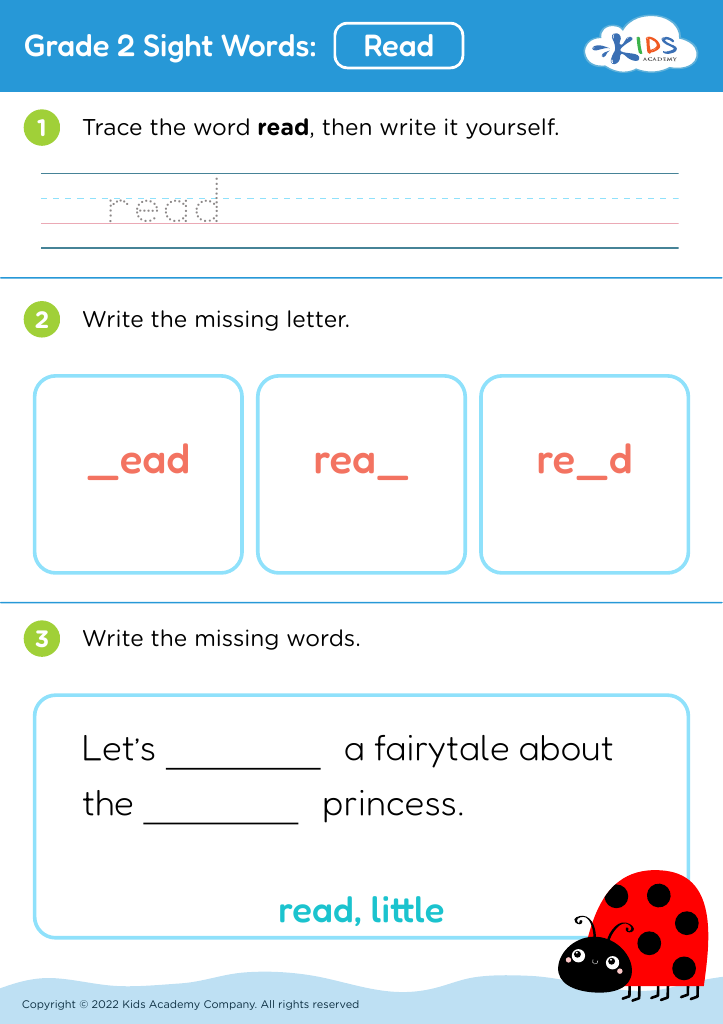
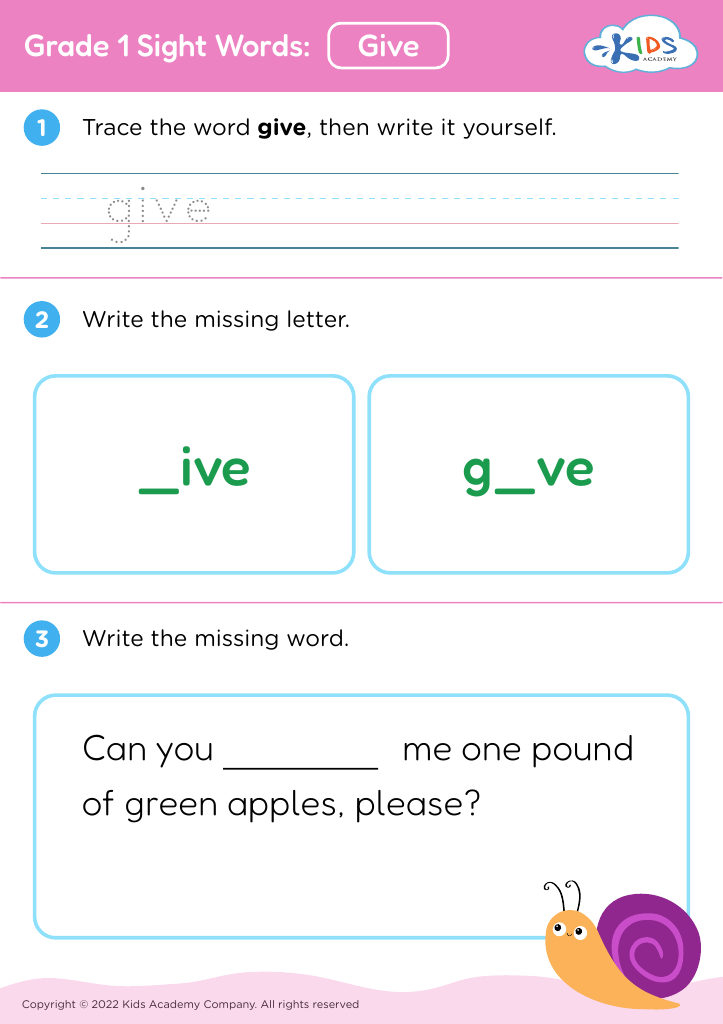
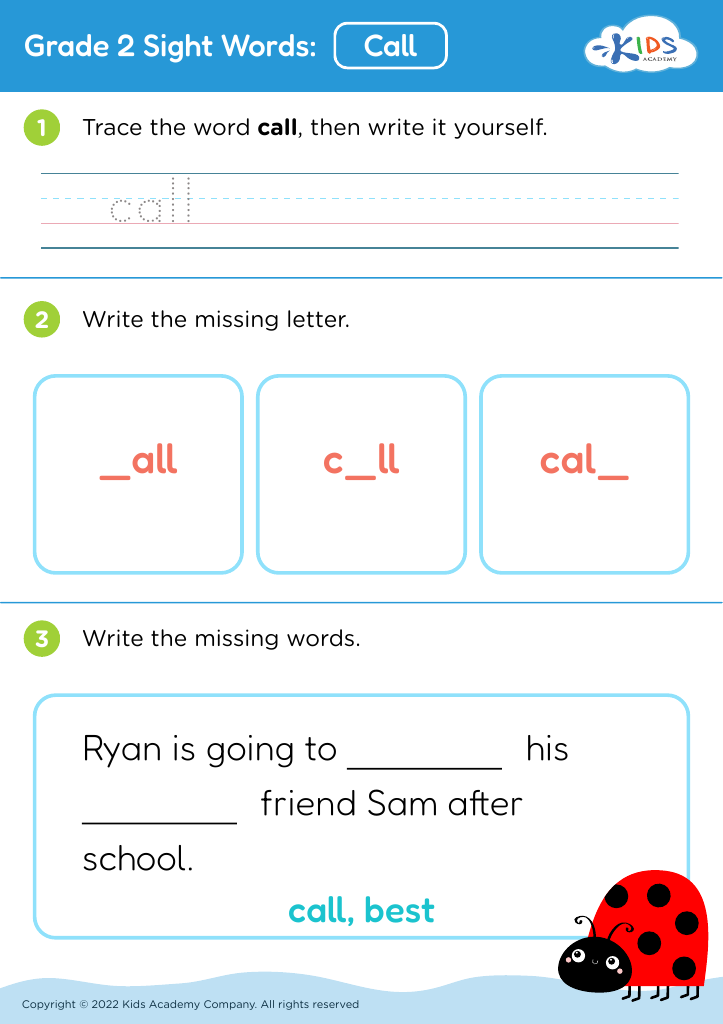
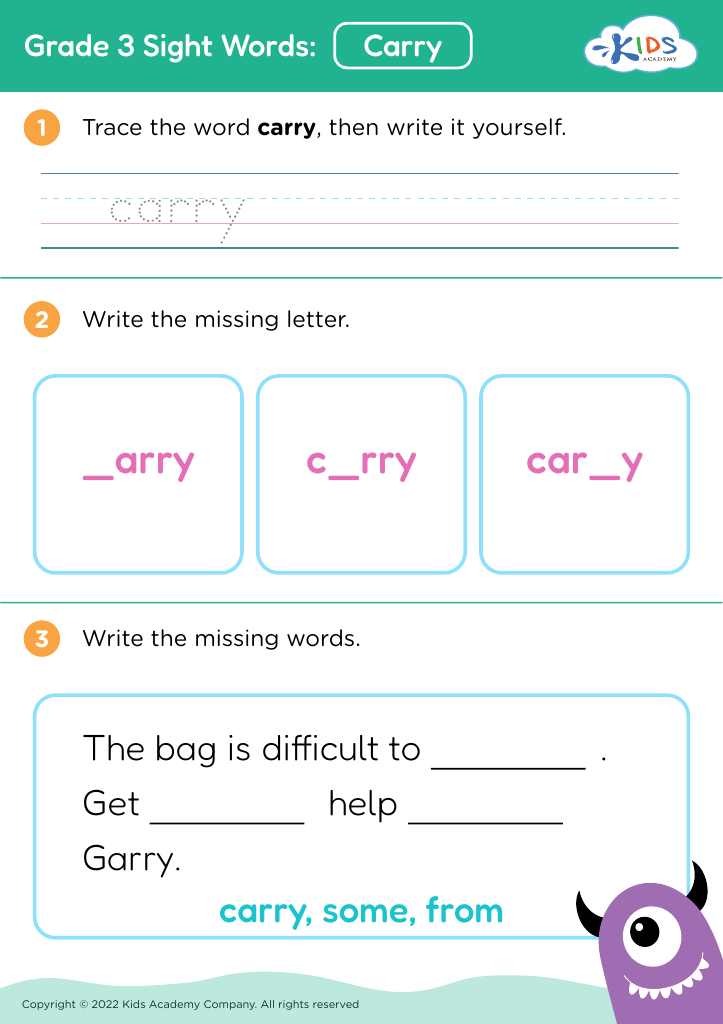
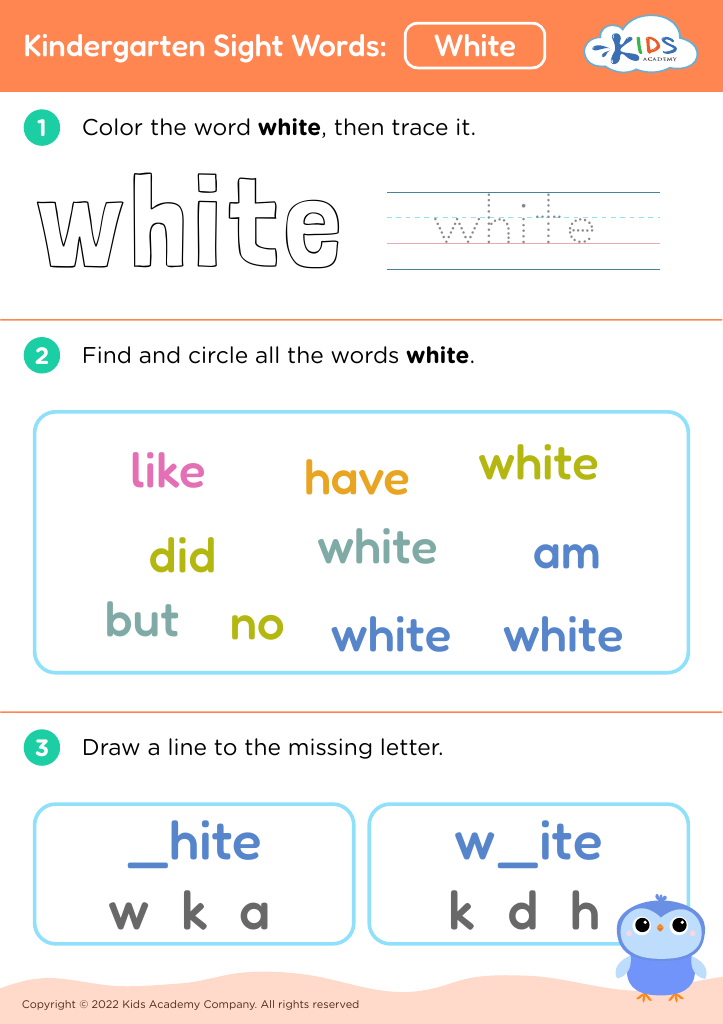
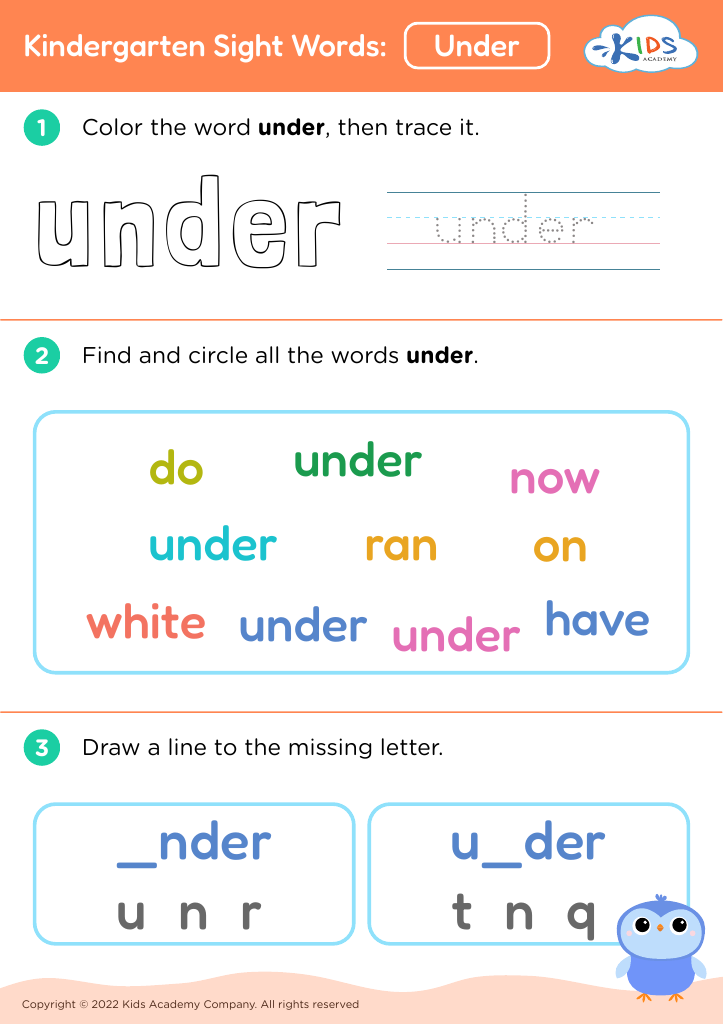
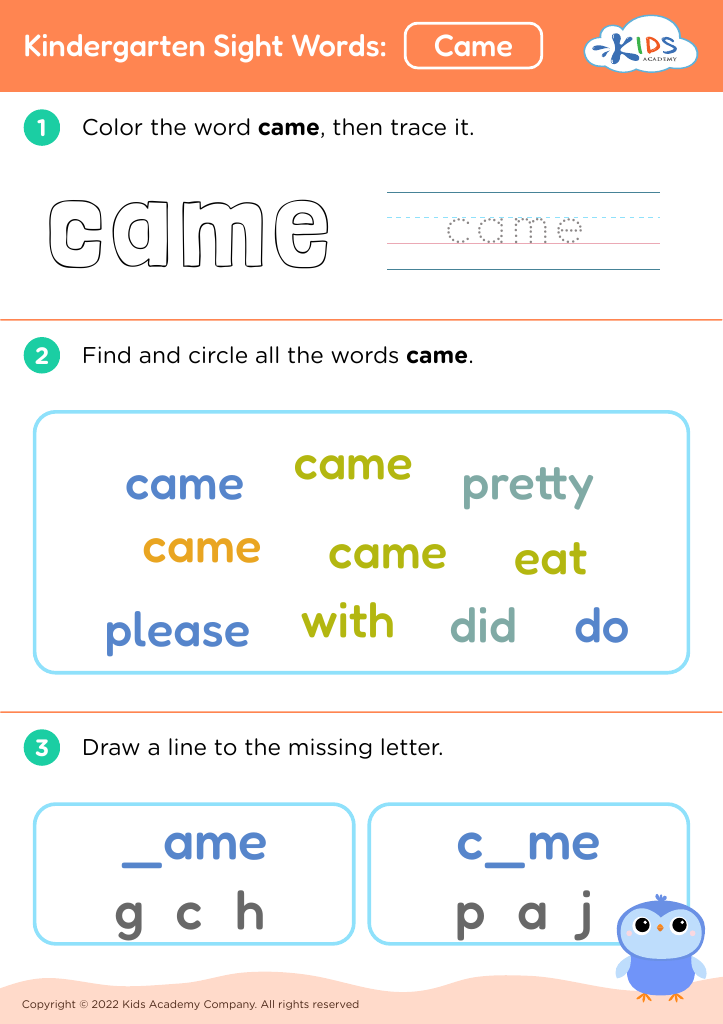
Enhance your child's learning with our Fraction Comparison Sight Words Worksheets designed specifically for ages 6-8. These engaging worksheets seamlessly combine essential sight word recognition with fundamental fraction comparison skills, ensuring a holistic learning experience. Children will practice identifying and comparing fractions while reinforcing their sight word vocabulary through interactive exercises and fun activities. Perfect for both classroom and home use, these worksheets foster confidence in young learners as they master critical math concepts and literacy skills. Download today to give your child the tools they need to succeed in math and reading, and watch them thrive!


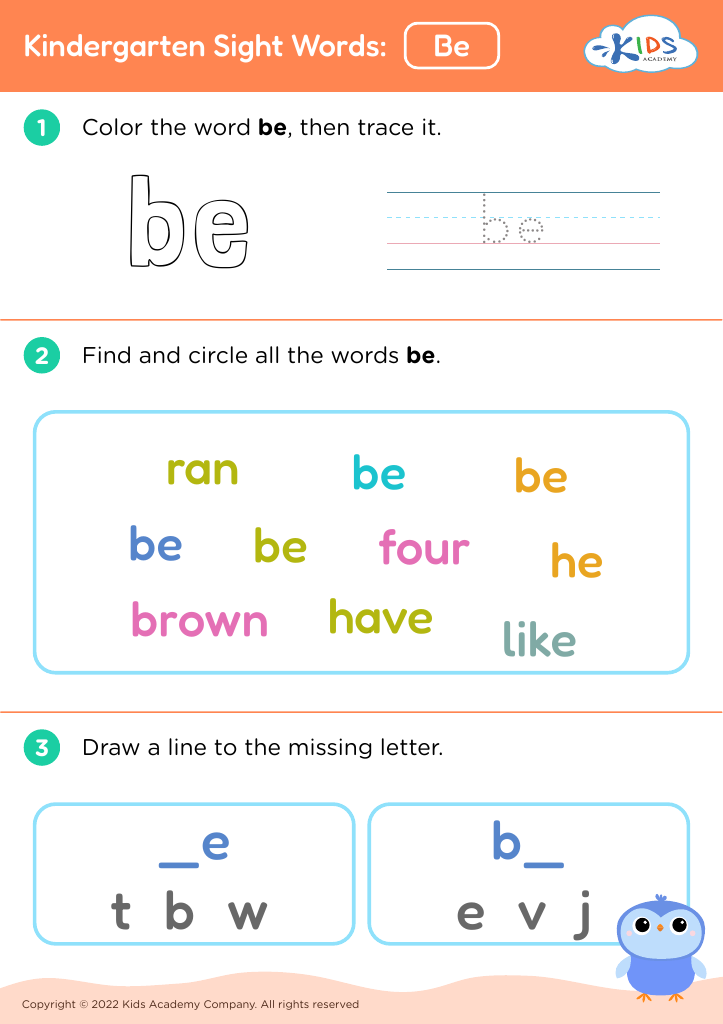




.jpg)



Fraction comparison sight words play a crucial role in building a solid mathematical foundation for children ages 6 to 8. At this stage, students develop their understanding of basic concepts in fractions, and recognizing sight words associated with fractions enhances their comprehension and fluency. These words, such as "greater," "less," and "equal," empower young learners to articulate their reasoning during comparison tasks and problem-solving.
Moreover, incorporating sight words into fraction learning improves students' vocabulary and communication skills, enabling them to express their thoughts clearly. It fosters mathematical discourse in the classroom, as children engage in conversations about their reasoning. As well, addressing sight words helps set the stage for more complex mathematical concepts encountered later in their education.
Parents and teachers should also recognize that early mathematical skills are strongly related to future academic success. Focusing on fraction comparison and the associated terms can boost confidence and interest in math, breaking any potential math anxiety.
Ultimately, integrating fraction comparison sight words into education is a smart investment. It not only enhances mathematical understanding but also cultivates important critical thinking and communication abilities, essential for lifelong learning. Promoting these skills can empower children to approach math with curiosity and confidence.