Practice subtraction Sight Words Worksheets for Ages 6-8
4 filtered results
-
From - To
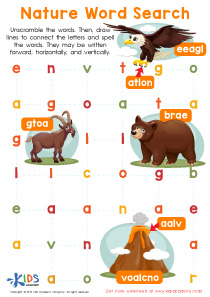
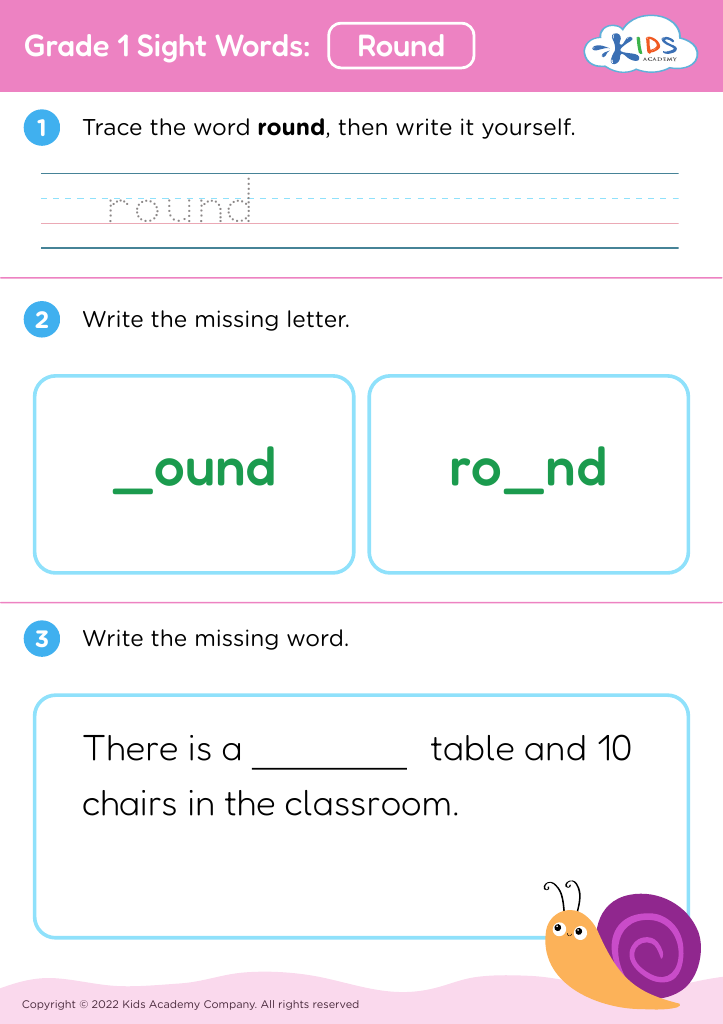
Help your child master essential math and reading skills with our Practice Subtraction Sight Words Worksheets for ages 6-8. These engaging worksheets blend subtraction practice with sight word recognition, enabling children to enhance their mathematical abilities while building a strong foundation for future reading proficiency. Perfect for young learners, each worksheet provides a fun, interactive way to develop critical thinking, boost confidence, and improve accuracy in both subtraction and sight words. Our carefully designed exercises are ideal for classroom use or additional practice at home, making learning enjoyable and effective. Download our worksheets today and watch your child thrive!

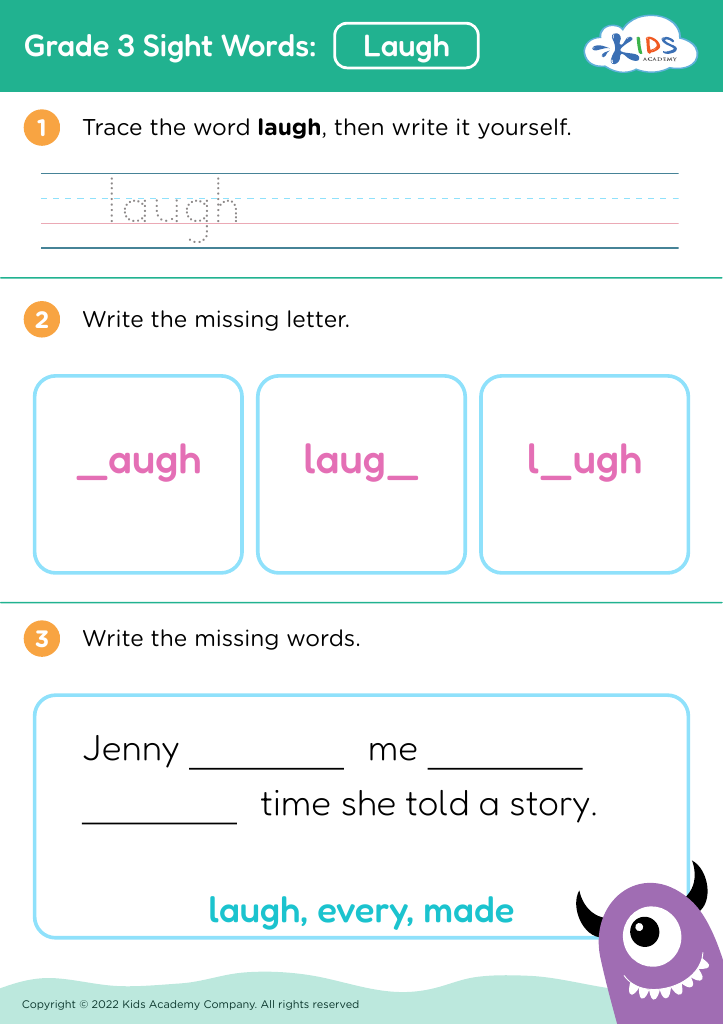
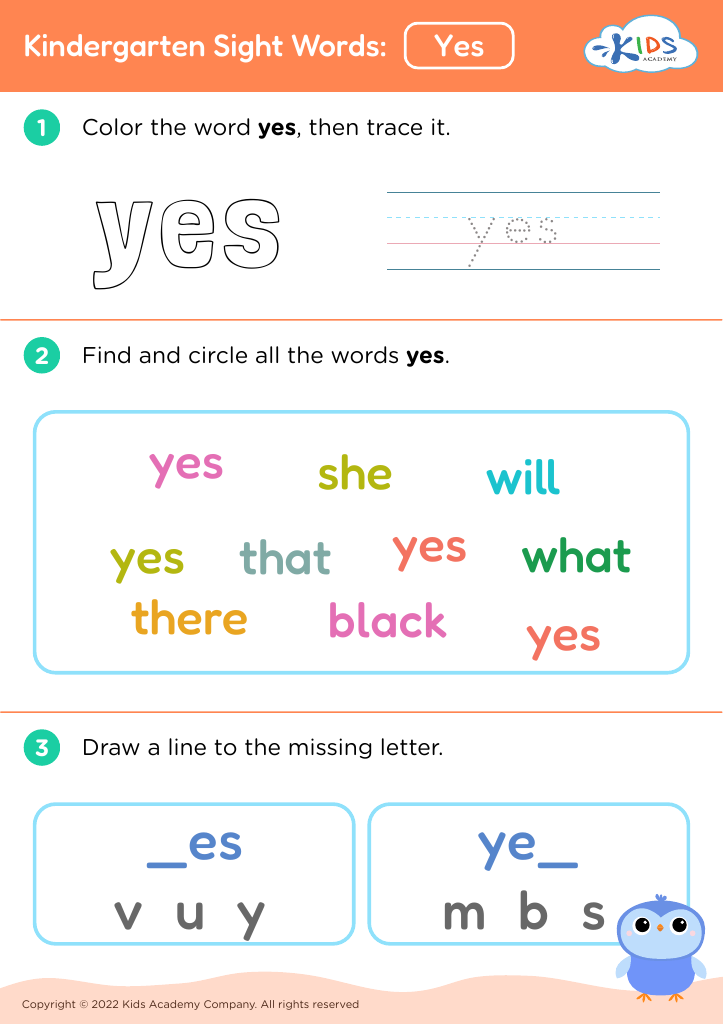





.jpg)


Practice subtraction and sight words for children aged 6-8 is essential for building foundational skills in both mathematics and literacy. For subtraction, consistent practice helps children understand basic mathematical concepts, recognize patterns, and develop problem-solving skills. These abilities are crucial for their future academic success, as math is a cumulative subject where advanced concepts build upon earlier knowledge.
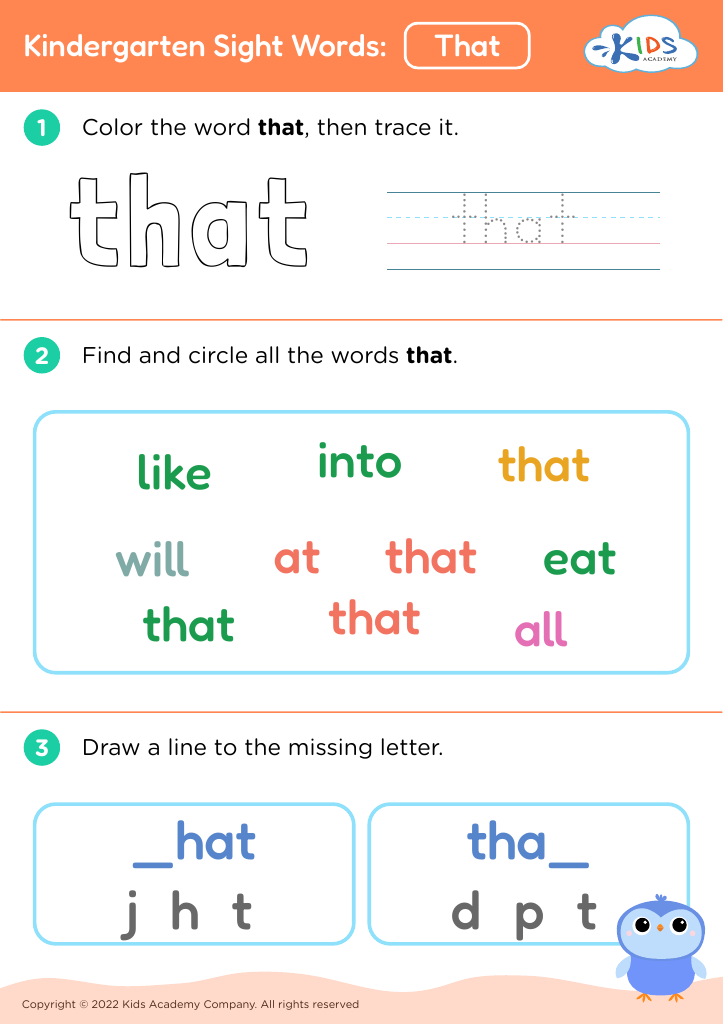
Practicing sight words is equally important. Sight words are common words that often don't follow standard phonetic rules and appear frequently in the English language. By recognizing these words on sight, children can read more fluently and with greater comprehension, which boosts their confidence and fosters a love for reading. Sight word proficiency also aids in expanding vocabulary and improving spelling skills.
For parents and teachers, incorporating regular practice of both subtraction and sight words can make learning engaging and efficient. Using interactive methods, such as games and flashcards, can make these activities enjoyable, motivating children to practice regularly. Support from parents and teachers ensures children receive the reinforcement they need, laying a strong foundation for future academic achievements and fostering a positive attitude towards learning in general.