
Sequencing Skills Animals Worksheets for Ages 6-8
3 filtered results
Difficulty Level
Grade
Age
-
From - To
Subject
Activity
Standards
Enhance your child's early learning journey with our "Sequencing Skills Animals Worksheets for Ages 6-8." These engaging, educator-designed worksheets focus on vital sequencing skills, helping children understand the order of events using familiar animal themes. Perfect for both classroom and at-home learning, our worksheets encourage logical thinking, attention to detail, and comprehension improvement. Each worksheet presents fun, animal-based scenarios where kids arrange events in the correct sequence, bolstering literacy and cognitive abilities. Suitable for young learners aged 6-8, these printable activities make mastering sequencing skills enjoyable and educational. Unlock your child's full potential with our expertly crafted resources today!
Favorites
With answer key
Interactive
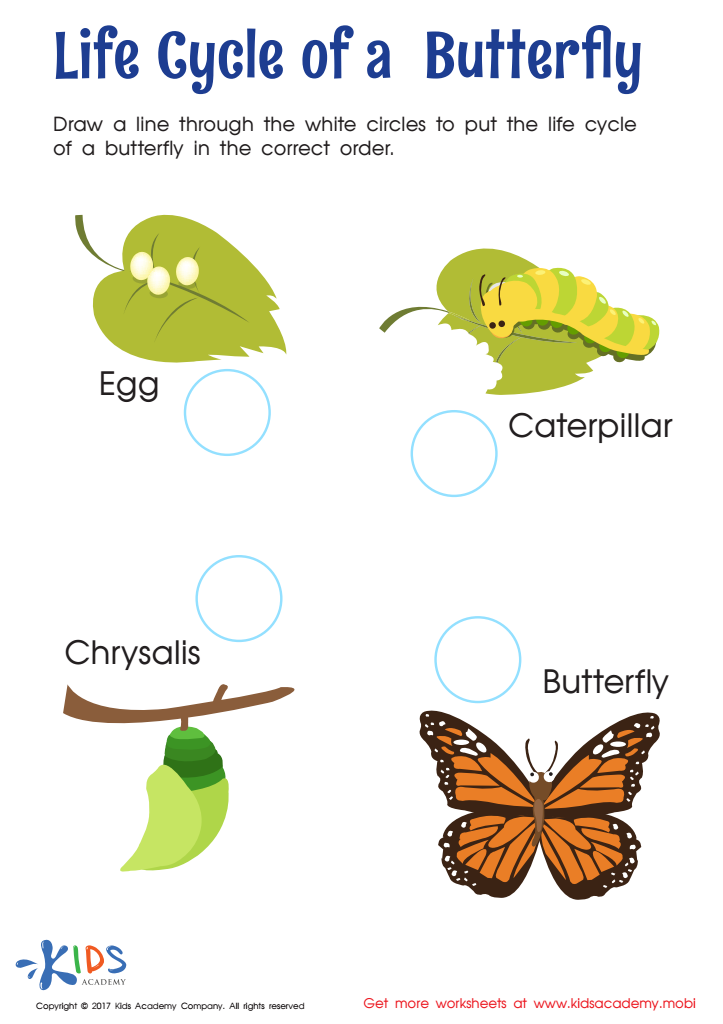
Life Cycle of Butterfly Worksheet
Kids Academy offers an exciting activity – a Life Cycle of a Butterfly Worksheet PDF. It shows four stages in the lifecycle of a butterfly with vivid pictures. Kids put the stages in the correct order to study the lifecycle.
 Assign to My Students
Life Cycle of Butterfly Worksheet
Worksheet
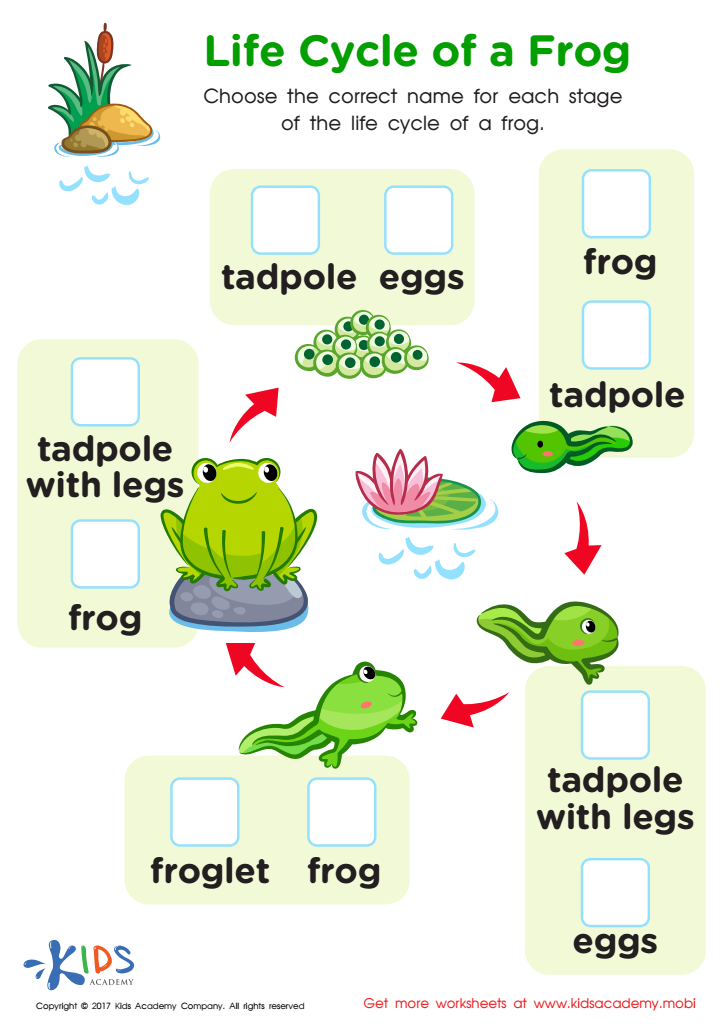
Life Cycle Frog Printable
Kids can explore the life cycle of frog with this fun worksheet! Draw lines from one stage to the next to follow the transformation from tadpole to frog and learn about the cycle of life.
Life Cycle Frog Printable
Worksheet
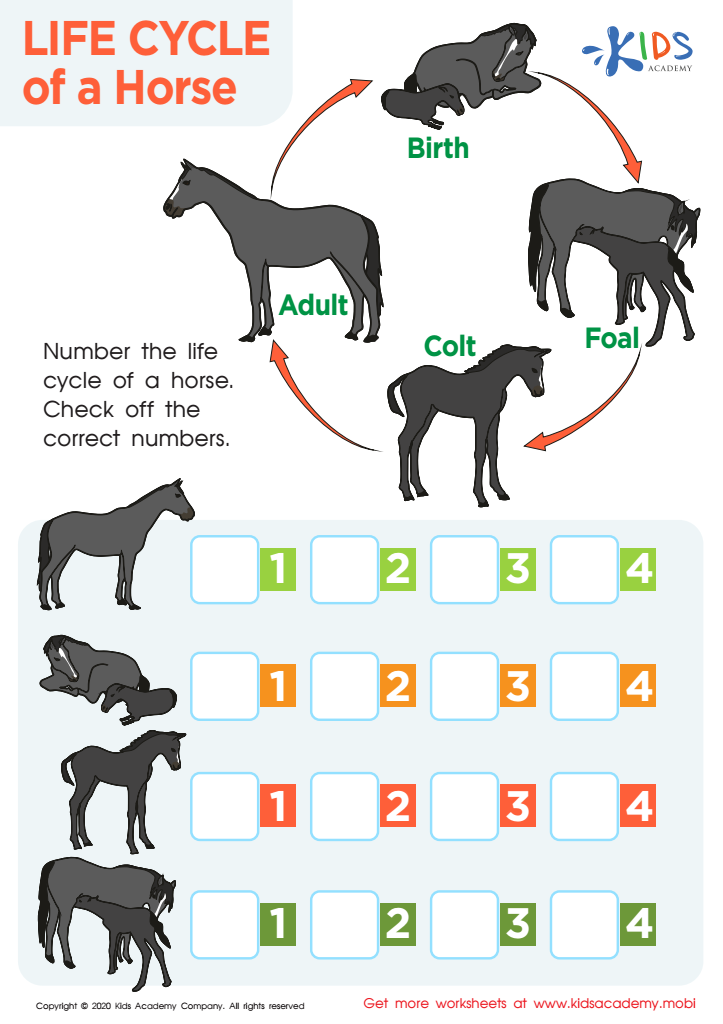
Life Cycle of a Horse Worksheet
Kids Academy's science worksheet on horses' lifecycles offers an engaging way for kids to learn! They'll study the diagram and label each stage of life, from birth to adulthood, and then number the pictures to mark the correct sequence. Fun and educational - a perfect way to get your kids learning!
Life Cycle of a Horse Worksheet
Worksheet
Join Kids Academy for Free
Who is primarily going to use this learning content?



%20(1).jpg)



Sequencing skills are vital for young children, especially for ages 6-8, as they form the foundation for efficient reading comprehension, math problem-solving, and general cognitive development. Integrating sequencing activities that involve animals can be both engaging and educational for children.
For parents and teachers, focusing on sequencing skills means helping children understand the logical order of events. This practice aids in myriad important areas, from grasping the storyline of a book to carrying out scientific experiments in a step-by-step manner. When sequencing is taught using familiar and intriguing subjects like animals, it captures children's attention more effectively.
Activities like arranging animal life cycle stages—egg, caterpillar, pupa, butterfly—help children learn to predict and analyze progression in a fun manner. Such exercises support memory enhancement and logical thinking. Furthermore, understanding animal behaviors and habits in sequence allows children to categorize information better, fostering their ability to make connections across subjects.
By prioritizing these skills, parents and teachers equip children with tools to approach learning tasks more methodically, promoting greater academic success and a lifelong love for learning. Engaged, sequential thinkers are better prepared to tackle complex ideas, making the investment in sequencing skills through relatable, enjoyable content like animals immensely beneficial.








