Reading comprehension Plants Worksheets for Ages 6-8
4 filtered results
Difficulty Level
Grade
Age
-
From - To
Subject
Activity
Standards
Unlock the wonders of nature with our Reading Comprehension Plants Worksheets designed for kids aged 6-8. These engaging worksheets introduce young learners to the fascinating world of plants while enhancing their reading comprehension skills. Each activity is tailored to spark curiosity and encourage critical thinking through colorful illustrations and informative texts about plant life. Students will practice reading, answering questions, and gaining a deeper understanding of how plants grow and thrive in their environment. Perfect for both classroom use and at-home learning, these worksheets create an enjoyable learning experience that nurtures young readers’ love for science and reading.
Favorites
With answer key
Interactive
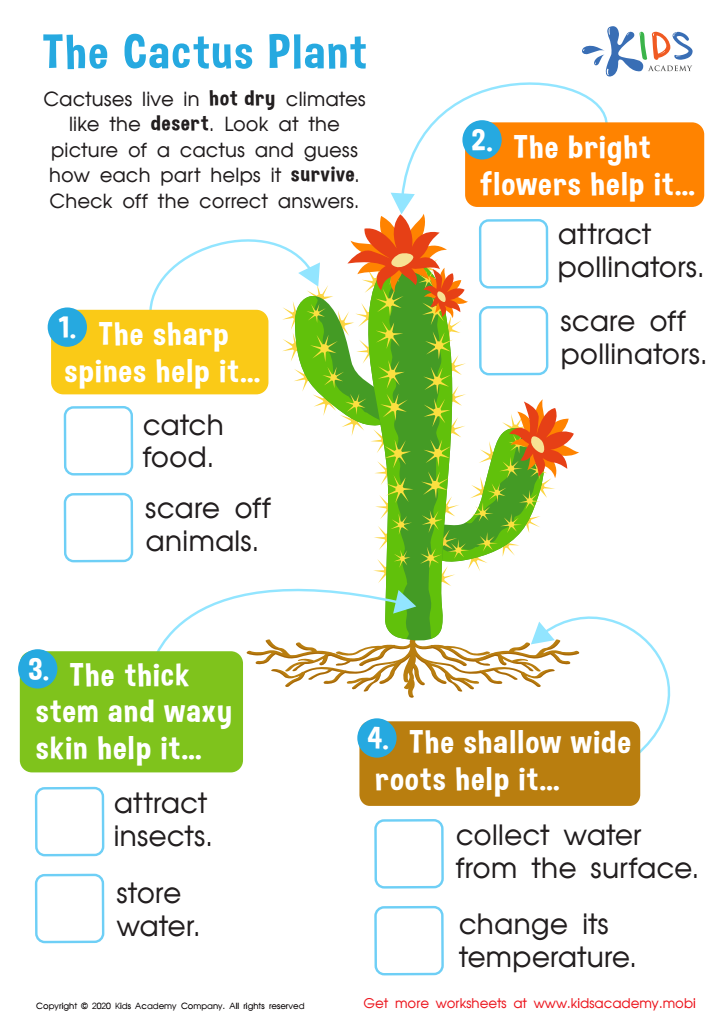
The Cactus Plant Worksheet
Encourage your little scientist to review cacti with this free biology worksheet. Check off the correct answer to show how the cactus survives its harsh desert environment! With sharp spikes and the ability to store water like a camel, the cactus is a remarkable plant that has adapted to its climate.
 Assign to My Students
The Cactus Plant Worksheet
Worksheet
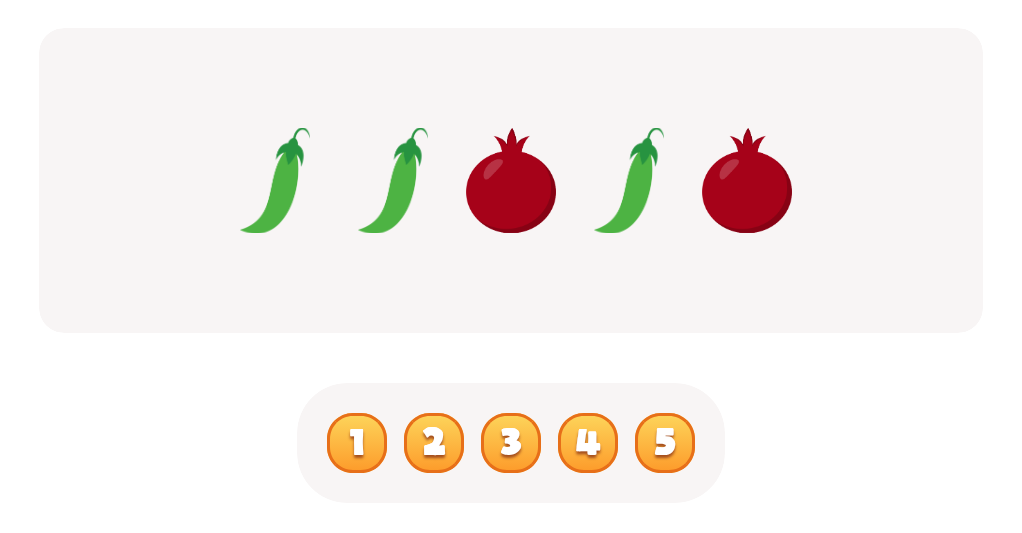

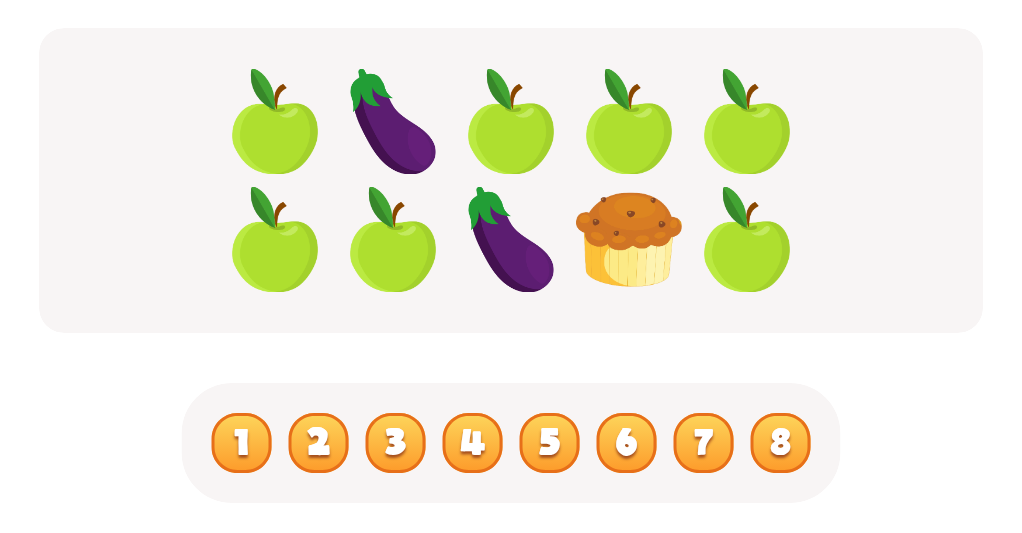
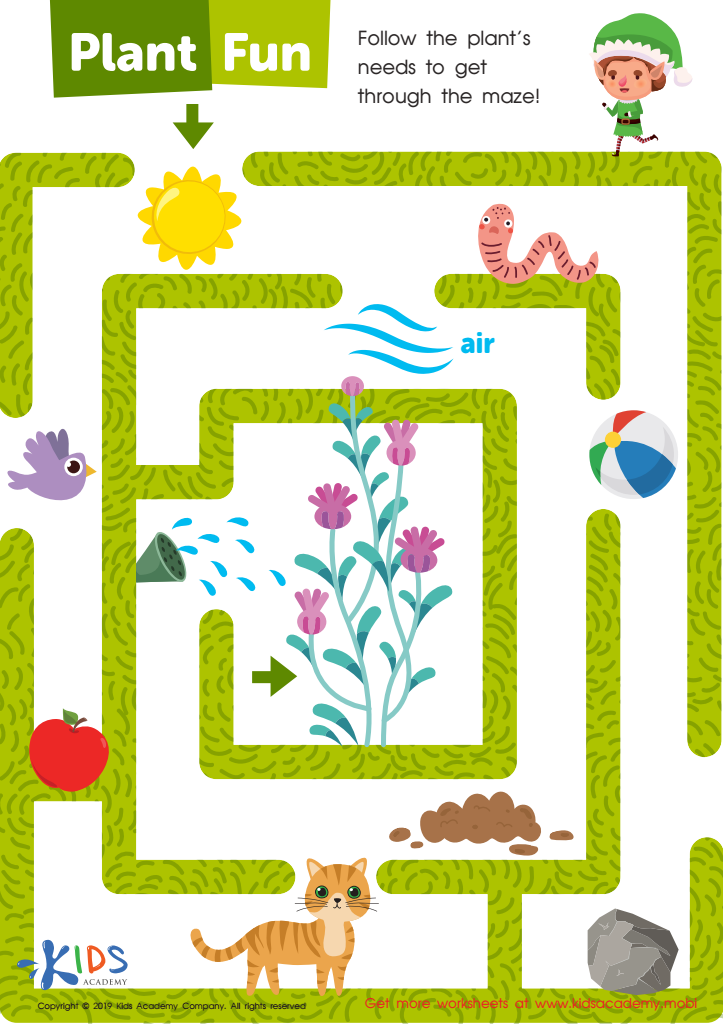
Plant Fun Worksheet
Engage your kid's mind by playing a learning maze! Ask them what plants do for us and what we need to do for the plants to help them grow. Then, help them find their way out of the maze while following the things that plants need.
Plant Fun Worksheet
Worksheet
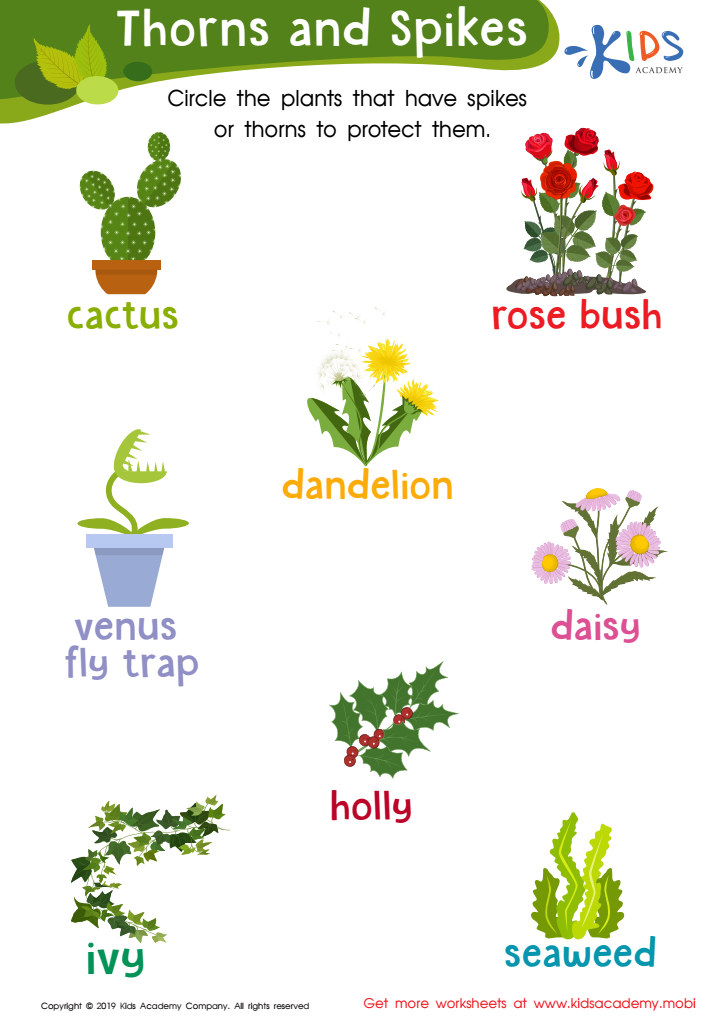
Thorns and Spikes Worksheet
Can your students name and identify the plants and flowers in this worksheet? Ask them to read out the names and circle the ones with spikes or thorns. Help them appreciate nature's beauty and understand how plants protect themselves.
Thorns and Spikes Worksheet
Worksheet
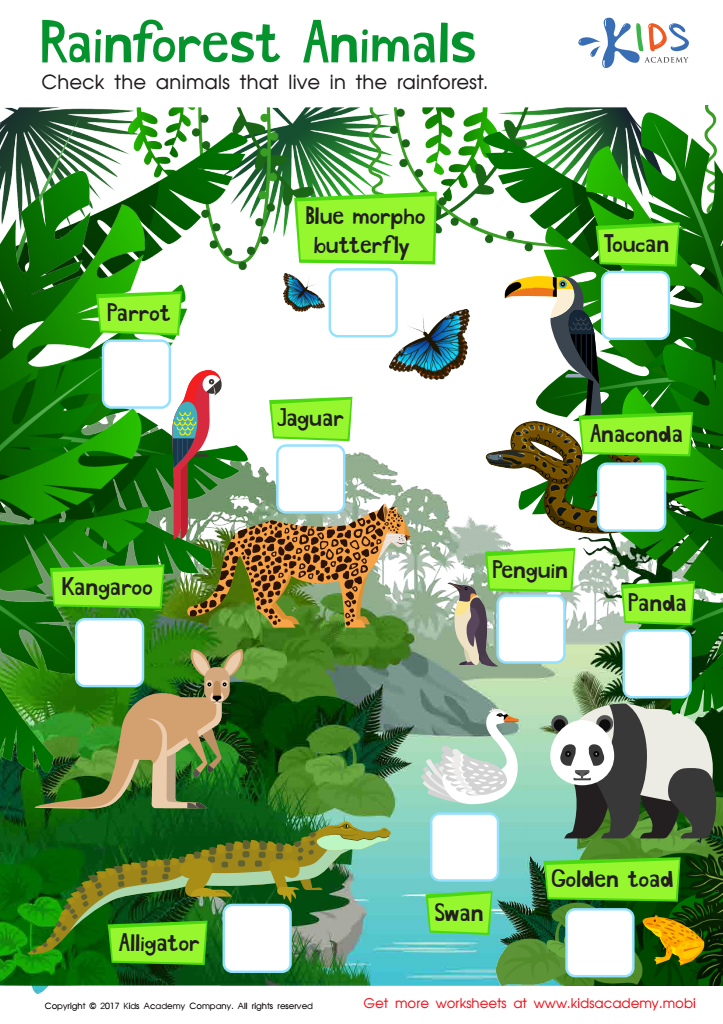
Rainforest Animals Worksheet
Kids love the bright, vivid pics of rainforest animals in this worksheet. It fuels their interest in life science and brings joy to their learning. It encourages them to study these animals in detail.
Rainforest Animals Worksheet
Worksheet
Join Kids Academy for Free
Who is primarily going to use this learning content?







Reading comprehension is a crucial skill for children aged 6-8, particularly when it comes to understanding plants and their importance in our world. For parents and teachers, fostering this comprehension can significantly enhance children's knowledge and curiosity about nature.
At this age, children are developing critical thinking and analytical skills. By integrating reading comprehension focused on plants, educators can help children grasp essential concepts about ecosystems, photosynthesis, and biodiversity. Understanding these topics not only enriches their vocabulary but also ignites a passion for science and the environment.
Furthermore, comprehension goes beyond mere recall; it encourages children to connect concepts with their surroundings, fostering observational skills. When children engage with texts about plants, they learn to draw connections between the text and their environment, leading to a deeper appreciation for nature.
Additionally, strong reading comprehension lays the groundwork for academic success across subjects. Children who can interpret and analyze text are better equipped to tackle complex information later in their academic journeys. Overall, investing time in reading comprehension about plants nurtures informed, environmentally conscious individuals and promotes lifelong learning. Parents and teachers play a pivotal role in this developmental process, encouraging curiosity and appreciation for the natural world.