Fine Motor Skills Community Worksheets for Ages 6-8
3 filtered results
-
From - To
Enhance your child's fine motor skills with our engaging Community Worksheets designed for ages 6-8. These interactive resources focus on activities that promote hand-eye coordination, dexterity, and control through various tasks related to community themes. From cutting and pasting to tracing and coloring, our worksheets provide a fun and educational way for children to practice essential skills needed for everyday tasks. Tailored for young learners, these activities encourage creativity while fostering confidence and independence. Explore our collection today and support your child's development with stimulating exercises that integrate learning about their community! Perfect for both home and classroom use.
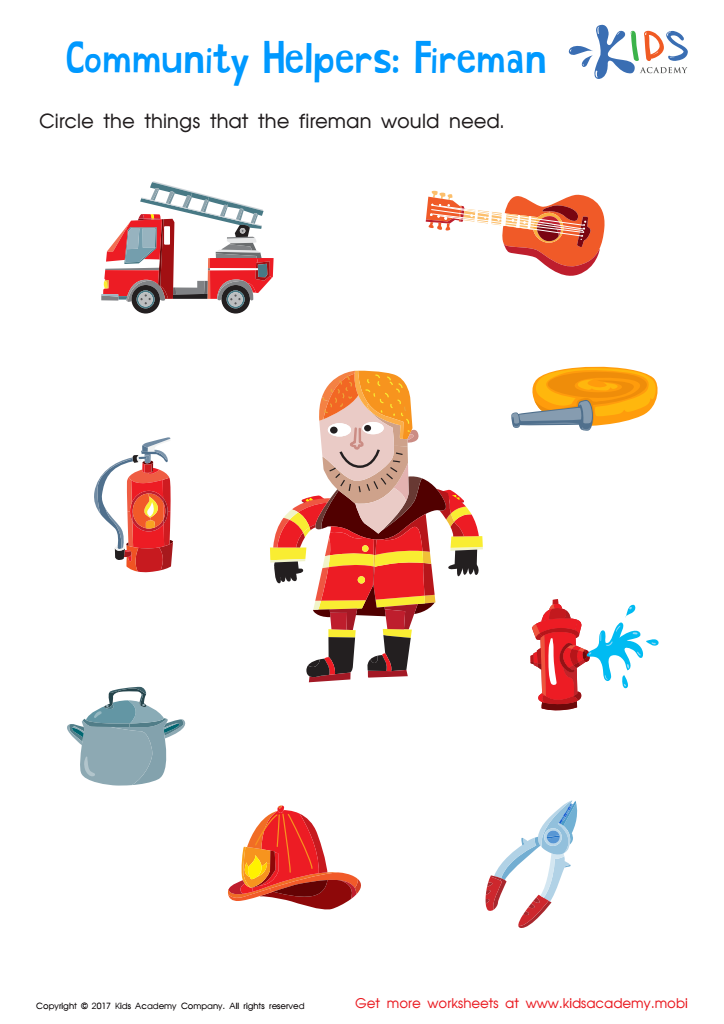
Fireman Worksheet
 Assign to My Students

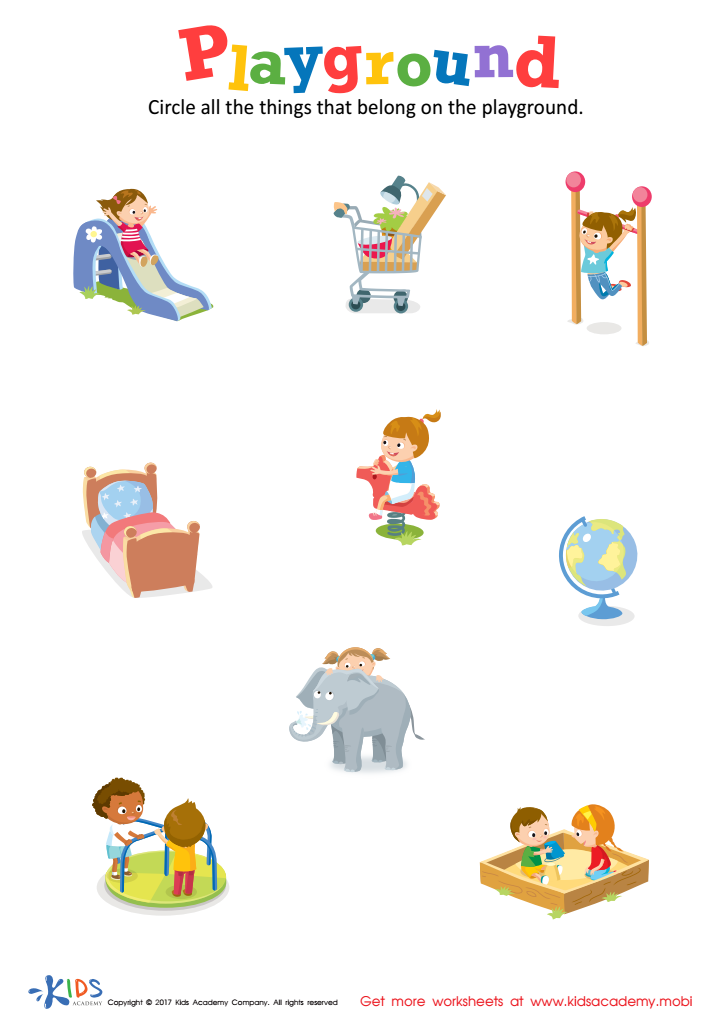
Playground Worksheet








Parents and teachers should prioritize Fine Motor Skills development in children aged 6-8 because these skills are foundational for a range of essential tasks and overall growth. Fine Motor Skills involve the ability to use small muscles, particularly in the hands and fingers, to perform tasks like writing, drawing, cutting, and tying shoelaces. These skills directly contribute to a child’s academic performance and independence.
During this developmental stage, enhancing Fine Motor Skills can impact a child’s ability to focus and execute tasks successfully in the classroom. Children who struggle with these skills may experience frustration or a lack of confidence, impacting their willingness to participate in classroom activities. Moreover, these skills are critical for activities beyond academics; they play a role in personal care, social interactions, and hobbies.
Incorporating engaging, hands-on activities, such as arts and crafts, puzzles, and games, can effectively enhance these skills in a fun way. By caring about and actively fostering Fine Motor Skills, parents and teachers can support children’s cognitive, emotional, and social development, laying a solid foundation for lifelong learning and success. In a cooperative community focused on skill-building, children also benefit from shared experiences and peer support, enriching their overall educational journey.








