Logical Reasoning Community Worksheets for Ages 6-8
3 filtered results
-
From - To
Welcome to our "Logical Reasoning Community Worksheets for Ages 6-8" page, designed to enhance critical thinking and problem-solving skills in young learners. These engaging worksheets introduce children to various community scenarios, encouraging them to analyze information, make connections, and develop logical reasoning abilities. Perfect for both classroom and home learning, our grade-appropriate activities include puzzles, matching exercises, and interactive challenges that keep kids motivated and excited to learn. As they explore their community, children will build essential skills, prepare for future academic success, and cultivate a deeper understanding of their environment. Start your logical reasoning journey today!
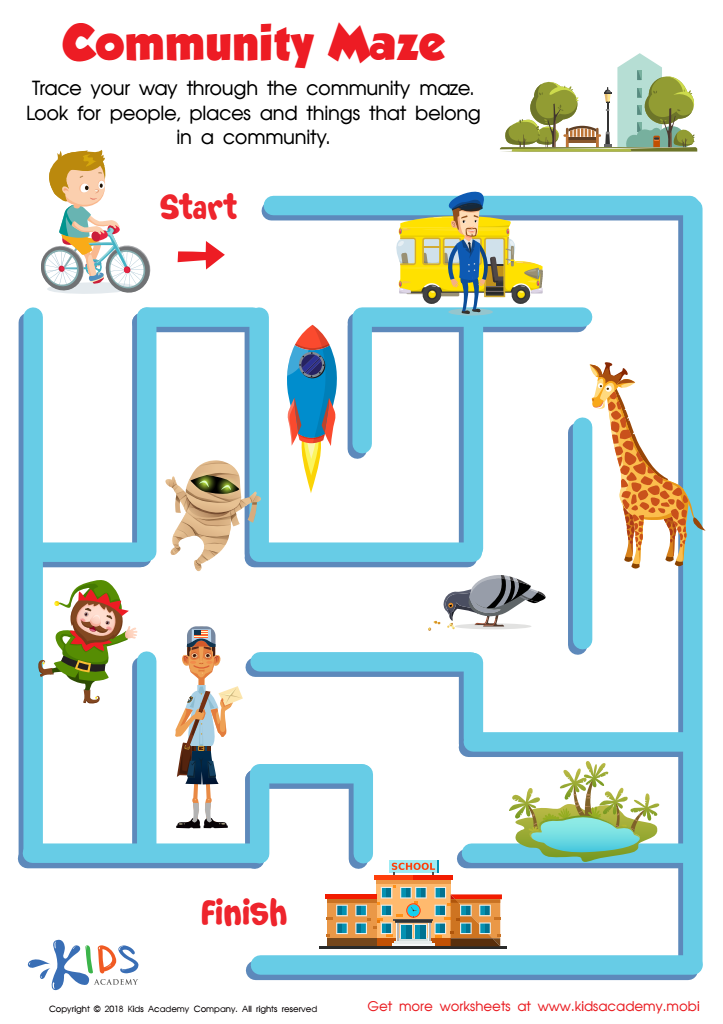
Community Maze Worksheet
 Assign to My Students
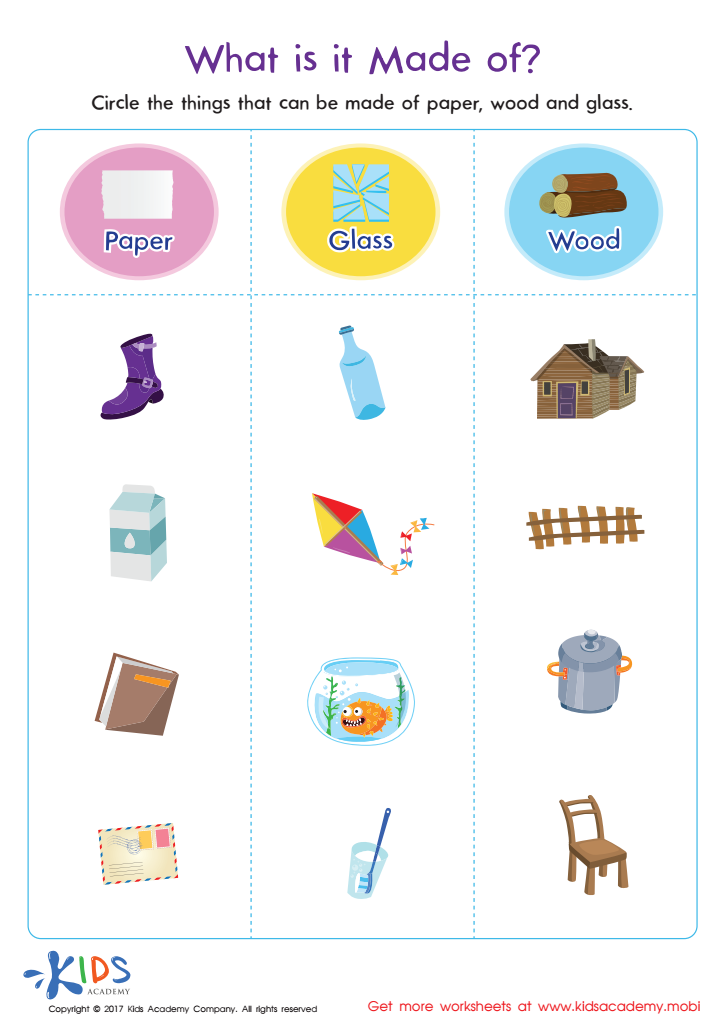
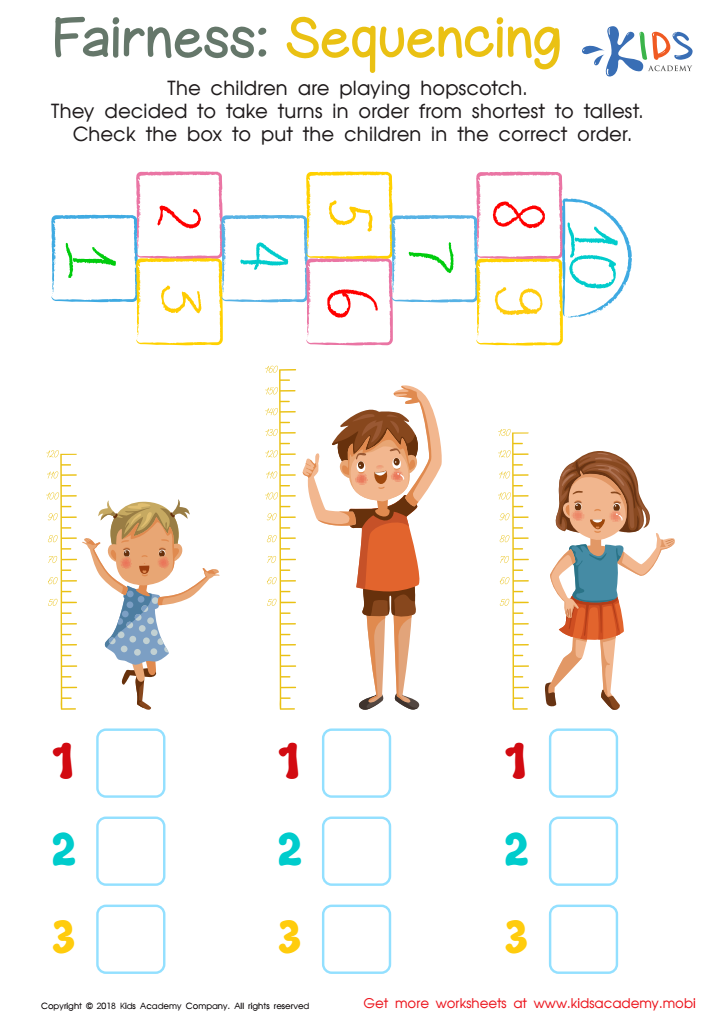
Fairness: Sequencing Worksheet








Parents and teachers should care about a Logical Reasoning Community for Ages 6-8 because it fosters critical thinking and problem-solving skills in young learners. At this age, children are naturally curious and eager to explore their world, making it an ideal time to cultivate logical reasoning abilities. Engaging in logical reasoning activities encourages them to analyze situations, understand cause-and-effect relationships, and draw conclusions from various scenarios.
Furthermore, such a community provides a collaborative environment where children can exchange ideas, learn from peers, and improve communication skills. It can enhance their cognitive development, making them more adept at tackling challenges, both academic and everyday. In addition, fostering logical reasoning aligns with 21st-century skills like creativity, collaboration, and adaptability, which are crucial for lifelong learning.
Moreover, a Logical Reasoning Community helps in building self-confidence. Children who practice reasoning with others feel empowered and more willing to take intellectual risks. This support can translate to a greater enthusiasm for learning, ensuring academic success in advanced subjects later on. Overall, investing in logical reasoning at this formative stage can create stronger, more independent thinkers ready to navigate the complexities of future education and life.








