Filters

7 filtered results

Clear all filters
Favorites
With answer key
Interactive

7 filtered results

Difficulty Level

Grade


Enhance your child’s spelling skills with our engaging Consonants Worksheets, specially designed for ages 6-9. These practice sheets focus on helping young learners recognize, spell, and use consonants correctly in various words. Featuring fun activities, such as crossword puzzles, missing letter tasks, and word unscrambles, these worksheets make learning to spell both exciting and educational. Ideal for early grade students, our printable resources assist in building a strong foundation in spelling and literacy. Explore these interactive exercises to help your child improve their spelling abilities and boost their confidence in reading and writing.

Check out this FREE Trial Lesson on Consonants for age 6-9!

Review Blends

Favorites
With answer key
Interactive
  • 6-9
  • Spelling practice
  • Consonants
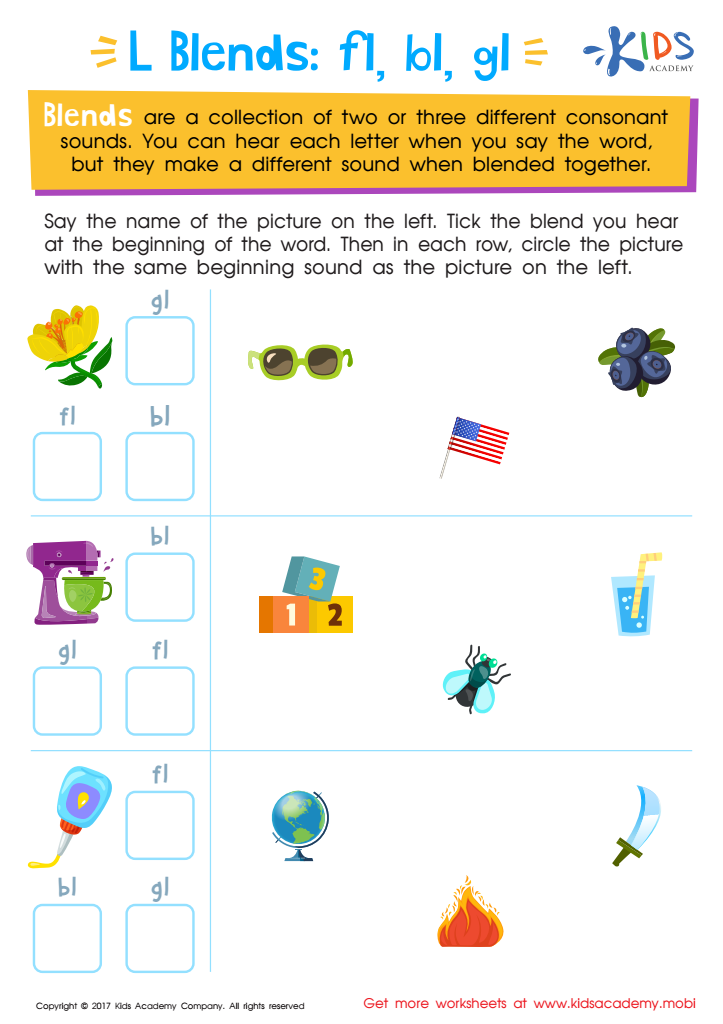
Consonant Blend Fl, Bl, and Gl Printable Worksheet

Blending Consonants: "Fl", "Bl" and "Gl" Printable

Help your child master consonant blends Fl, Bl, and Gl with this printable worksheet. Find words associated with the pictures and learn to better understand the difference between consonant blends. Vibrant images motivate and aid in learning. Download now for improved phonics success!
Blending Consonants: "Fl", "Bl" and "Gl" Printable
Worksheet
Let's Look for Consonants Worksheet

Let's Look for Consonants Worksheet

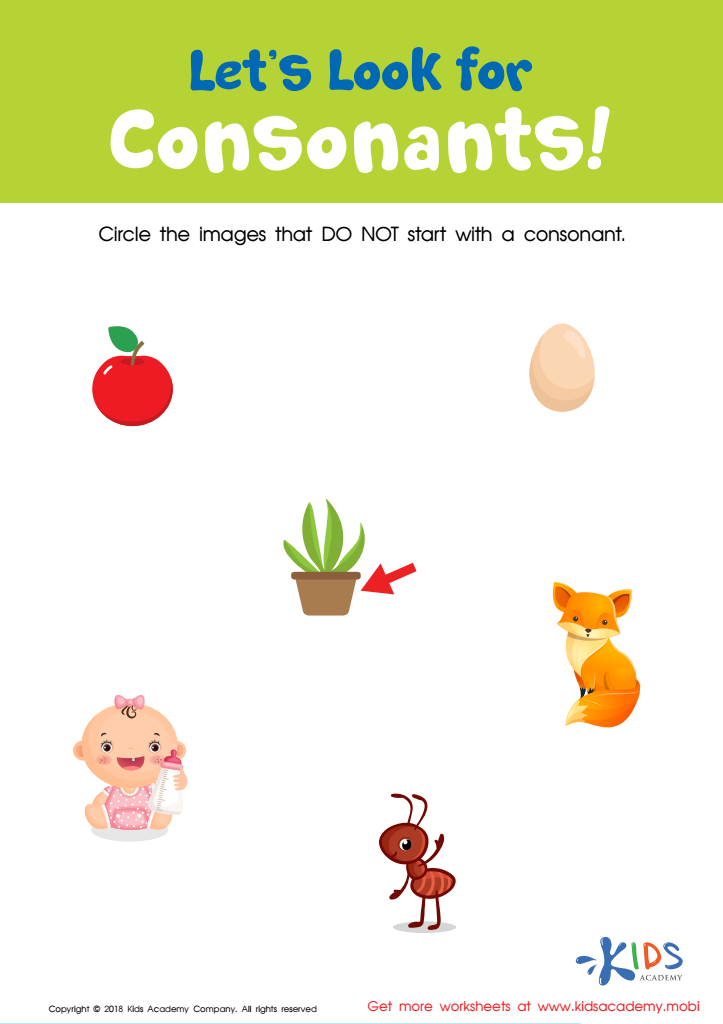
Help kids learn consonants and words that start with them. Ask them to recite the alphabet, then explain consonants are all letters but the 5 vowels. Use the worksheet to ask them to circle items without a consonant. Emphasize that's 21 consonants.
Let's Look for Consonants Worksheet
Worksheet
The /th/ Sound Worksheet

The /th/ Sound Worksheet

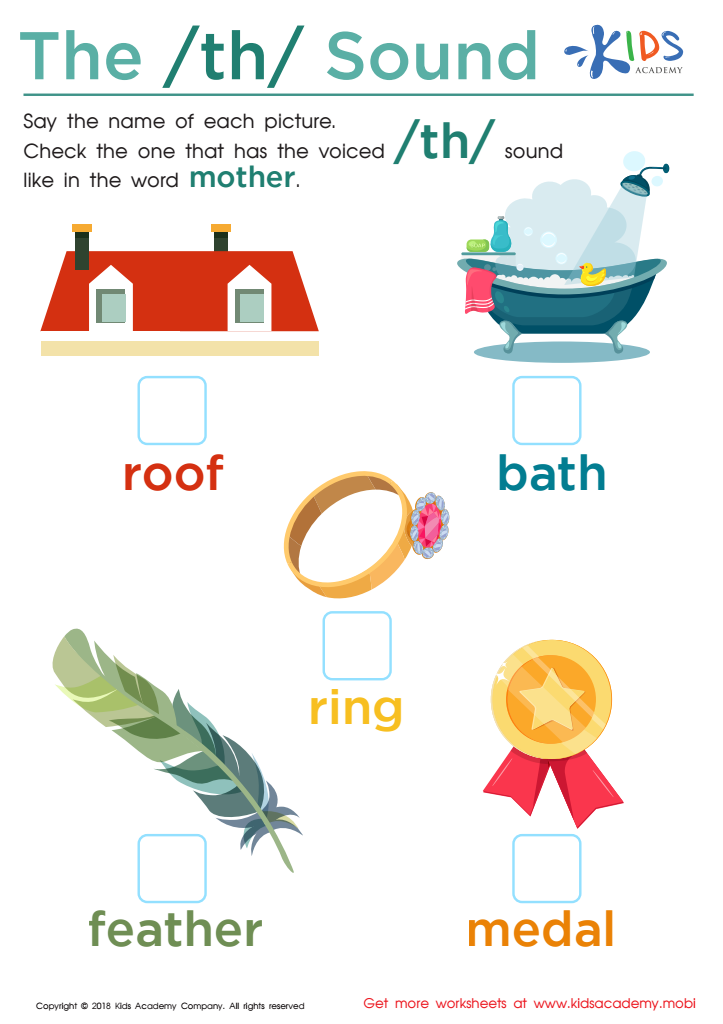
Confuse your students no more: have them use this worksheet to understand the /th/ sound and its two variants. With pictures, ask them to say the name of each one. Help them identify the voiced /th/ sound, like in 'mother', by having them say it aloud. Download the pdf to get started.
The /th/ Sound Worksheet
Worksheet
Words with Sound Q Reading Worksheet

Words with Sound Q Reading Worksheet

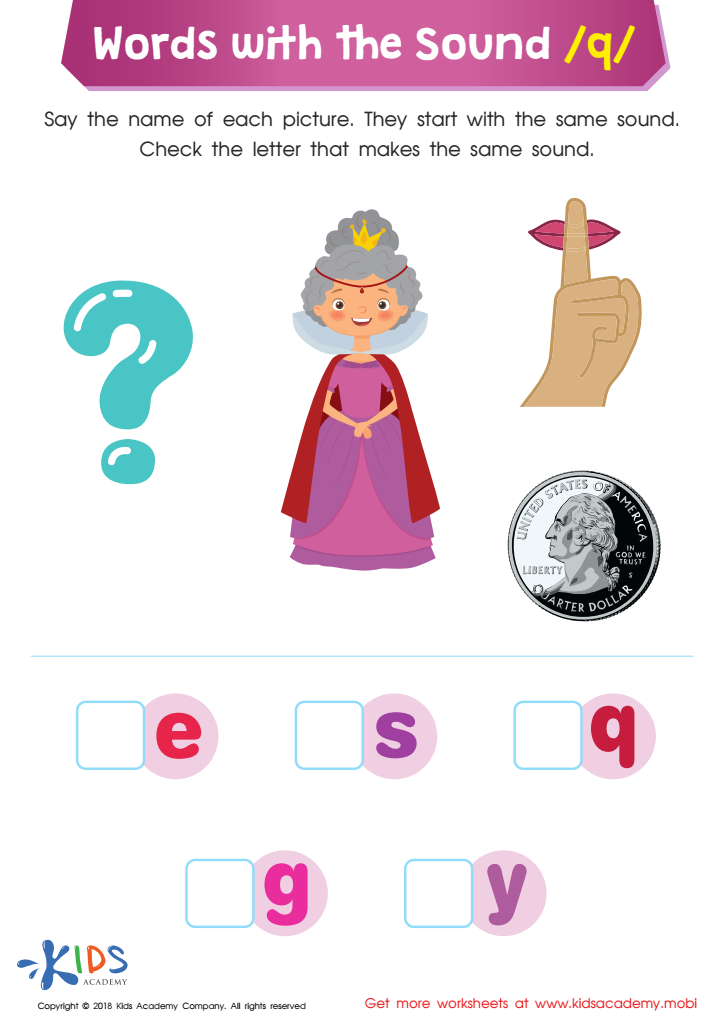
Beginning readers will love this free PDF worksheet! Bright colors and familiar pictures make it fun, as they say the name of each image and work on fine motor skills. Letters “q” is featured among others, helping to recognize and isolate its sound, which is often seen with a “u” behind it.
Words with Sound Q Reading Worksheet
Worksheet
Consonant Blends Pl, Cl, and Sl Printable Worksheet

L Blends: "Pl", "Cl" and "Sl" Printable
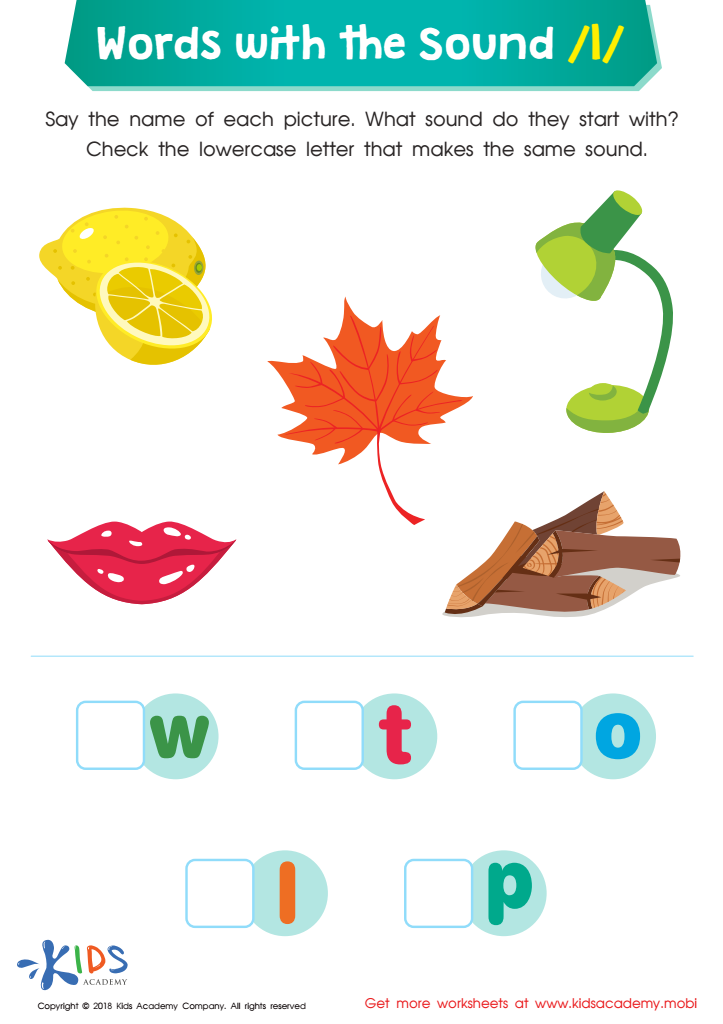
This printable worksheet will help your child recognize and identify the Pl, Cl, and Sl consonant blends, sound them out, and identify them in print. Improve your child's reading and writing skills with fun and colorful phonics practice!
L Blends: "Pl", "Cl" and "Sl" Printable
Worksheet
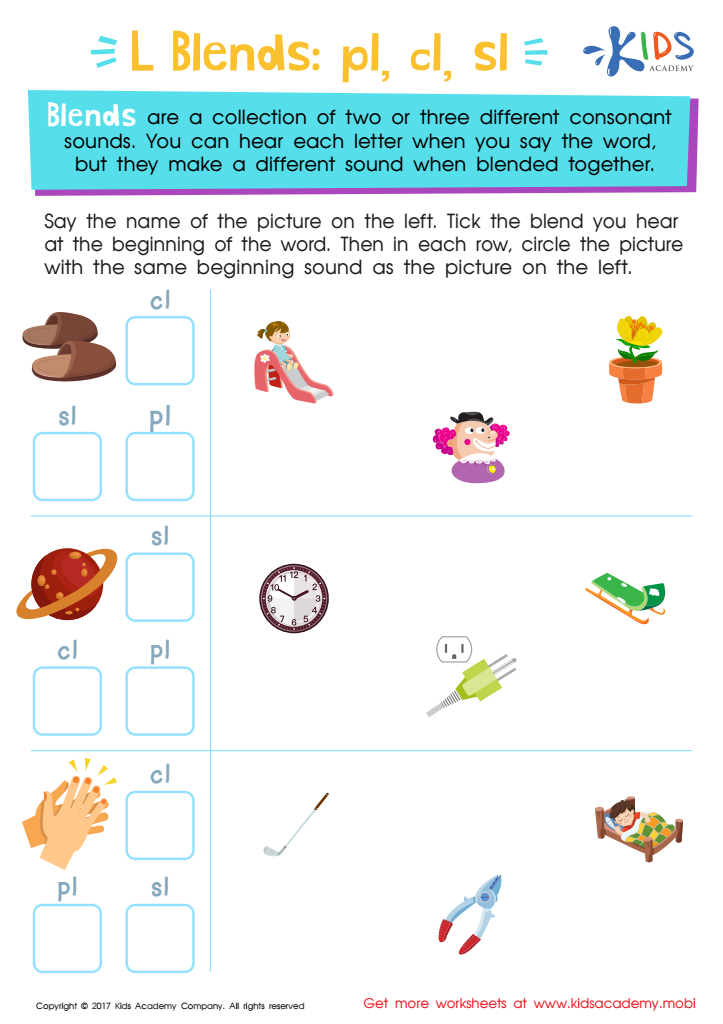
Words with Sound L Reading Worksheet

Words with Sound L Reading Worksheet

This PDF worksheet is great for helping emerging readers isolate initial sounds. Kids name familiar pictures, then identify the correct letter for the "l" sound. This worksheet strengthens fine motor skills, plus builds visual discernment. It's fun and colorful too!
Words with Sound L Reading Worksheet
Worksheet
The SH Digraph Worksheet

The SH Digraph Worksheet

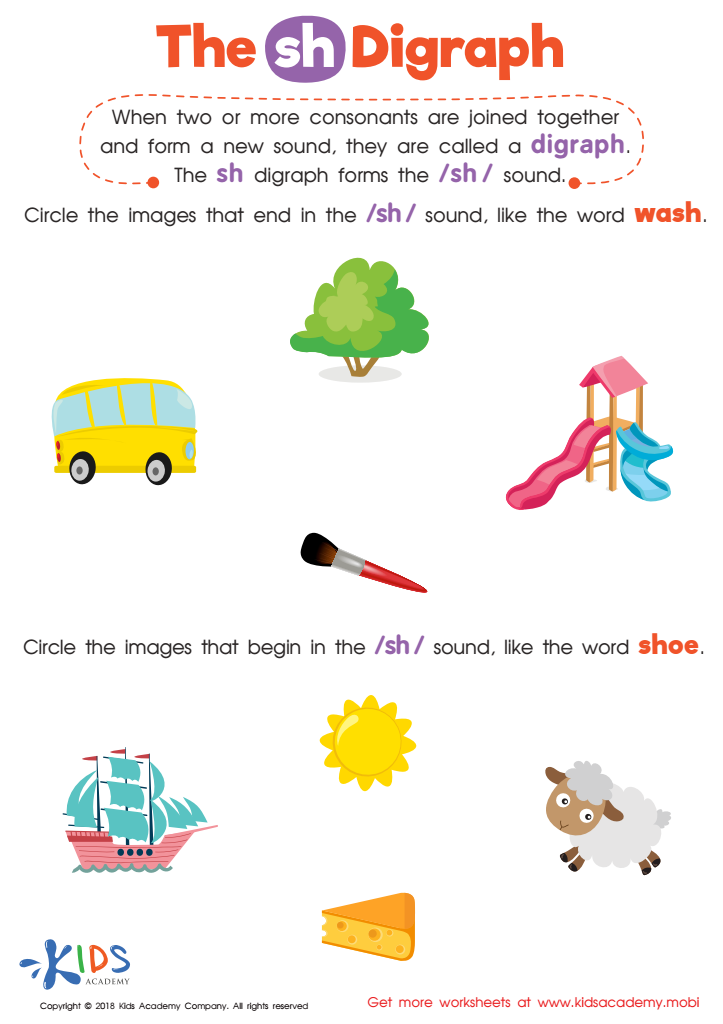
There are many phonetic sounds, each with its own unique sound. When two or more consonants are combined to create a new sound, it's called a digraph. Example: the sh digraph creates the /sh/ sound. Have kids look at the pictures and say the words aloud. Help them circle the images ending with /sh/, like 'wash'.
The SH Digraph Worksheet
Worksheet


Spelling practice for consonants is crucial for children ages 6-9 because it lays the foundation for essential literacy skills. At this formative stage, children are transitioning from recognizing letters to understanding how they form words and sentences. Accurate consonant spelling helps in developing phonemic awareness, which is the ability to hear, identify, and manipulate individual sounds in spoken words. Mastering these sounds promotes reading proficiency, as consonants form the structural backbone of most English words.

Moreover, consistent spelling practice enhances vocabulary building, aids pronunciation, and fosters better comprehension. When children correctly spell and pronounce words, they are more confident in their communication skills. This confidence transfers to writing, enabling them to express their ideas more clearly and effectively.

For parents and teachers, practicing spelling with consonants can also pinpoint specific areas where a child might struggle, allowing for targeted intervention. Such early identification and support are crucial for preventing future reading and literacy difficulties. Ensuring children have strong spelling and literacy foundations sets the stage for lifelong learning and a more successful academic journey. Engaged parents and teachers can employ games, reading activities, and writing exercises to make spelling practice both fun and effective, motivating children to love learning.