Letter recognition Elementary Phonics Worksheets for Ages 6-9
5 filtered results
-
From - To
Discover our engaging Letter Recognition Elementary Phonics Worksheets designed specifically for children ages 6-9! These interactive activities promote early literacy skills by helping young learners identify and differentiate letters through fun exercises. Parents and educators can utilize these worksheets to create a supportive learning environment where kids can enhance their phonetic recognition, practice letter sounds, and build a strong foundation for reading. Our well-crafted activities encourage creativity and reinforce essential language skills in a captivating way. Explore our extensive collection of worksheets today and watch your child's confidence in letter recognition grow, making learning an enjoyable experience!

Long and Short U Worksheet
 Assign to My Students
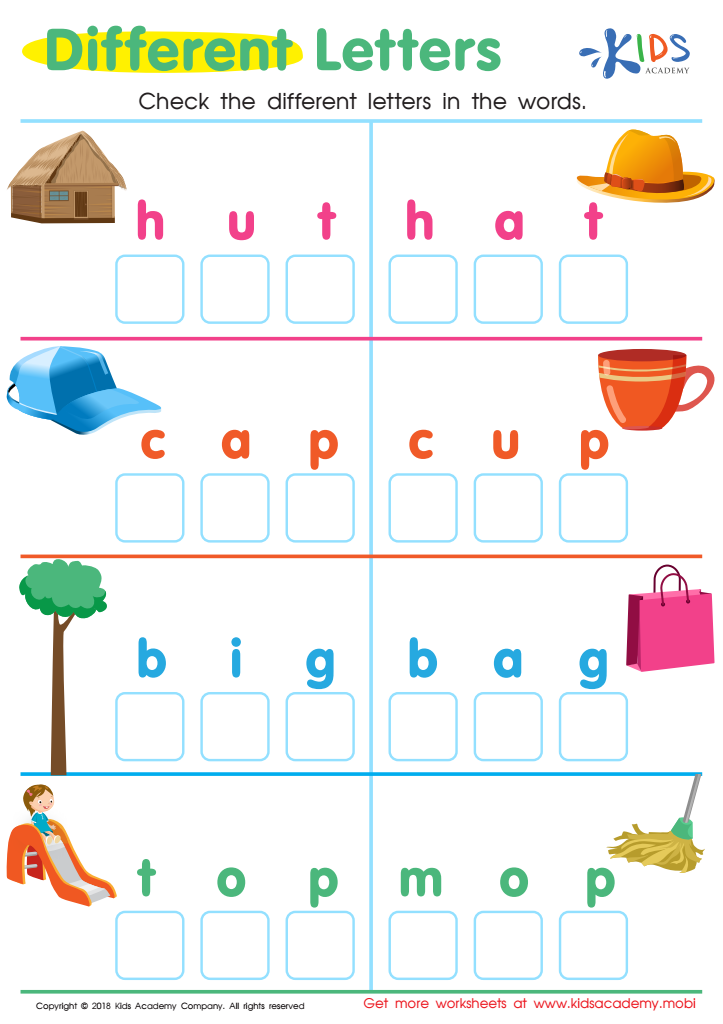
Different Letters Reading Worksheet
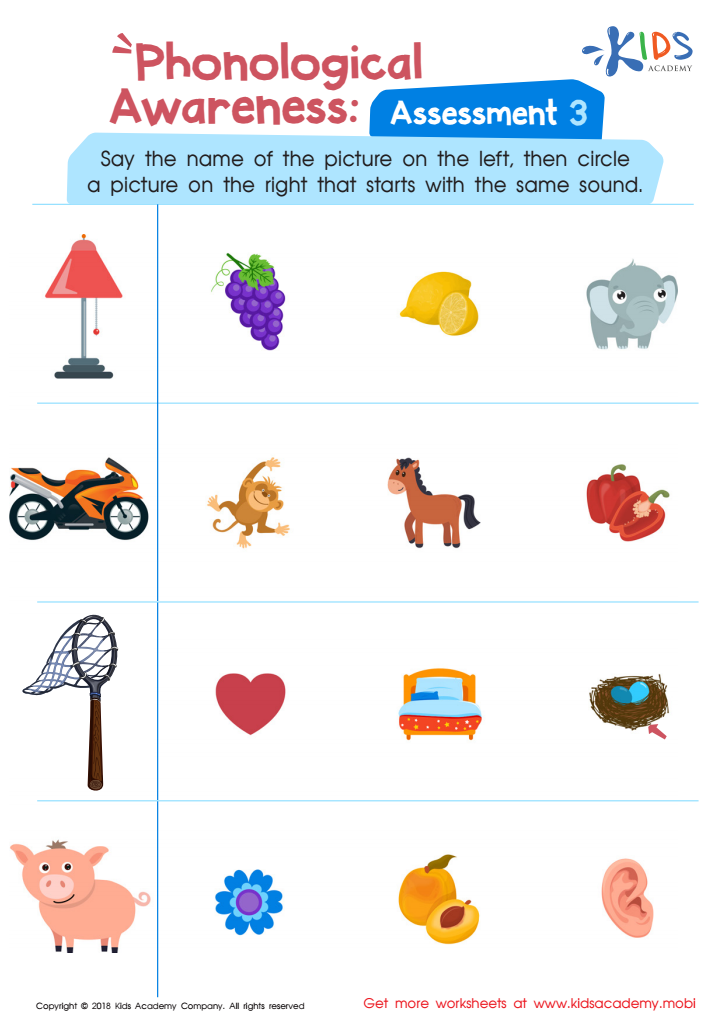
Phonological Awareness: Assessment 3 Worksheet
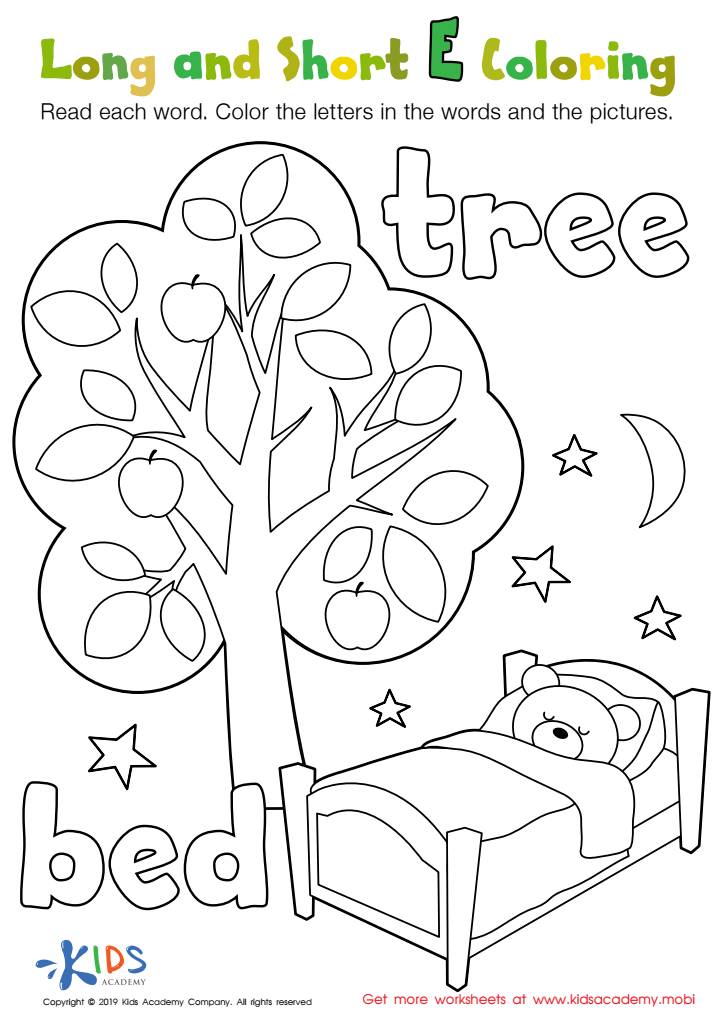
Long and Short E Worksheet
Assign to My Students
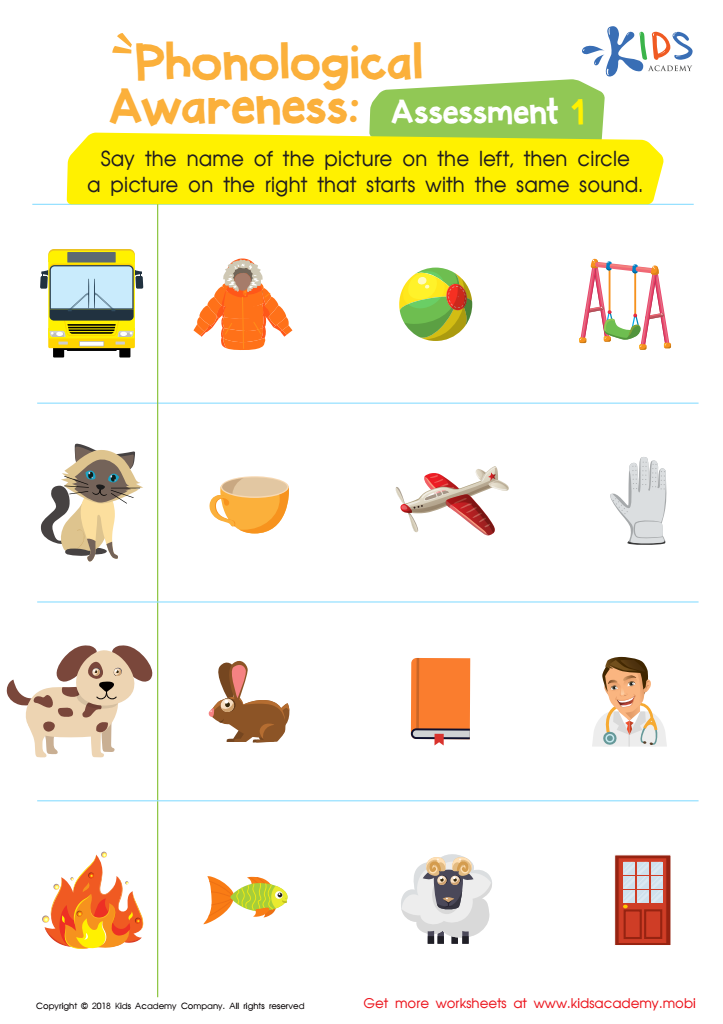
Phonological Awareness: Assessment 1 Worksheet




Letter recognition is a foundational skill in early literacy crucial for children aged 6-9. Parents and teachers should prioritize this aspect of learning because it directly influences a child's ability to read and write. Mastering letter recognition helps children recognize the alphabet in both uppercase and lowercase forms, essential for decoding words. This skill builds confidence, enabling students to tackle reading assignments and explore new texts independently.
Furthermore, strong letter recognition supports phonics instruction, which emphasizes the relationship between sounds and letters. When children can identify letters consistently, they are better equipped to connect sounds with letter combinations, aiding in their reading fluency. This understanding enhances their overall language development, expanding their vocabulary and improving their comprehension skills.
Moreover, recognizing letters early on contributes to academic success across subjects, as reading is fundamental to learning in all areas. When parents and teachers foster an environment that emphasizes letter recognition, they also encourage a love for reading and learning. This foundational knowledge ensures that children are not just able to read but are enthusiastic about it, laying the groundwork for lifelong literacy and learning. Therefore, a focus on letter recognition is essential for fostering a child's educational journey.







