Alphabet Recognition Alphabet Worksheets for Ages 6-9 - Page 3
64 filtered results
-
From - To
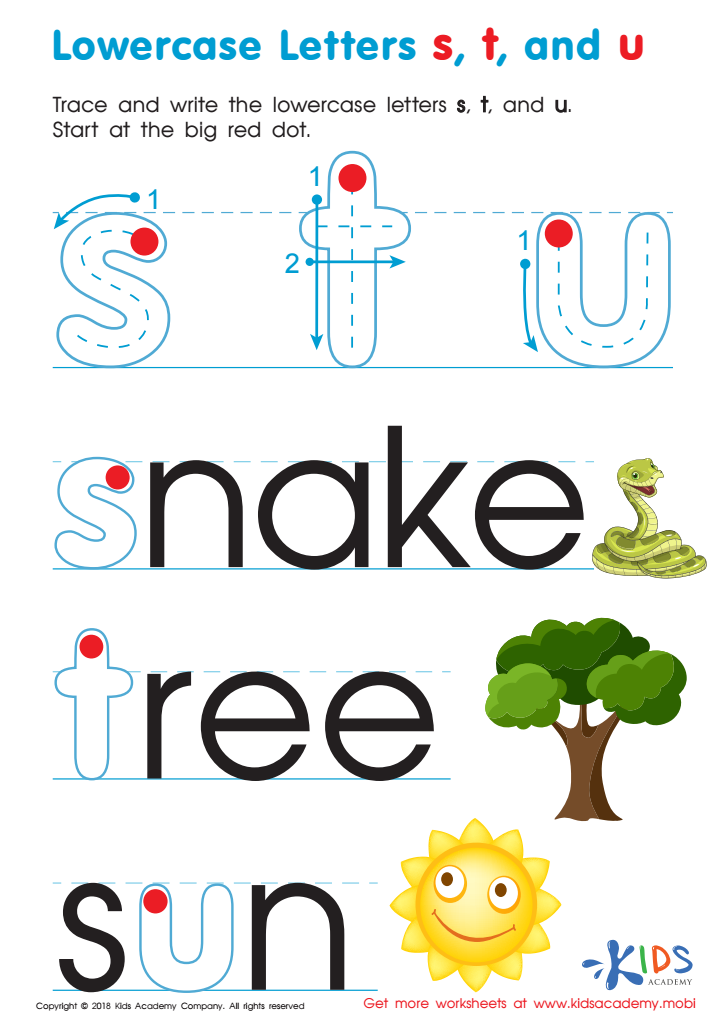
Lowercase Letters s t u Worksheet
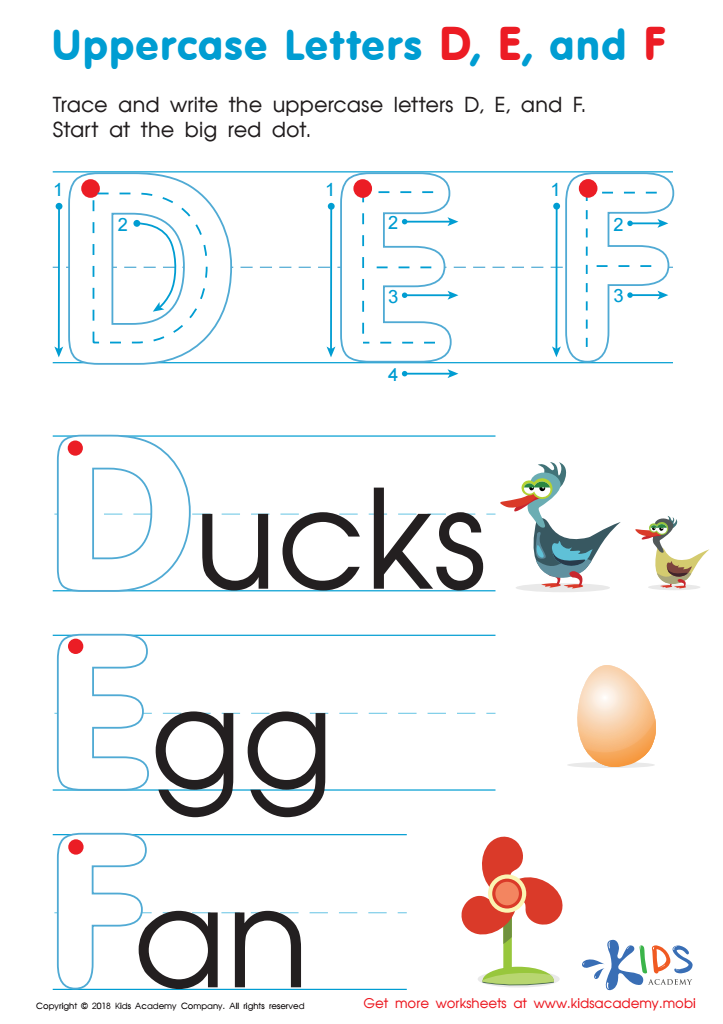
Uppercase Letters D, E, and F Worksheet
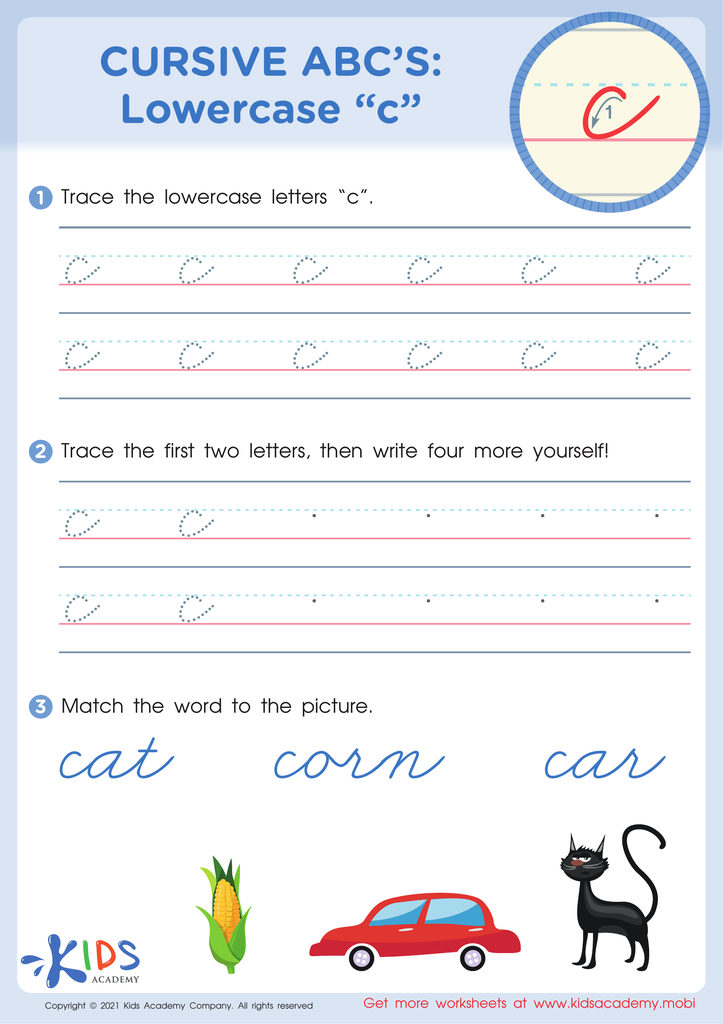
Cursive ABCs: Lowercase c
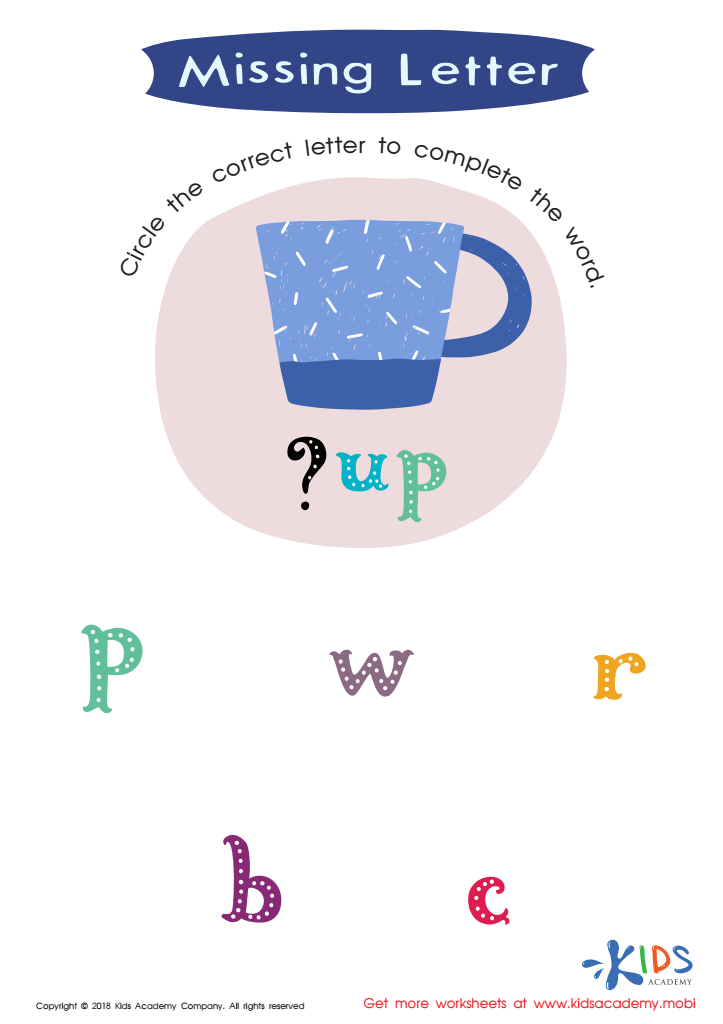
Missing Letter Worksheet
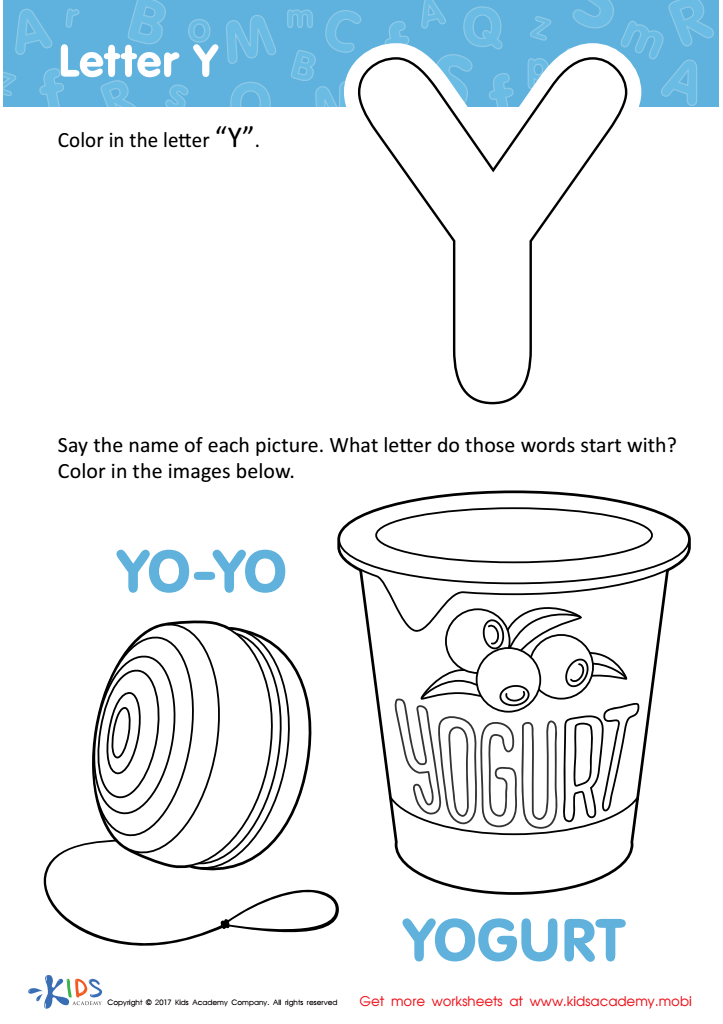
Letter Y Coloring Sheet
 Assign to My Students
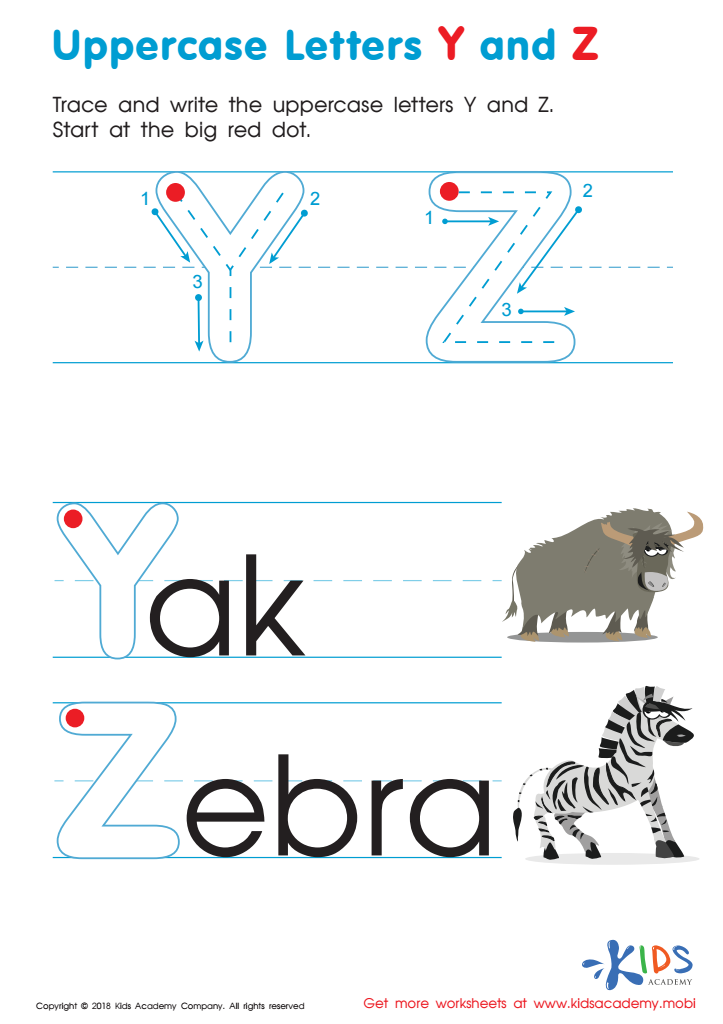
Uppercase Letters Y Z Worksheet
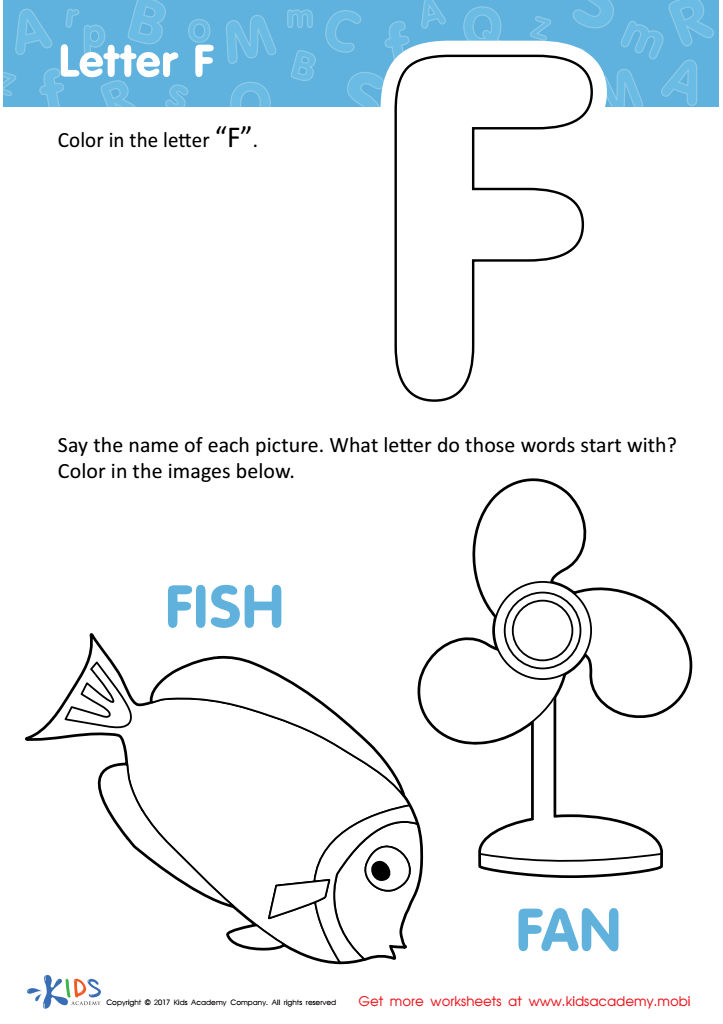
Letter F Coloring Sheet
Assign to My Students
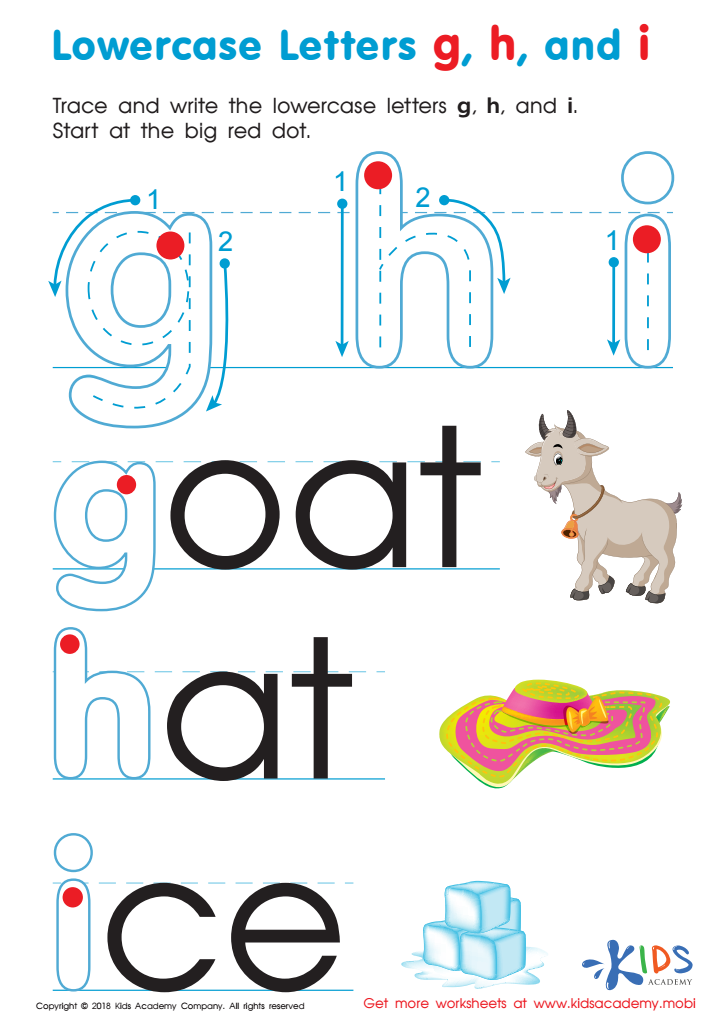
Lowercase Letters g h i Worksheet
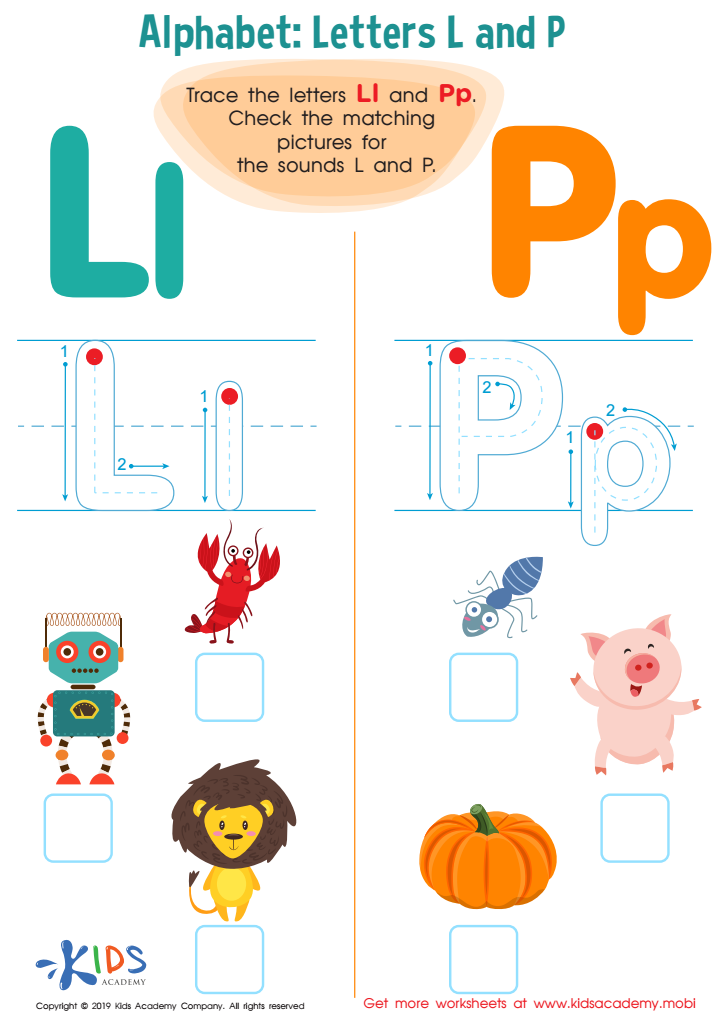
Letter L and P Tracing Worksheet
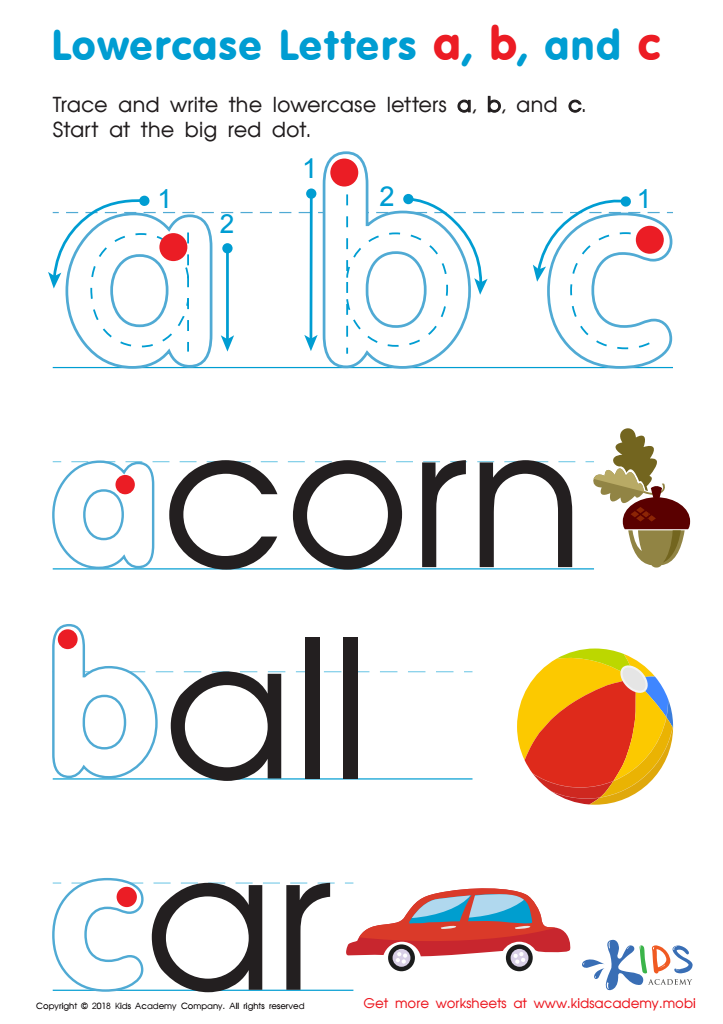
Lowercase Letters a b c Worksheet
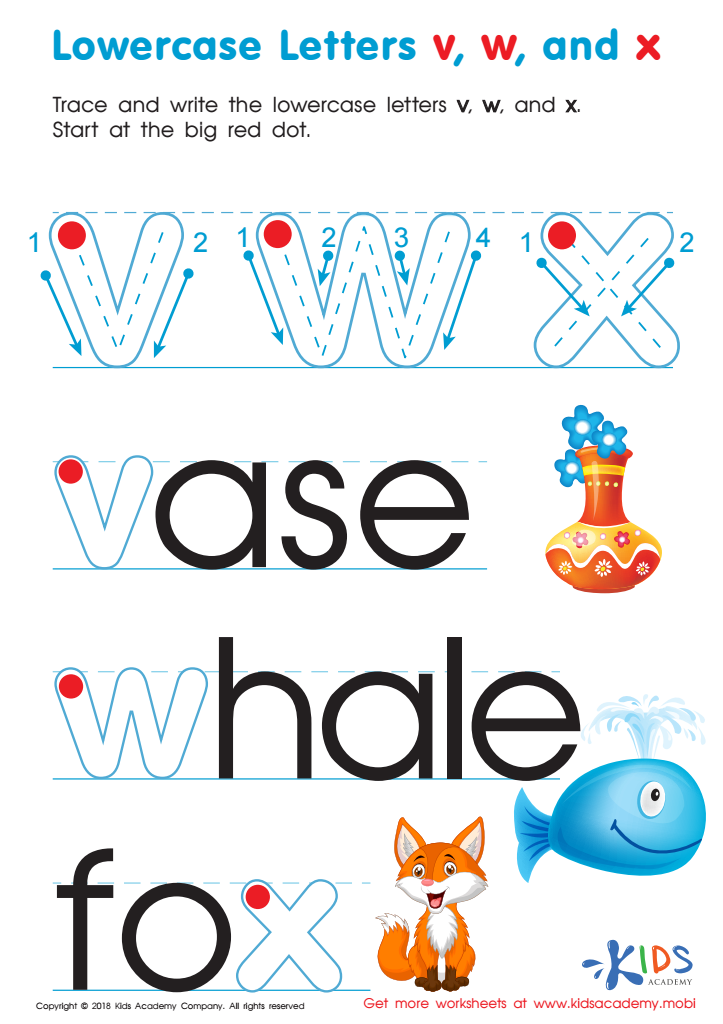
Lowercase Letters v w x Worksheet
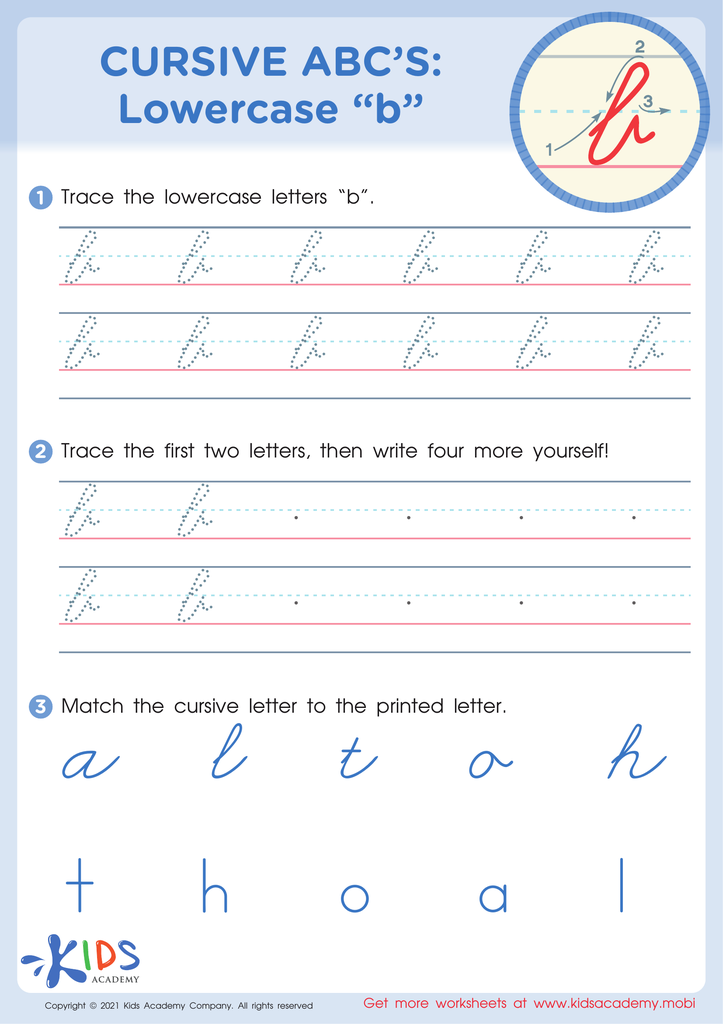
Cursive ABCs: Lowercase b
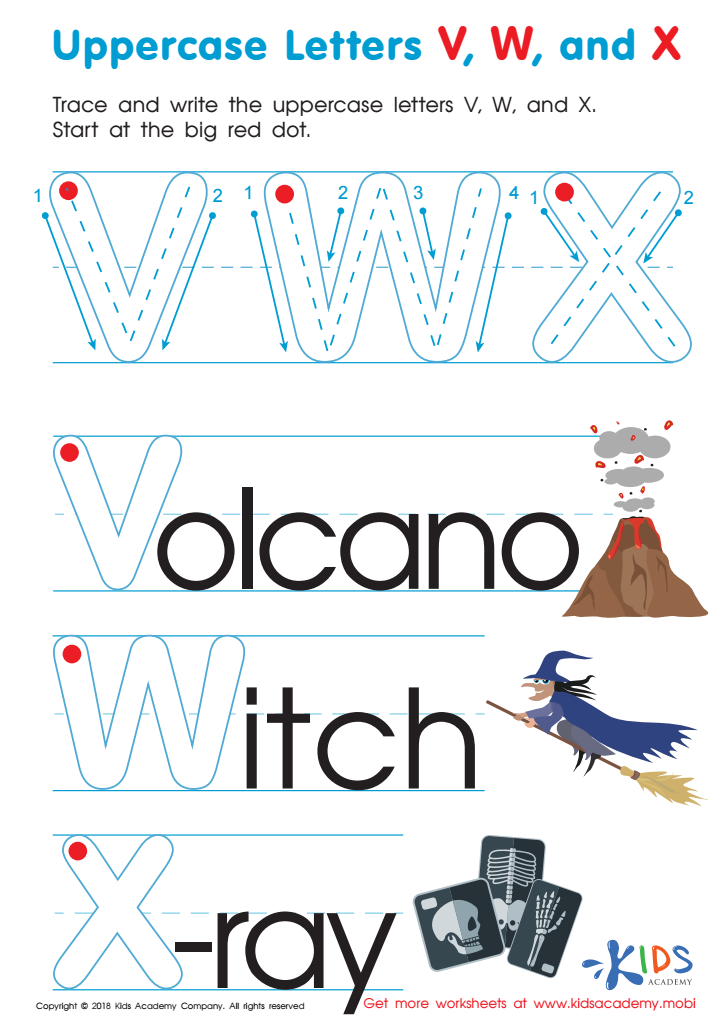
Uppercase Letters V, W, and X Worksheet
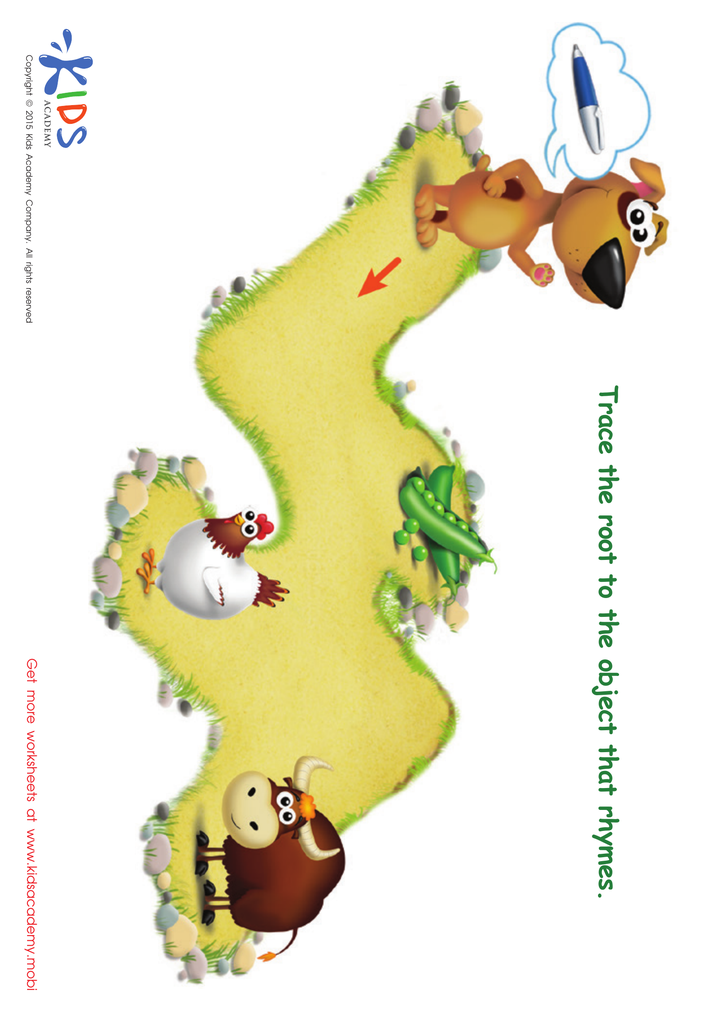
Pen Rhyming Words Worksheet
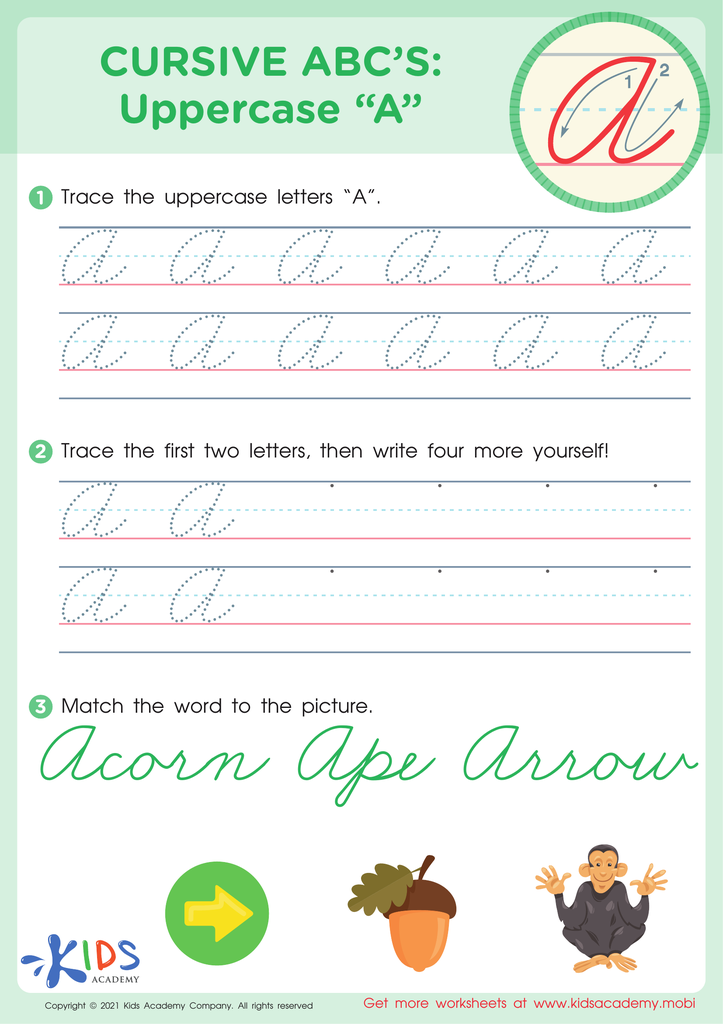
Cursive ABCs: Uppercase A
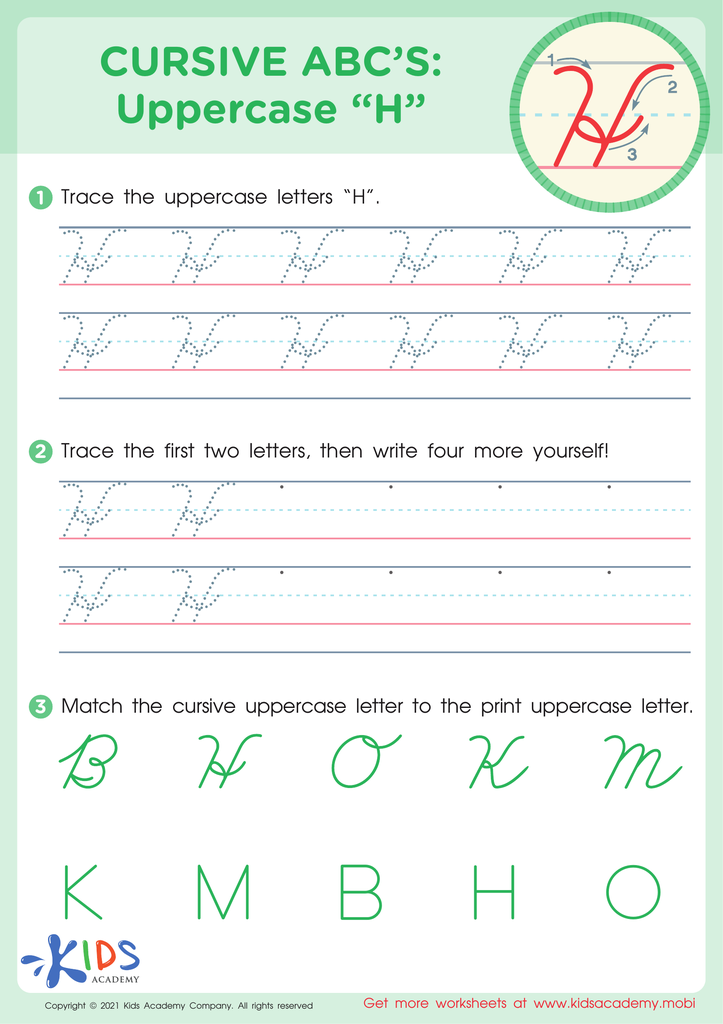
Cursive ABCs: Uppercase H




.jpg)


Alphabet recognition is a critical foundational skill for children aged 6-9, and parents and teachers should prioritize it for several important reasons. Firstly, understanding the alphabet is the cornerstone of literacy. It enables children to decode written language, which is essential for reading and writing. As children become proficient in recognizing letters and their associated sounds, they develop the skills needed to tackle more complex literacy tasks.
Secondly, strong alphabet recognition skills are closely linked to future academic success. Studies show that children who can quickly and accurately identify letters are more likely to become proficient readers. This proficiency in reading opens up access to a world of knowledge across all subjects, making it easier for children to excel in school.
Additionally, fostering alphabet recognition helps build children's confidence. When children can recognize letters and begin to read, they experience a sense of achievement that boosts their self-esteem. This confidence encourages them to engage more fully in classroom activities and challenges.
Finally, early attention to alphabet recognition can help identify and address learning difficulties. Teachers and parents can provide targeted support to children who struggle with letter recognition, preventing them from falling behind their peers.
In summary, caring about alphabet recognition in early grade students is essential for fostering literacy, academic success, confidence, and early intervention for learning issues.







