Alphabet Recognition Letter Recognition Worksheets for Ages 6-9 - Page 2
42 filtered results
-
From - To
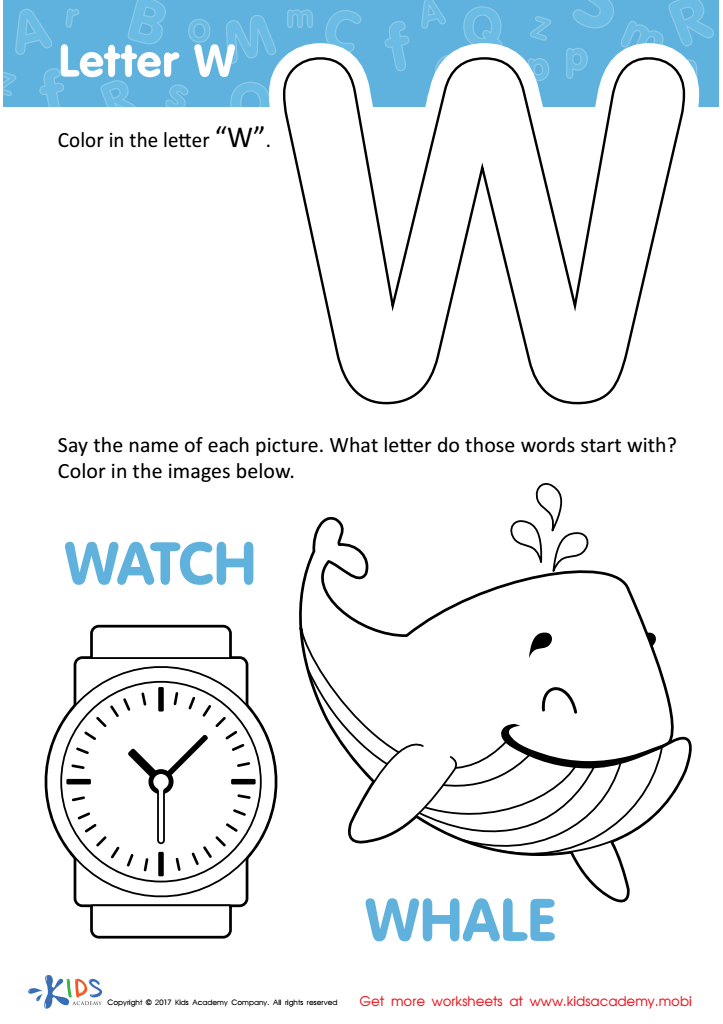
Letter W Coloring Sheet
 Assign to My Students
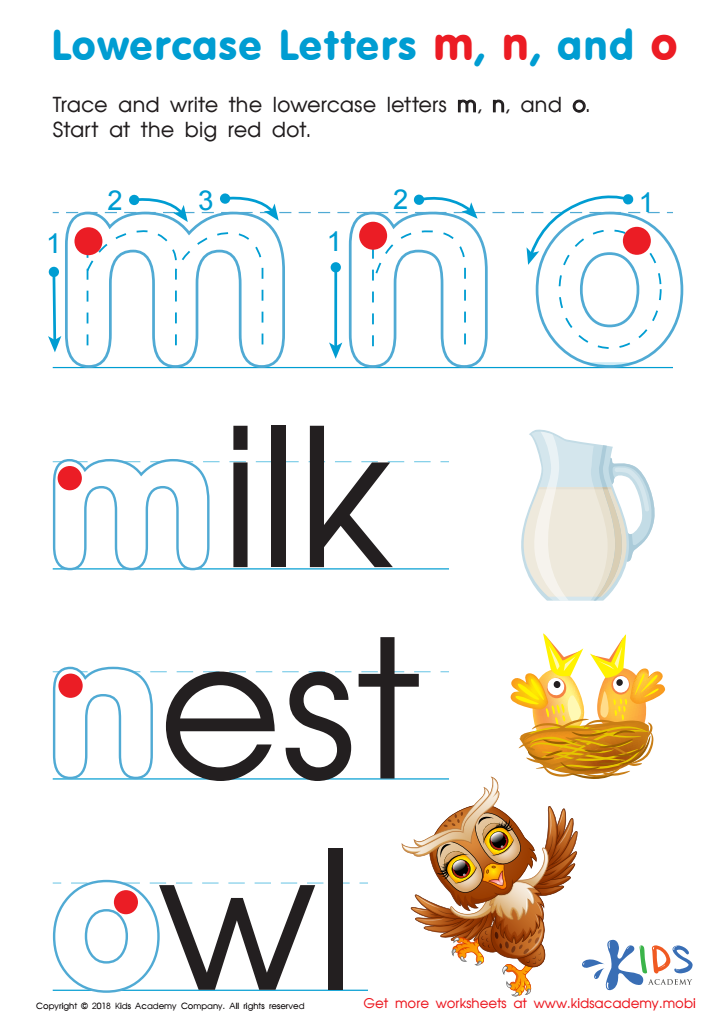
Lowercase Letters m n o Worksheet
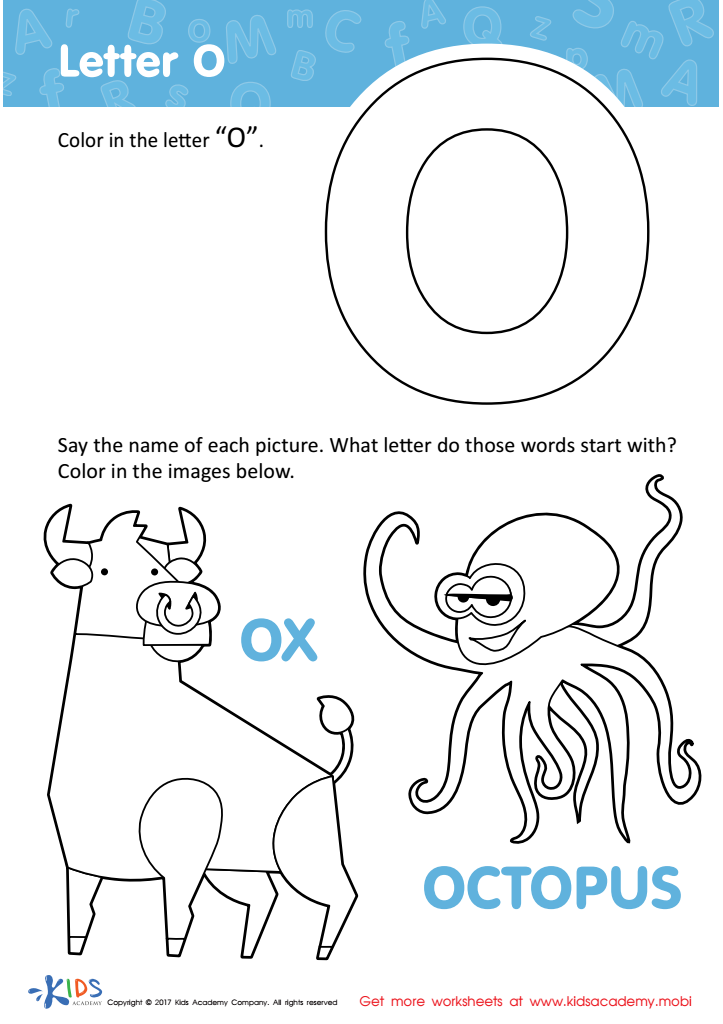
Letter O Coloring Sheet
Assign to My Students
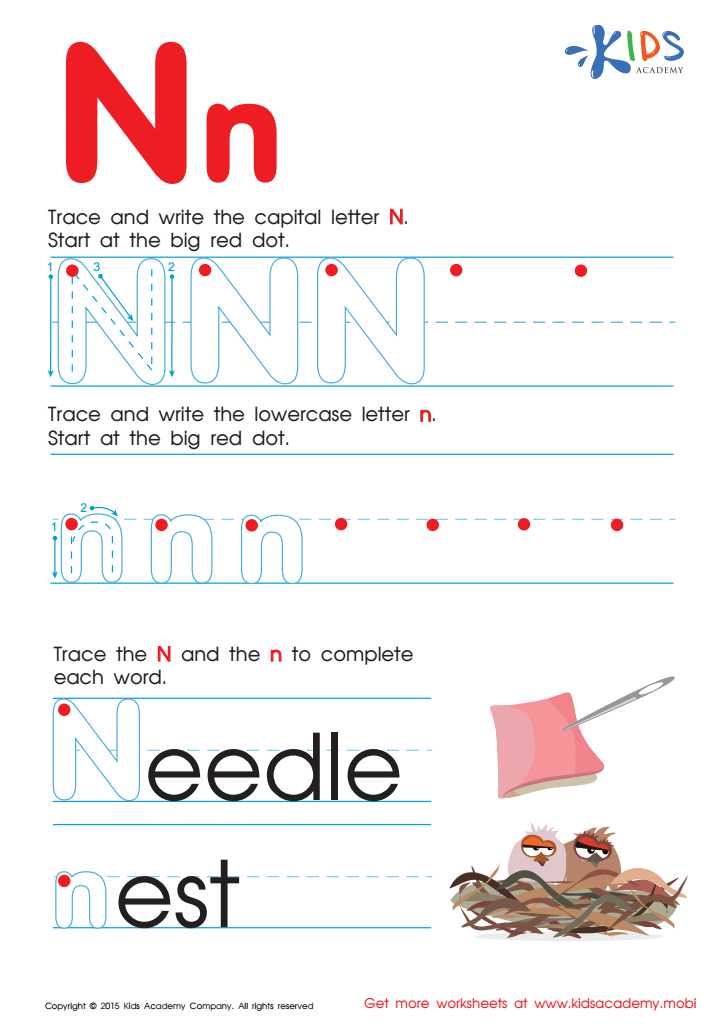
Letter N Tracing Page
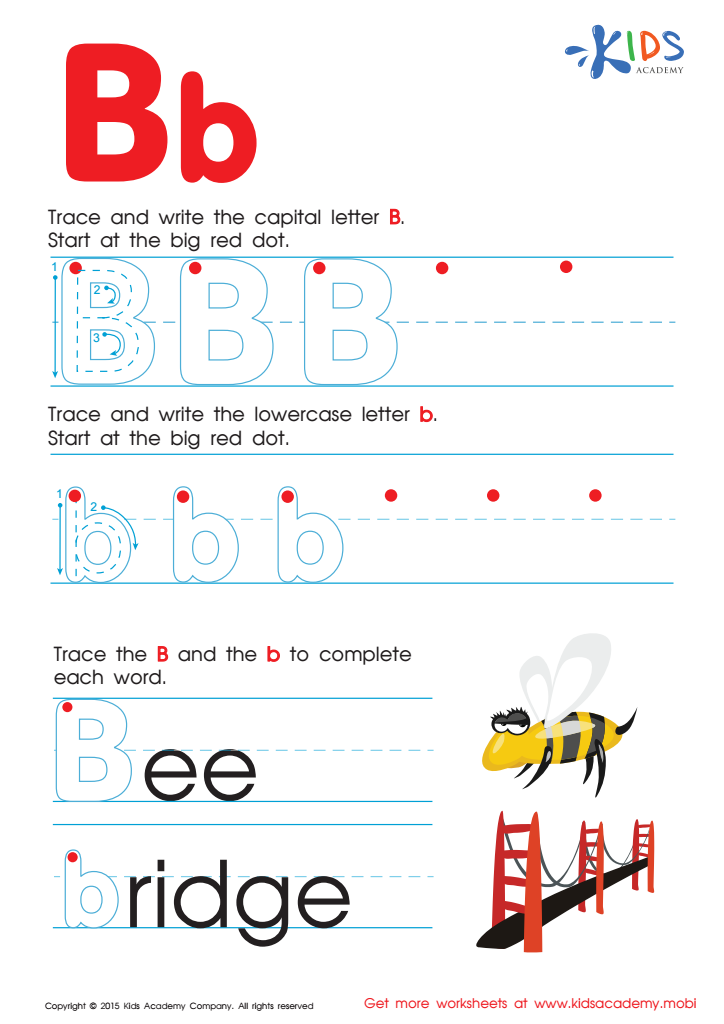
Letter B Tracing Page
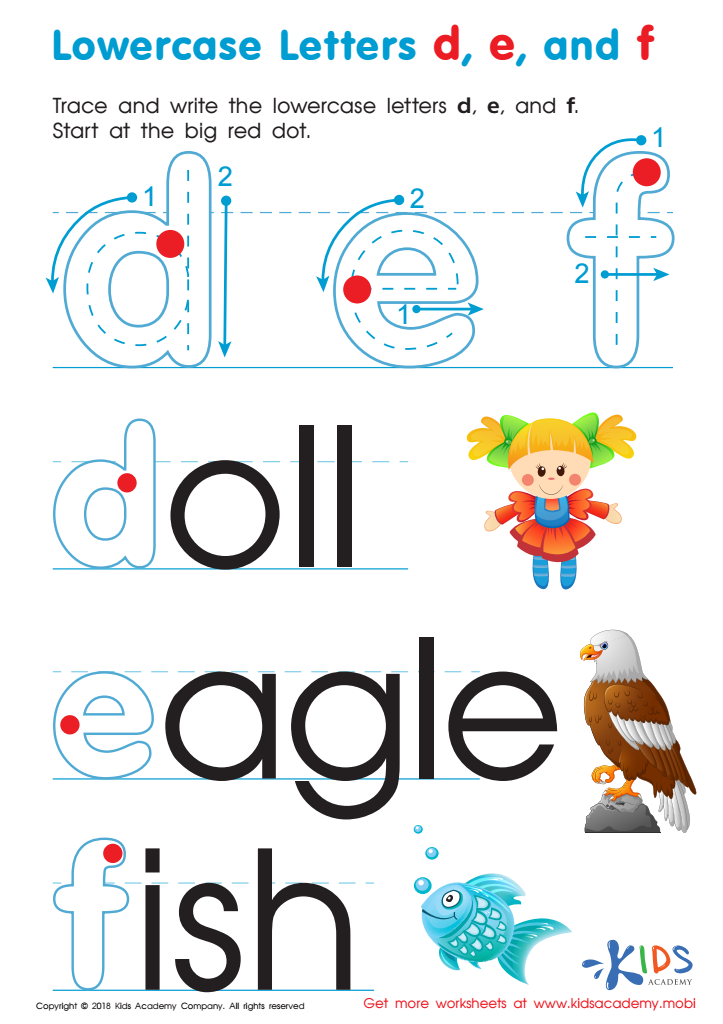
Lowercase Letters d e f Worksheet
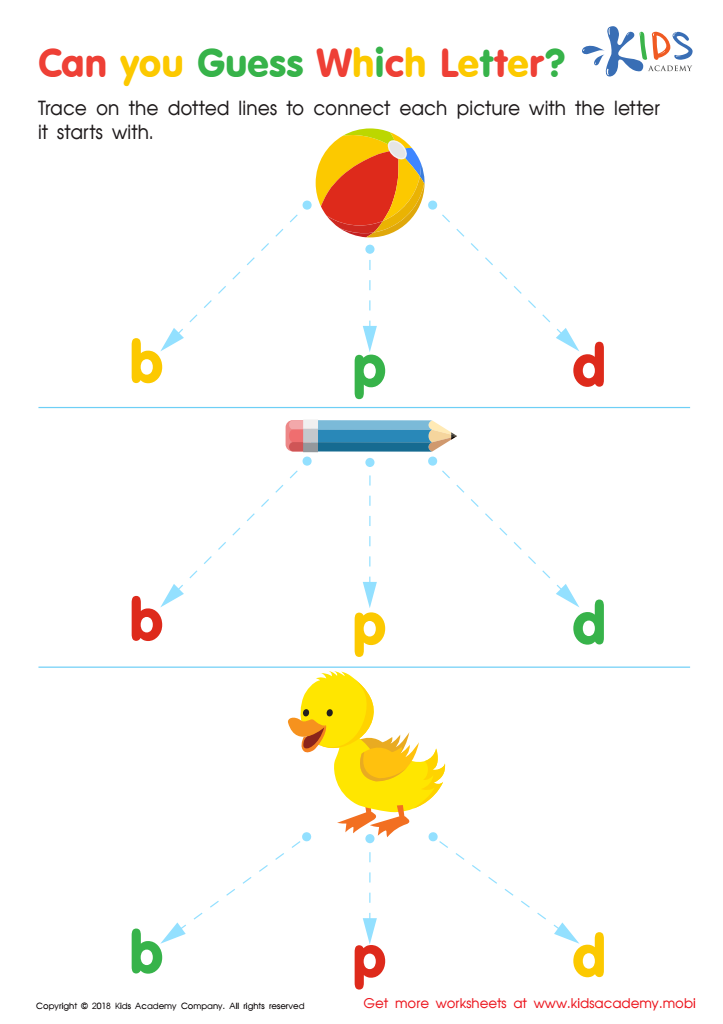
Can you Guess Which Letter? Worksheet
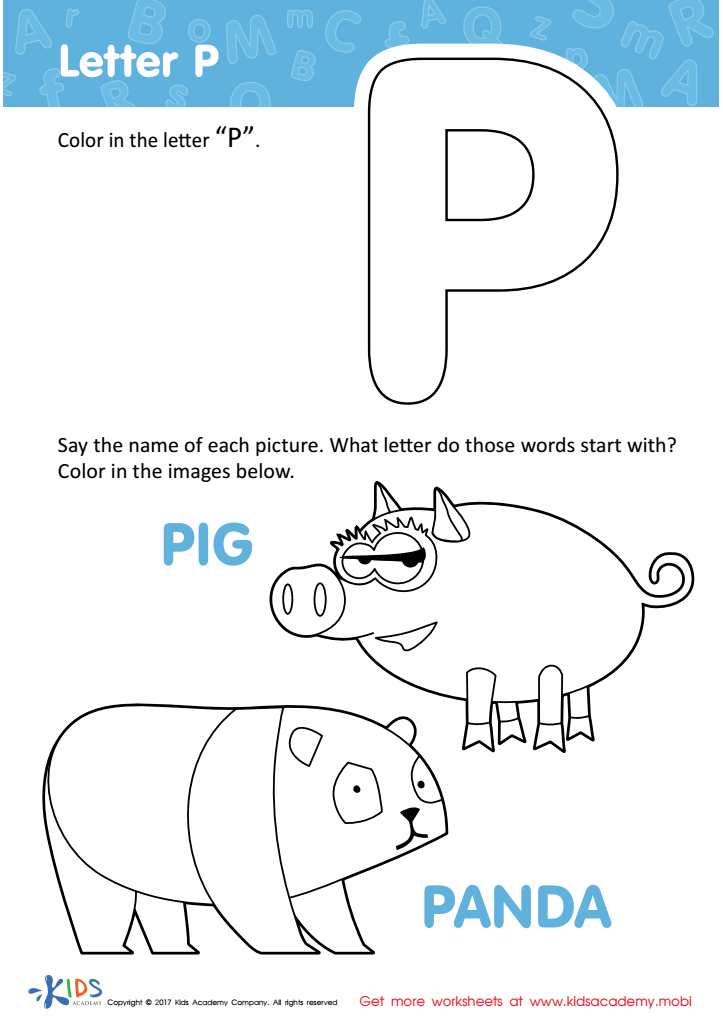
Letter P Coloring Sheet
Assign to My Students

Letter E Tracing Page
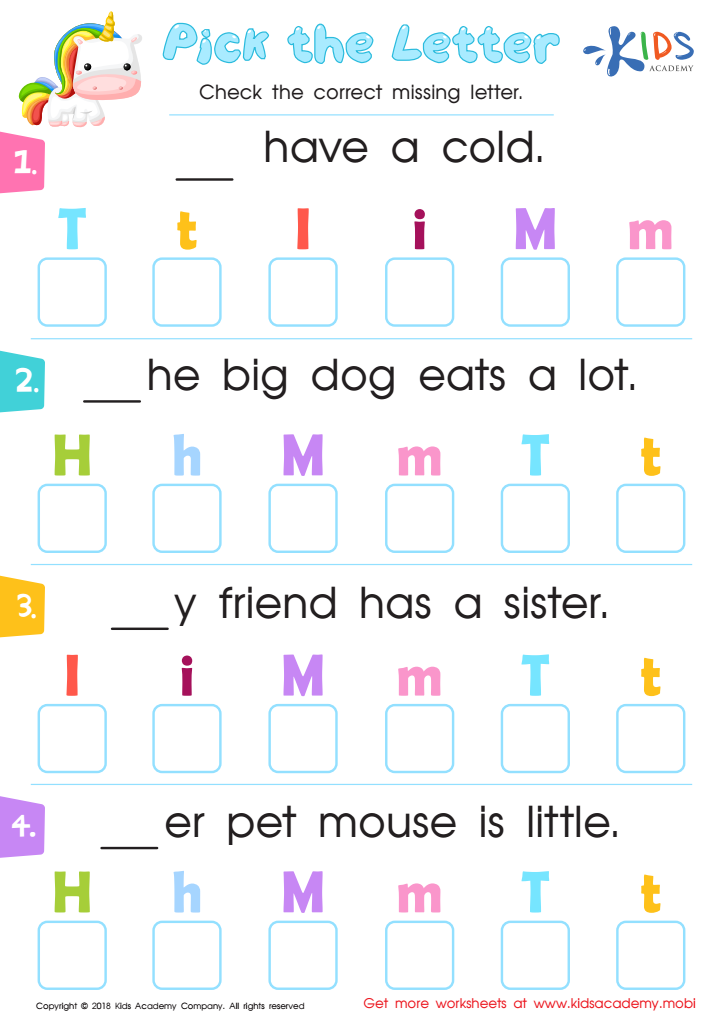
Pick the Letter Worksheet
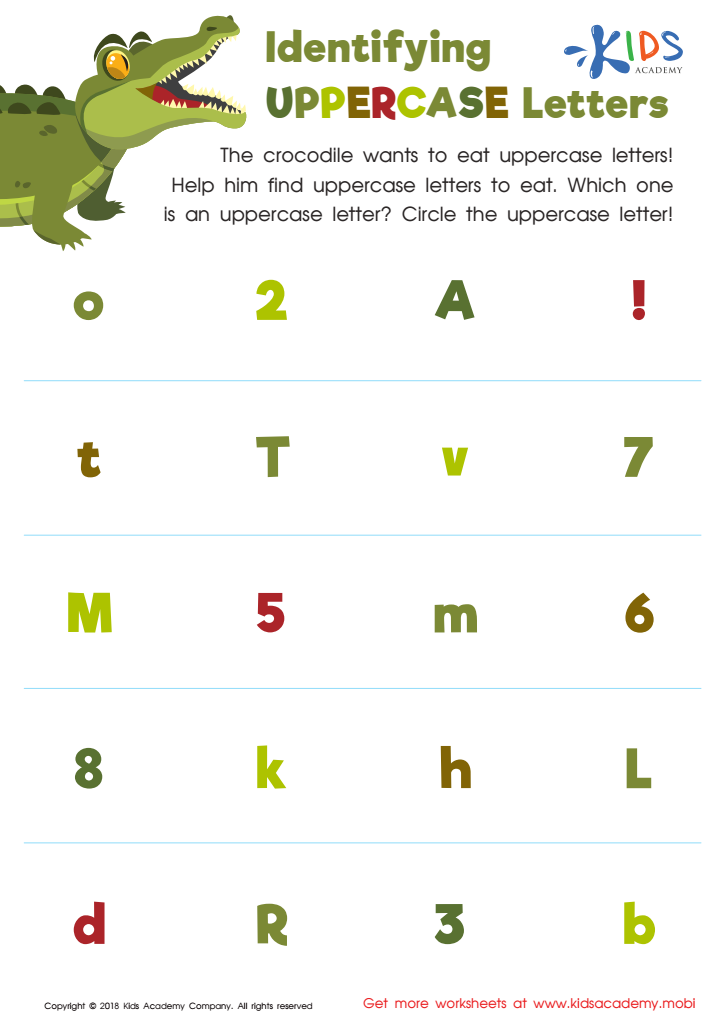
Identifying Uppercase Letters Worksheet
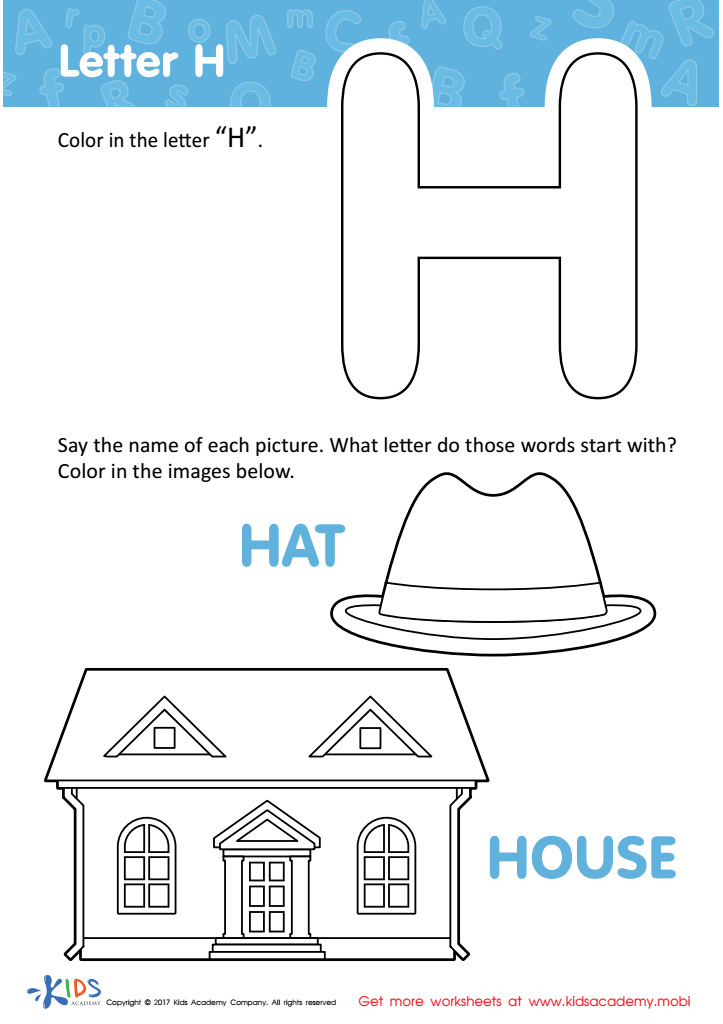
Letter H Coloring Sheet
Assign to My Students
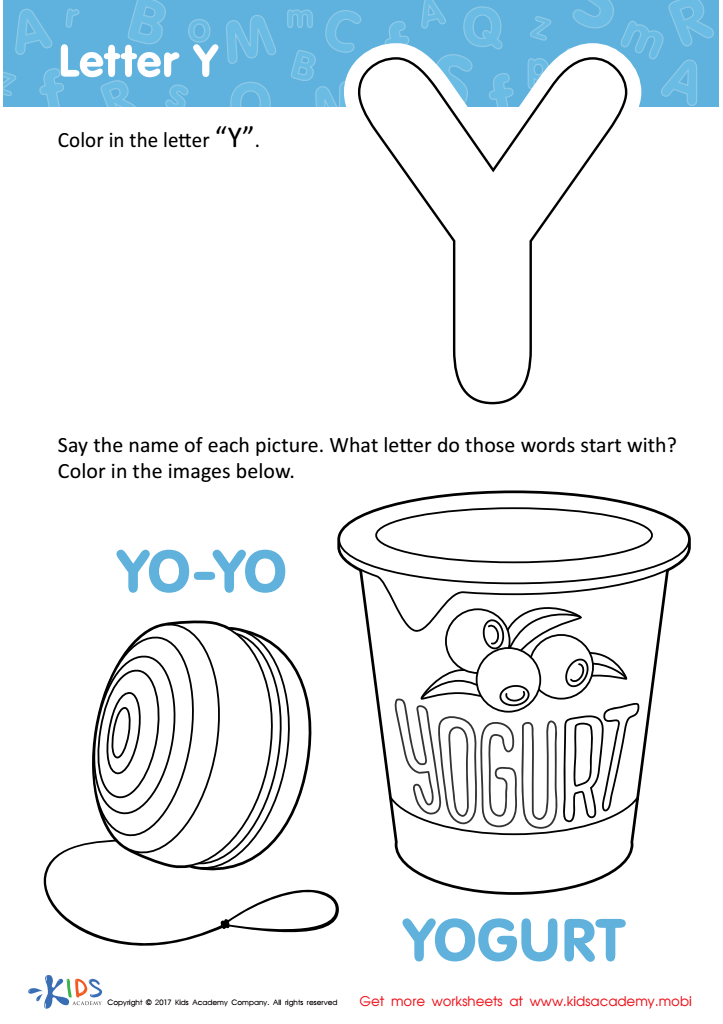
Letter Y Coloring Sheet
Assign to My Students

Letter F Coloring Sheet
Assign to My Students
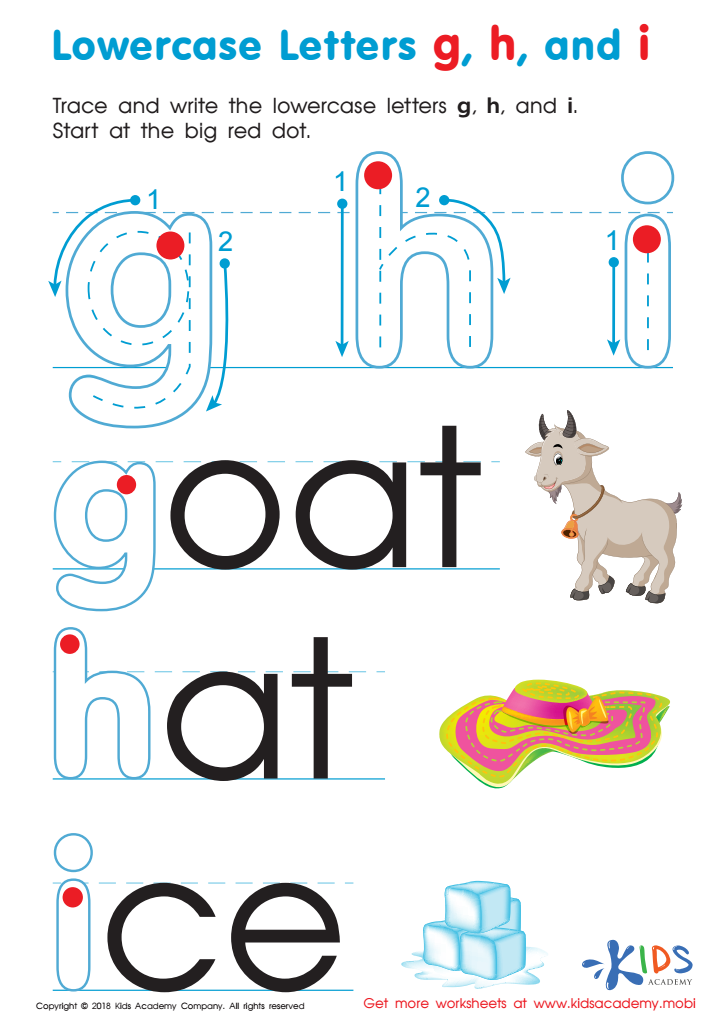
Lowercase Letters g h i Worksheet
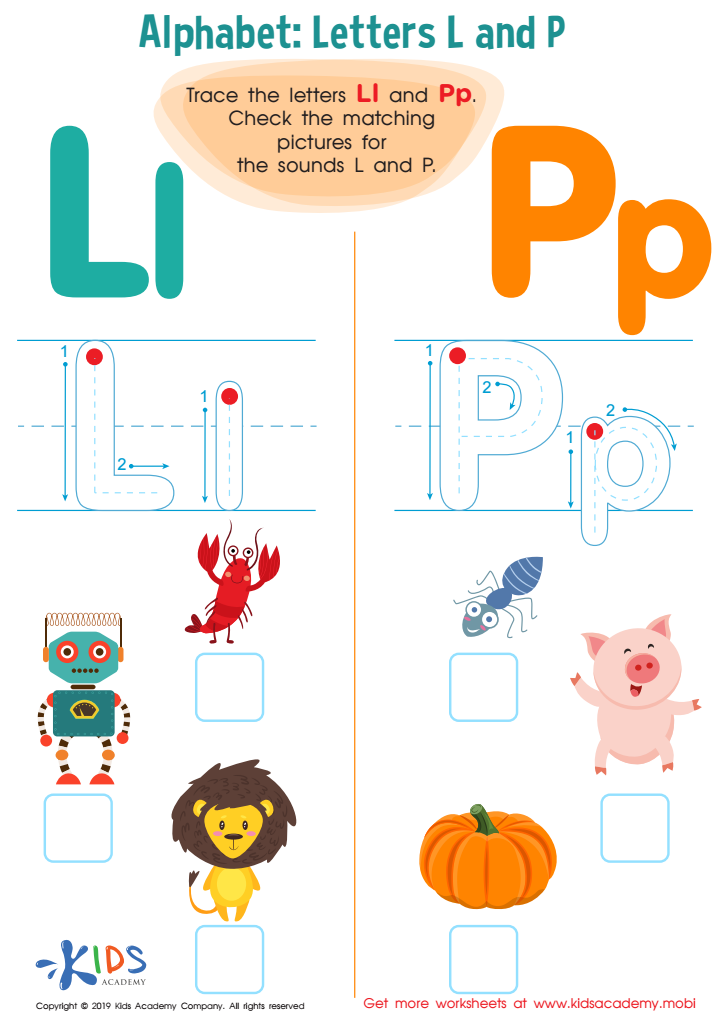
Letter L and P Tracing Worksheet
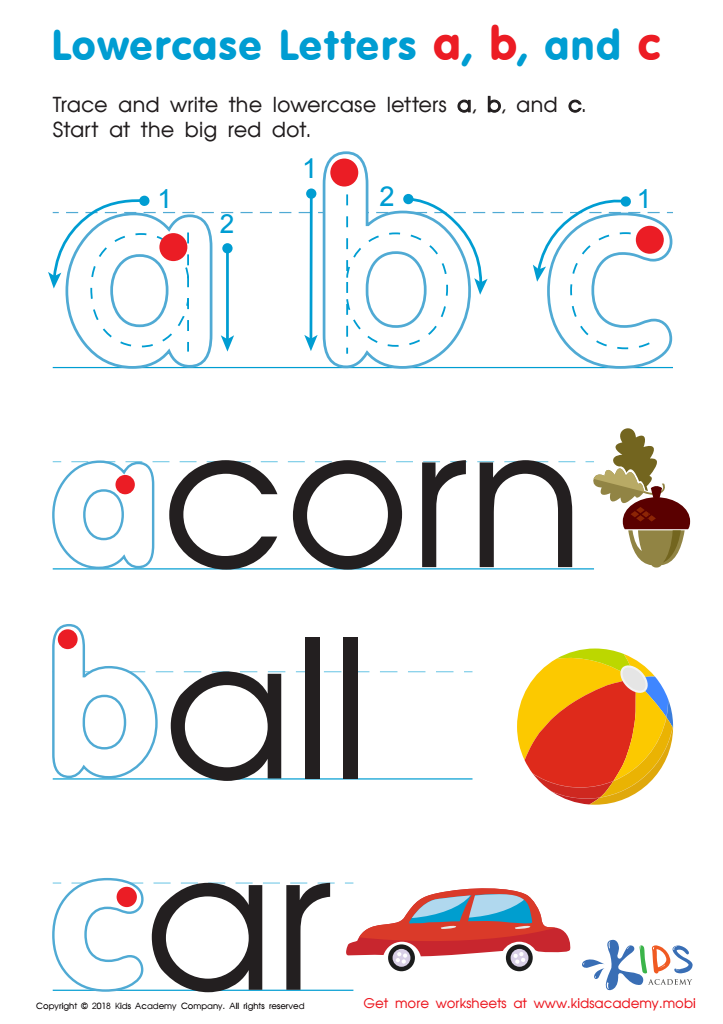
Lowercase Letters a b c Worksheet
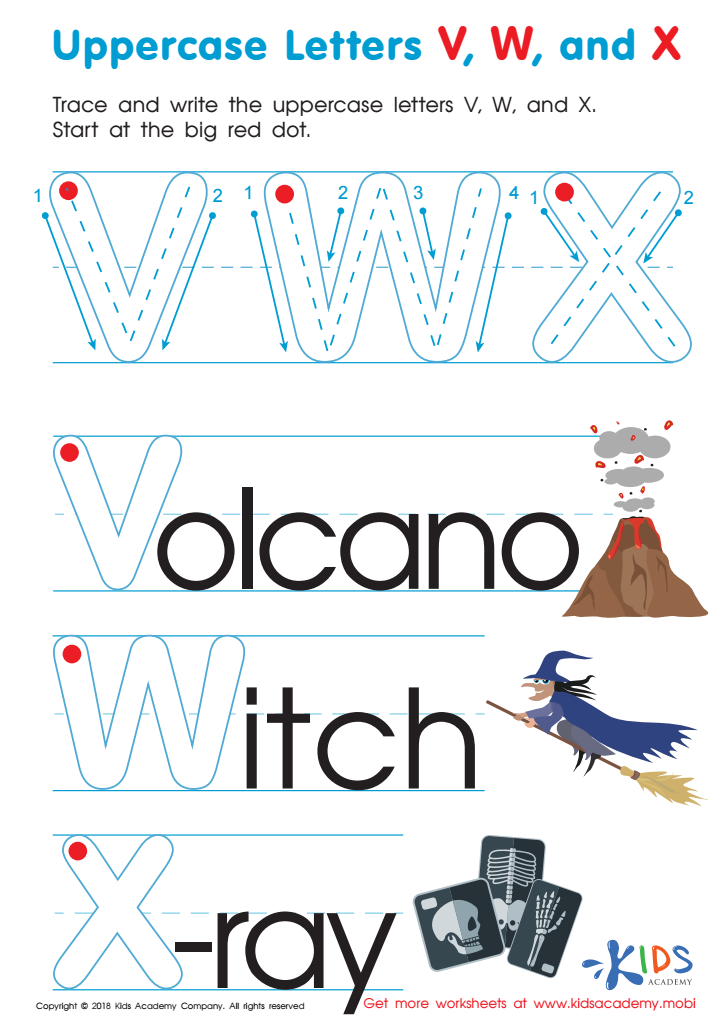
Uppercase Letters V, W, and X Worksheet








Alphabet recognition is a foundational literacy skill for children aged 6-9, and it plays a crucial role in their overall academic success. At this age, children transition from learning to read to reading to learn, making letter recognition essential for literacy development. Mastery of the alphabet helps children decode words, improve their spelling skills, and build a larger vocabulary, ultimately fostering greater comprehension abilities.
Additionally, strong letter recognition contributes to students' confidence in their reading abilities. Children who struggle with identifying letters may feel overwhelmed and disengaged from reading activities, which can affect their motivation and enthusiasm for learning. By promoting alphabet recognition, parents and teachers can create a supportive environment that nurtures children’s literacy skills and boosts their self-esteem.
Furthermore, early literacy skills, including alphabet recognition, have long-term implications. Research indicates that children with solid foundational skills are more likely to succeed in future educational endeavors. Thus, by prioritizing awareness and practice of letter recognition, parents and teachers can equip children with the tools necessary for lifelong learning and academic success. Engaging children in fun activities, games, and reading experiences can make this process enjoyable and impactful.







