Handwriting practice Letter Recognition Worksheets for Ages 6-9
39 filtered results
-
From - To
Explore our Handwriting Practice Letter Recognition Worksheets, tailor-made for children aged 6-9, designed to boost essential learning skills. Our comprehensive worksheets offer engaging activities that seamlessly blend letter recognition with handwriting practice, ensuring children develop strong foundational skills. Featuring fun and educational exercises, these worksheets promote fine motor skills, letter formation, and proper pencil grip. Ideal for early learners, our resources support both beginners and those ready to advance to more complex tasks. Encourage your child’s educational journey with these wonderful tools, making learning enjoyable and effective. Access a world of learning through fun at Kids Academy.
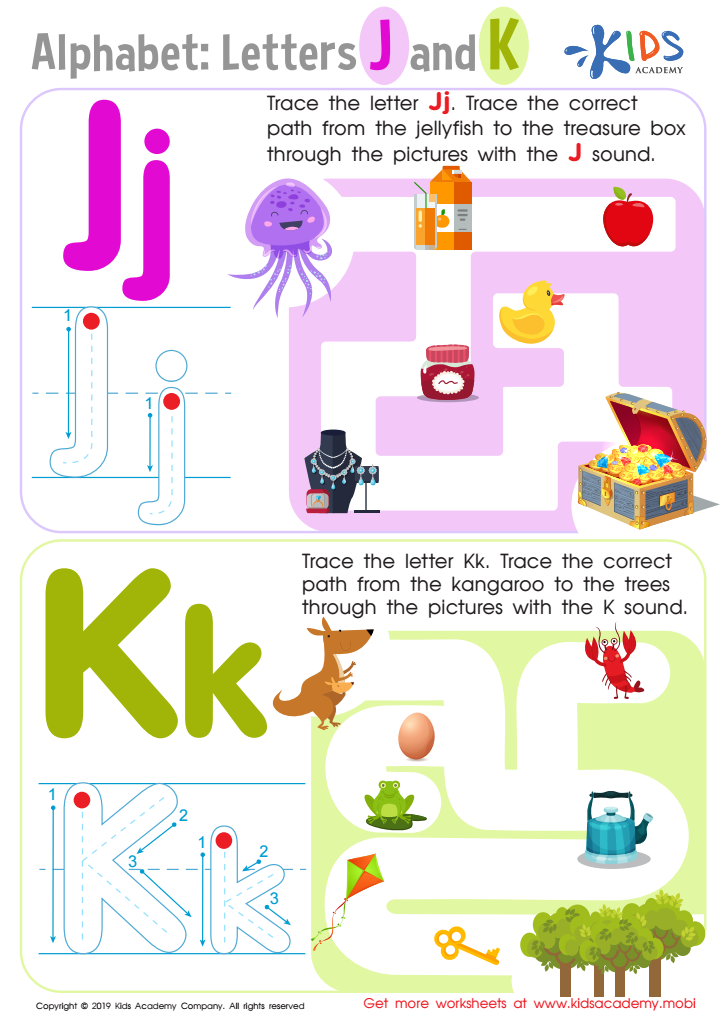
Letters J and K Tracing Worksheet
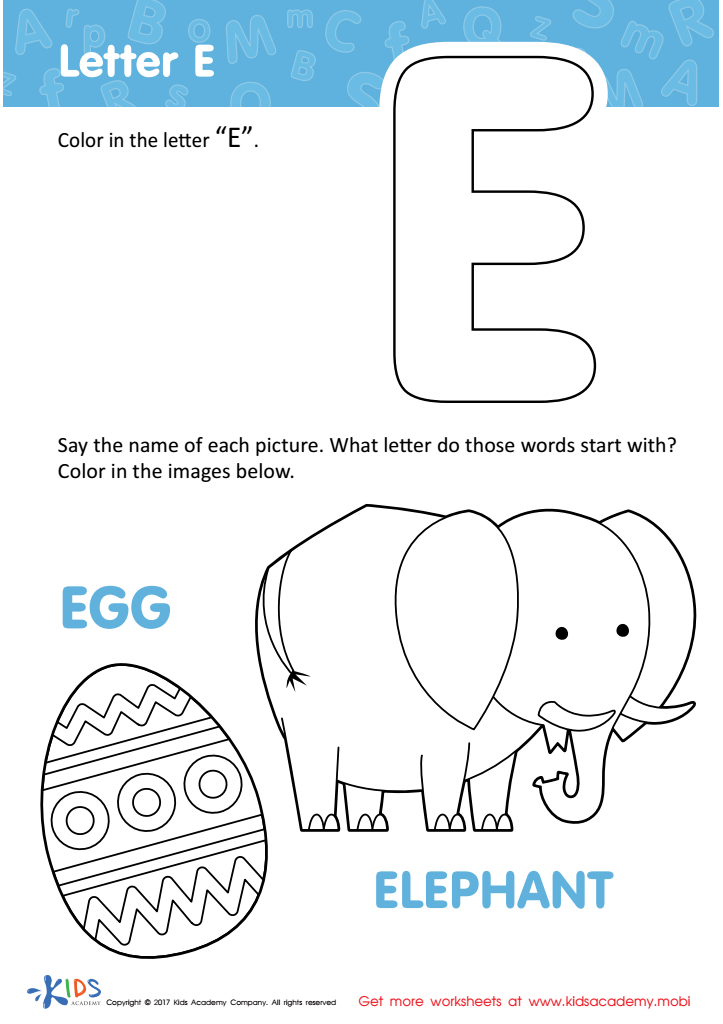
Letter E Coloring Sheet
 Assign to My Students
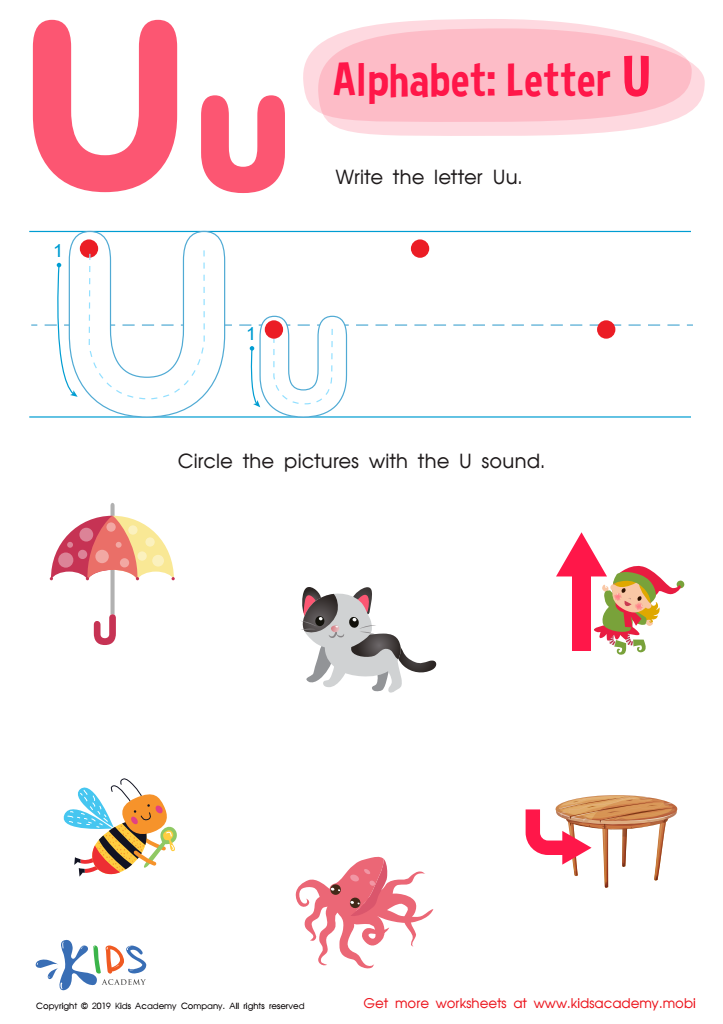
Letter U Tracing Worksheet
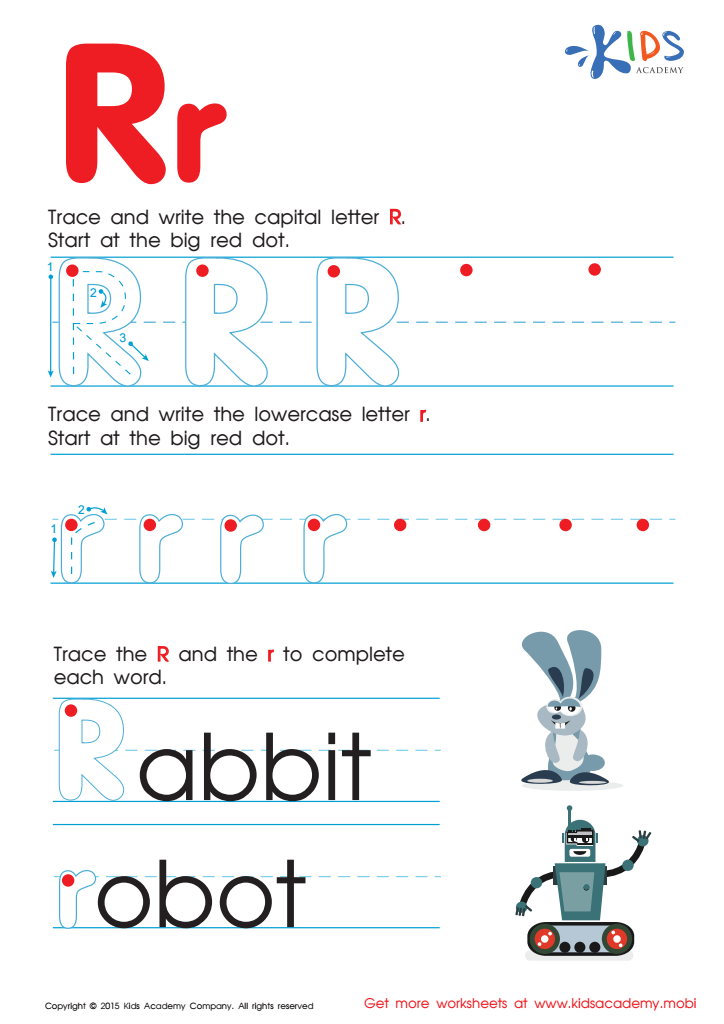
Letter R Tracing Page
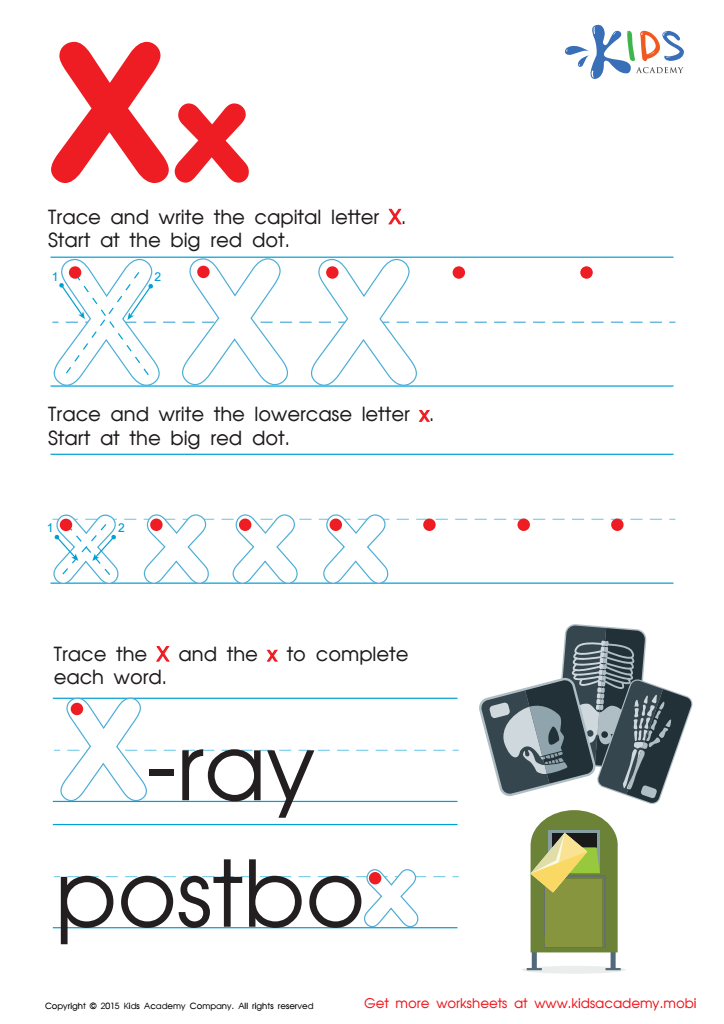
Letter X Tracing Page
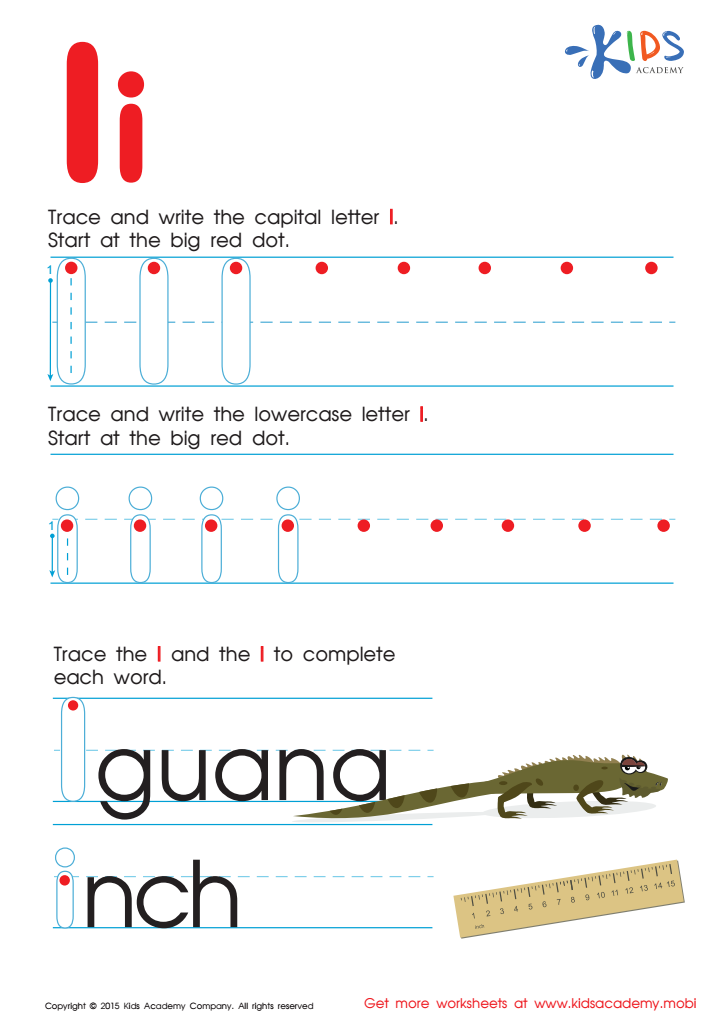
Letter I Tracing Page
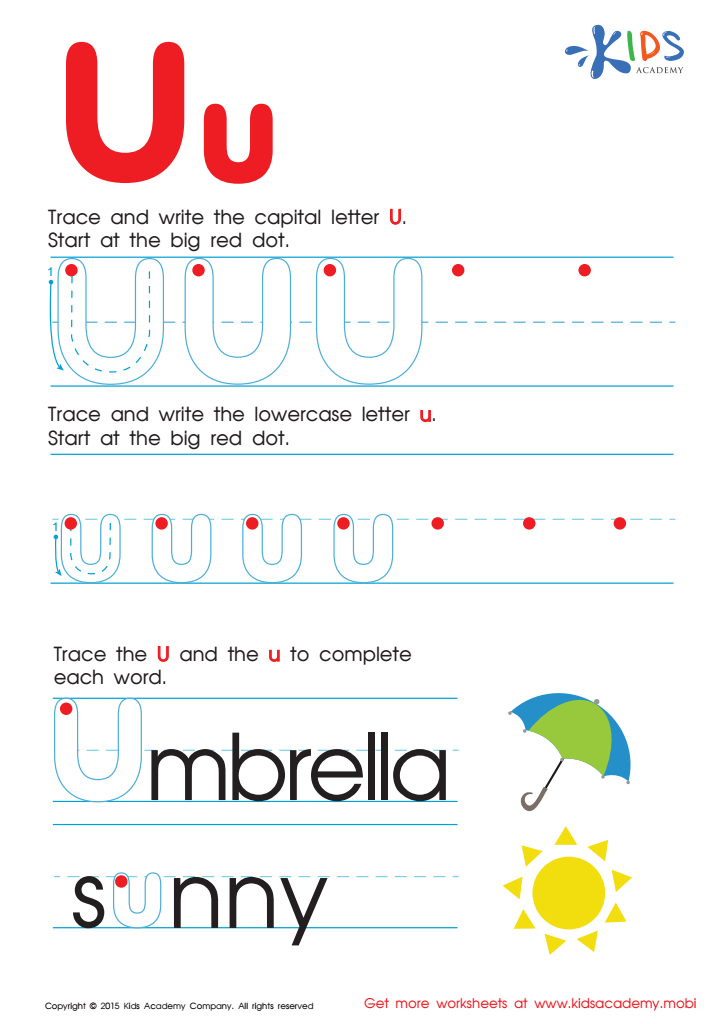
Letter U Tracing Page
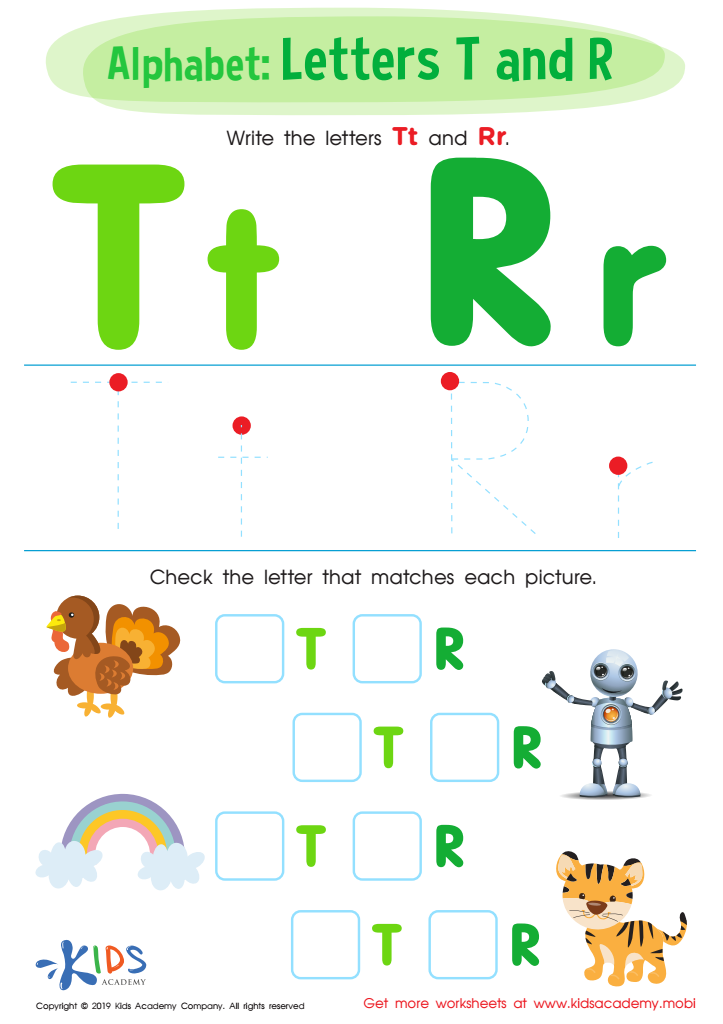
Letters T and R Worksheet
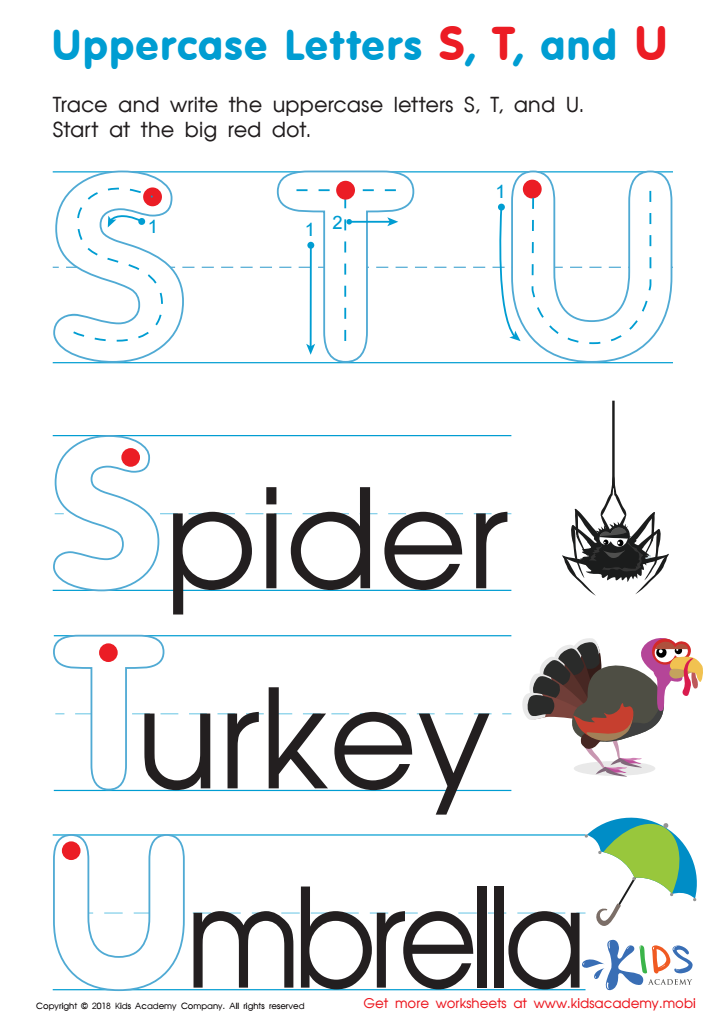
Uppercase Letters S, T, and U Worksheet
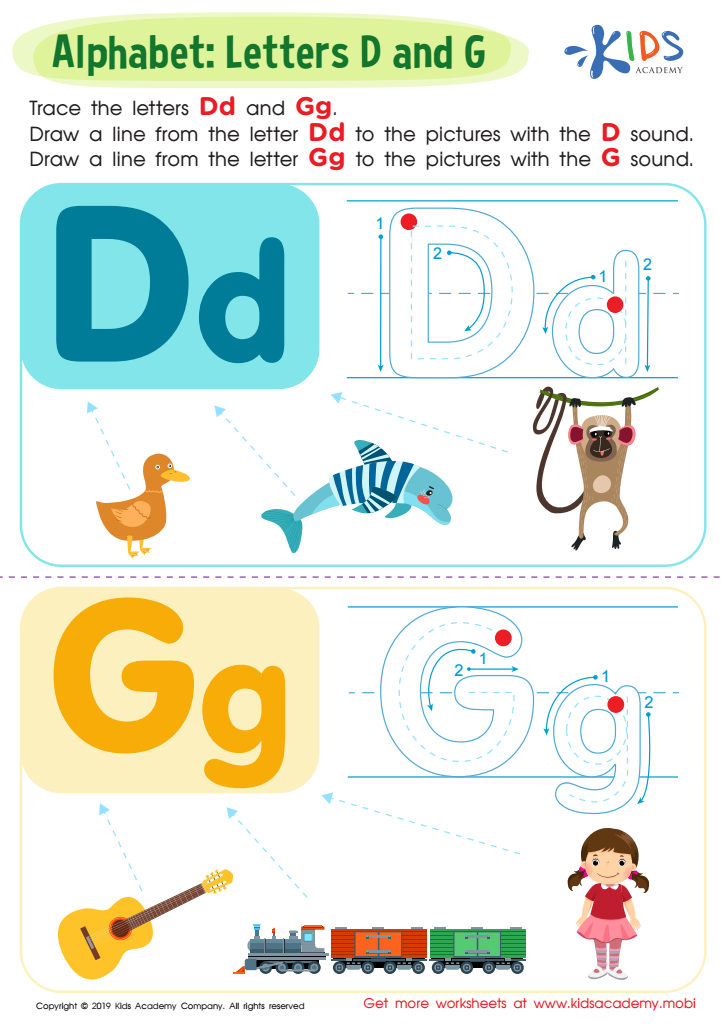
Letter D and G Tracing Worksheet
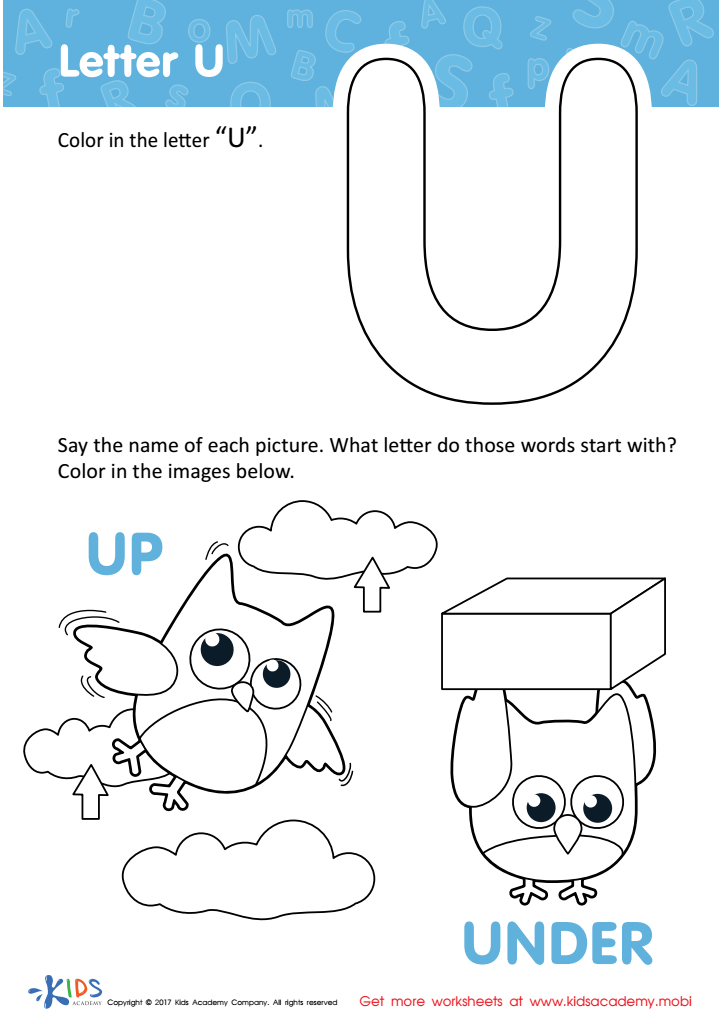
Letter U Coloring Sheet
Assign to My Students
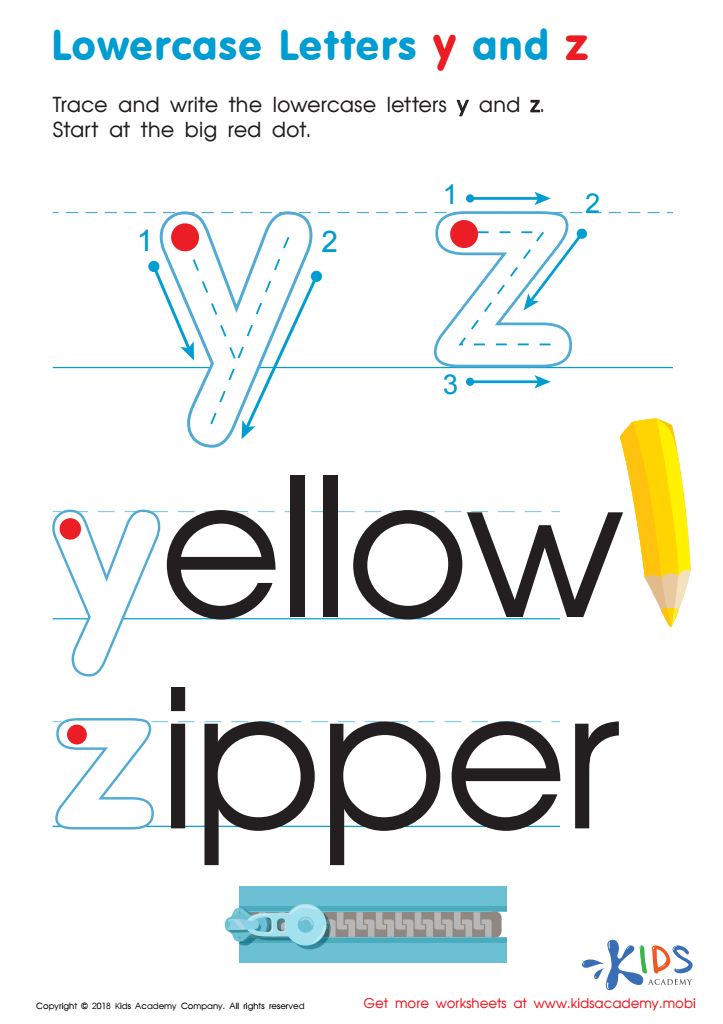
Lowercase Letters y z Worksheet
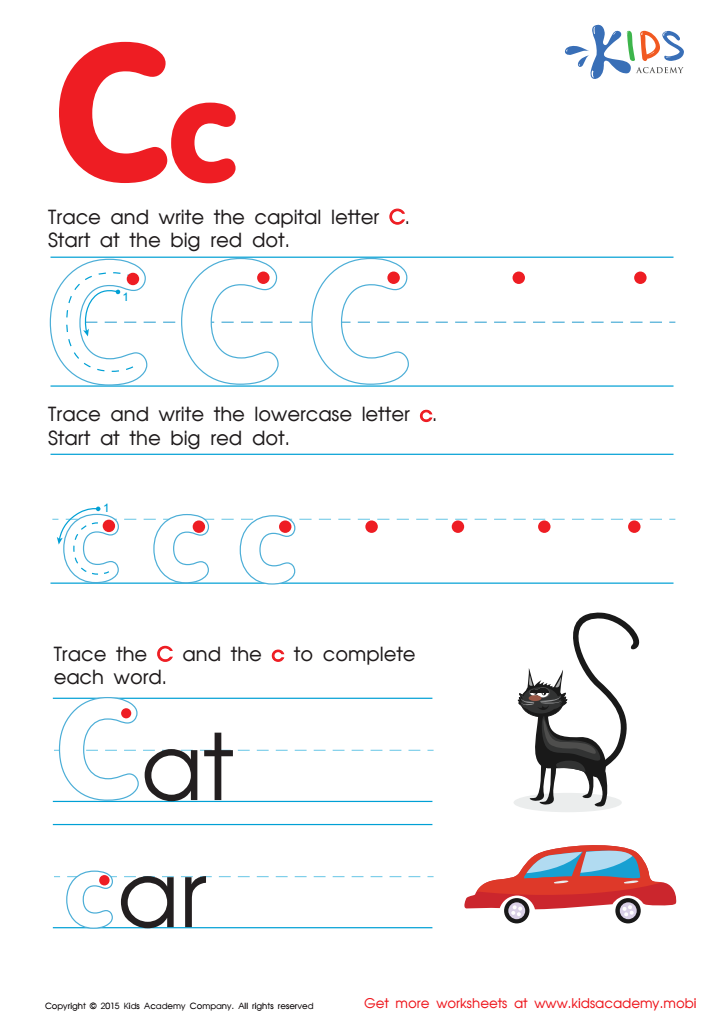
Letter C Tracing Page
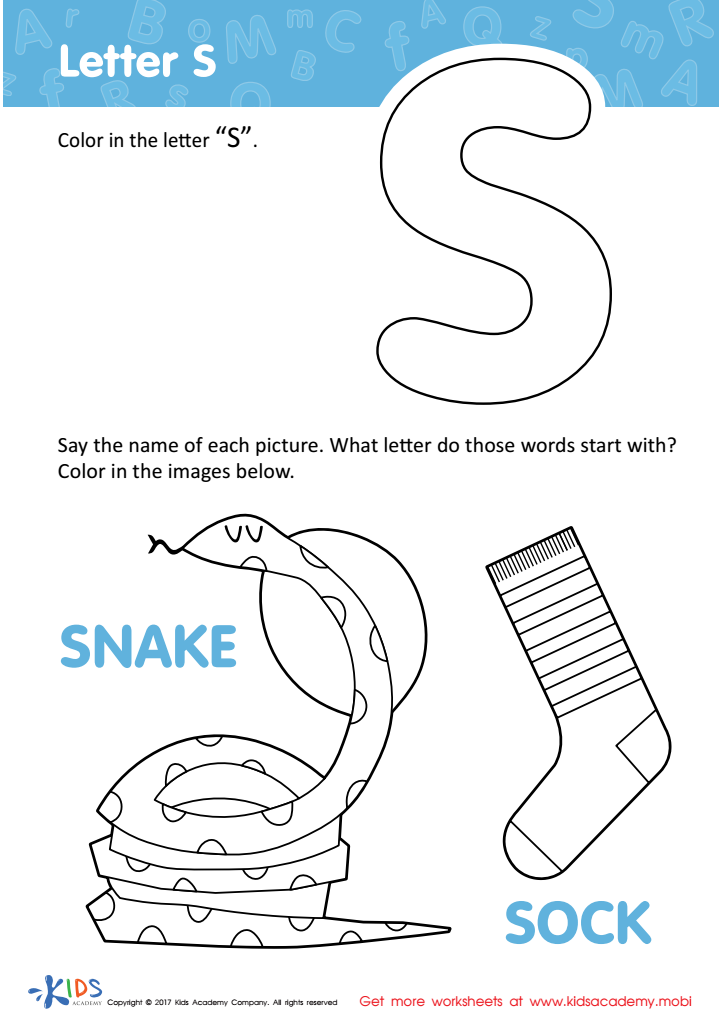
Letter S Coloring Sheet
Assign to My Students
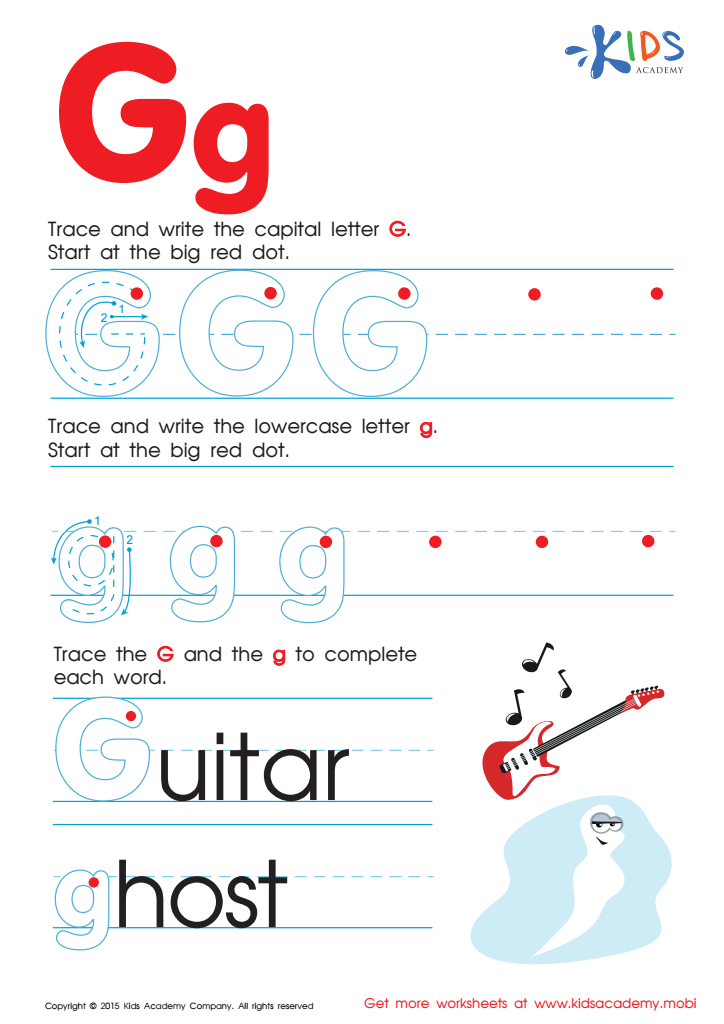
Letter G Tracing Page
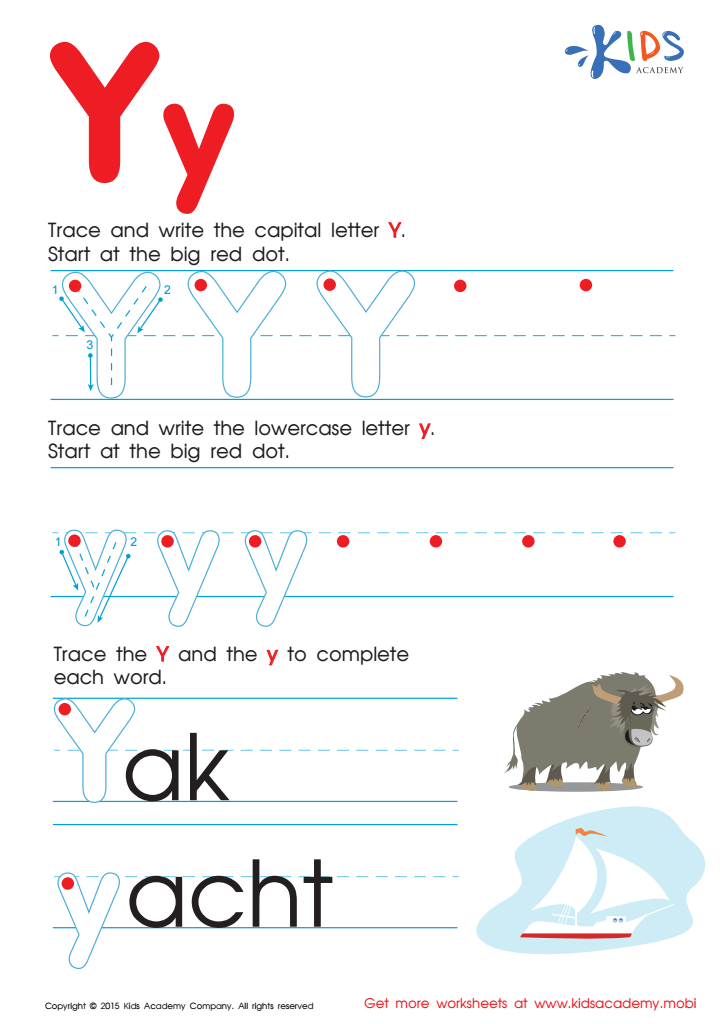
Letter Y Tracing Page
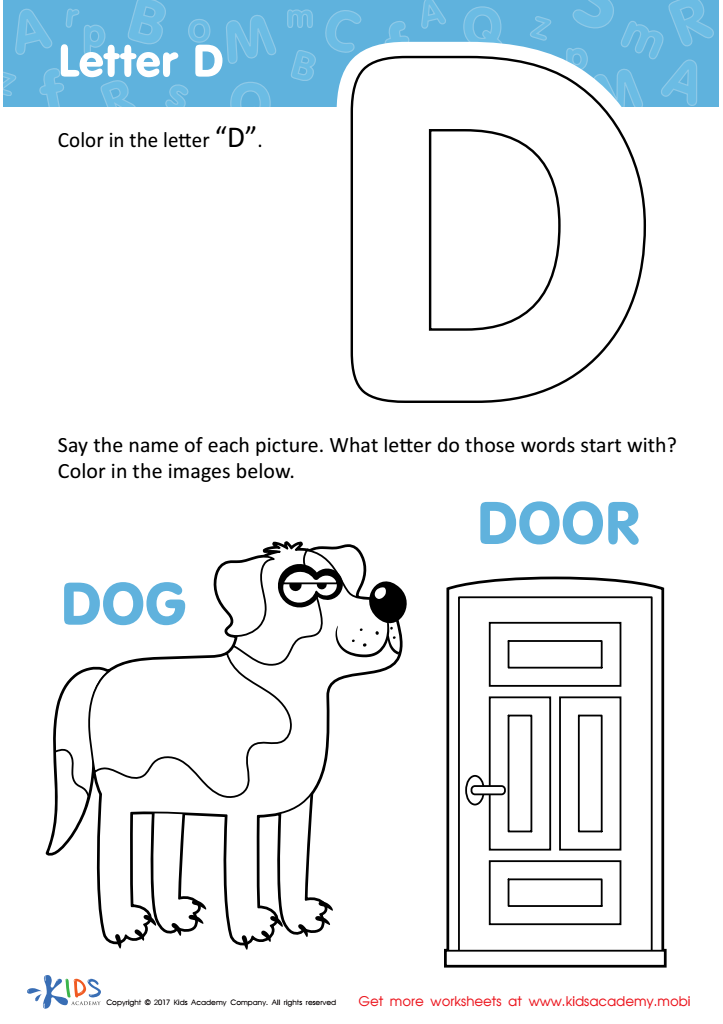
Letter D Coloring Sheet
Assign to My Students
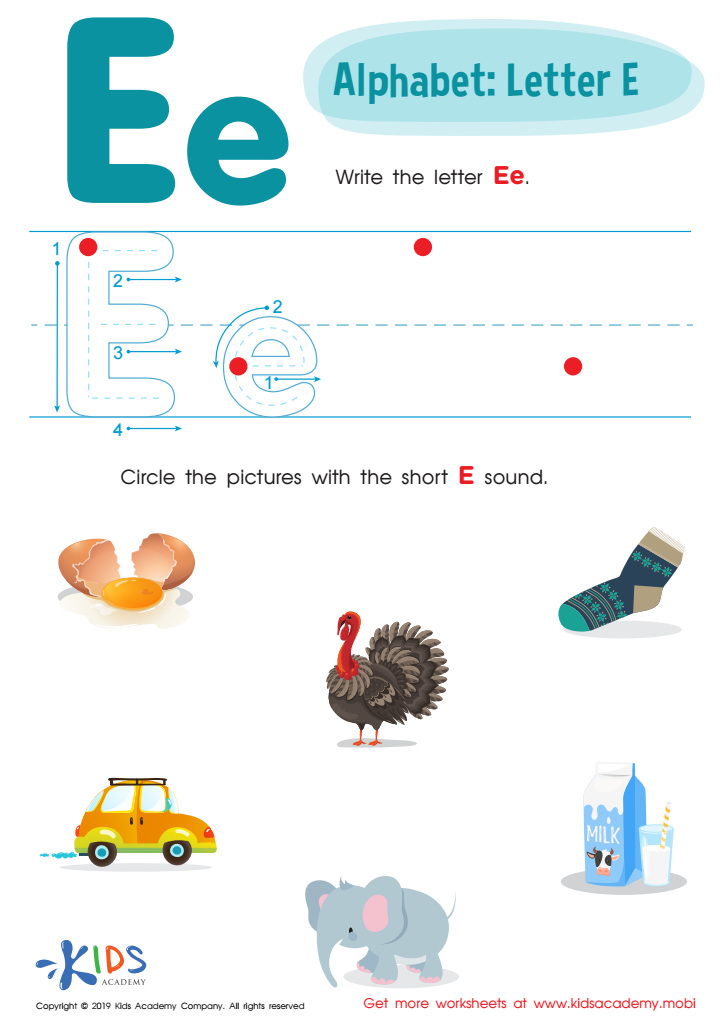
Letter E Tracing Worksheet
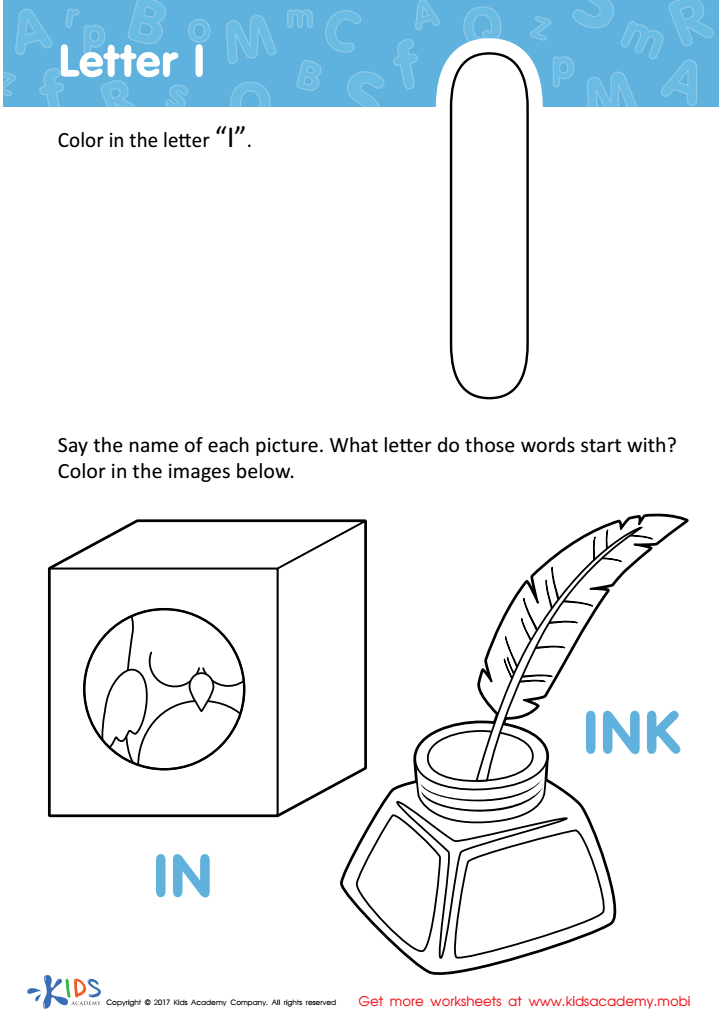
Letter I Coloring Sheet
Assign to My Students
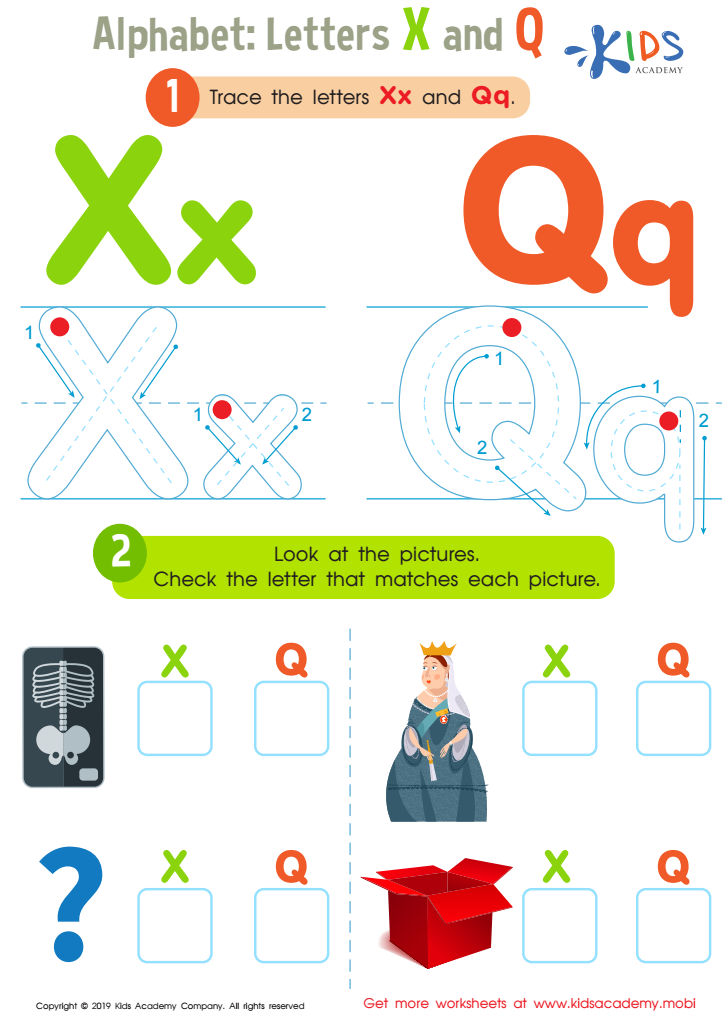
Letters X and Q Tracing Worksheet
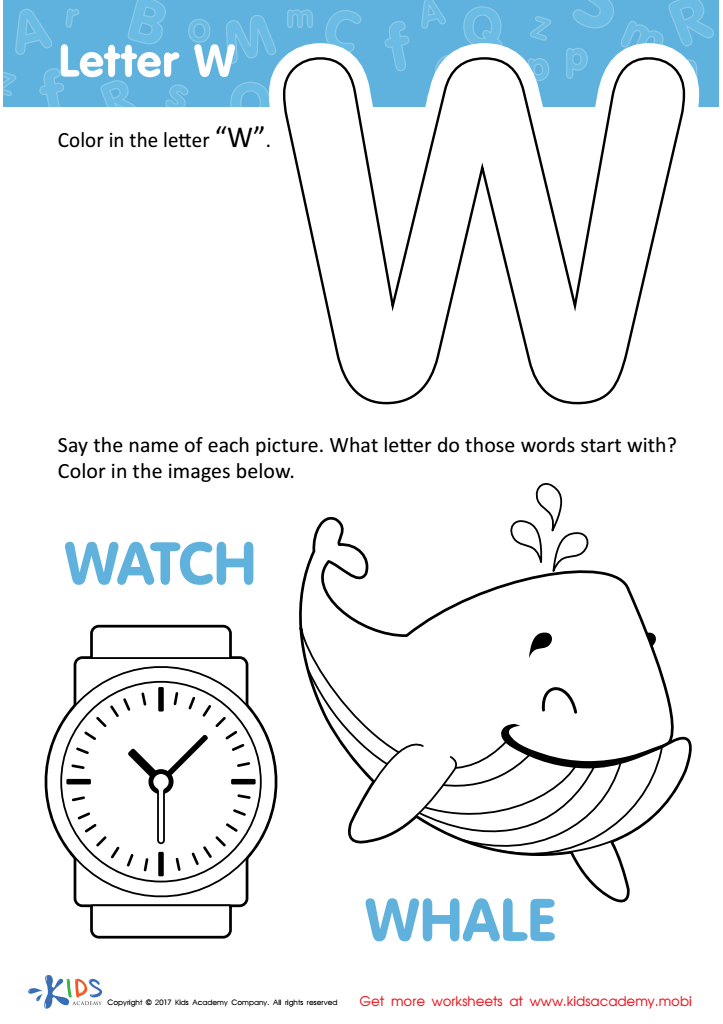
Letter W Coloring Sheet
Assign to My Students
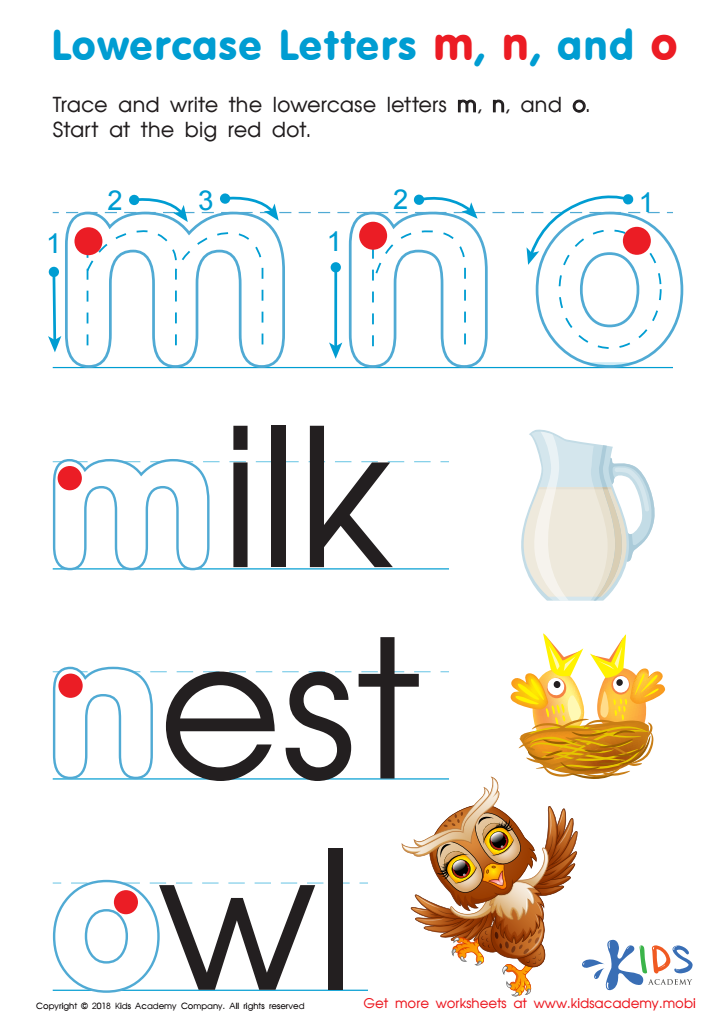
Lowercase Letters m n o Worksheet
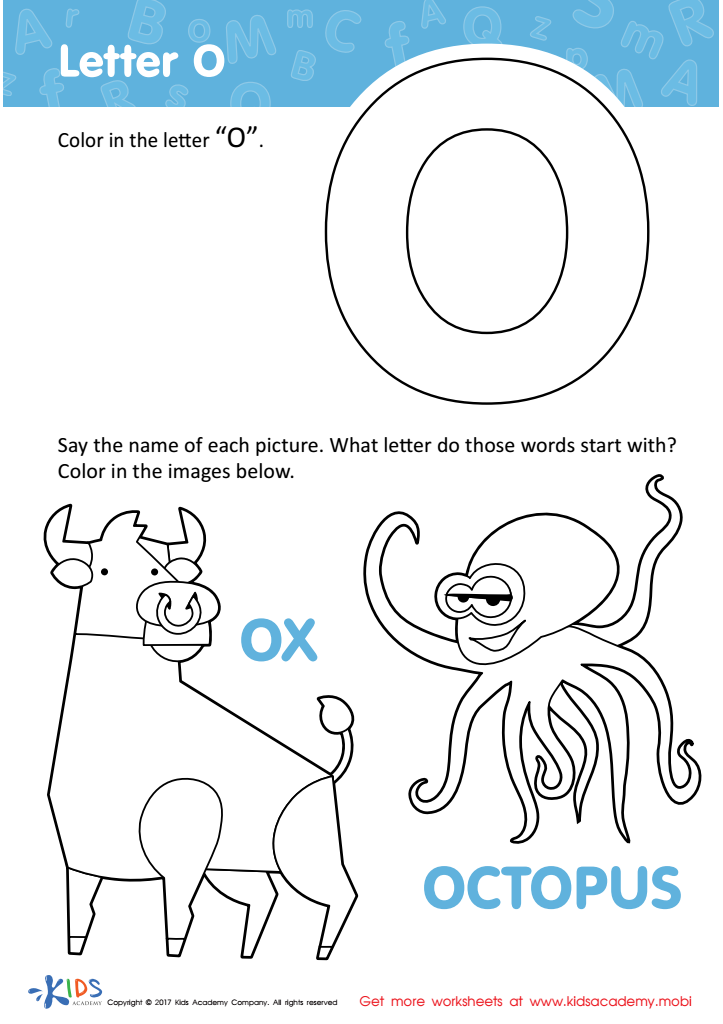
Letter O Coloring Sheet
Assign to My Students
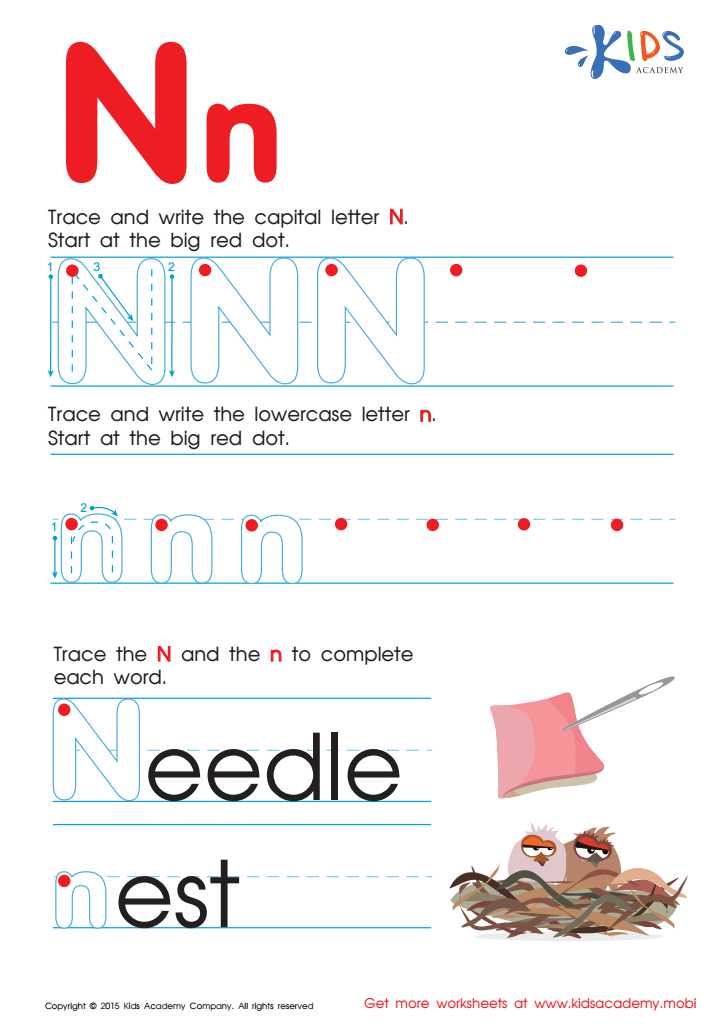
Letter N Tracing Page








Handwriting practice and letter recognition are fundamental skills for children aged 6-9 because they are crucial for academic success and cognitive development. Good handwriting supports clear communication and demonstrates mastery of key educational standards. When young learners practice handwriting, they develop fine motor skills and hand-eye coordination, both of which are essential for many other daily tasks.
Letter recognition is equally important because it lays the foundation for reading and writing proficiency. Children who easily recognize letters spend less cognitive energy on identifying them and can focus more on comprehending text and forming coherent thoughts. This proficiency promotes confidence and ease as they progress academically.
Moreover, consistent handwriting practice enforces the left-to-right movement essential in reading, teaches organization through uniform letter appearance, and encourages patience and attention to detail. Recognizing and writing letters also engage different brain processes which aids memory and learning. Educators and parents who prioritize these activities contribute to a child's broader linguistic capability, ultimately helping them perform better across subjects. Teachers can better develop tailored learning interventions when aware of each child's handwriting and recognition issues, fostering a holistically supportive learning environment. Therefore, investing time in these foundational skills is crucial for a child's long-term literacy and overall educational journey.







