Vocabulary enhancement Letter Recognition Worksheets for Ages 6-9
4 filtered results
-
From - To
Boost your child's language development with our "Vocabulary Enhancement Letter Recognition Worksheets" designed for ages 6-9. These engaging and educational worksheets focus on improving vocabulary while reinforcing letter recognition skills. Each activity is thoughtfully crafted to make learning fun and effective, helping children connect letters to words, and expanding their verbal repertoire. Ideal for young learners, these worksheets ensure interactive and hands-on experience. Perfect for classroom or home use, our printable sheets support foundational literacy skills, setting your child on a path to excellence in reading, writing, and overall communication. Explore now and watch your child’s vocabulary flourish!
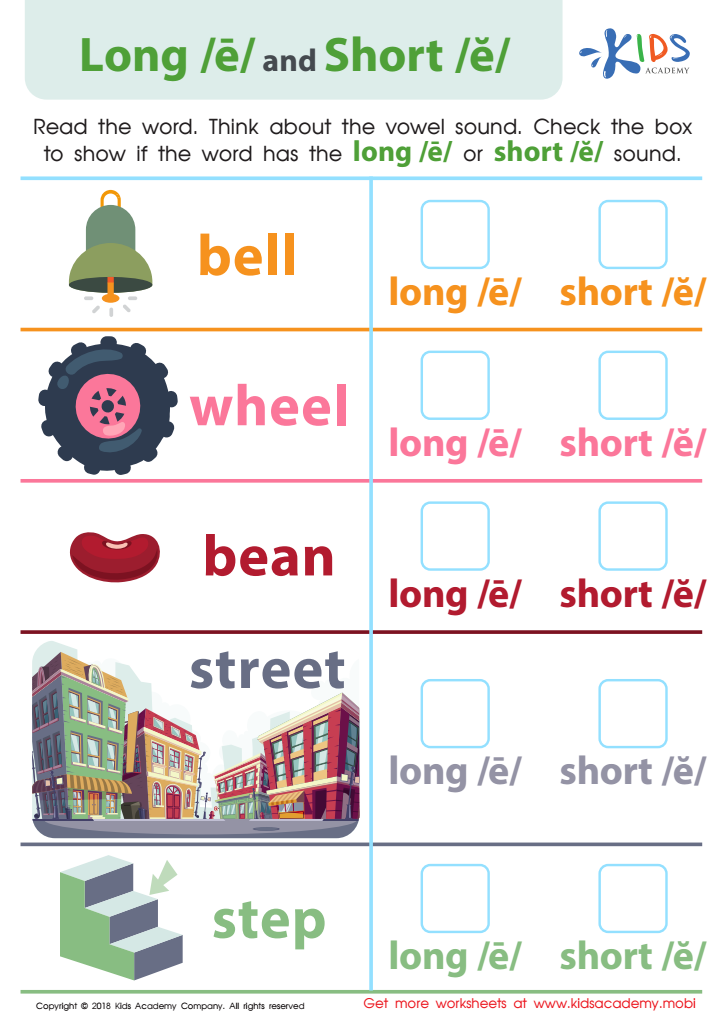
Reading: Long E and Short E Worksheet
 Assign to My Students
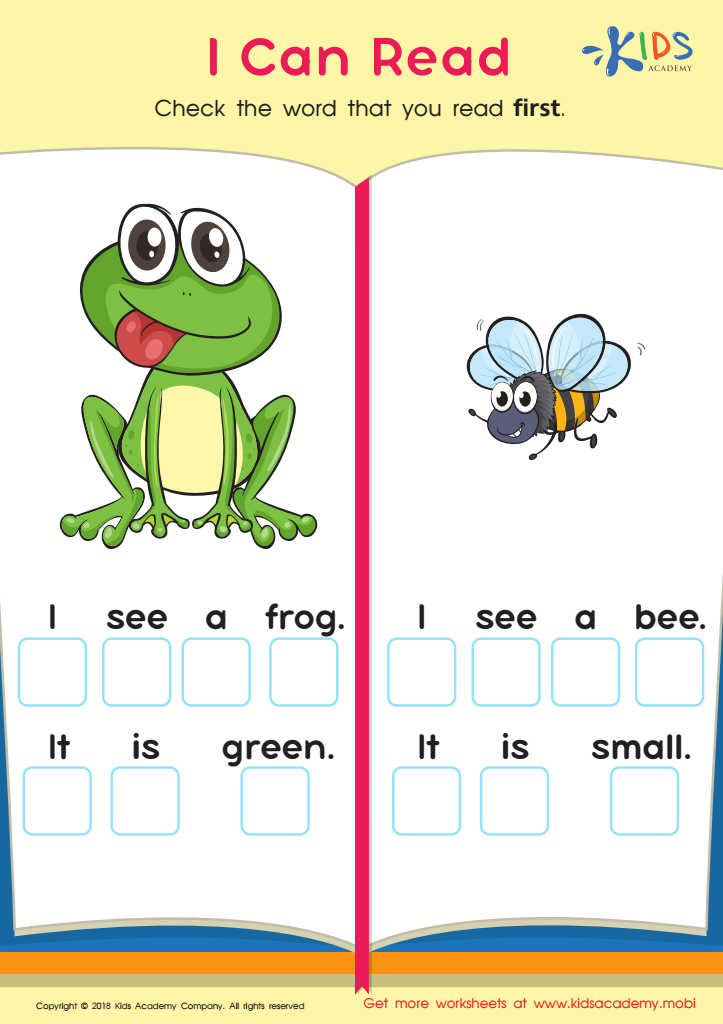
I Can Read Worksheet
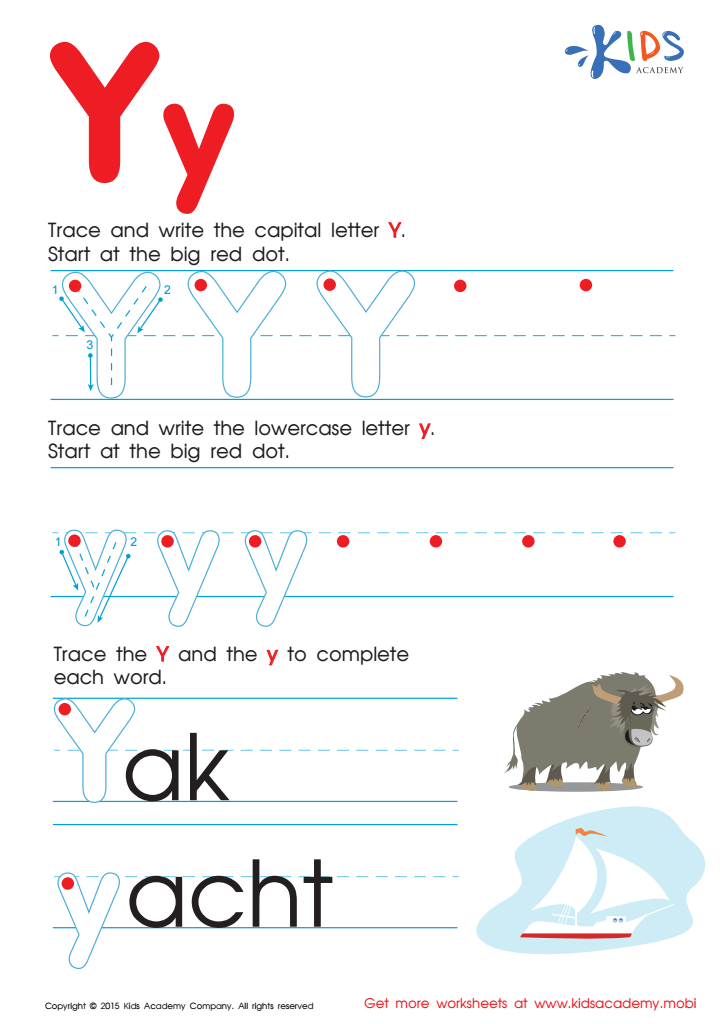
Letter Y Tracing Page
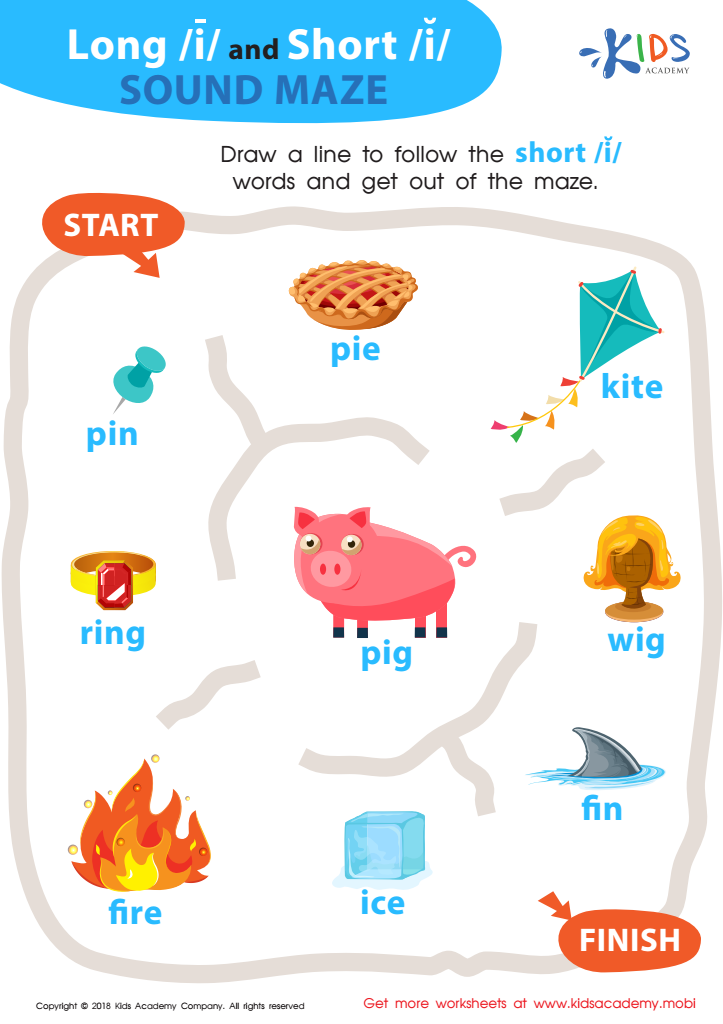
Reading: Long I and Short I Sound Maze Worksheet








Vocabulary enhancement and letter recognition are crucial for young learners aged 6-9 for several reasons. Firstly, a robust vocabulary is foundational for effective communication. When children know more words, they can express their thoughts, needs, and feelings more clearly and confidently, both in speaking and writing.
Furthermore, vocabulary and letter recognition are directly linked to reading proficiency. At this formative stage, students transition from learning to read to reading to learn. Recognizing letters and understanding a wide range of words enable them to comprehend texts more effectively. This developed comprehension skill not only enhances their academic performance in literacy but also supports learning across other subjects such as science, social studies, and math, where understanding instructions and content is vital.
Additionally, letter recognition is a fundamental building block of phonics—understanding that letters and combinations of letters make specific sounds. Phonics skills are essential for decoding new words while reading.
Lastly, enhancing vocabulary and letter recognition at a young age fosters a love for reading and learning. When children can read effortlessly, they are more likely to enjoy books and pursue learning independently. This love of reading not only enriches their imagination and creativity but also sets a positive tone for lifelong learning and curiosity. Therefore, parents and teachers should prioritize these skills, given their broad and lasting impact on a child’s developmental trajectory.







