Vocabulary Building Phonics Worksheets for Ages 6-9
13 filtered results
-
From - To
Our "Vocabulary Building Phonics Worksheets for Ages 6-9" are designed to help young learners enhance their language skills in a fun and effective way. These carefully crafted worksheets focus on phonics, helping children understand the relationship between letters and sounds. Each activity is tailored to improve vocabulary, making learning interactive and engaging. Perfect for both classroom use and home practice, our worksheets support kids in mastering new words and developing strong reading abilities. Empower your child’s learning journey with our comprehensive collection of vocabulary-building resources. Explore more and watch your child’s confidence in reading grow!
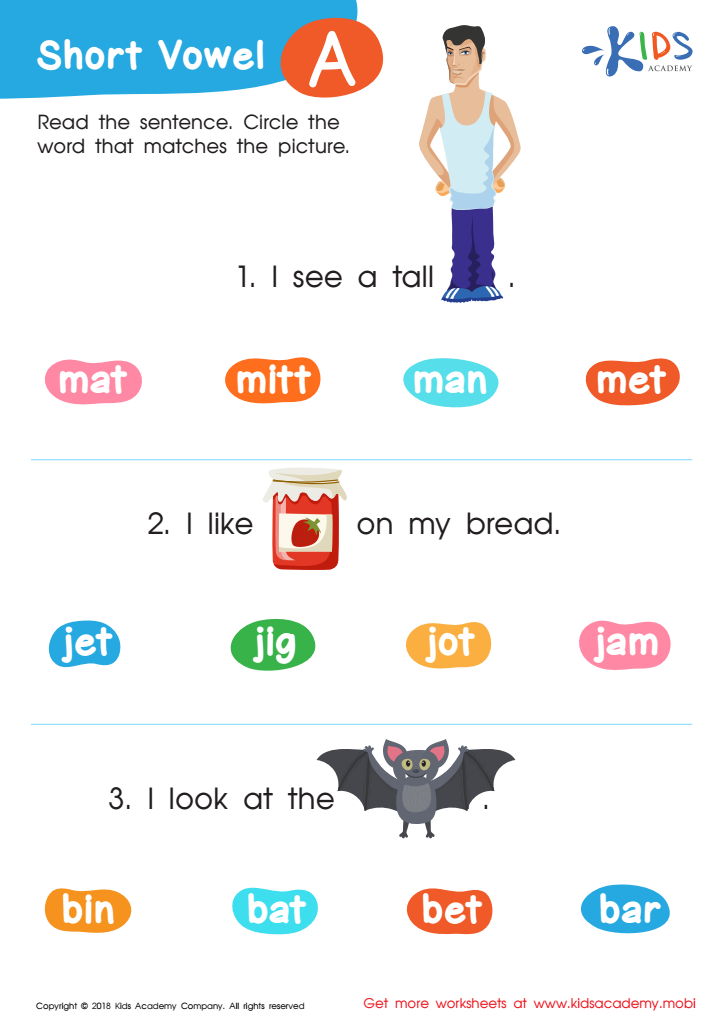
Short Vowel /a/ Worksheet
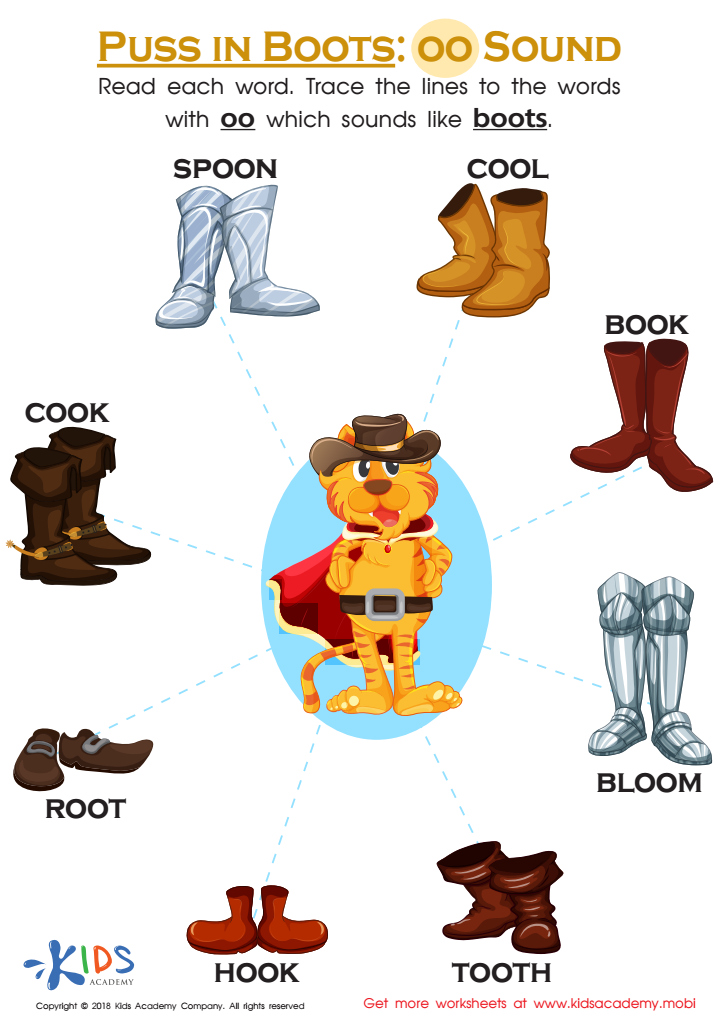
Puss in Boots: OO Sound Worksheet
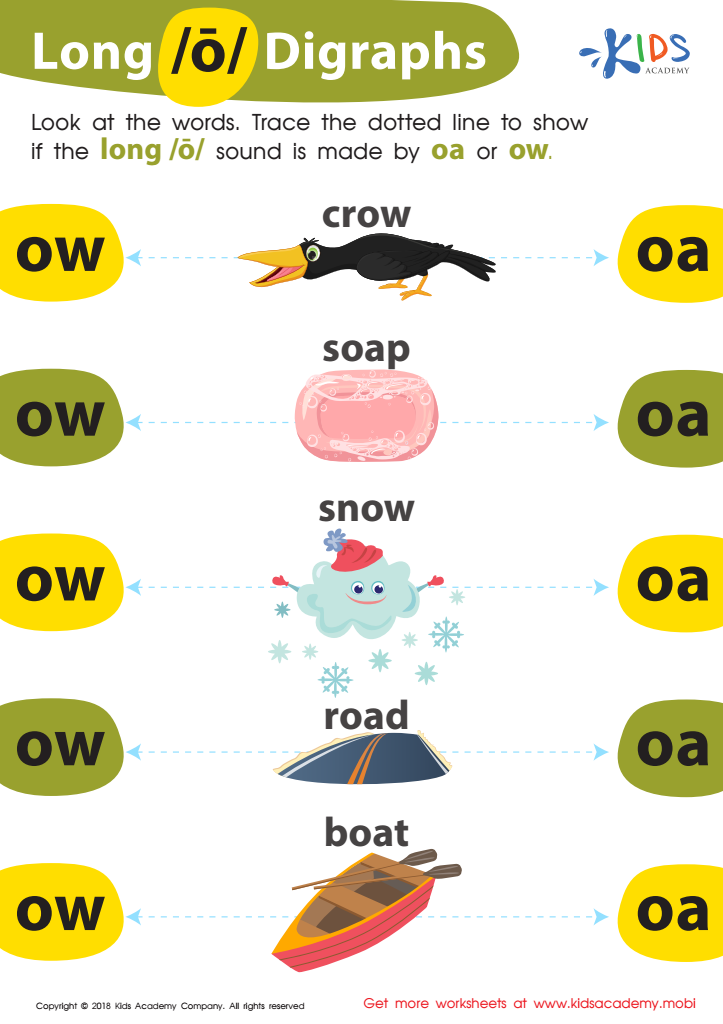
Reading: Long O Digraphs Worksheet
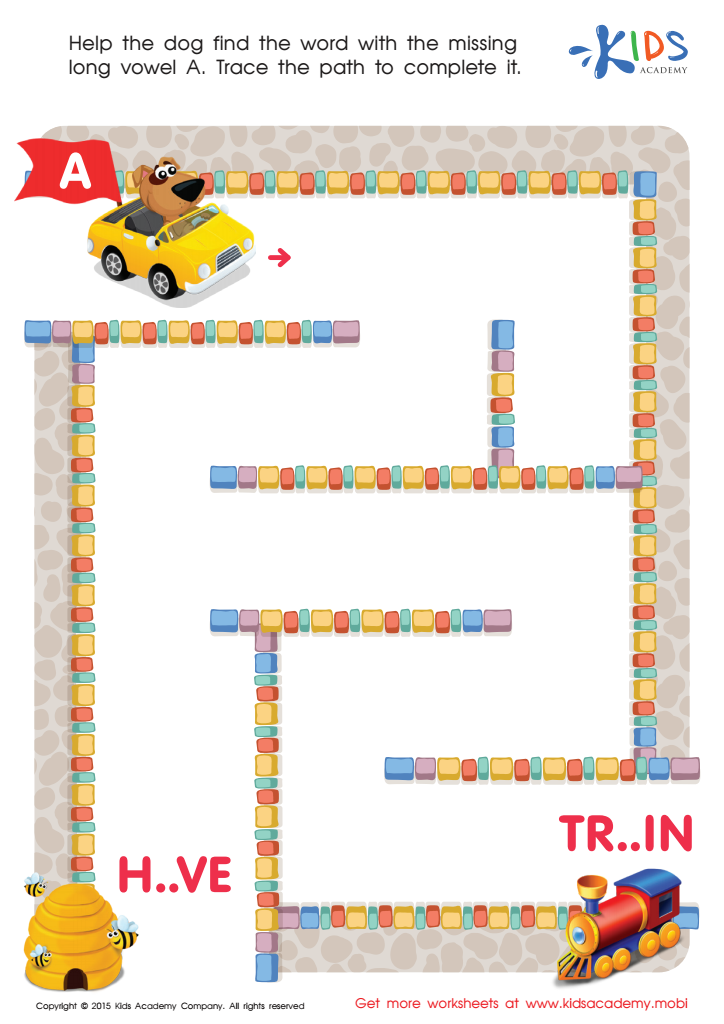
Long Vowel Sound A Worksheet
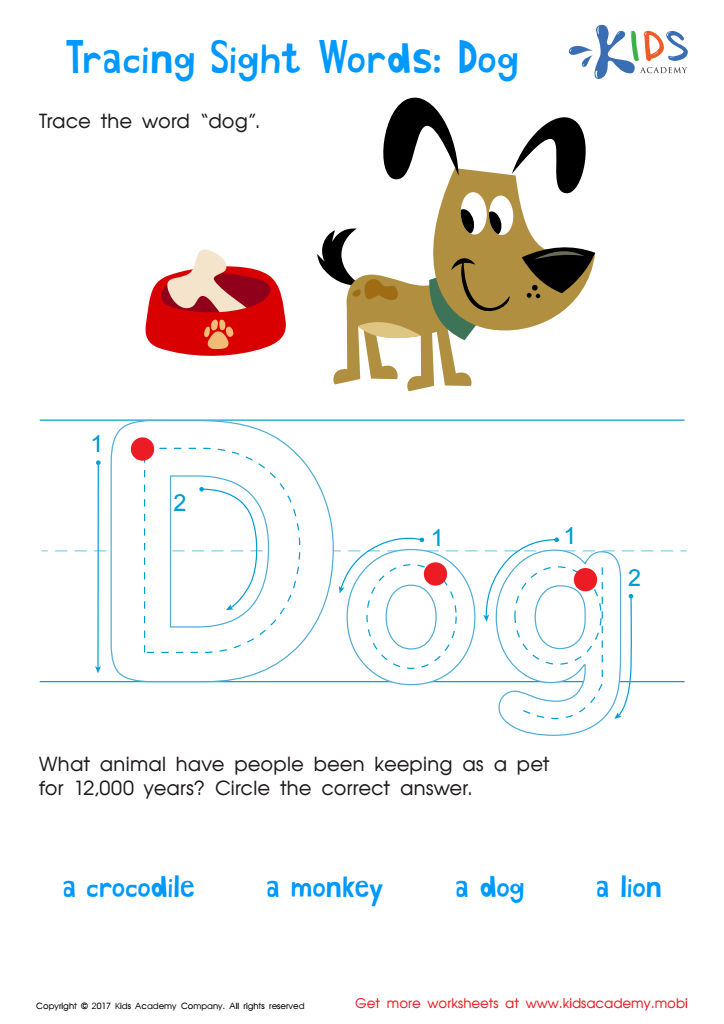
Dog Worksheet Sight Words Worksheet
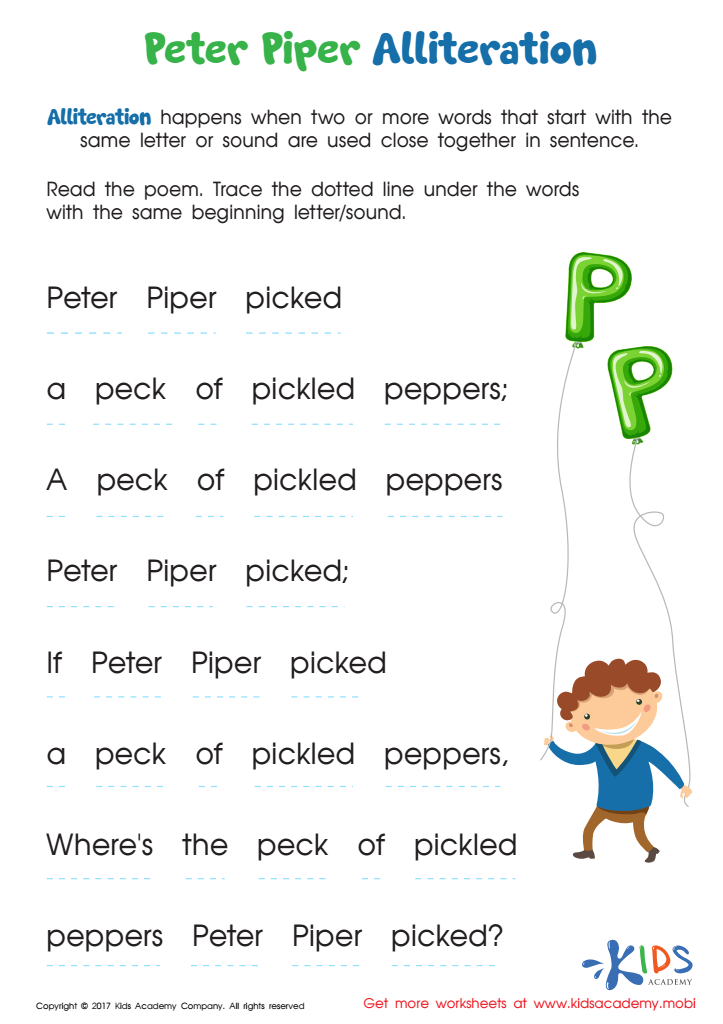
Peter Piper Alliteration Worksheet
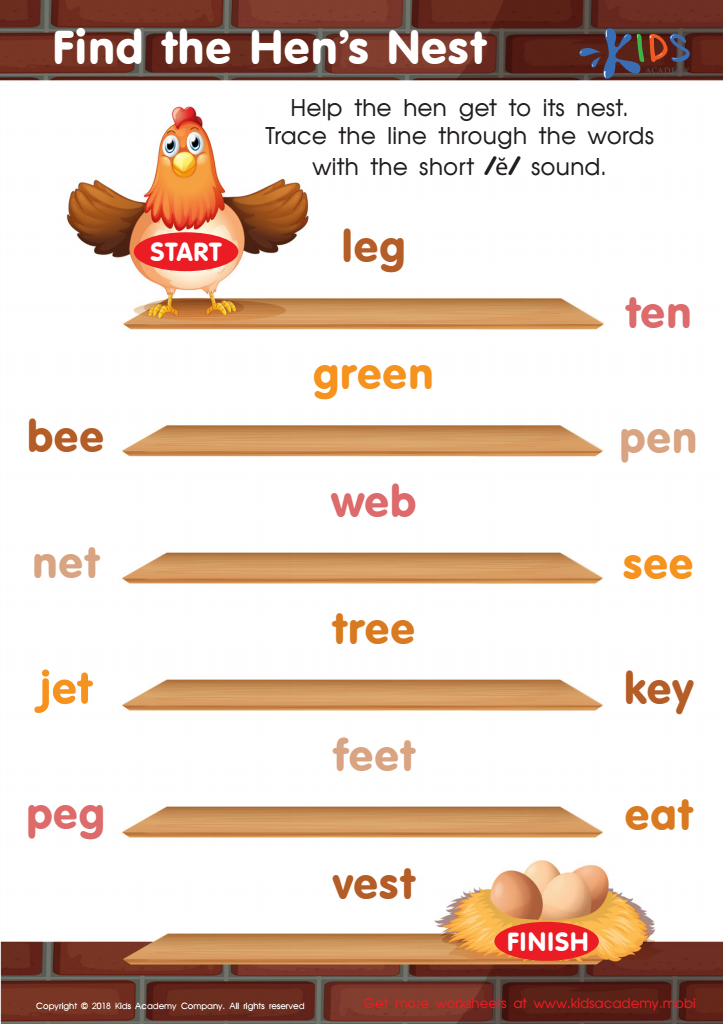
Find Hens Nest Reading Worksheet
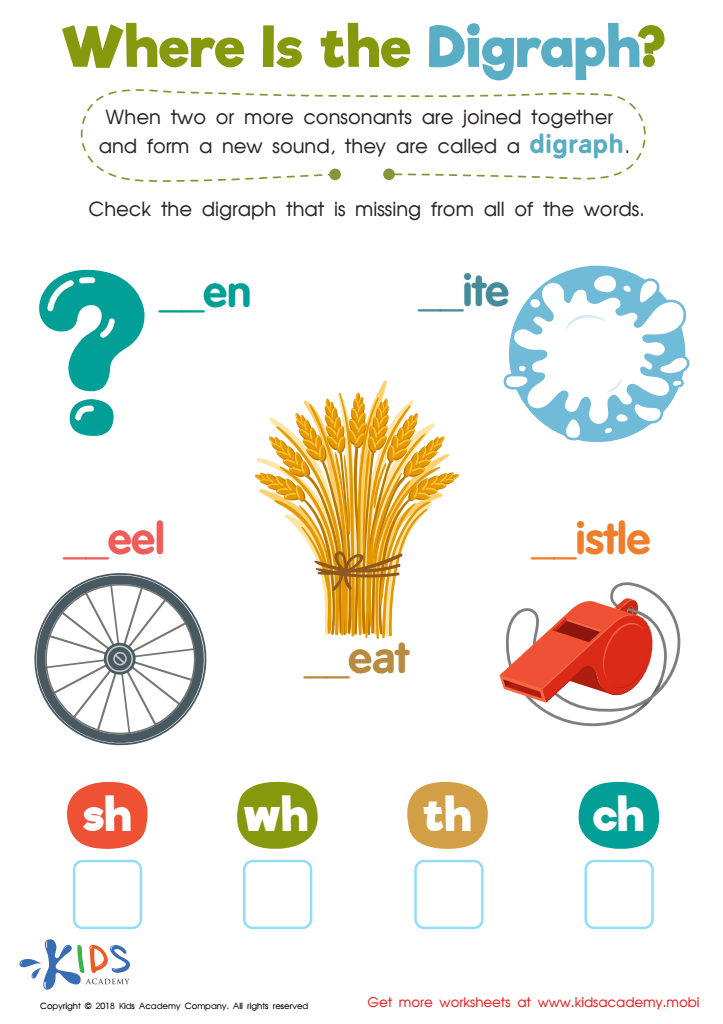
Where Is the Digraph? Worksheet
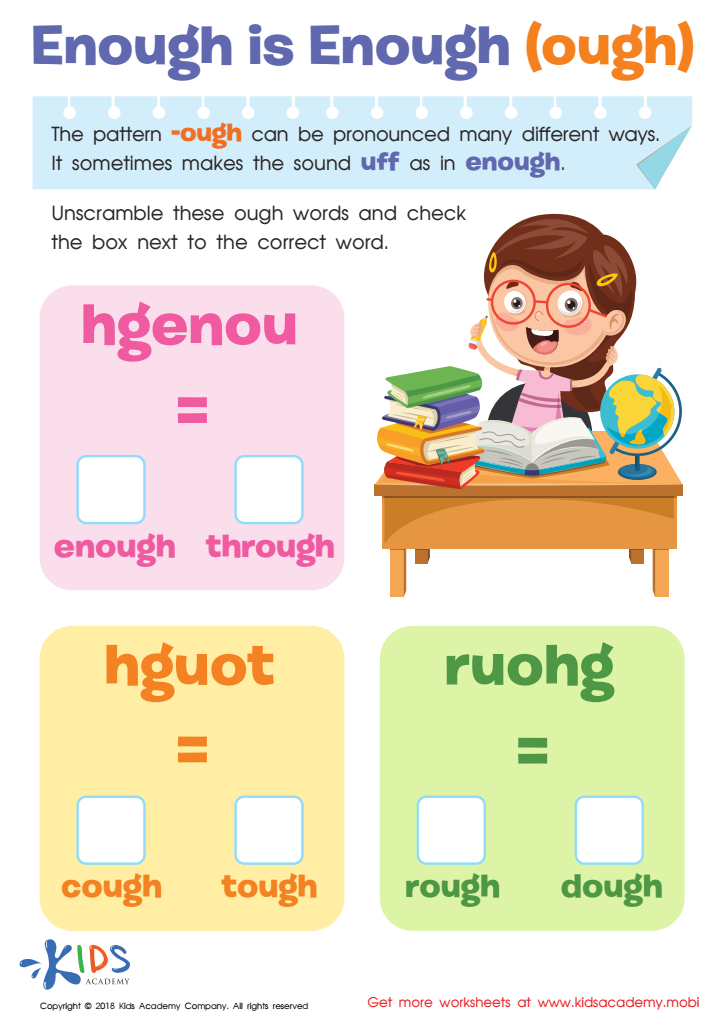
Enough Is Enough (ough) Worksheet
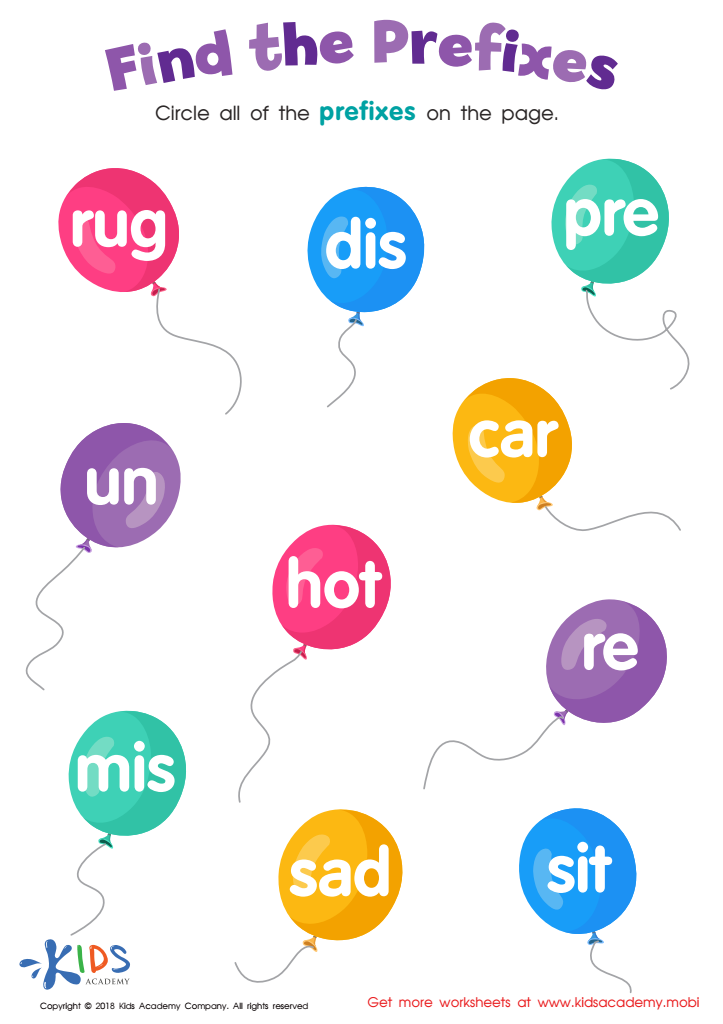
Reading: Find the Prefixes Worksheet
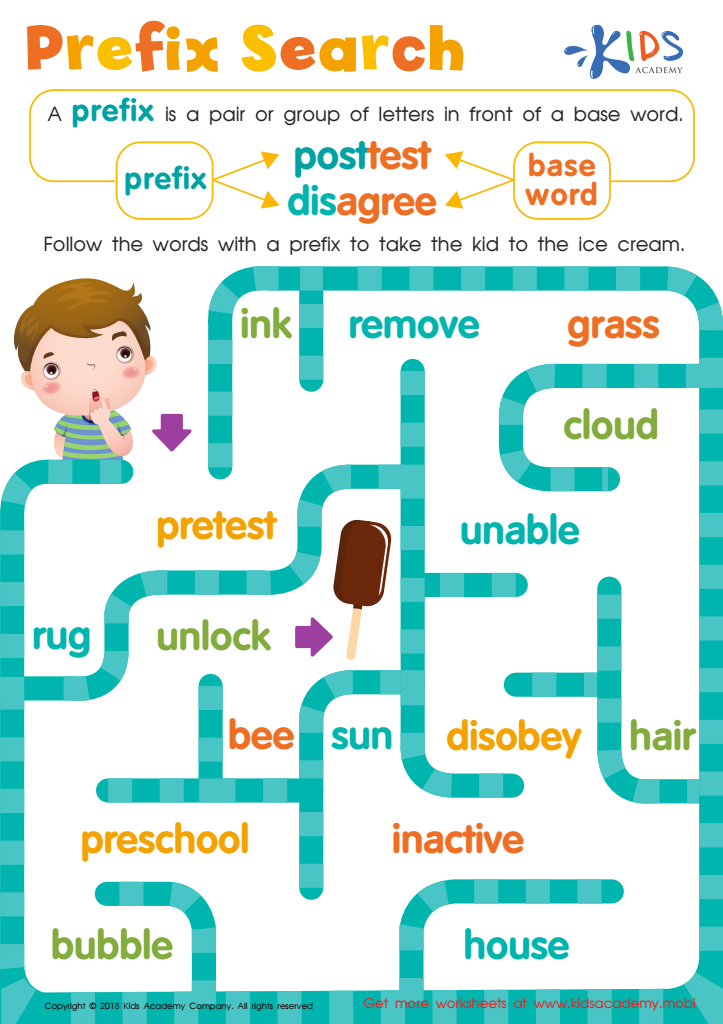
Reading: Prefix Search Worksheet
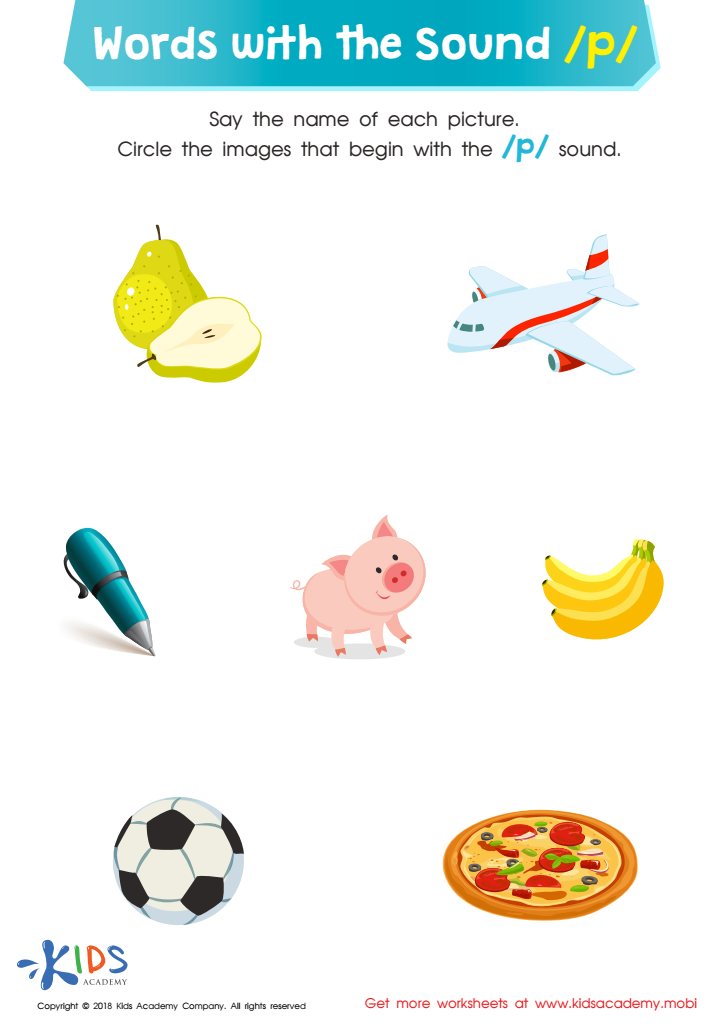
Words with sound p Reading Worksheet
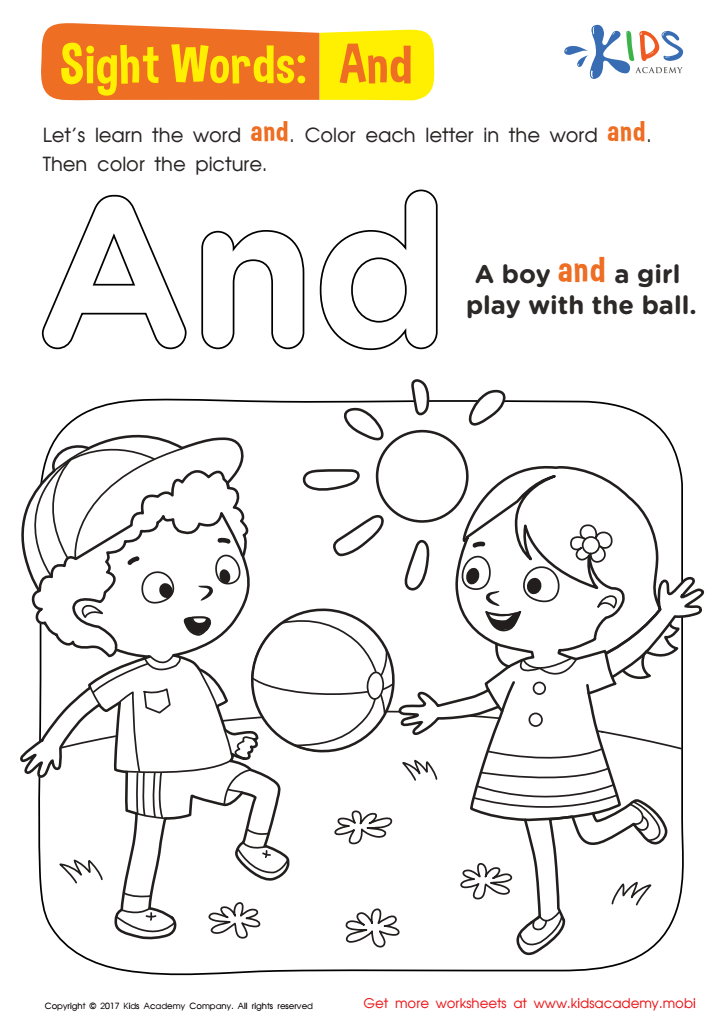
And Worksheet Sight Words Worksheet
 Assign to My Students








Vocabulary building and phonics for children ages 6-9 are essential cornerstones in their literacy development, and parents and teachers should give significant attention to this phase for several important reasons.
At this age, children are rapidly developing their language skills, and a strong vocabulary base significantly impacts their ability to read fluently and comprehend what they read. A robust vocabulary helps children understand and absorb information better, enhancing their academic performance across all subjects. Phonics, which is the system of relationships between letters and sounds in a language, is crucial for children's reading development. Mastery of phonics enables children to decode new words independently, which fosters reading confidence and proficiency.
Moreover, early vocabulary expansion and phonics understanding promote effective communication skills. Children who have a wide range of vocabulary and a good grasp of phonics are better able to express themselves clearly and engage in more complex conversations. These skills also set a foundation for spelling and writing abilities, further supporting their academic journey.
Finally, developing these skills early on reduces the risk of future learning difficulties. Children who struggle with reading often face challenges in other learning areas as well. Therefore, parents and teachers investing in vocabulary building and phonics contribute to their long-term academic success and overall intellectual development.







