Reading comprehension Short Vowels Worksheets for Ages 6-9
8 filtered results
-
From - To
Enhance your child's reading skills with our engaging Reading Comprehension Short Vowels Worksheets, designed for ages 6-9. These worksheets focus on developing foundational reading comprehension by familiarizing children with short vowel sounds through fun and interactive exercises. Each activity encourages students to identify and understand words, sentences, and stories that incorporate short vowels, helping them improve their phonetic skills and overall literacy. Perfect for at-home practice or classroom use, these worksheets ensure a comprehensive learning experience. By mastering short vowels, children will gain confidence in their reading abilities, setting the stage for future success in language and literacy.
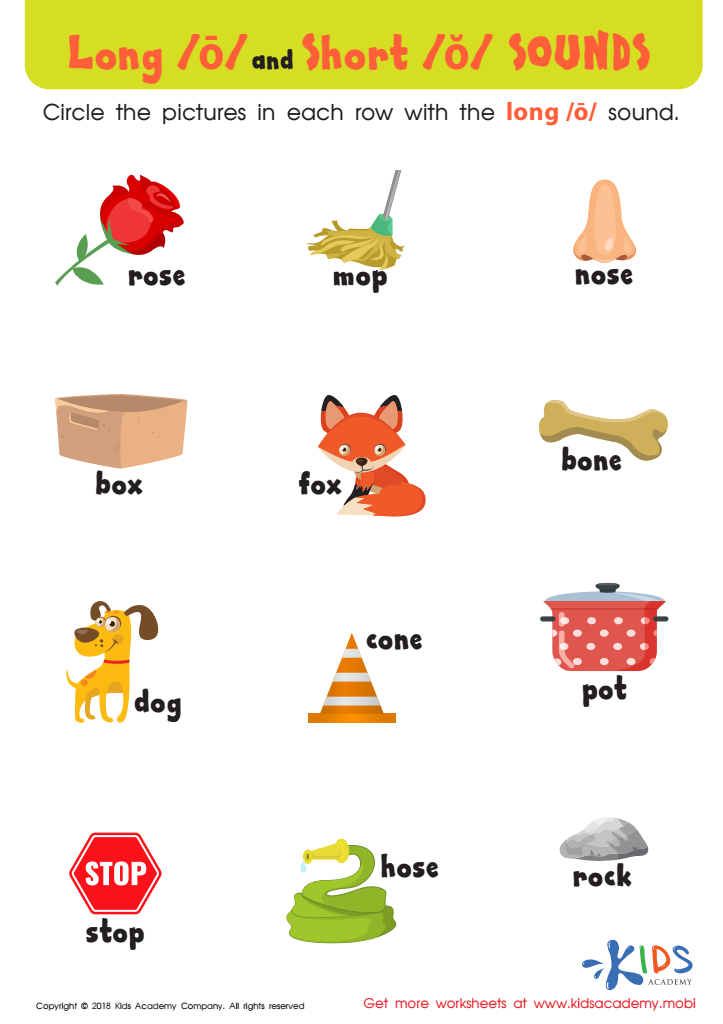
Reading: Long O and Short O Sounds Worksheet
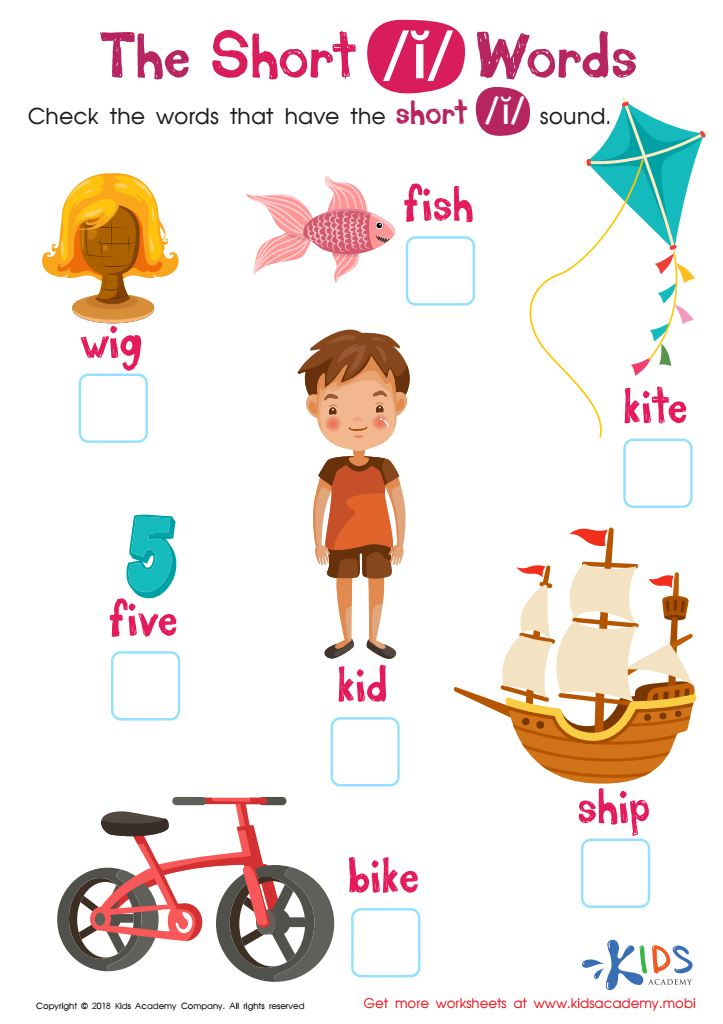
The Short I Words Reading Worksheet
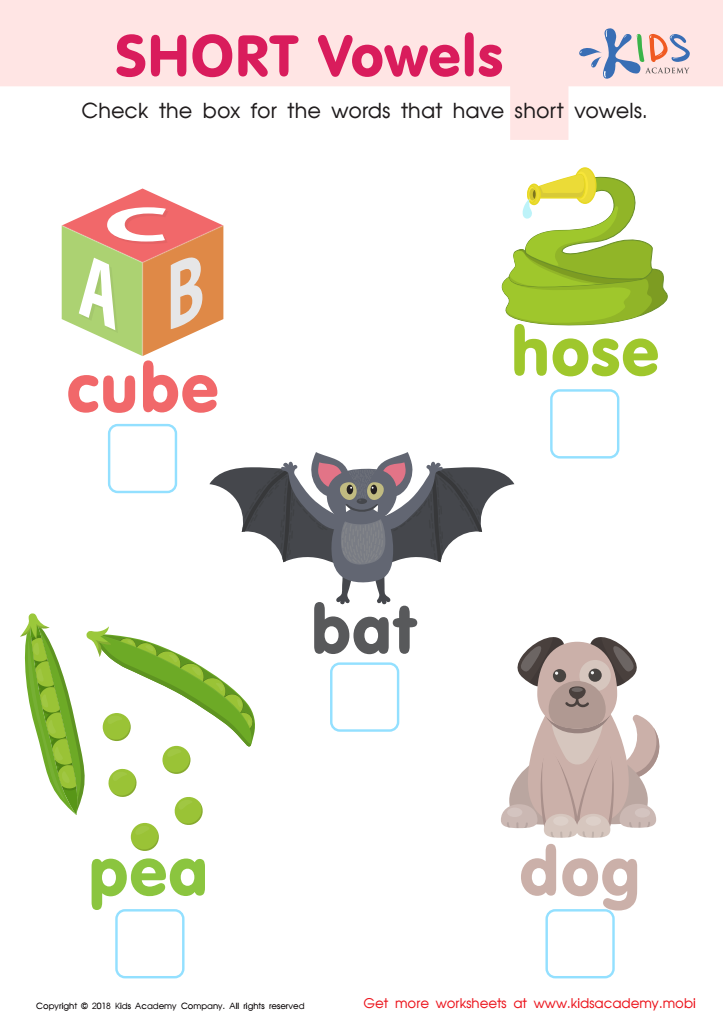
short vowels Worksheet
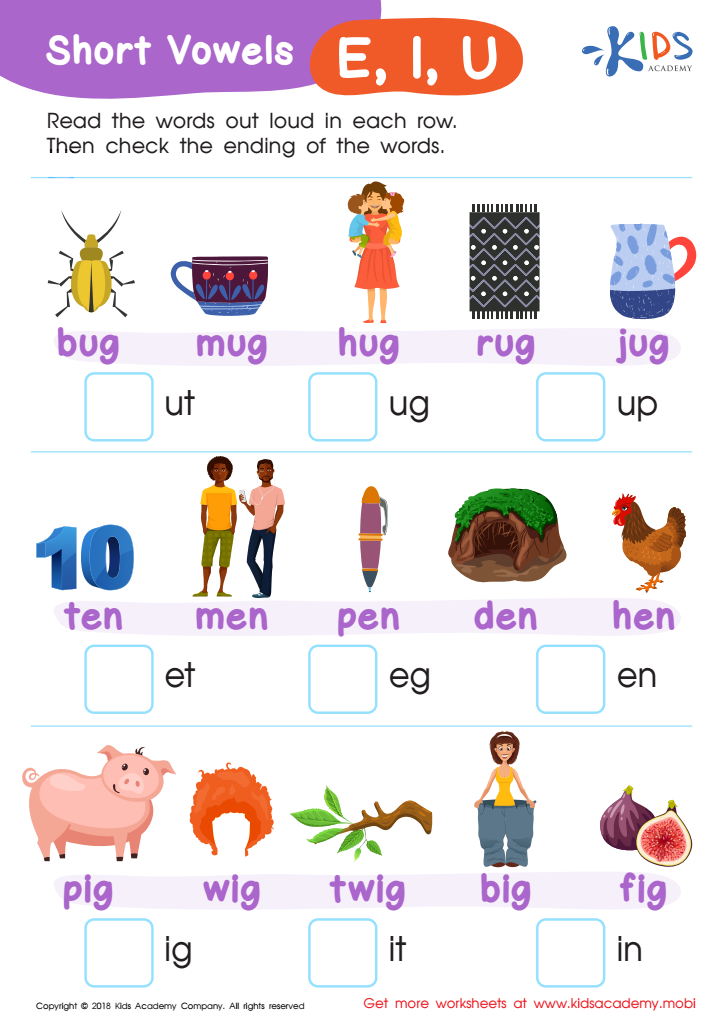
Short Vowels /e/, /i/, and /u/ Worksheet
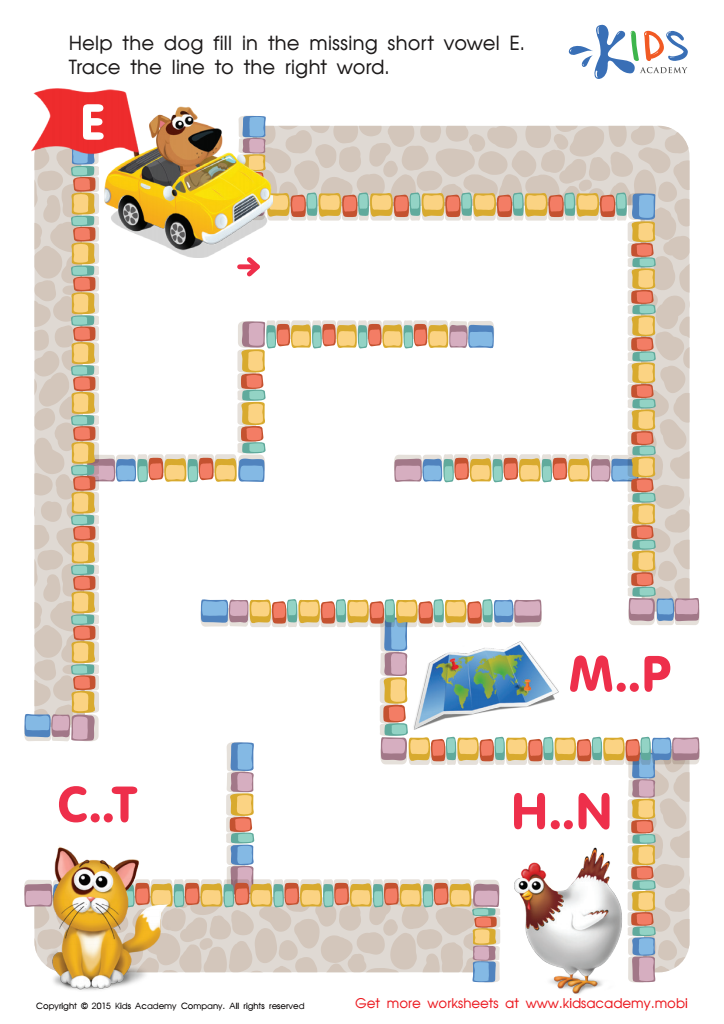
Short Vowel Sound E Worksheet
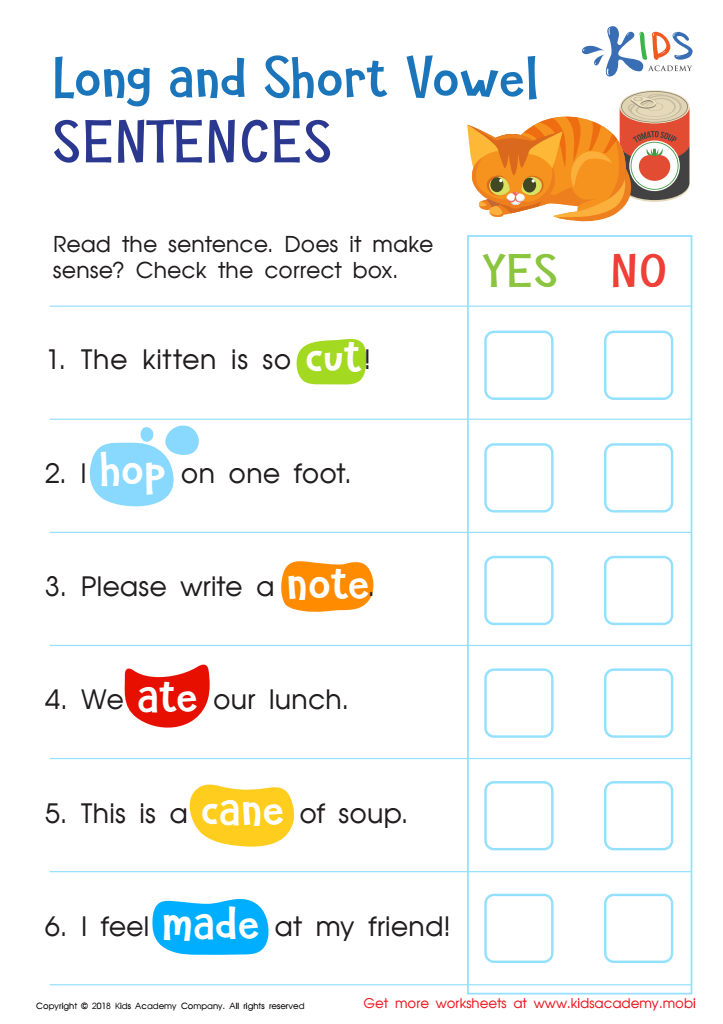
Long and Short Vowel Sentences: Assessment Worksheet
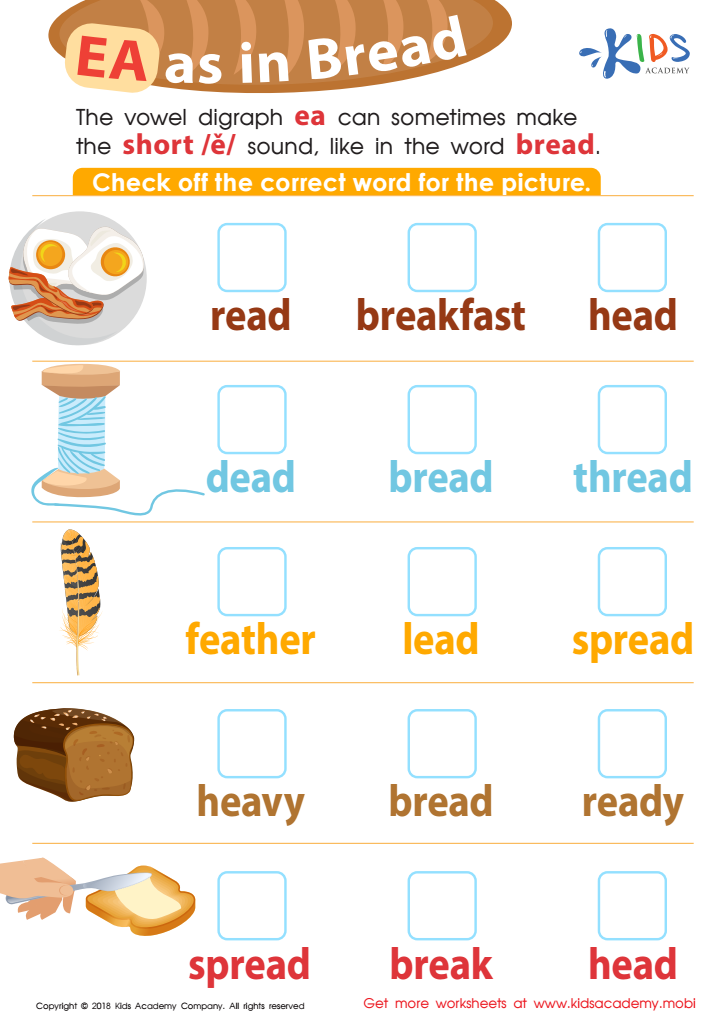
Reading: EA as in Bread Worksheet
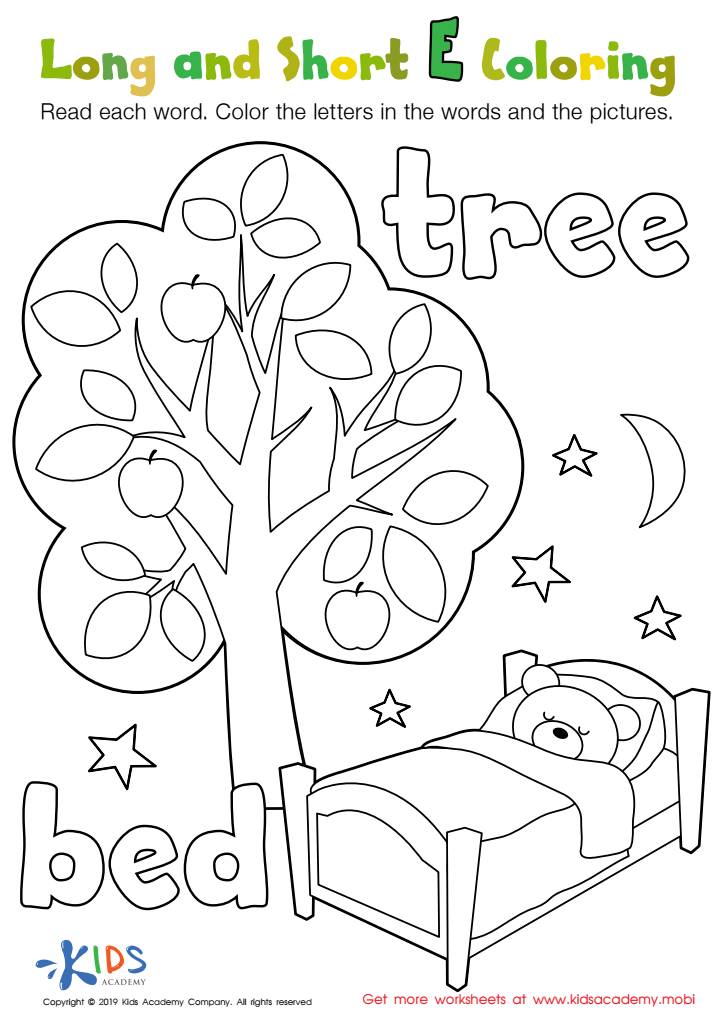
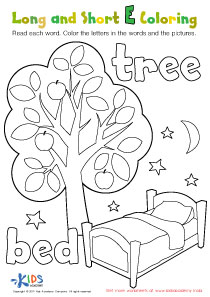
Long and Short E Worksheet
 Assign to My Students



Reading comprehension is a foundational skill that significantly influences a child's academic success, particularly for those aged 6-9, who are typically in the early stages of learning to read. Teaching short vowels plays a critical role in this process. Short vowels are often among the first sounds children encounter, forming the basis for many simple words. Mastery of these sounds helps young learners decode words, enhancing their reading fluency.
When children comprehend what they read, their confidence grows, encouraging them to engage with more complex texts. This not only supports literacy development but also fosters a love for reading and learning, which is crucial in a child’s educational journey. Moreover, improving reading comprehension at this age helps to bridge gaps in understanding, ensuring that children can grasp fundamental concepts in various subjects.
Parents and teachers should therefore prioritize short vowel comprehension, as it sets the stage for effective reading and cognitive skills. Understanding how letters combine to form words will empower students to tackle increasingly challenging material in the future. By focusing on reading comprehension and short vowels, adults can help cultivate a generation of enthusiastic readers equipped for lifelong learning. Thus, it plays a vital role in a child's academic trajectory and personal growth.