Handwriting practice Tracing Letters Worksheets for Ages 6-9 - Page 2
28 filtered results
-
From - To
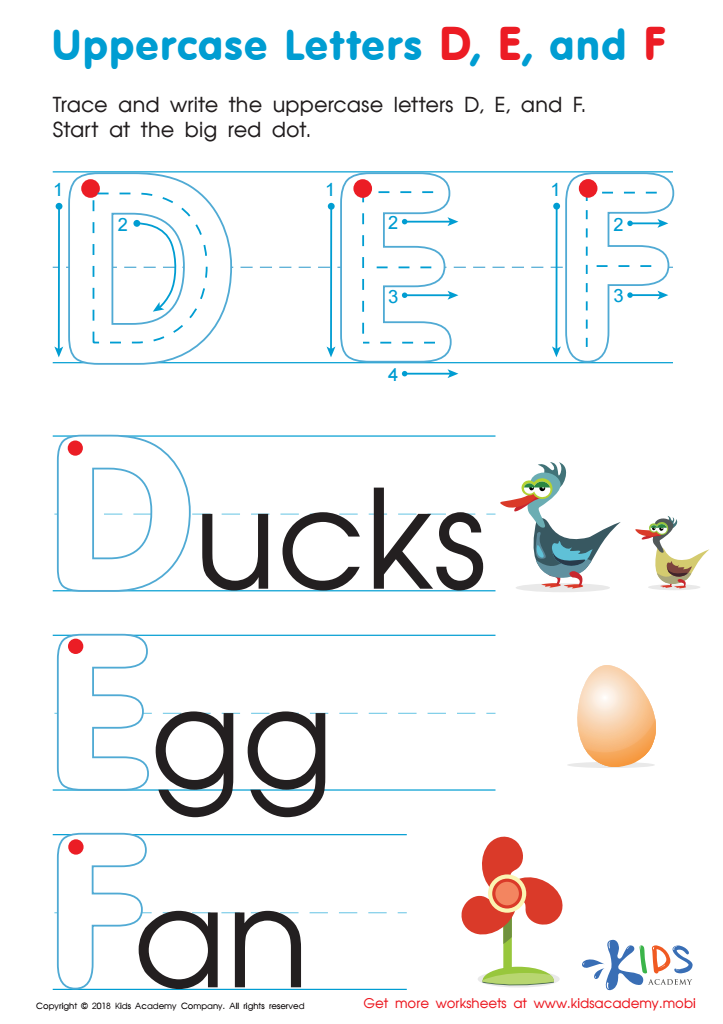
Uppercase Letters D, E, and F Worksheet
 Assign to My Students
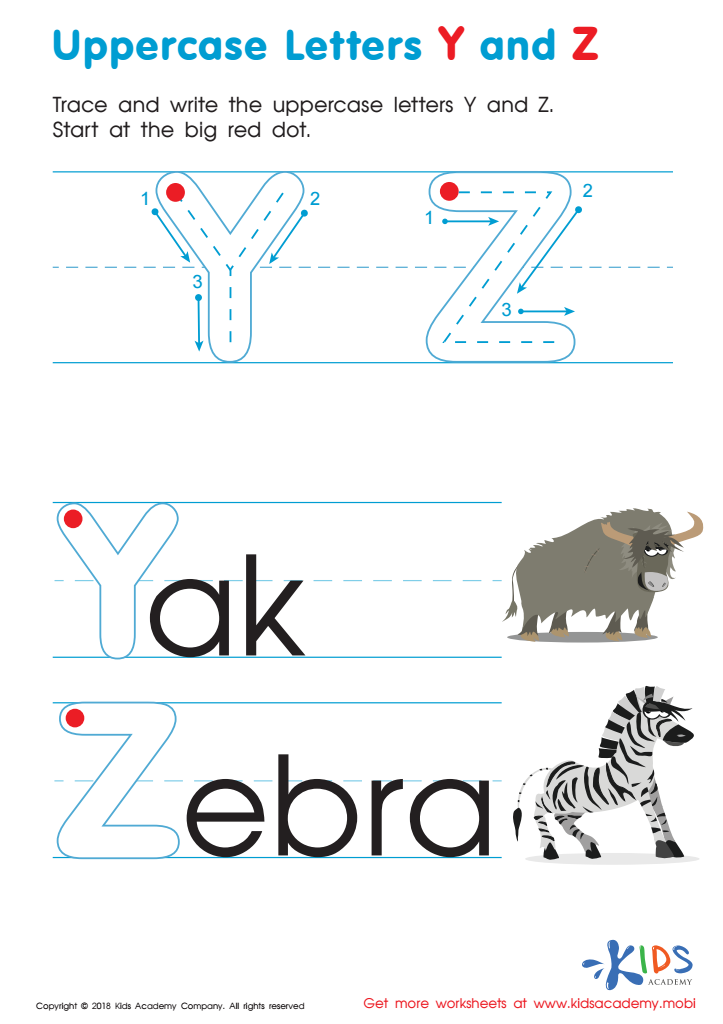
Uppercase Letters Y Z Worksheet
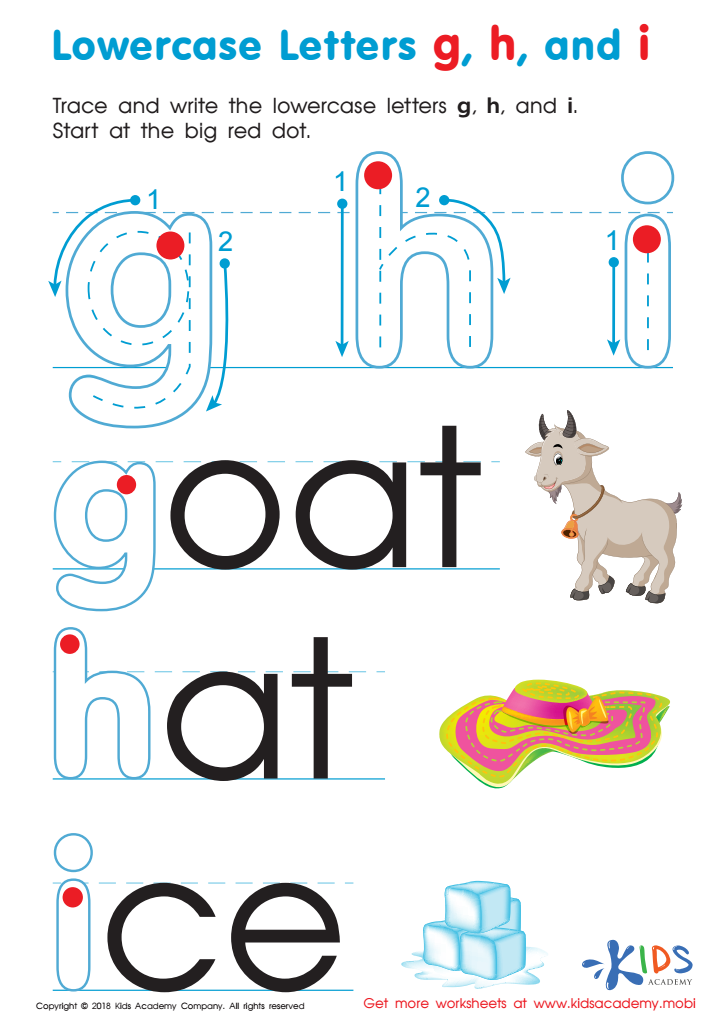
Lowercase Letters g h i Worksheet
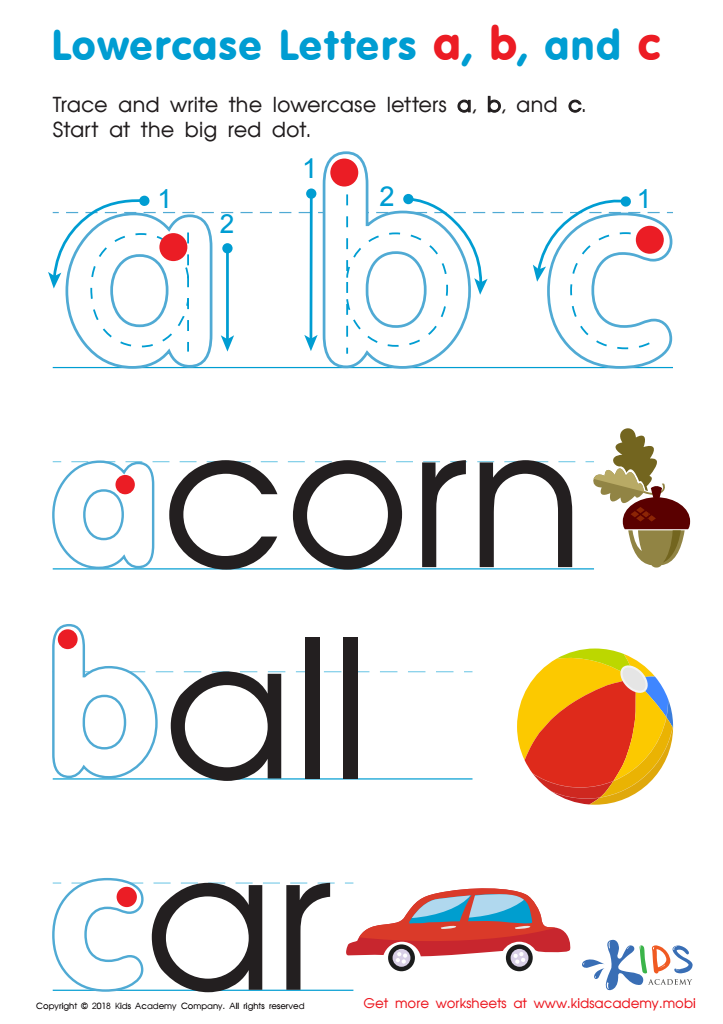
Lowercase Letters a b c Worksheet








Handwriting practice, particularly tracing letters for children ages 6-9, is essential for several reasons. Firstly, it promotes fine motor skills development, which is crucial for various tasks beyond writing, such as using scissors or buttoning shirts. As children trace letters, they enhance their hand-eye coordination, improving their ability to control writing instruments.
Secondly, tracing helps solidify letter recognition and understanding of phonetics. This age group is foundational for literacy, and engaging in handwriting practice reinforces the connection between sounds and symbols, aiding in reading and spelling.
Additionally, regular handwriting practice fosters a sense of discipline and focus. It requires children to concentrate on the formation of each letter, instilling a sense of achievement as they hone their skills over time. This focus can translate into better attention spans in other learning areas.
Moreover, good handwriting boosts self-esteem. As children become confident in their writing abilities, they are likely to participate more in class and share their work openly.
Ultimately, parents and teachers should prioritize handwriting practice because it not only enhances essential skills but also supports broader educational development, promoting confidence and a love for learning in young children.








