Letter formation Tracing Letters Worksheets for Ages 6-9
4 filtered results
-
From - To
Welcome to our "Letter Formation Tracing Letters Worksheets" designed specifically for children aged 6-9! These engaging worksheets provide a fun and interactive way for young learners to master their letter formation skills. Featuring a variety of tracing activities, kids will practice both uppercase and lowercase letters while honing their fine motor skills. Each worksheet is thoughtfully crafted to reinforce letter recognition and enhance writing confidence. Whether at home or in the classroom, these worksheets are ideal for supporting your child’s literacy development in an enjoyable manner. Start your child's handwriting journey today with our captivating tracing resources!
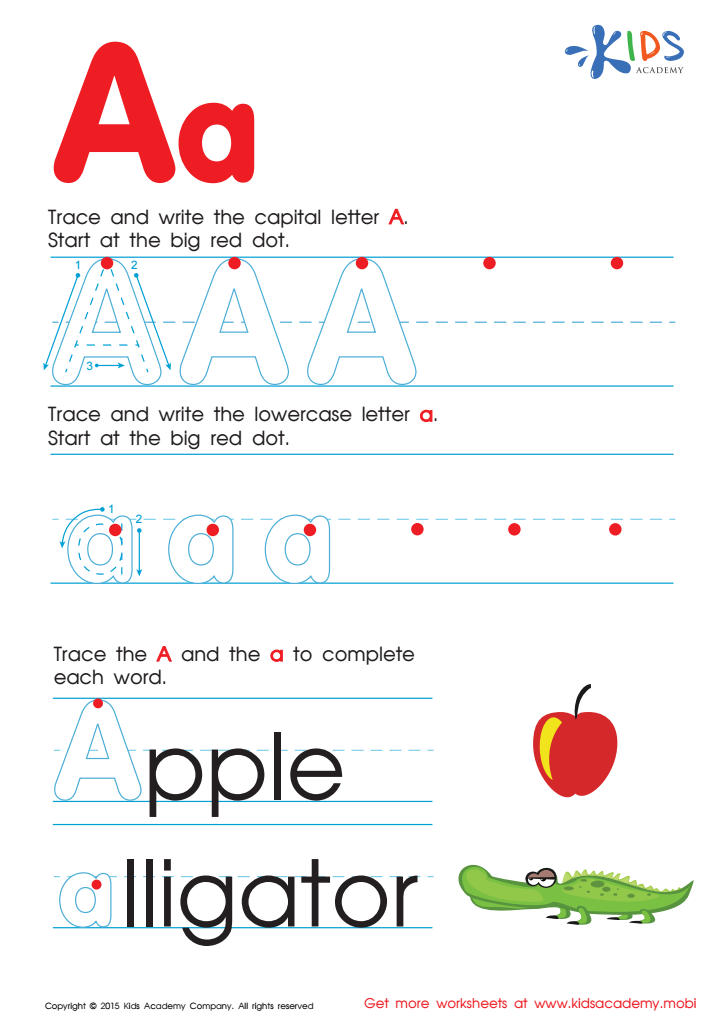
Letter A Tracing Page
 Assign to My Students
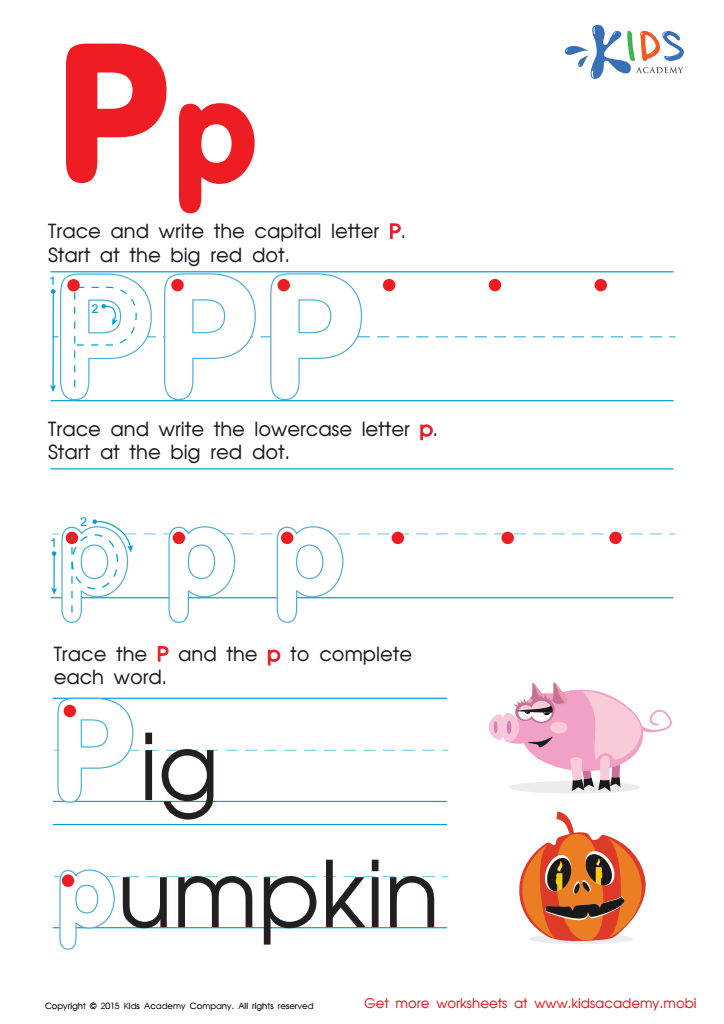
Letter P Tracing Page
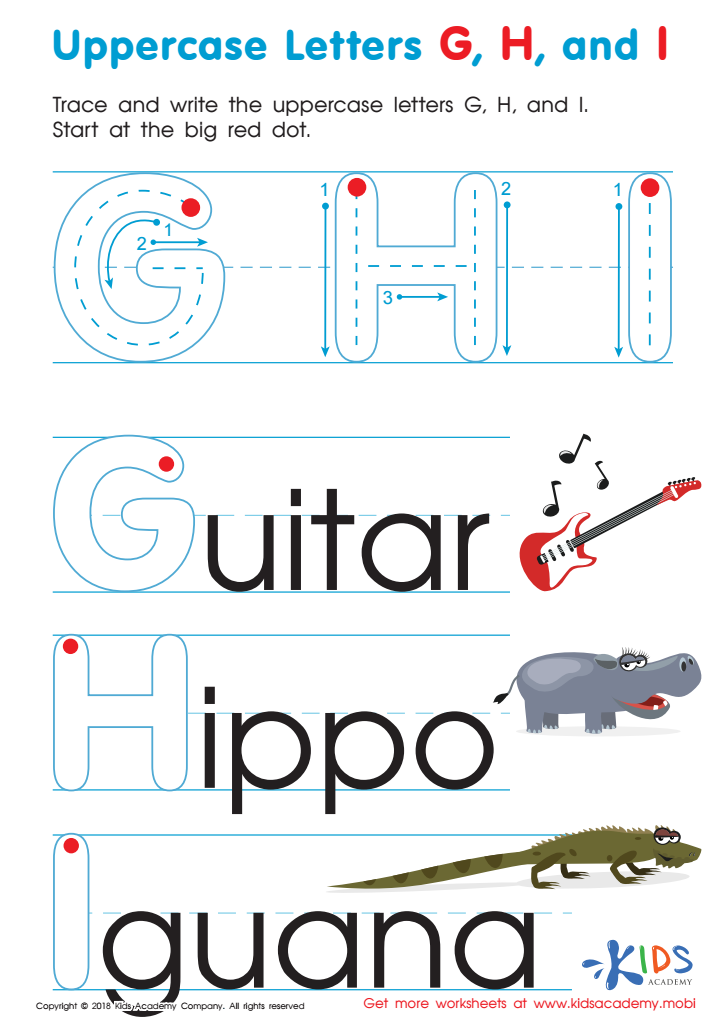
Uppercase Letters G, H, and I Worksheet

Letter G Tracing Page







Letter formation is a fundamental skill for children aged 6 to 9, and both parents and teachers should prioritize it due to its significant impact on literacy development and fine motor skills. As children begin to write more independently, proper letter formation becomes essential for legibility and communication. Tracing letters provides a structured way for young learners to develop muscle memory for accurate shapes, which builds their confidence in writing.
Additionally, tracing letters can enhance cognitive processes associated with learning. It engages memory recall as children remember how letters are formed, thus strengthening their overall literacy skills. The activity also introduces patterns and helps children recognize the visual and tactile nuances of each letter, fostering a deeper understanding of language.
From a developmental perspective, mastering letter formation promotes hand-eye coordination and fine motor control, vital aspects of early-childhood development. Consistent practice through tracing can alleviate frustration from writing difficulties, leading to a more positive educational experience.
Encouraging strong letter formation skills during this formative stage not only supports academic success but also lays the groundwork for effective communication in children’s personal and professional lives in the future. Therefore, fostering this skill is a shared responsibility of both parents and educators.








