Lowercase identification Upper & Lowercase Letters Worksheets for Ages 6-9
5 filtered results
-
From - To
Enhance your child's reading and writing skills with our engaging Lowercase Identification Worksheets, designed specifically for ages 6-9. These printable resources focus on helping young learners recognize and differentiate between upper and lowercase letters. Through fun activities and visual prompts, kids will develop essential phonetic and literacy skills in a playful manner. Our worksheets encourage practice through a variety of exercises, ensuring that learning remains interactive and enjoyable. Perfect for both classroom use and at-home learning, these materials support educators and parents in building a strong foundation in alphabet recognition. Explore our collection and inspire your child's love for letters today!
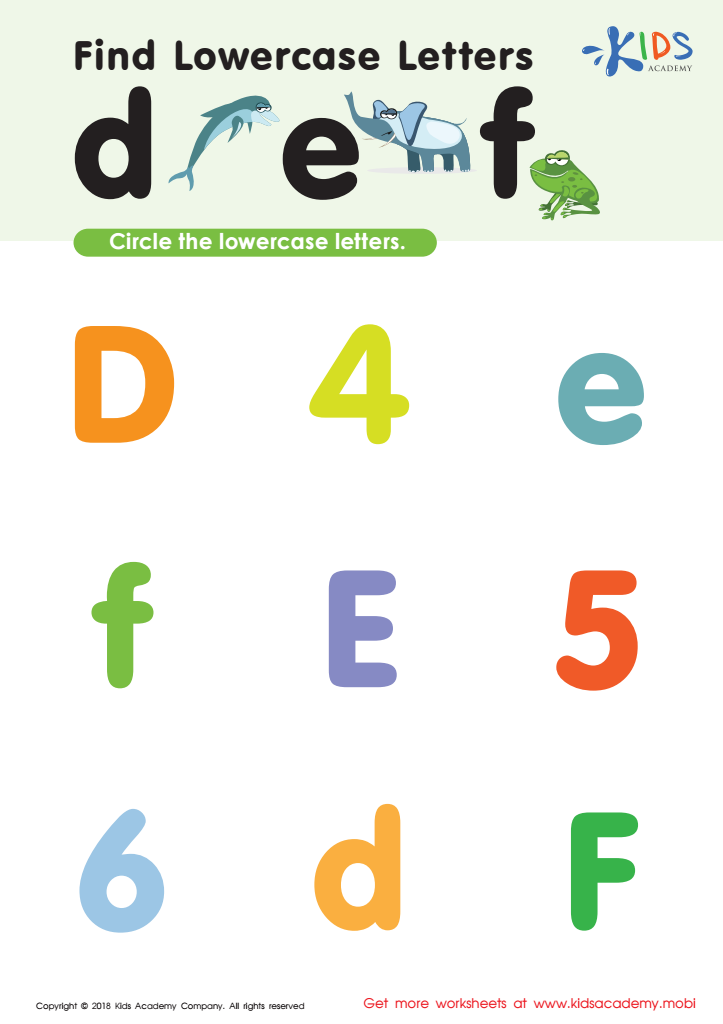
Find Lowercase Letters d e f Worksheet
 Assign to My Students
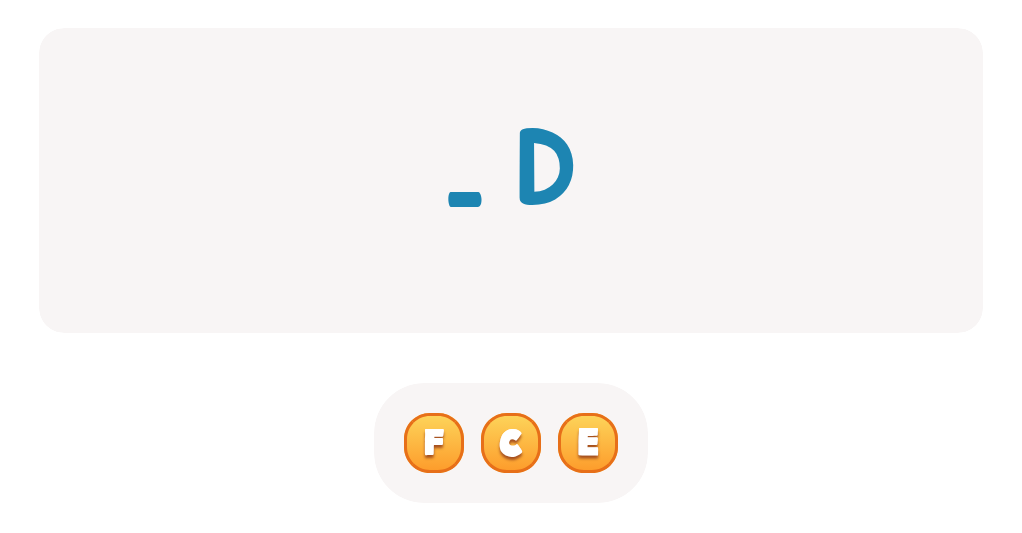

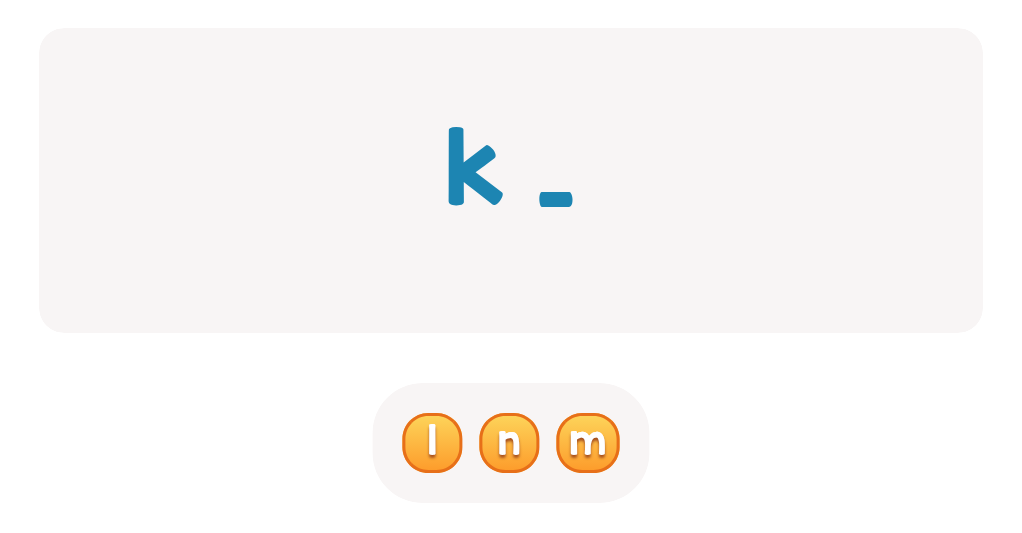
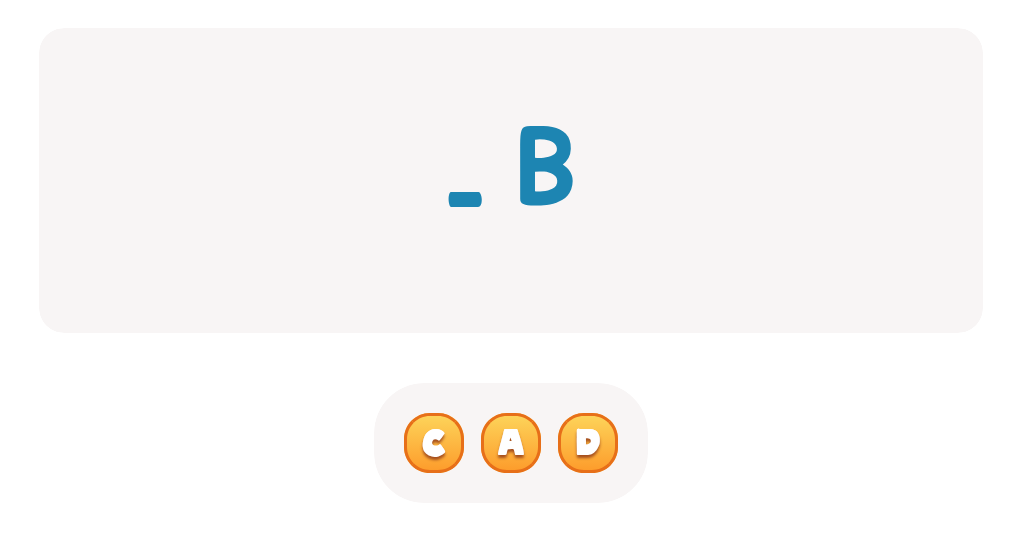
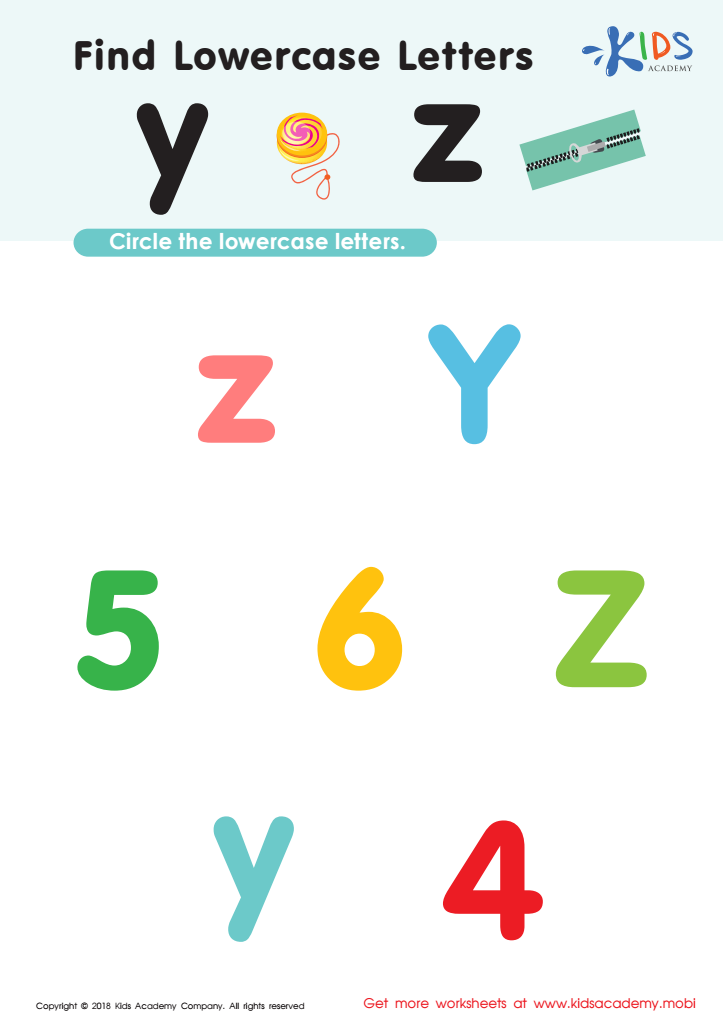
Find Lowercase Letters y z Worksheet
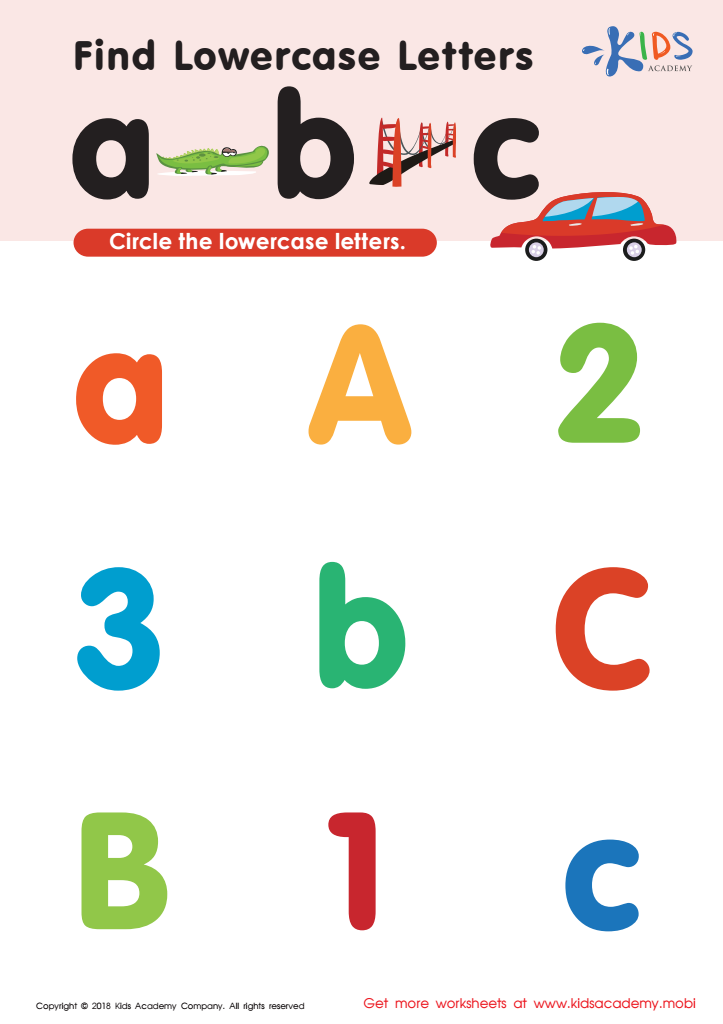
Find lowercase letters a b c Worksheet
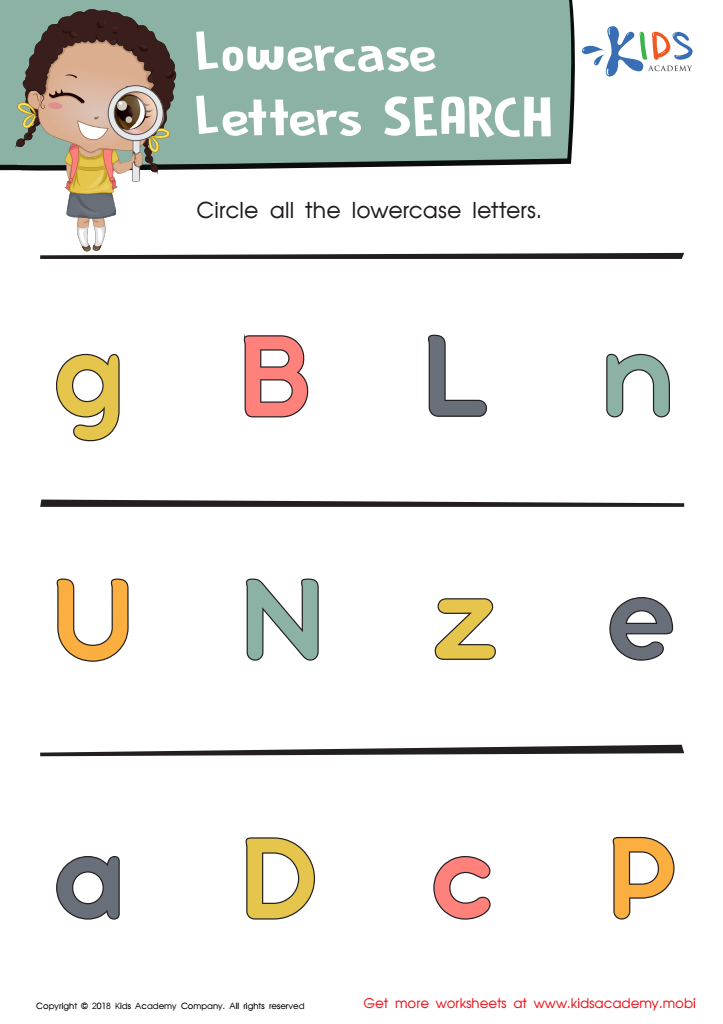
Lowercase Letters Search: Assessment Worksheet

Find Lowercase Letters v w x Worksheet






Understanding both uppercase and lowercase letters is crucial for children ages 6-9 as it forms the foundation for their literacy development. Mastery of letter recognition is essential not only for reading but also for writing and overall communication skills. When children can identify lowercase letters as easily as uppercase ones, they become more fluent readers and writers, allowing them to access a broader range of texts and express their thoughts more clearly.
Additionally, recognizing lowercase letters helps children understand the structure of written language, which often mixes both cases. Many words are presented in lowercase, especially in digital formats, where uppercase letters frequently denote the beginning of sentences or specific names. This can affect a child’s ability to read fluently and comprehensively.
Parents and teachers should prioritize lowercase letter identification in their teaching strategies and activities. Engaging children through games, storytelling, and hands-on exercises can make learning fun and effective. With solid grasp of both uppercase and lowercase letters, children will build confidence, leading to improved academic performance and a lifelong love for reading. Therefore, promoting lowercase letter identification is critical in preparing children for their future educational journeys.







