Reading comprehension Vowels Worksheets for Ages 6-9 - Page 2
44 filtered results
-
From - To
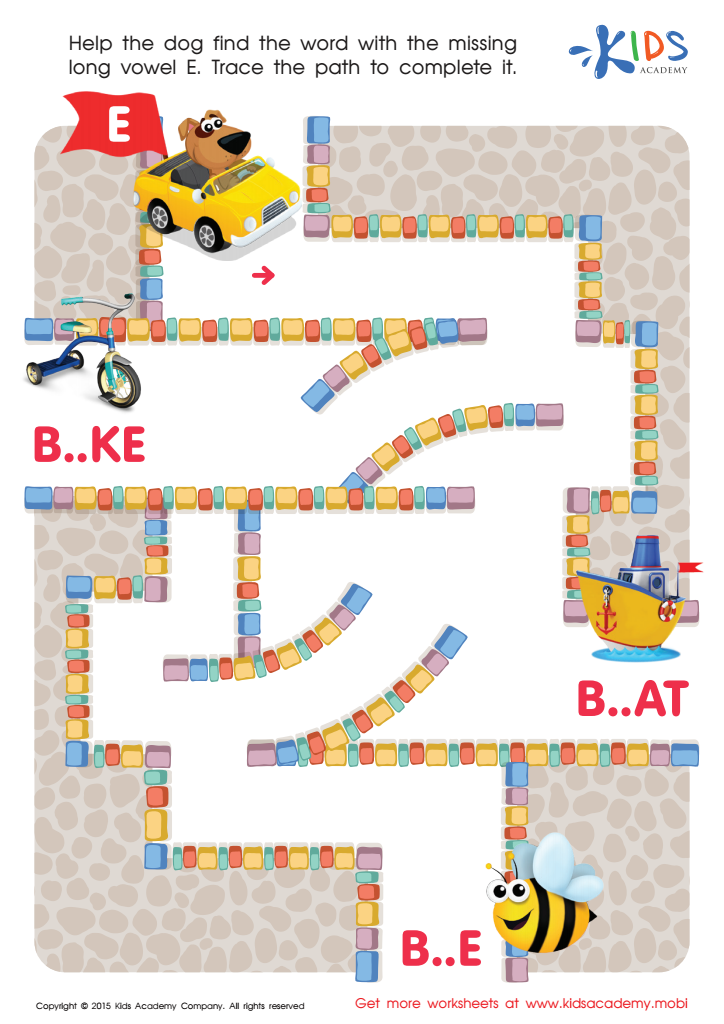
Long Vowel Sound E Worksheet
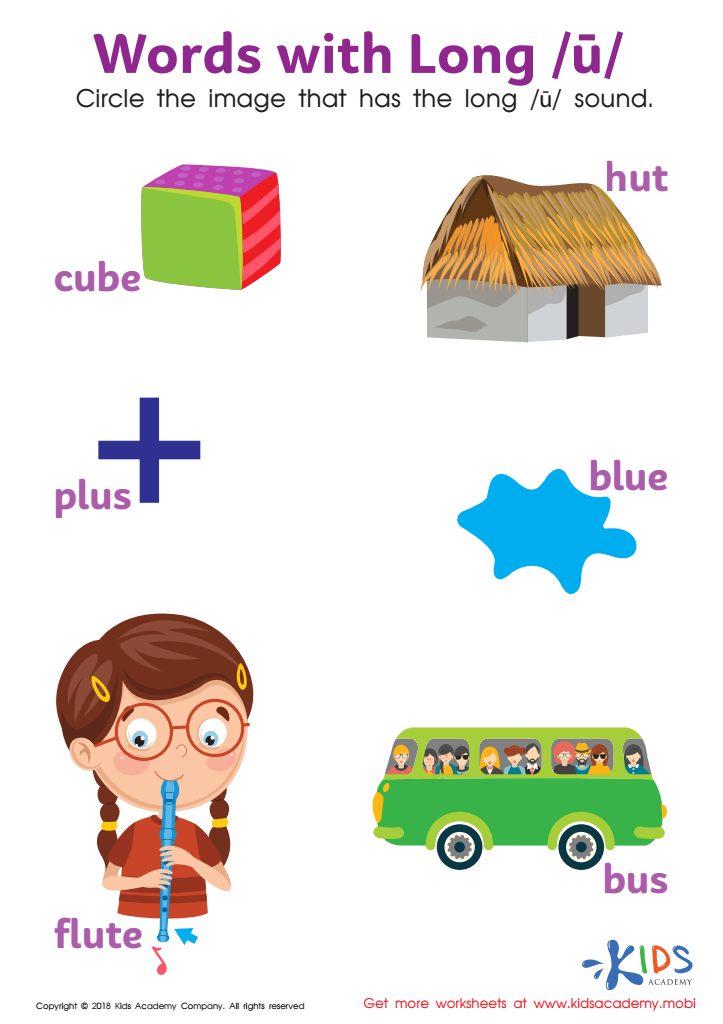
Words with Long U Reading Worksheet
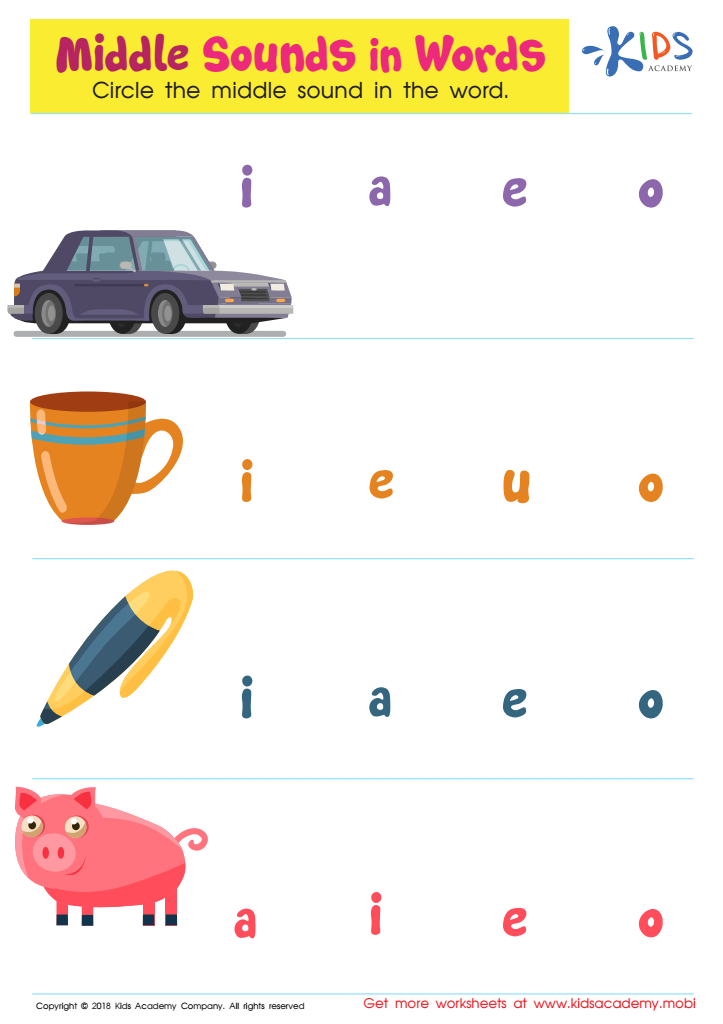
Middle Sounds in Words Worksheet
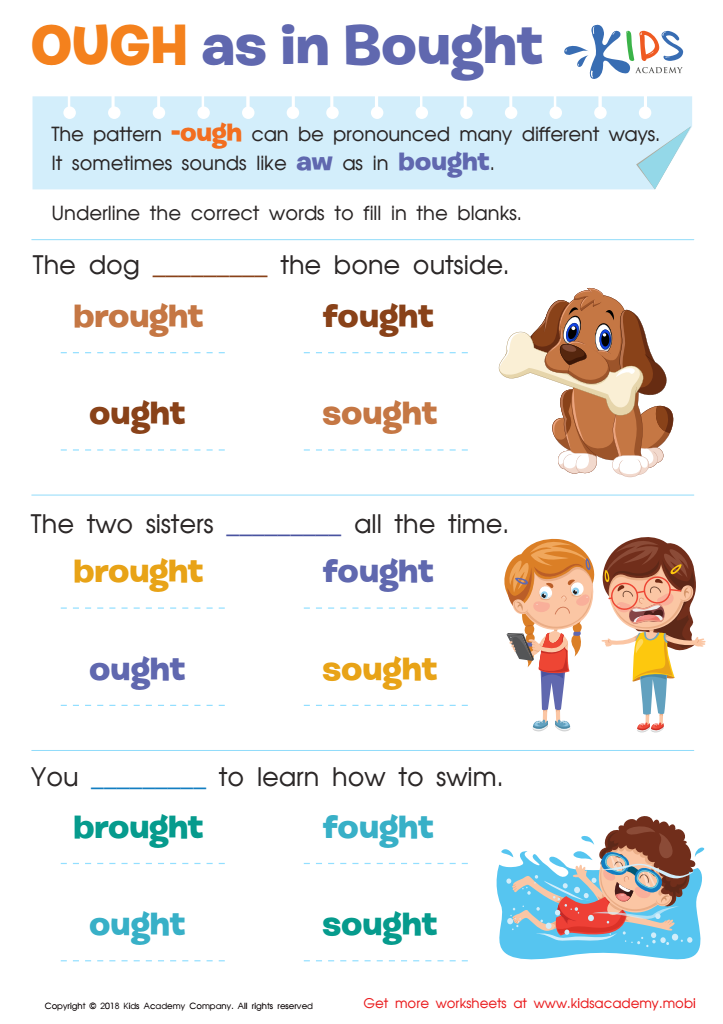
OUGH as in Bought Worksheet
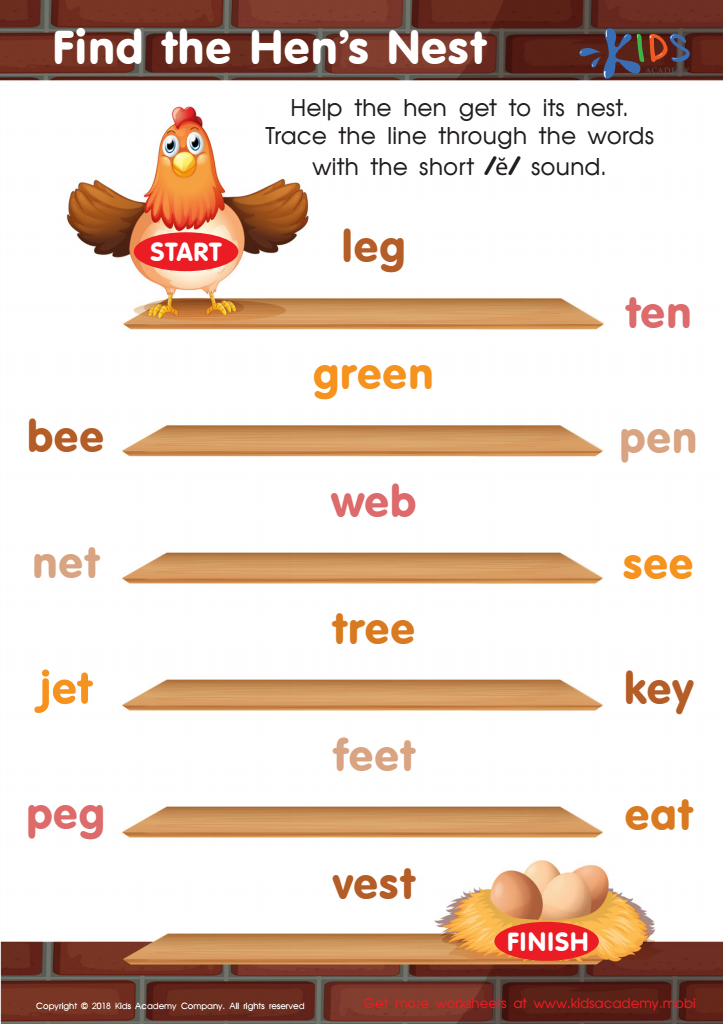
Find Hens Nest Reading Worksheet
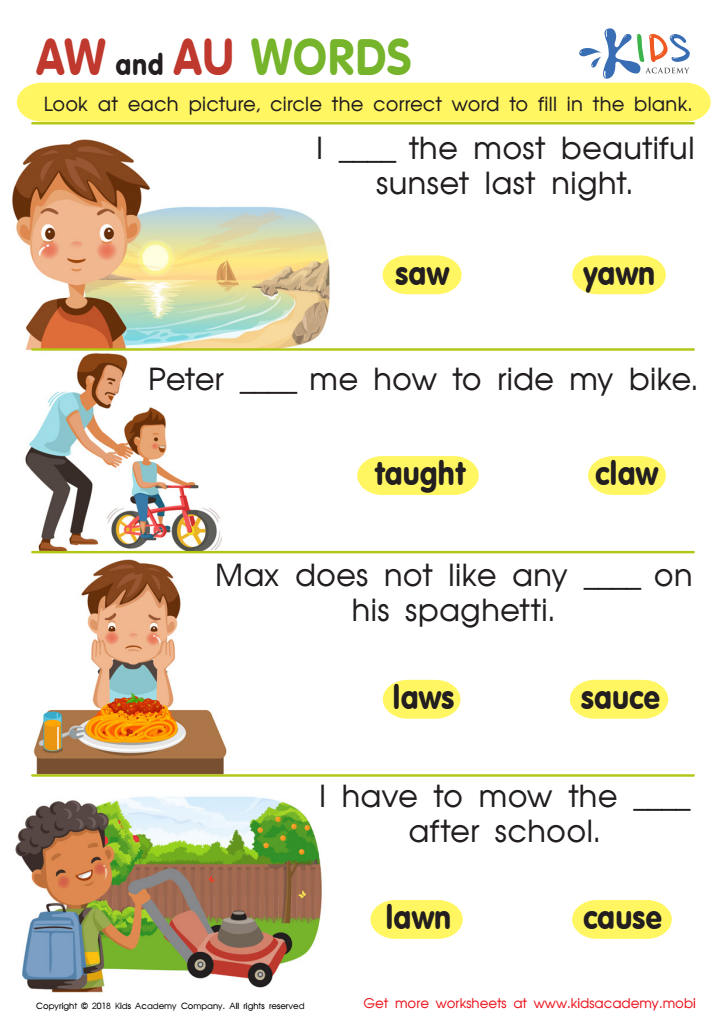
Reading: AW and AU Words Worksheet
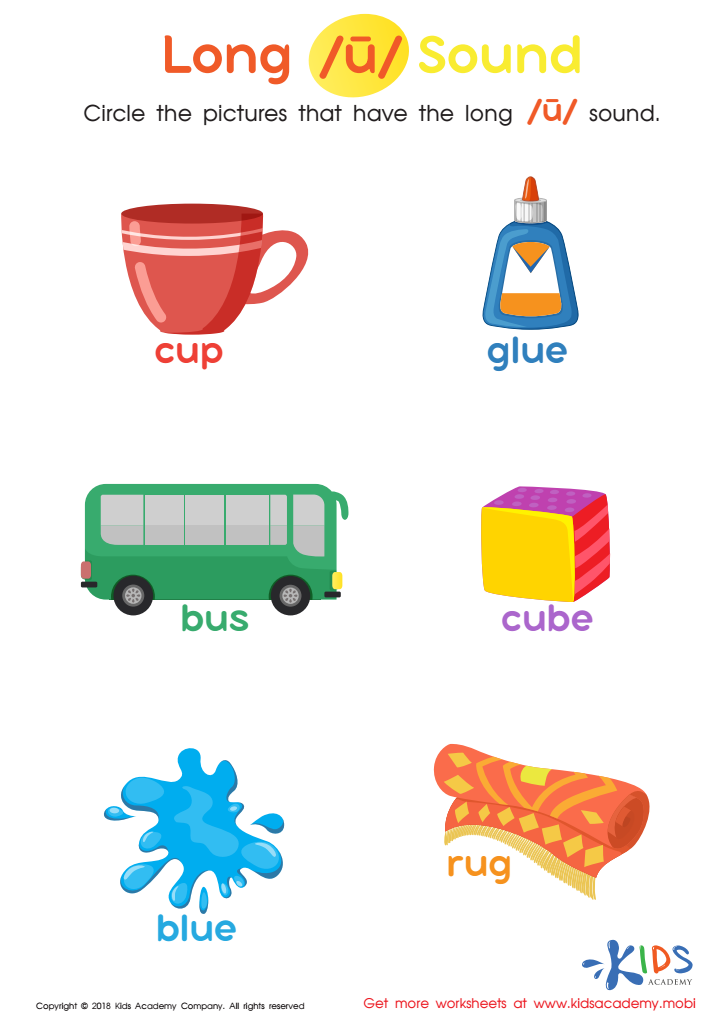
Long «u» Sound Worksheet
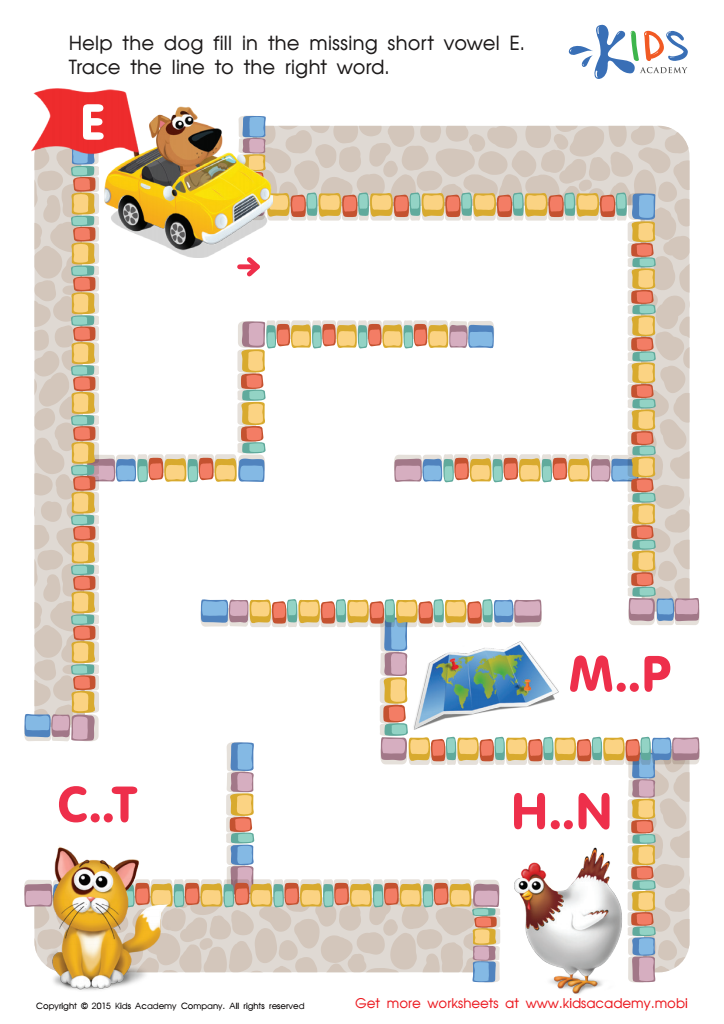
Short Vowel Sound E Worksheet
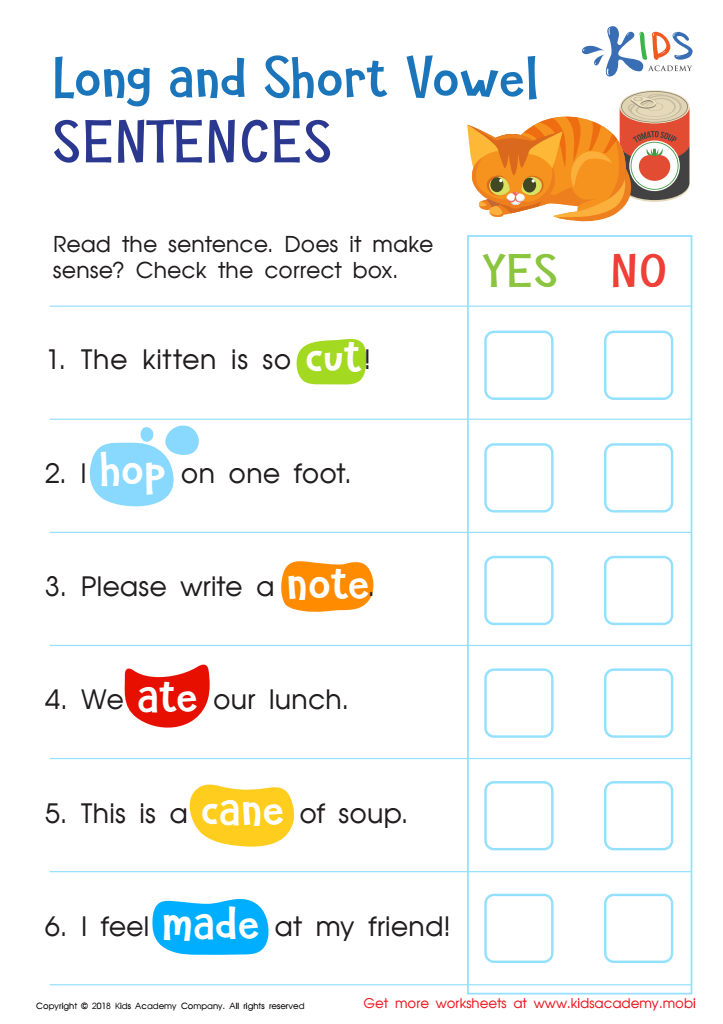
Long and Short Vowel Sentences: Assessment Worksheet
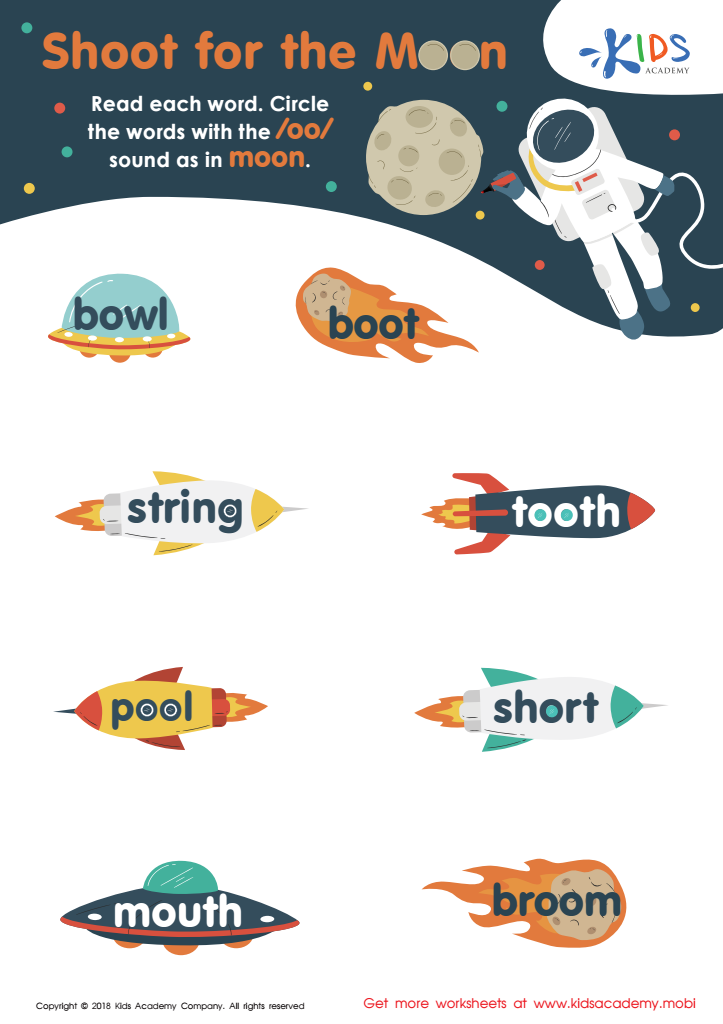
Reading: Shoot for the Moon Worksheet
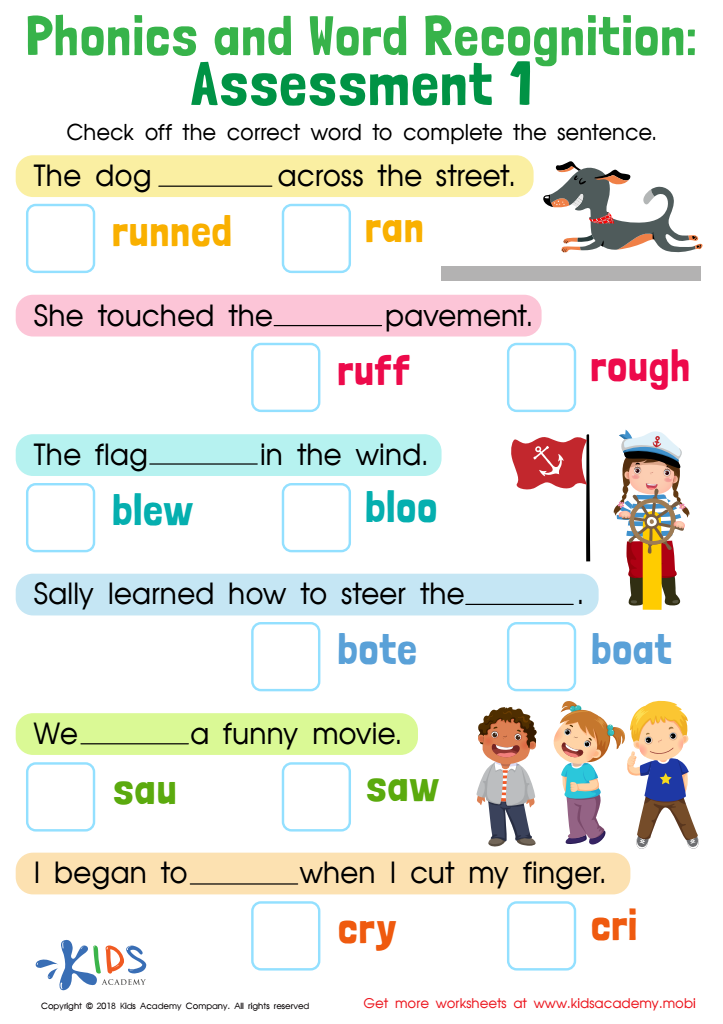
Phonics and Word Recognition: Assessment 1 Worksheet
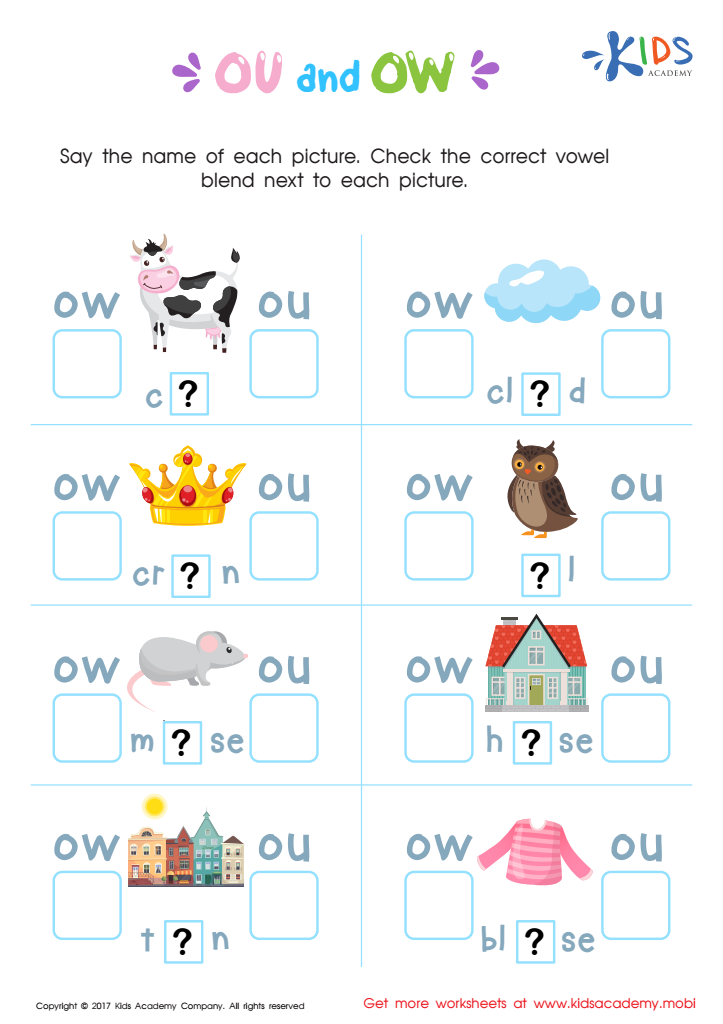
OU and OW Words Worksheet
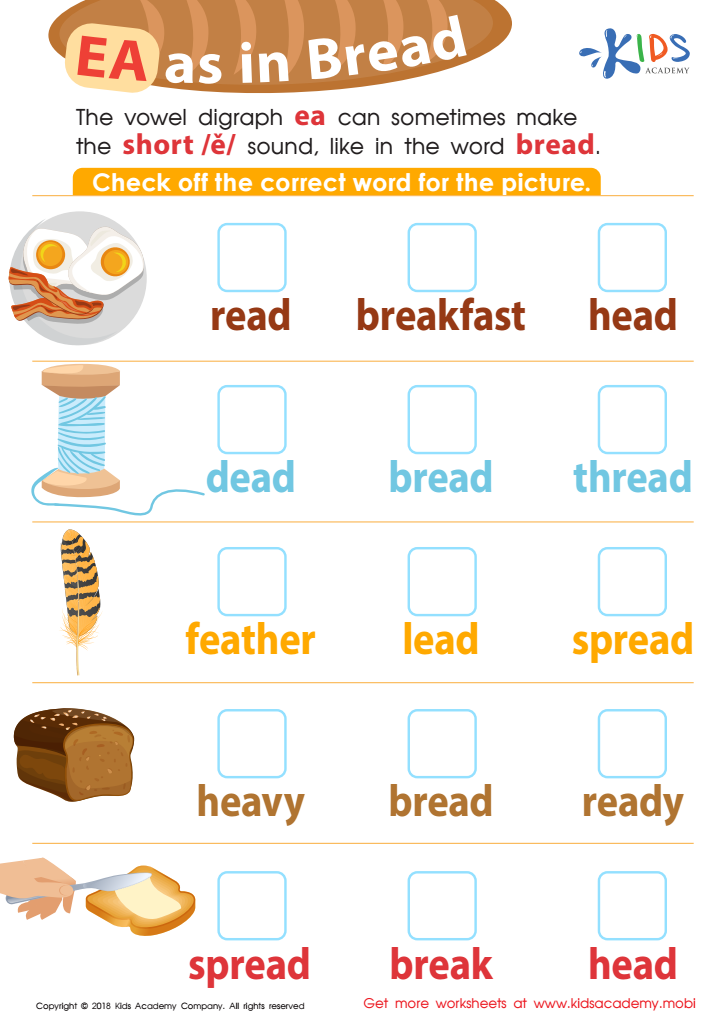
Reading: EA as in Bread Worksheet
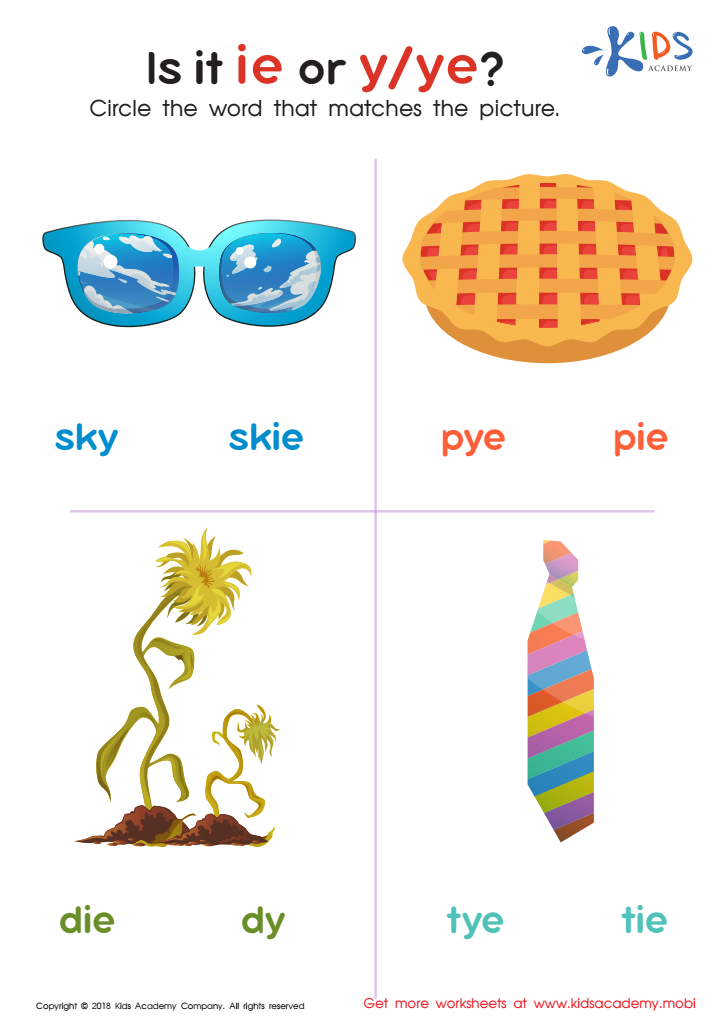
Is It IE or Y/Ye? Worksheet
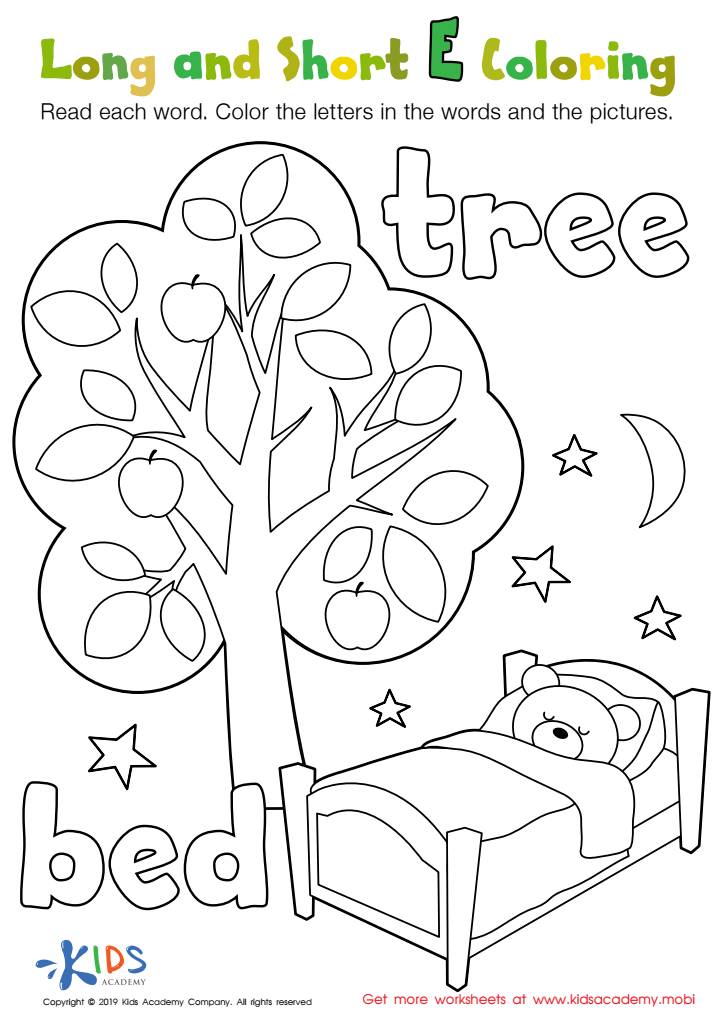
Long and Short E Worksheet
 Assign to My Students
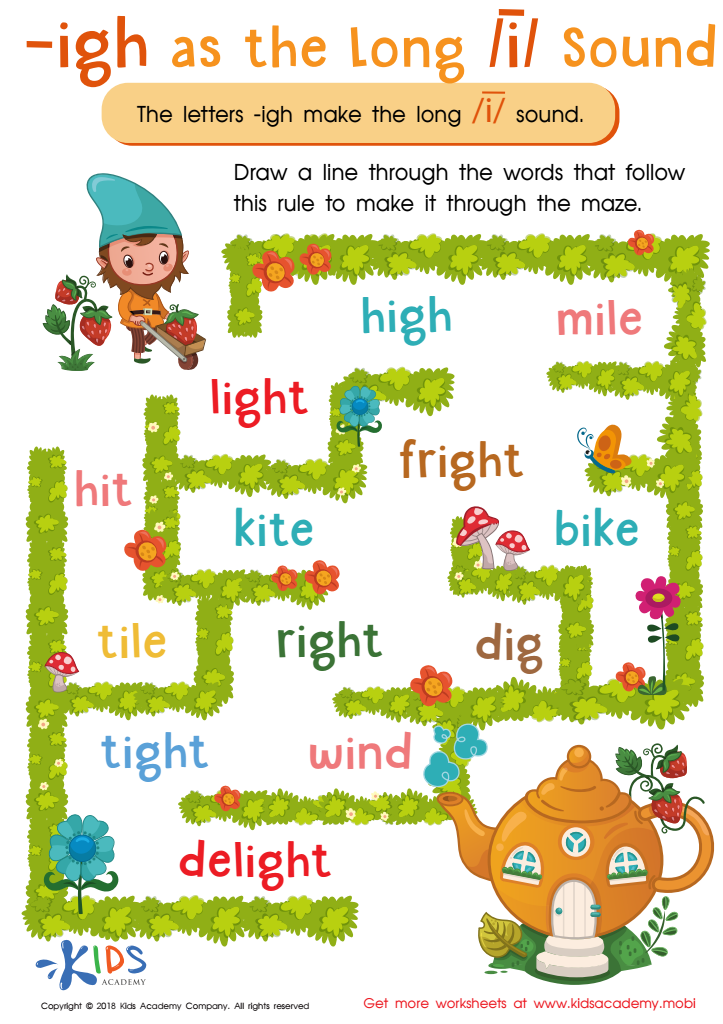
Reading: IGH as Long I Worksheet
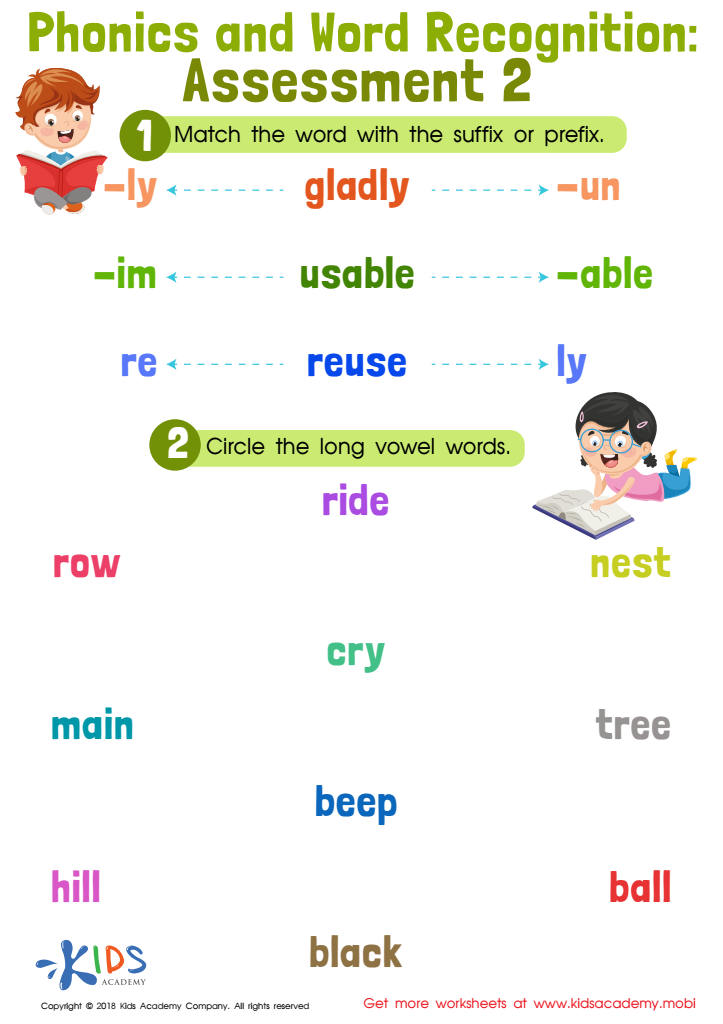
Phonics and Word Recognition: Assessment 2
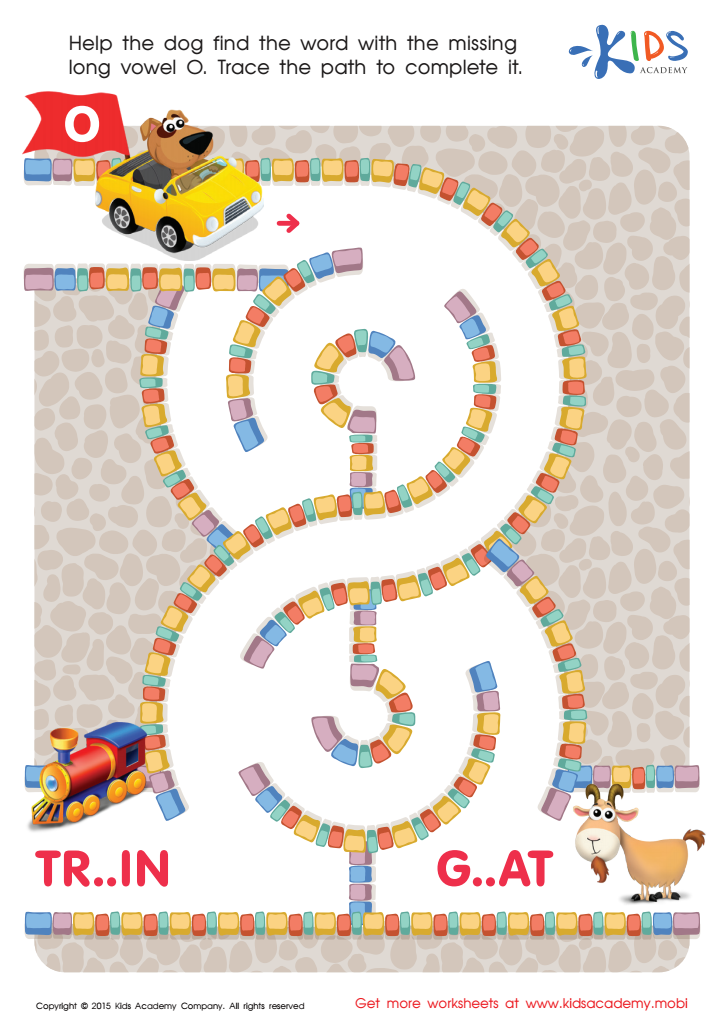
Long Vowel Sound O Worksheet
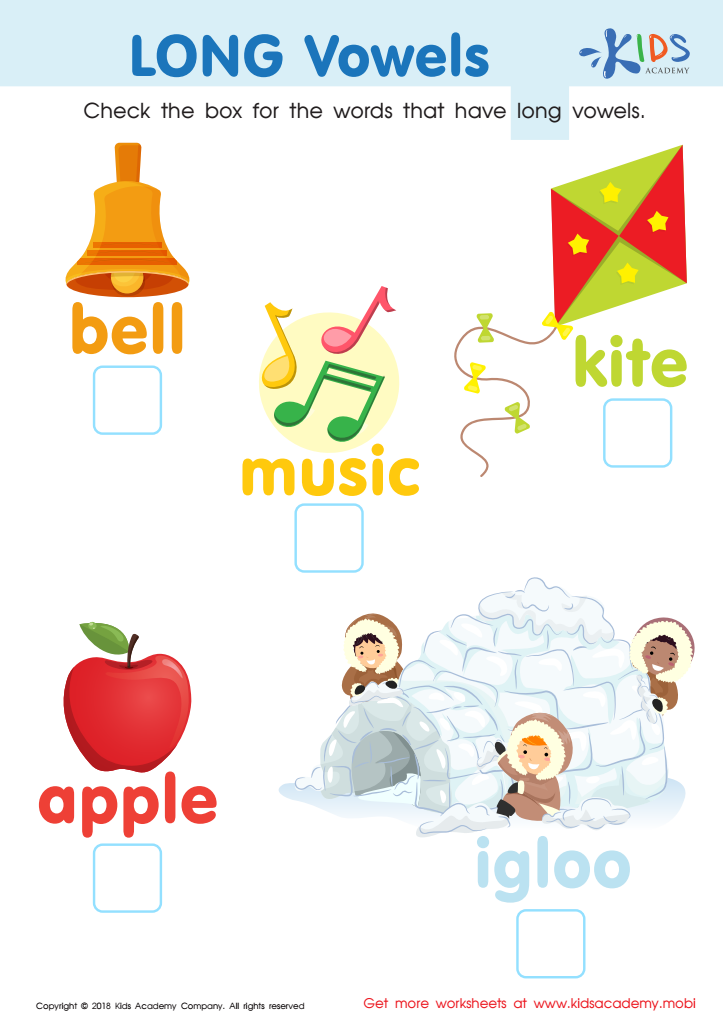
long vowels Worksheet
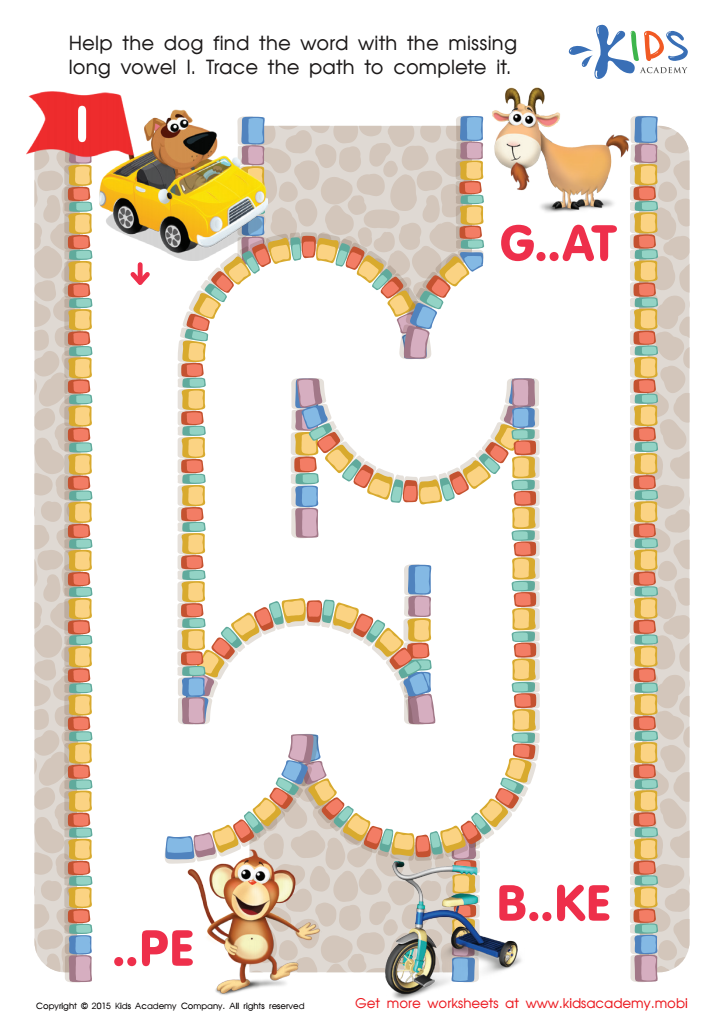
Long Vowel Sound I Worksheet





Reading comprehension is crucial for children ages 6-9 as it lays the foundation for academic success and lifelong learning. This age range is typically when students transition from learning to read to reading to learn. Developing strong reading comprehension skills helps them make sense of the texts they encounter in various subjects, ultimately boosting their confidence and enthusiasm for learning.
Focusing on vowels is essential because they are the building blocks of words. Understanding how vowels function—in terms of their sounds and placements—enables children to decode words more effectively, enhancing their reading fluency. When children can easily recognize vowel patterns and sounds, they are better equipped to understand the meaning of texts.
Additionally, several types of reading material—fables, stories, and nonfiction—primarily rely on vowel usage. By strengthening their comprehension through vowel practice, children can improve their ability to summarize, infer meanings, and engage with characters and plots.
Parents and teachers play a vital role in this development. Encouraging thoughtful discussions about readings or incorporating playful vowel-focused activities can significantly enhance comprehension skills. Ultimately, prioritizing reading comprehension related to vowels will prepare children for future academic challenges and help instill a lasting love for reading.







