Color recognition Plants Worksheets for Ages 6-9
5 filtered results
-
From - To
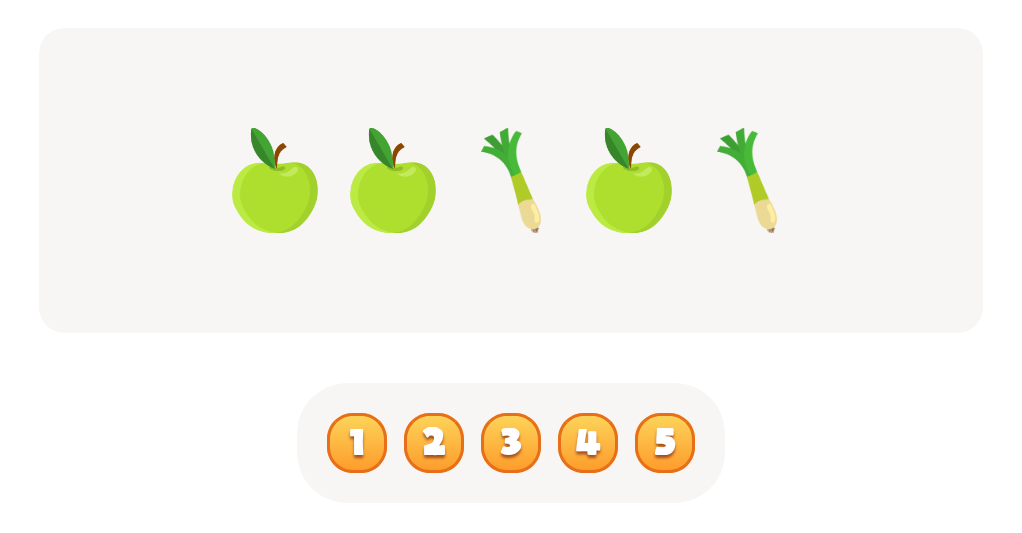
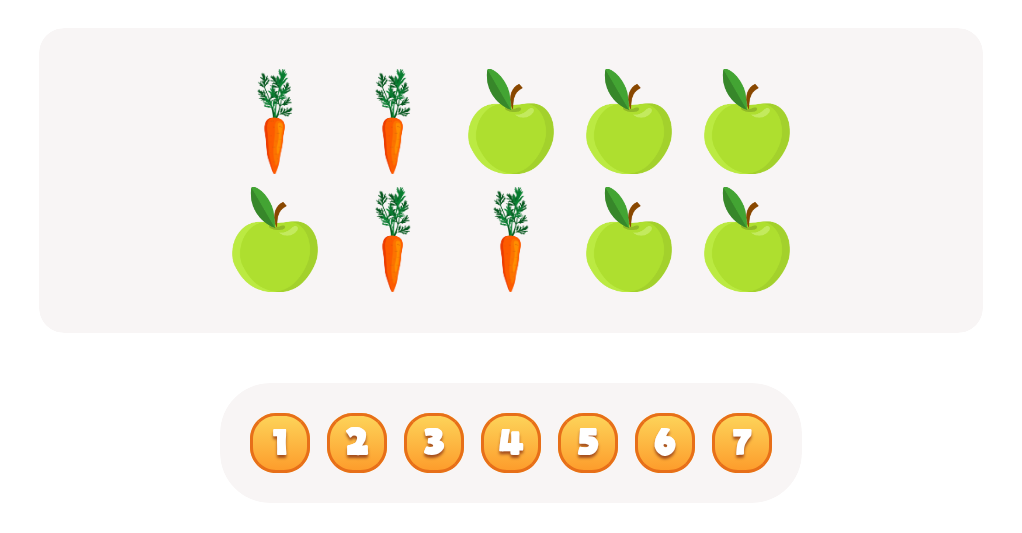
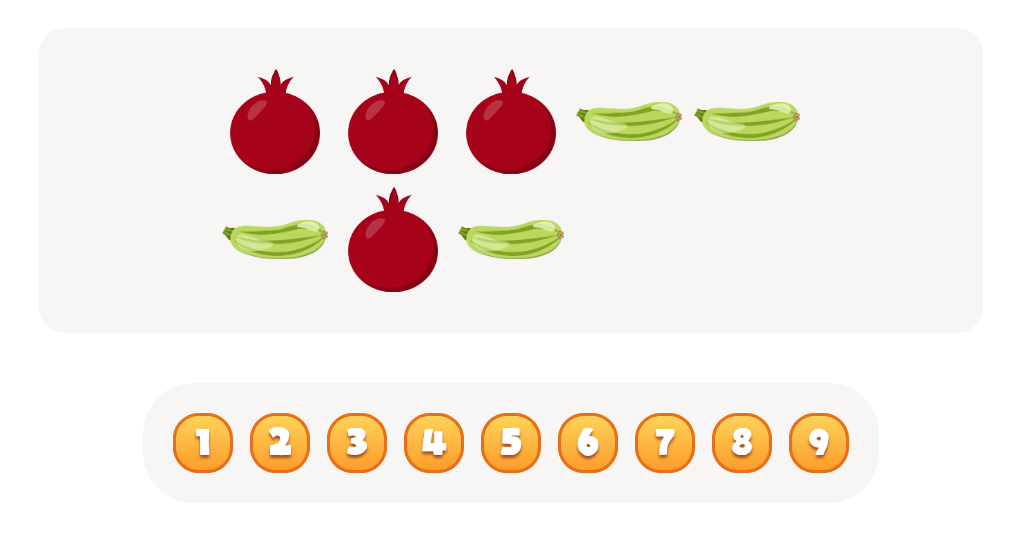
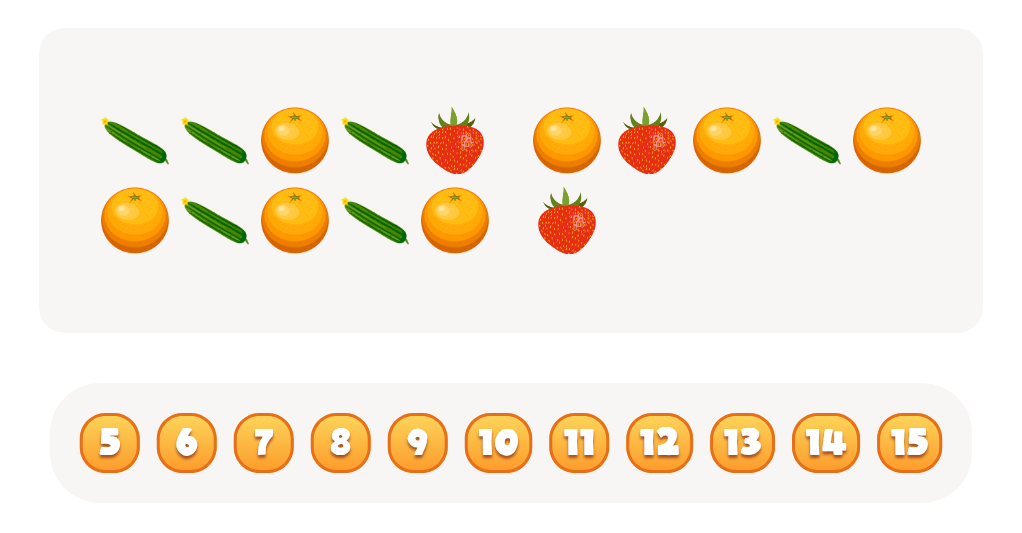
Enhance your child's color recognition skills with our engaging "Color Recognition Plants Worksheets" designed for ages 6-9. These beautifully illustrated worksheets provide an interactive way for young learners to identify and differentiate various colors while exploring the vibrant world of plants. Through fun activities, such as matching colors to images and coloring delightful plant-themed pictures, children will improve their visual perception and develop essential cognitive skills. Perfect for parents and educators alike, these worksheets make learning enjoyable and effective. Download our Color Recognition Plants Worksheets today to spark your child's creativity and curiosity about nature!
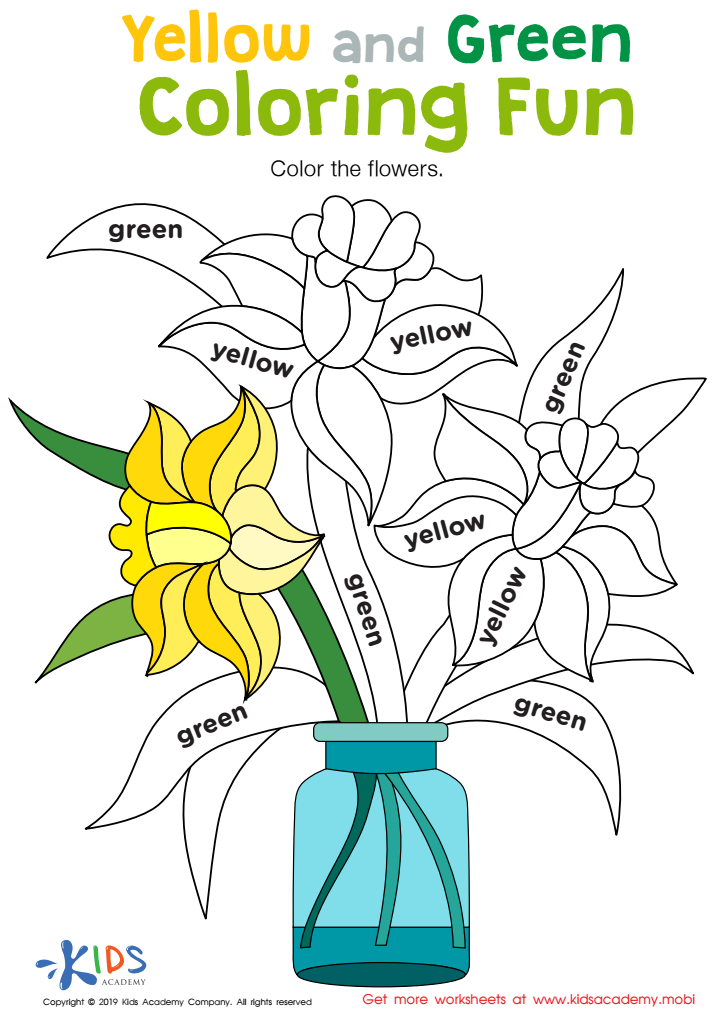
Yellow and Green Coloring Fun Worksheet
 Assign to My Students





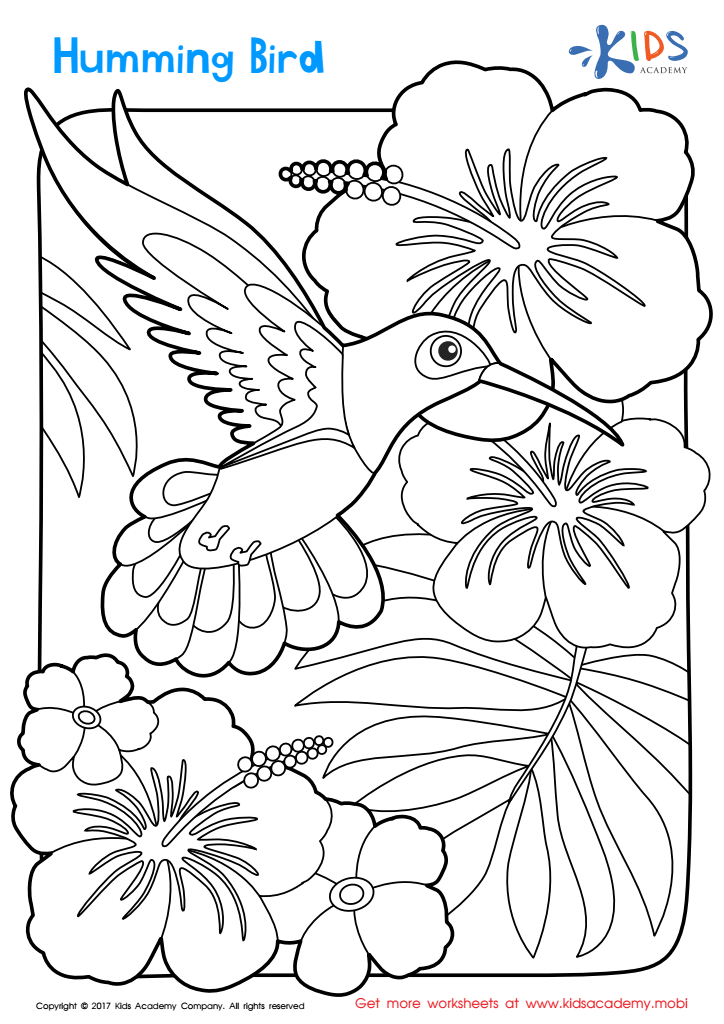
Humming Bird Worksheet
Assign to My Students
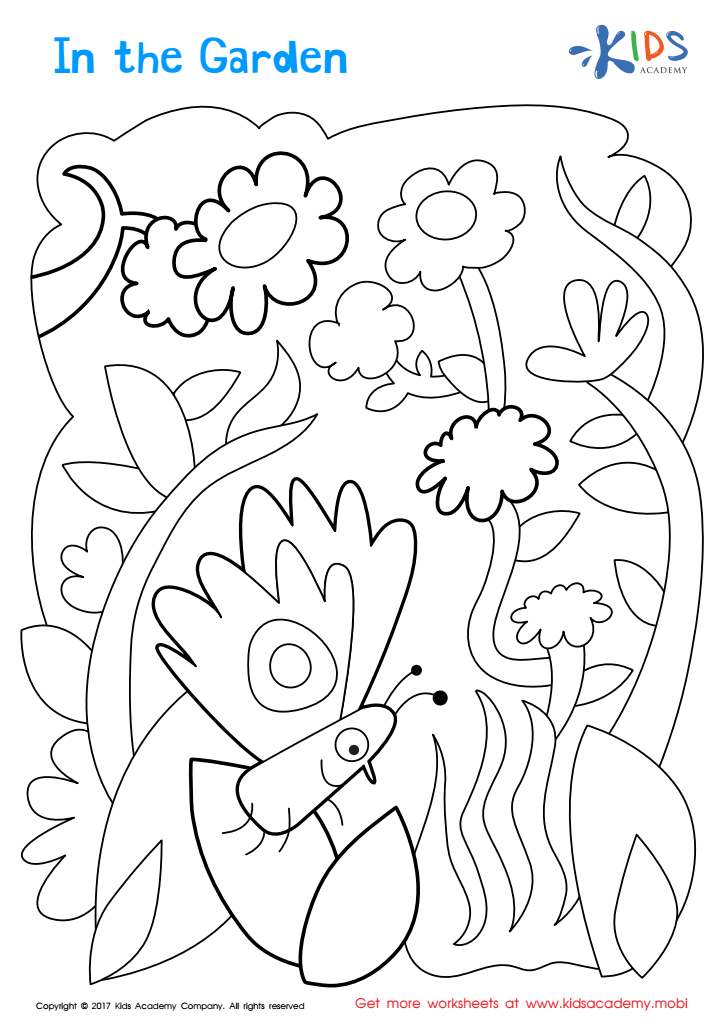
In The Garden Coloring Page
Assign to My Students
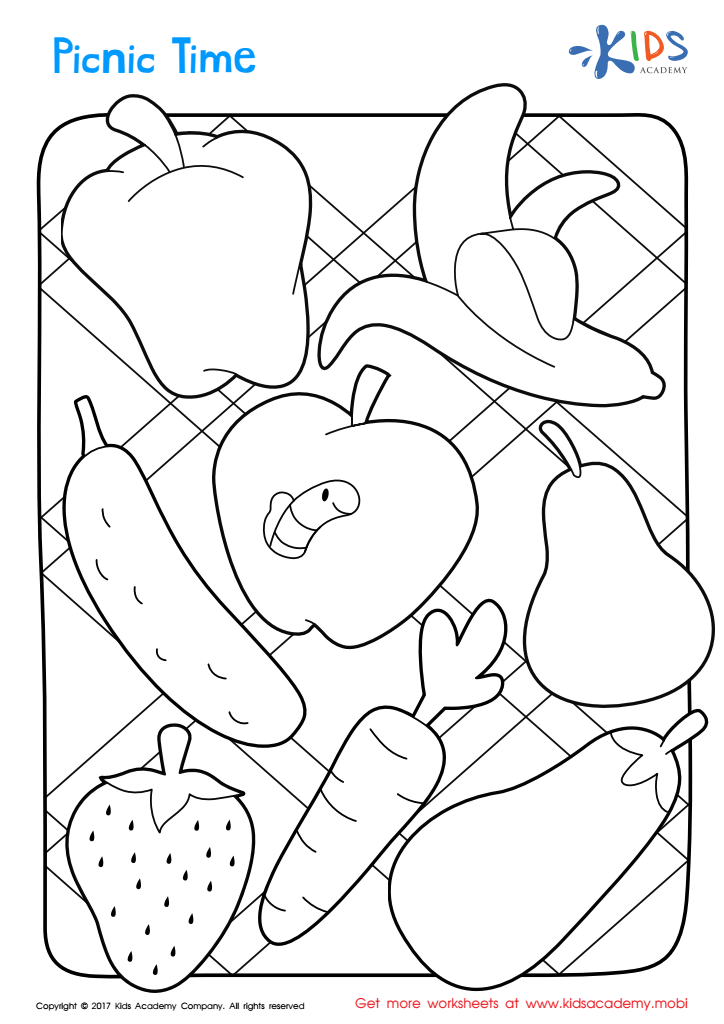
Picnic Time Coloring Page
Assign to My Students
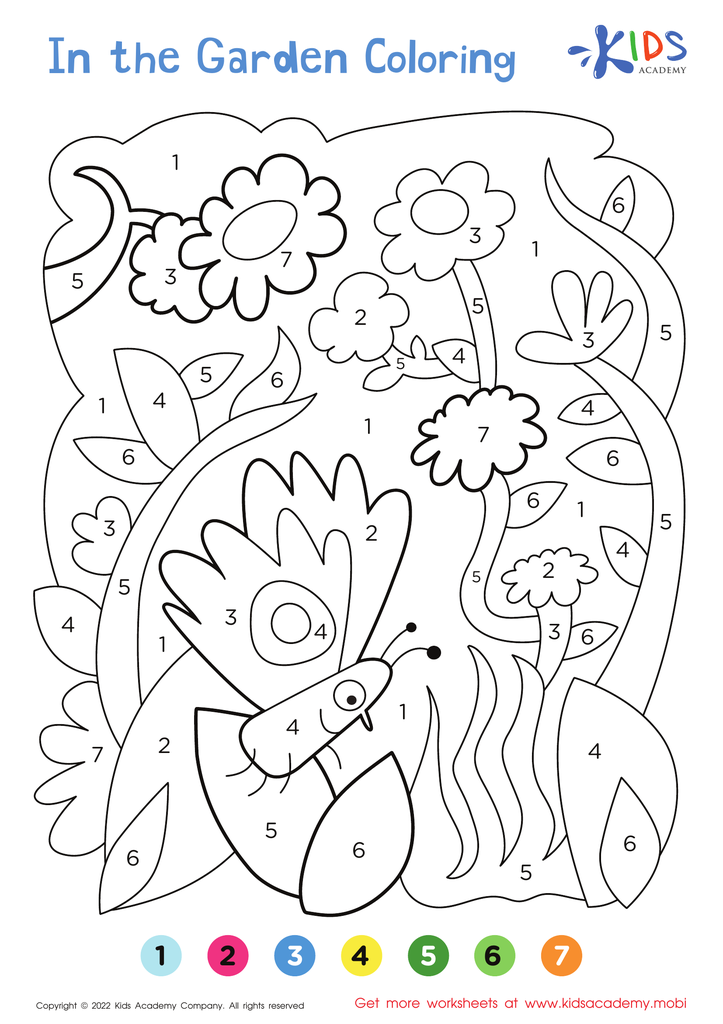
In the Garden – Coloring by Numbers







Color recognition in plants is a crucial aspect of early education for children aged 6-9, as it lays the foundation for a variety of developmental benefits. First, understanding colors helps enhance a child's cognitive skills, aiding in memory, attention, and critical thinking. When children learn to identify different colors in plants, they also discover patterns and relationships that foster scientific inquiry and observation, crucial skills in science education.
Moreover, recognizing colors in nature cultivates curiosity and environmental awareness. By exploring the vibrant shades of flowers, leaves, and fruits, children develop a sense of wonder about the natural world, encouraging them to become more engaged with their surroundings. This engagement can lead to a lifelong appreciation for nature, promoting sustainability and conservation.
Additionally, color recognition activities often involve sensory exploration, supporting emotional and social growth. Collaborative exercises allow children to work together, share their discoveries, and communicate ideas, enhancing their interpersonal skills.
Ultimately, integrating color recognition in plants within educational settings offers a holistic approach to learning. It not only enriches children’s academic experience but also nurtures their curiosity, creativity, and respect for the environment, making it essential for parents and teachers to prioritize this aspect of their development.