Fine Motor Skills English for Beginners Worksheets for Ages 6-9 - Page 3
62 filtered results
-
From - To

White Tracing Color Words Worksheet
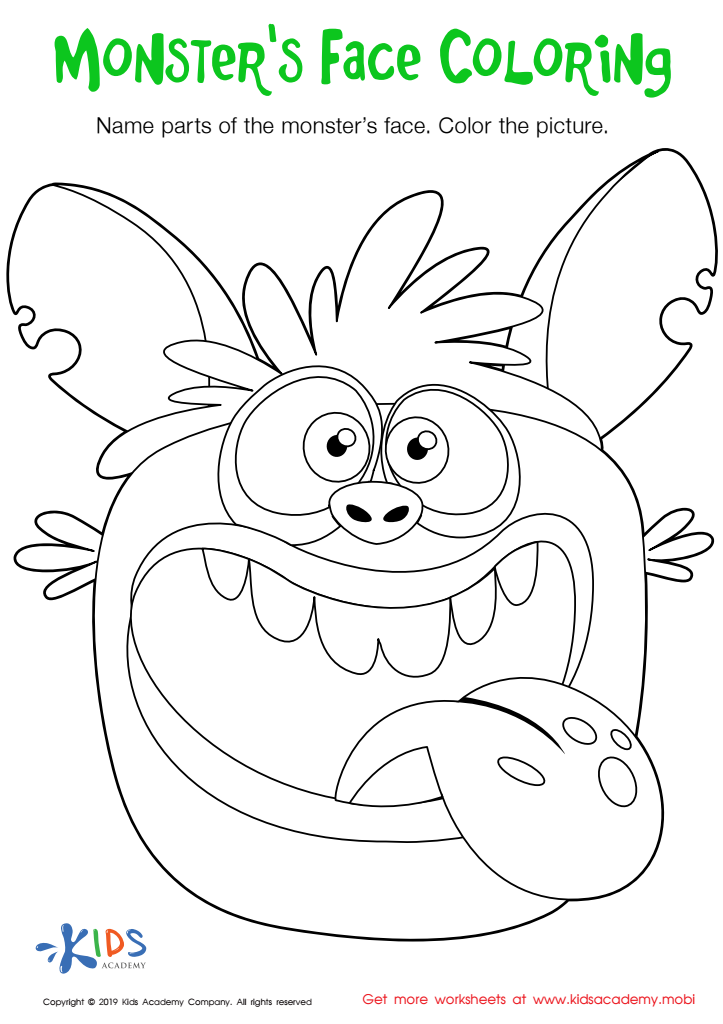
Monster's Face Coloring Worksheet
 Assign to My Students
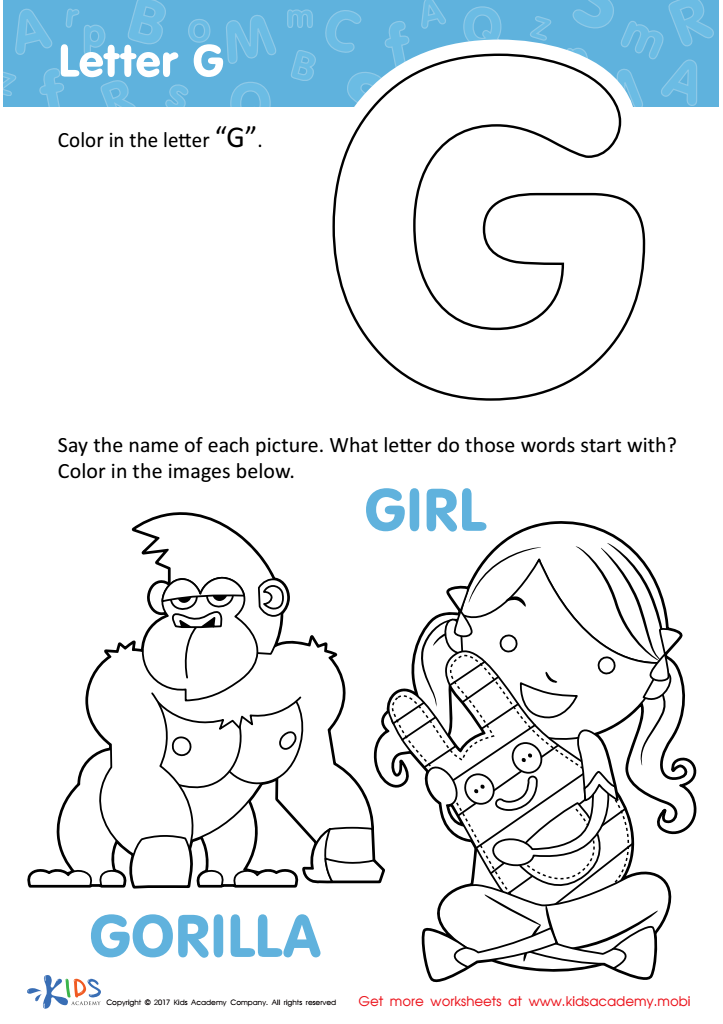
Letter G Coloring Sheet
Assign to My Students
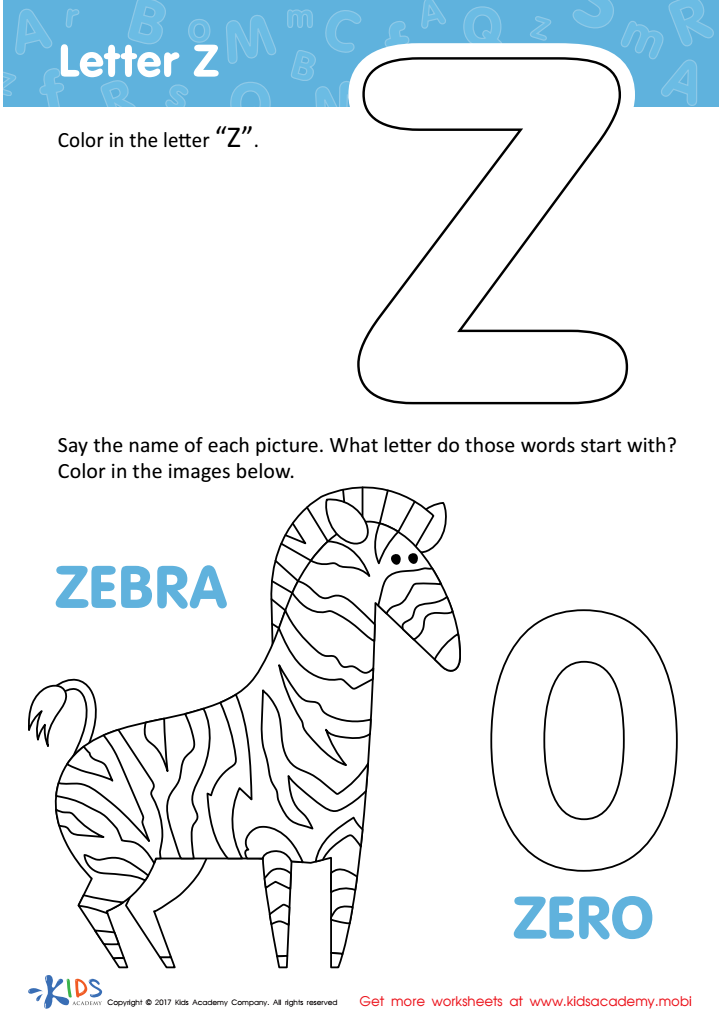
Letter Z Coloring Sheet
Assign to My Students
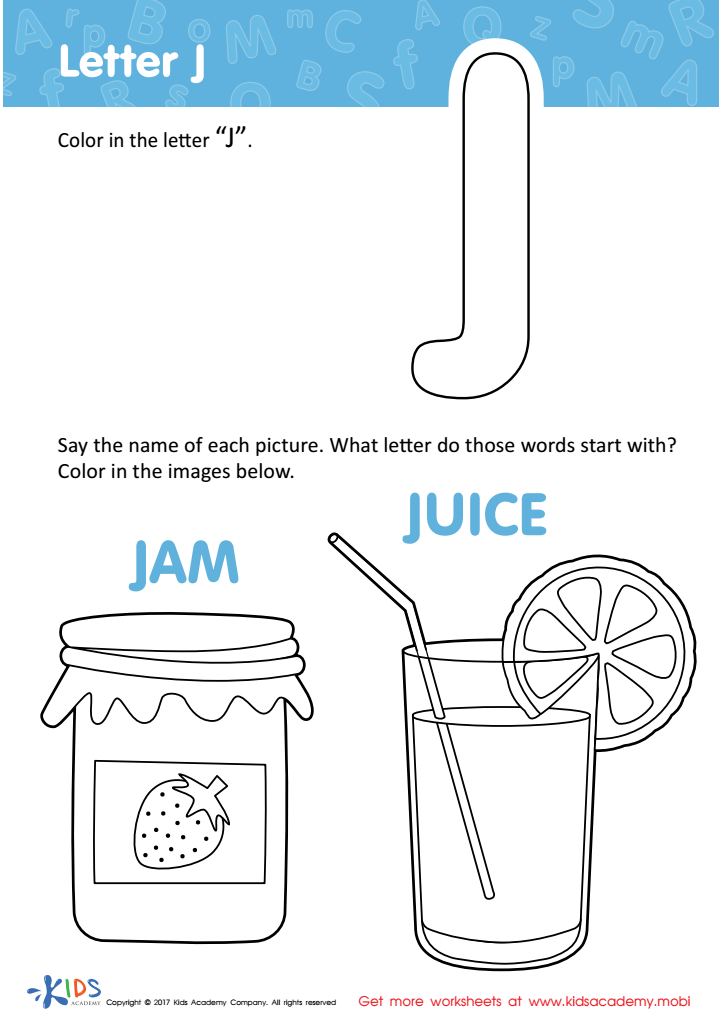
Letter J Coloring Sheet
Assign to My Students
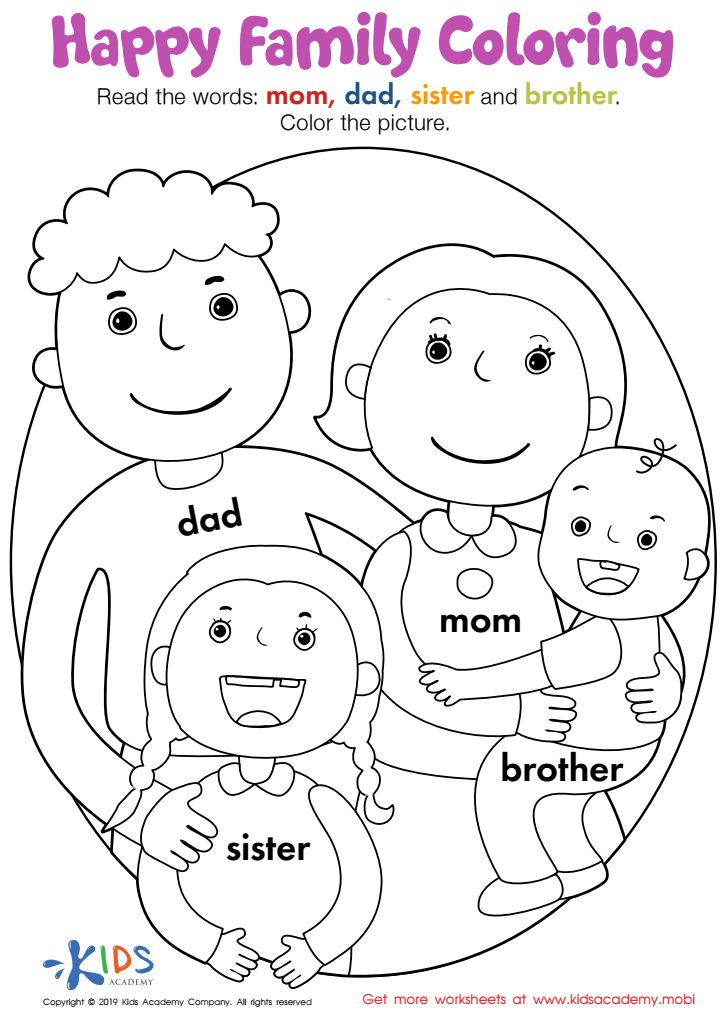
Happy Family Coloring Worksheet
Assign to My Students
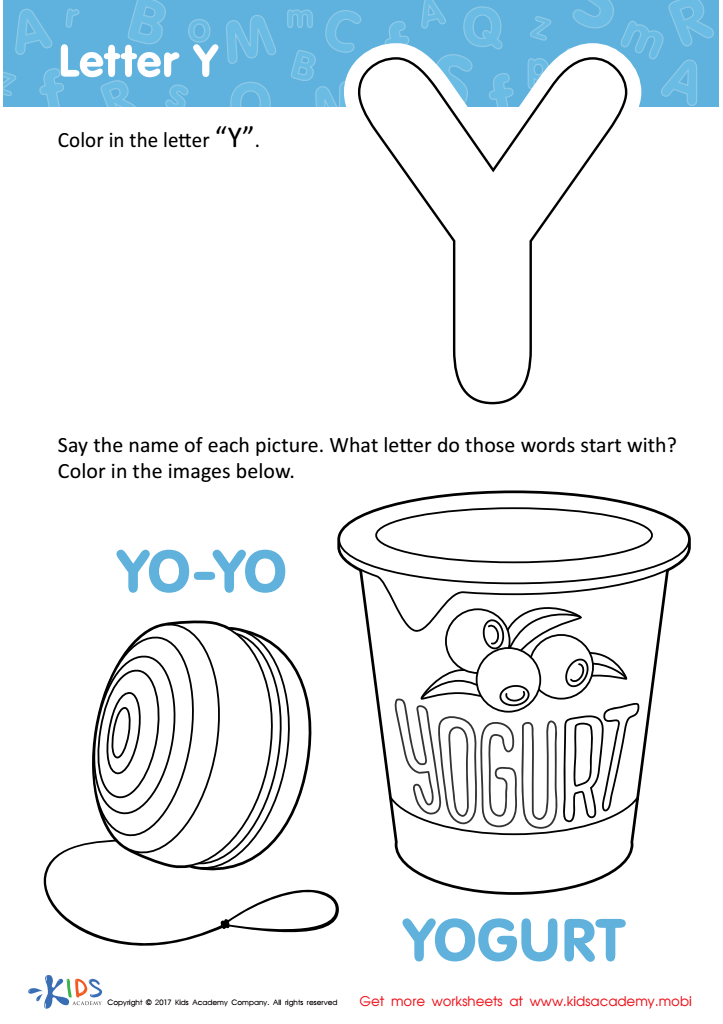
Letter Y Coloring Sheet
Assign to My Students
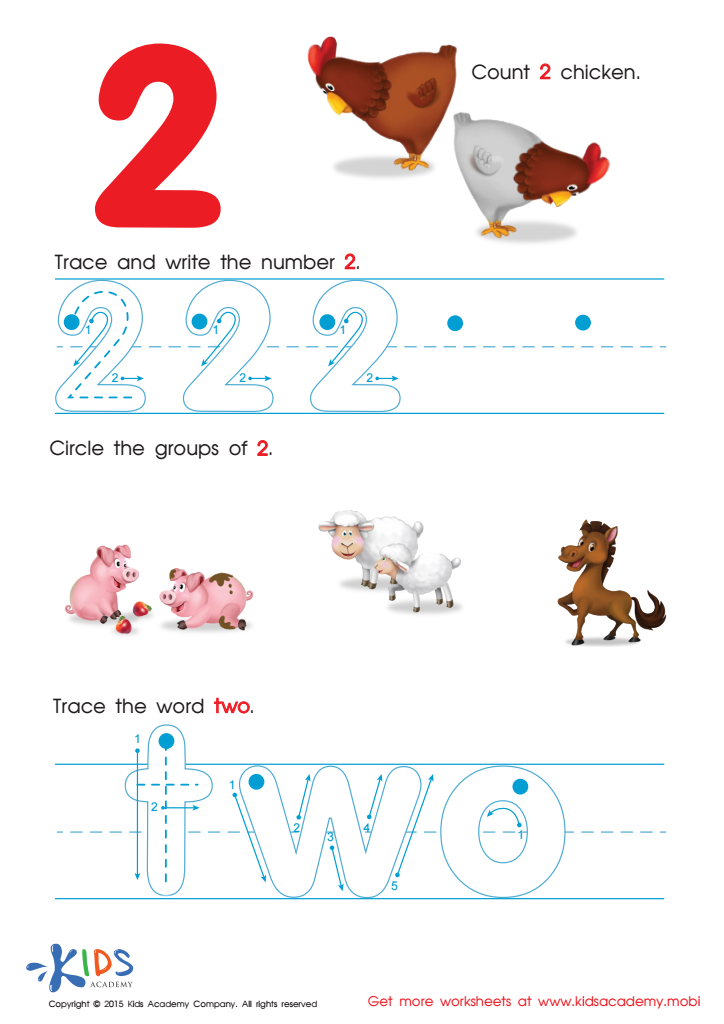
Learn to Write the Number 2 Worksheet
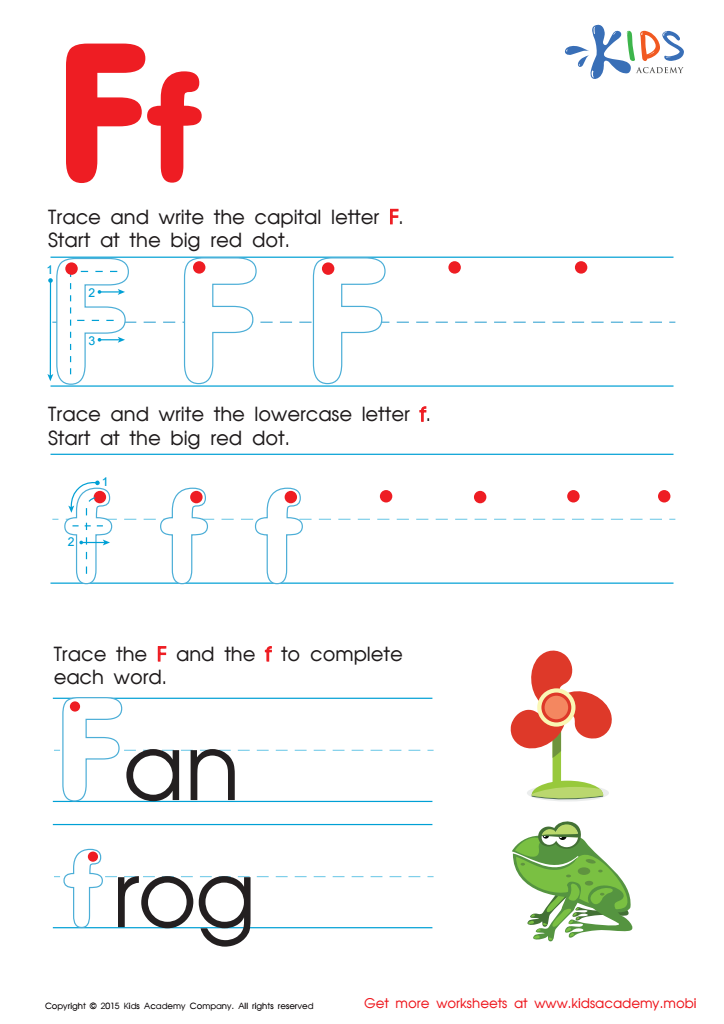
Letter F Tracing Page

White and Pink Coloring Fun Worksheet
Assign to My Students
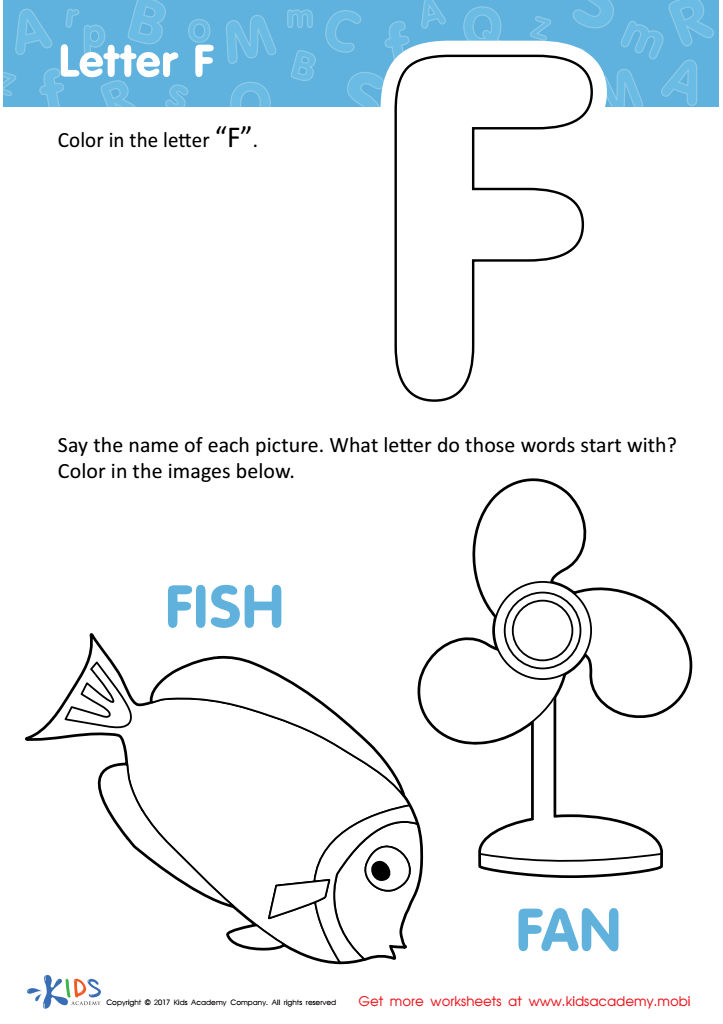
Letter F Coloring Sheet
Assign to My Students
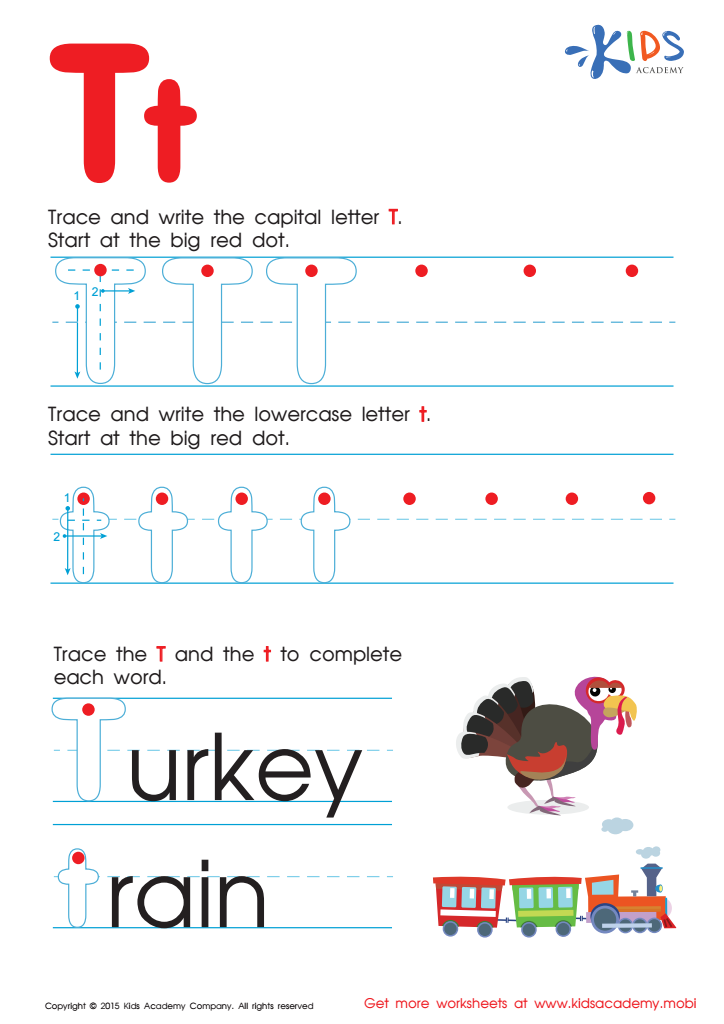
Letter T Tracing Page
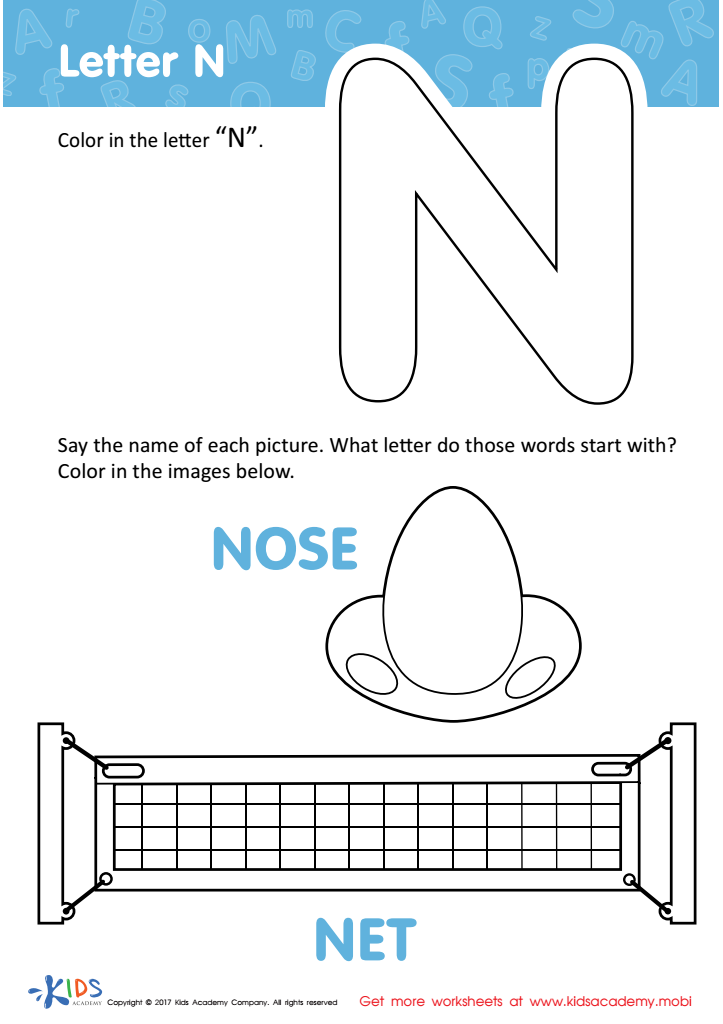
Letter N Coloring Sheet
Assign to My Students

Letter D Tracing Page





Fine motor skills are essential for children aged 6-9 as they form the foundation for numerous everyday activities and critical academic tasks. Fostering fine motor skills at this stage supports children in gaining proficiency in English and other subjects. By honing these abilities, children can better manipulate writing tools, enabling clearer handwriting and note-taking, which are vital for effective communication and academic success. Strong fine motor skills facilitate tasks such as cutting with scissors, buttoning clothing, and typing on a keyboard, enhancing independence and self-confidence.
For English learners, particularly beginners, fine motor skills are crucial for activities like drawing alphabet letters, which boosts letter recognition, spelling, and overall literacy. Kids with well-developed fine motor skills can engage more thoroughly in crafting projects, interactive games, and educational activities that reinforce language learning. Teachers and parents should focus on activities that involve pinching, grasping, and coordinating finger movements, such as bead threading, clay modeling, and puzzle assembly.
By prioritizing fine motor skill development, parents and teachers equip children not only with the tools needed for effective learning but also bolster their self-esteem and readiness to tackle more complex academic challenges. This holistic approach ensures that children have a solid foundation for lifelong learning and everyday tasks.