Addition Practice Worksheets for Ages 6-9 - Page 3
135 filtered results
-
From - To
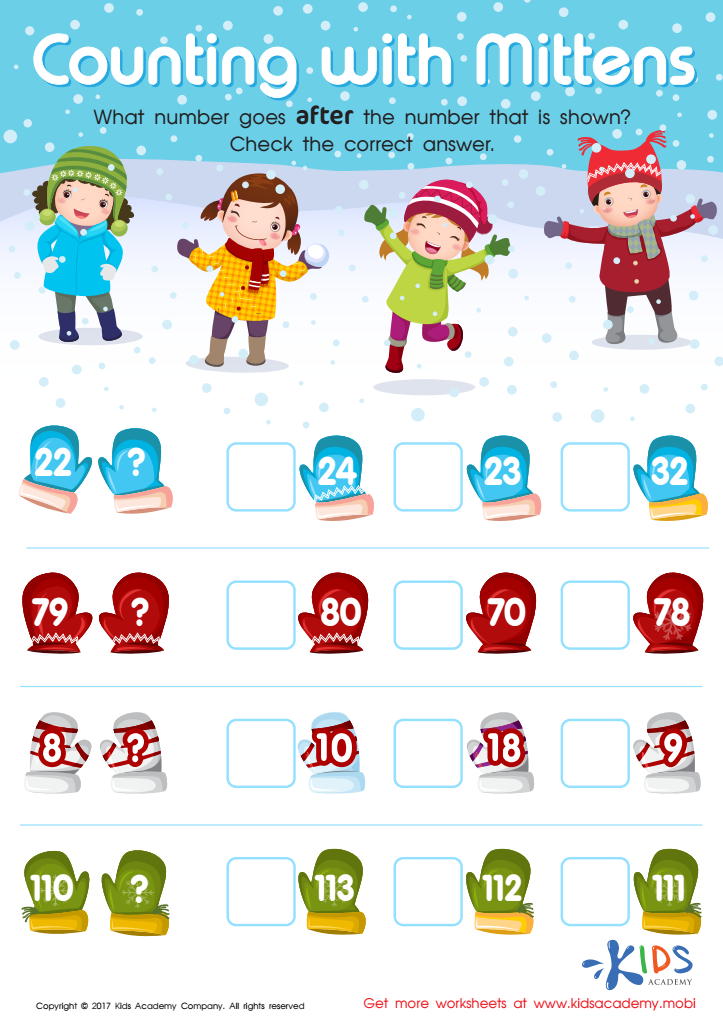
Counting with Mittens Worksheet
 Assign to My Students
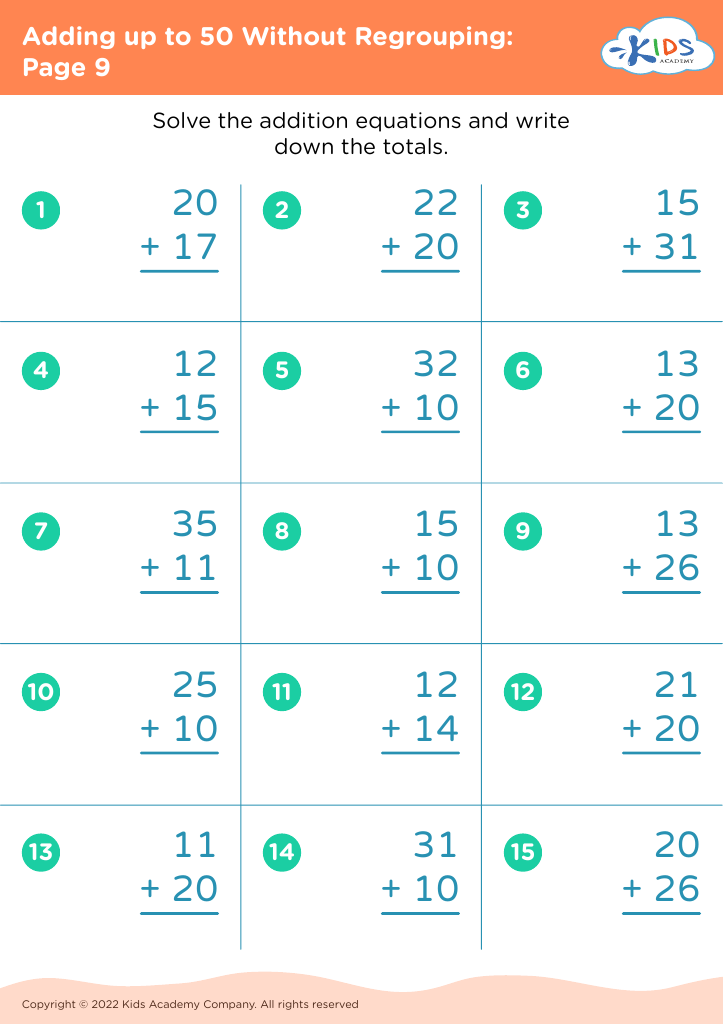
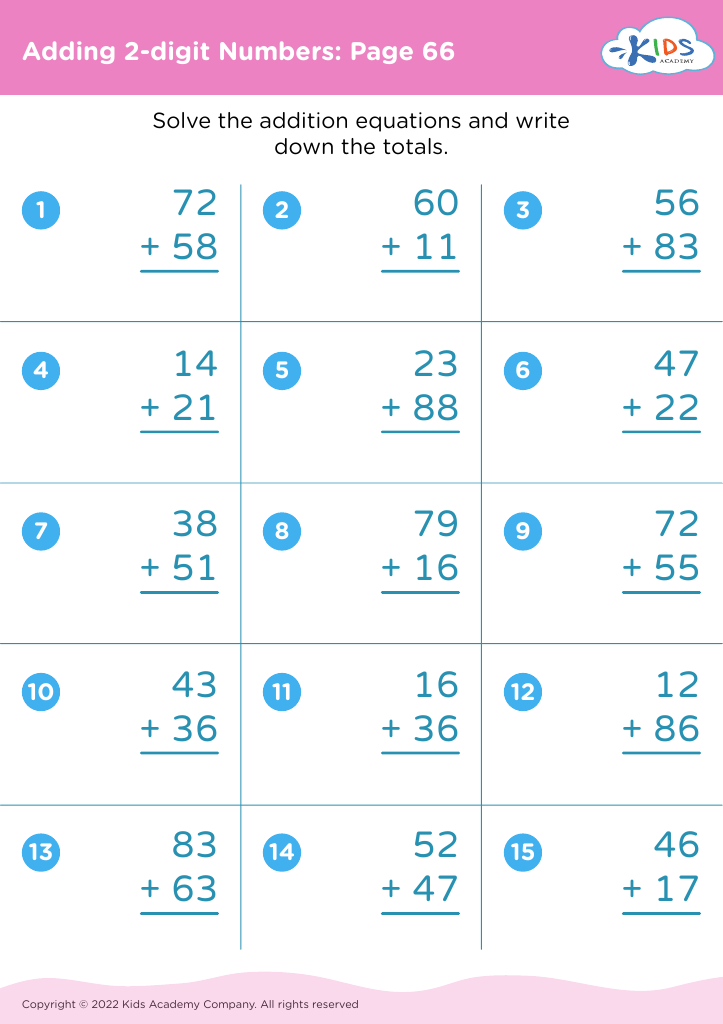
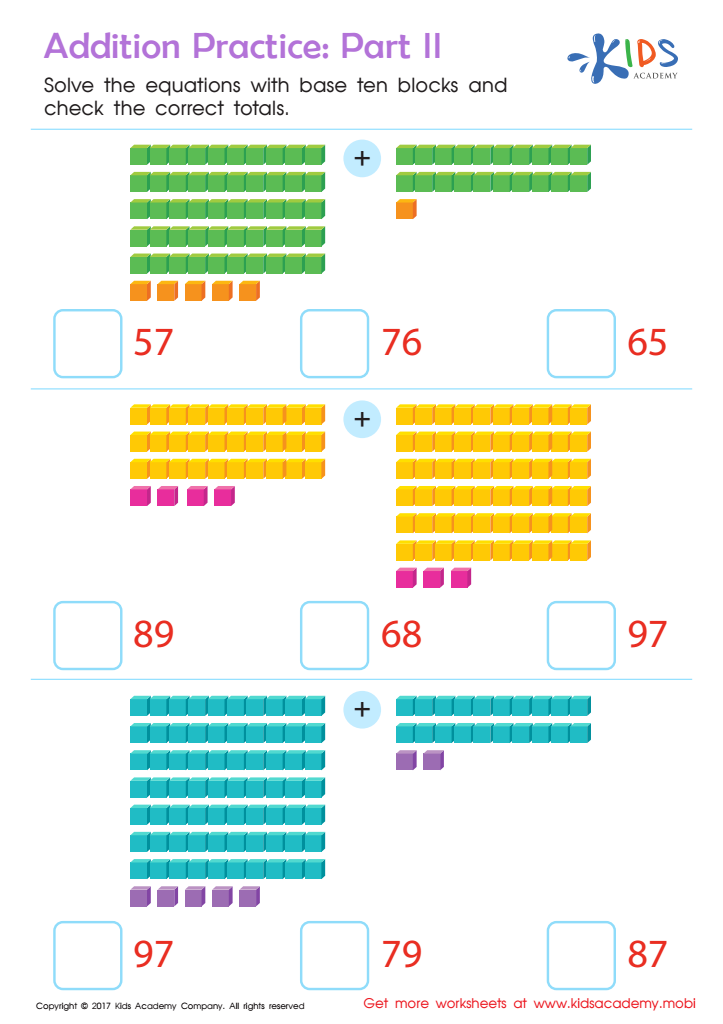
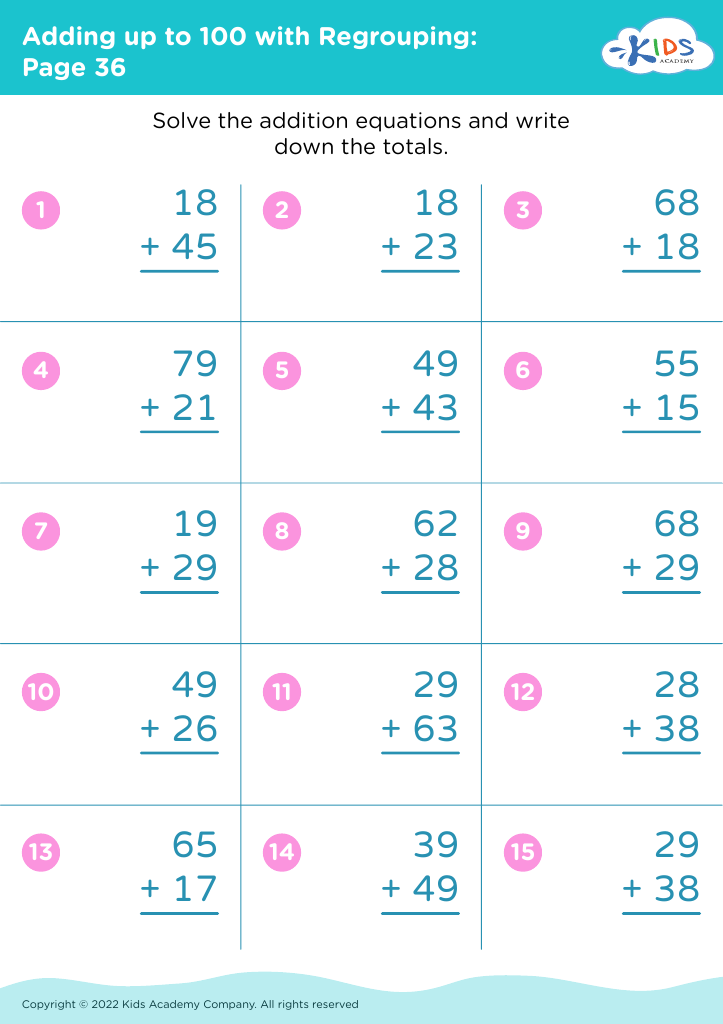
Addition Practice Sheet: Part 2
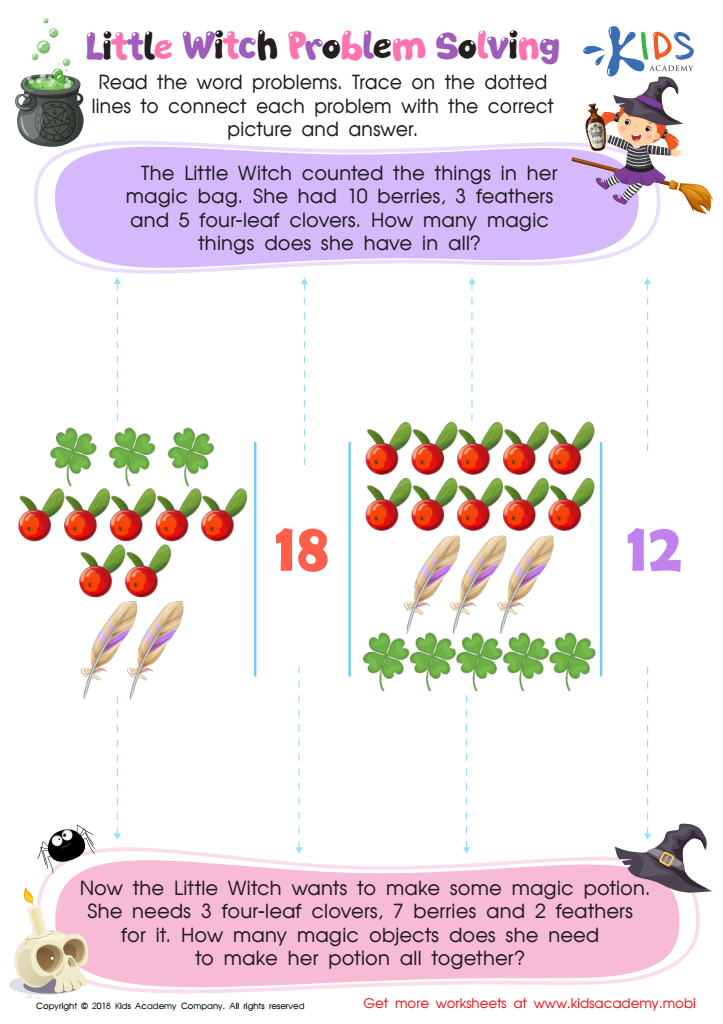
Little Witch Problem Solving Worksheet
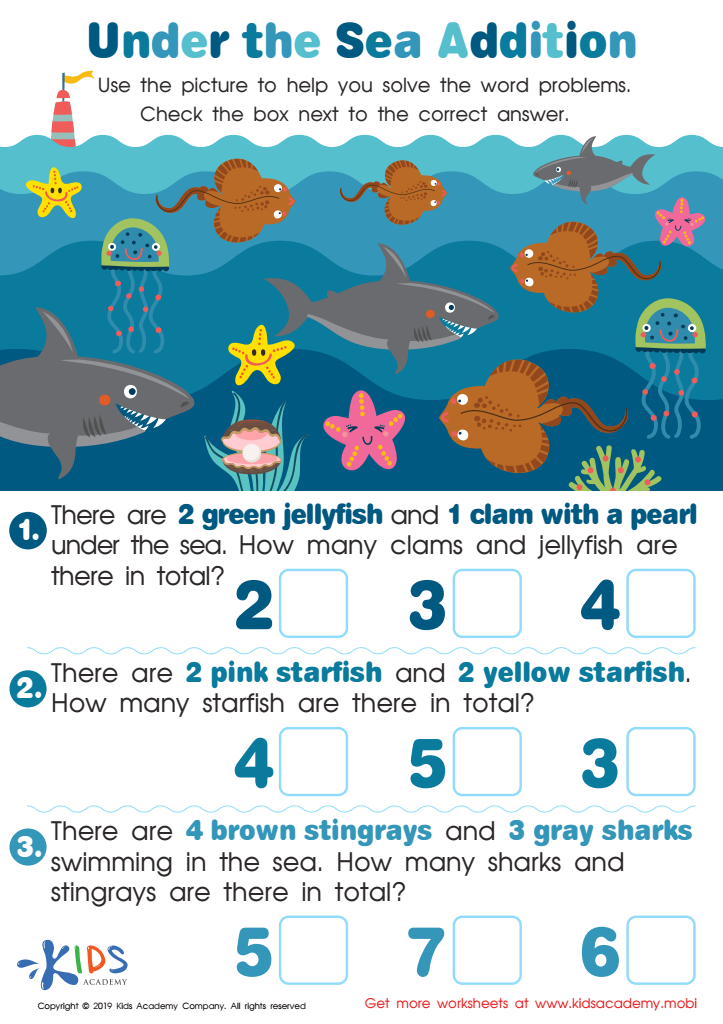
Under the Sea Addition Worksheet
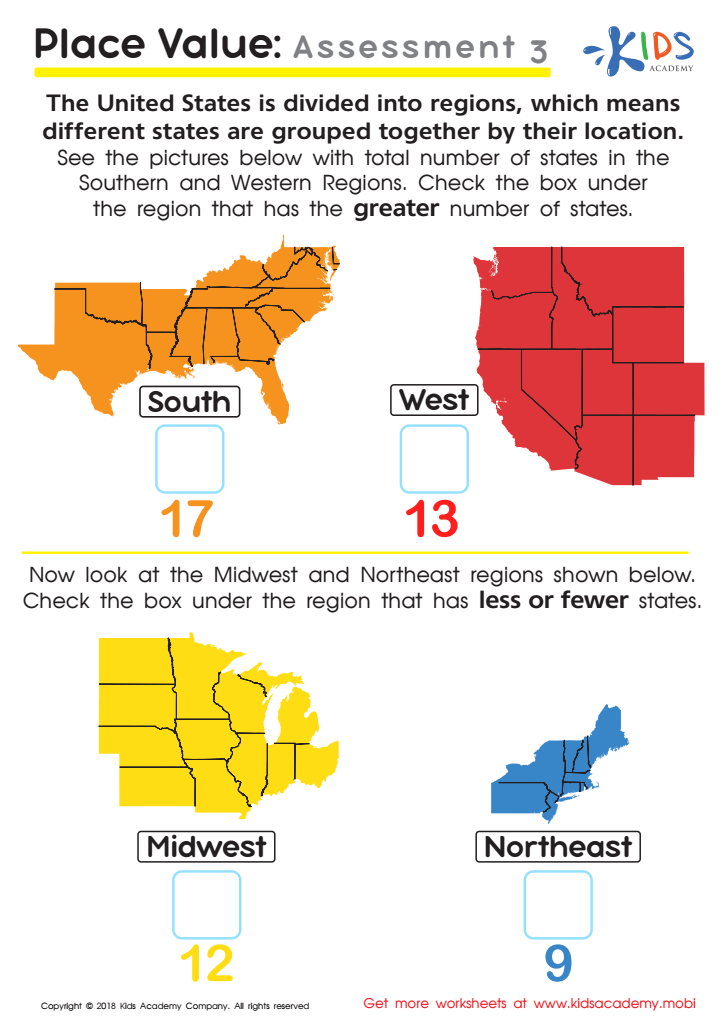
Place Value: Assessment 3 Worksheet
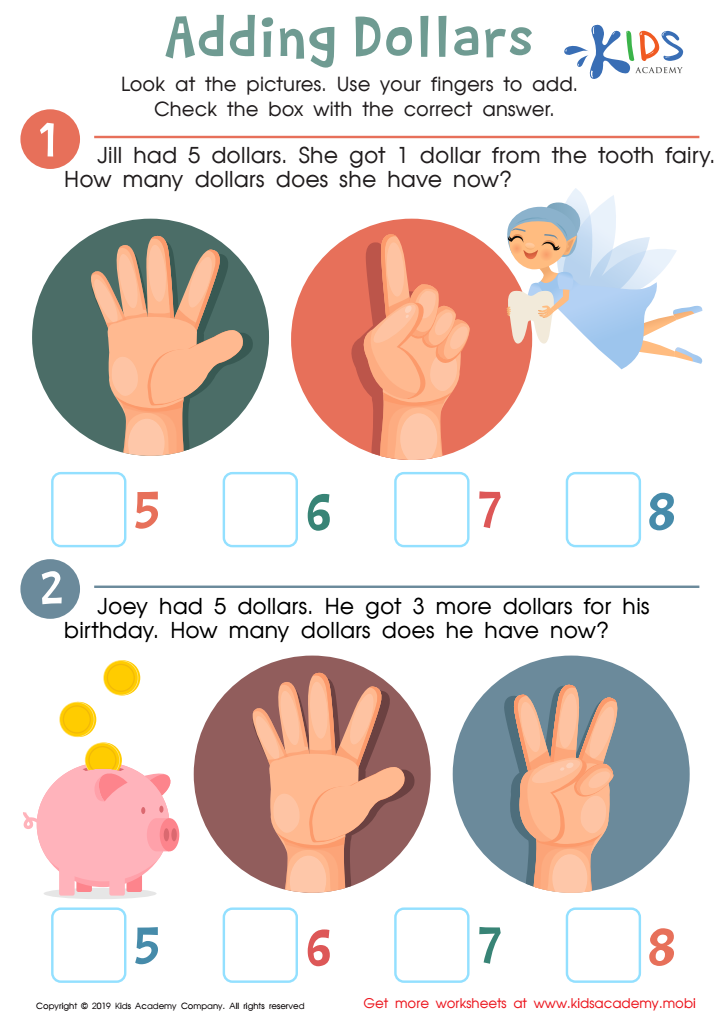
Tooth Fairy Addition Worksheet
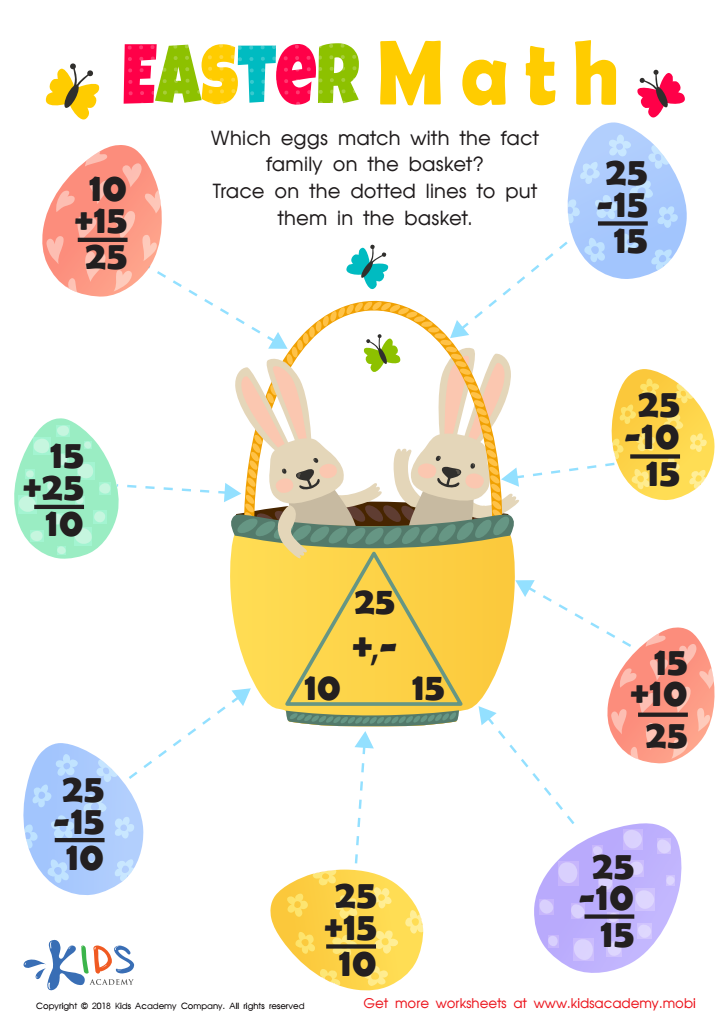
Fact Families: Easter Math Worksheet
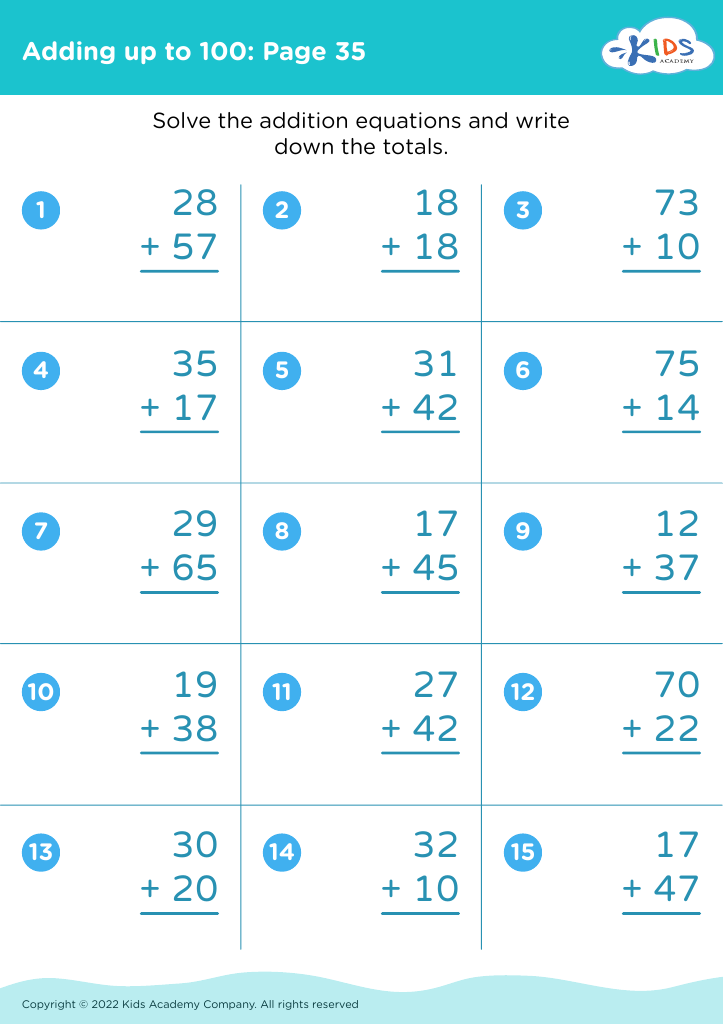
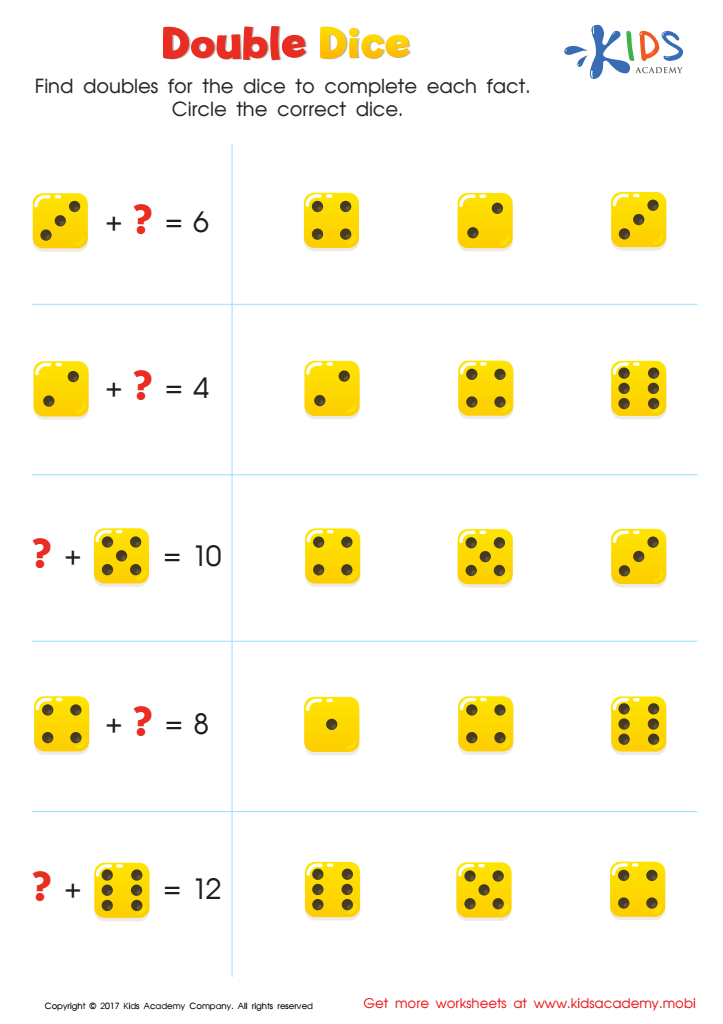
Addition Facts: Double Dice Worksheet
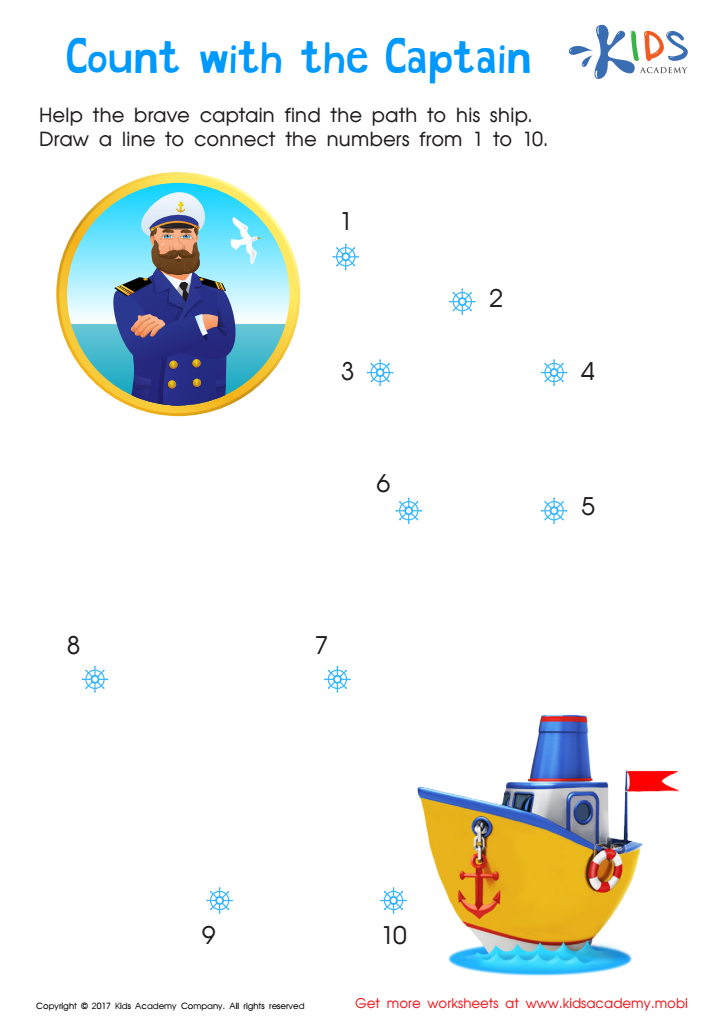
Count with the Captain Connect Dots Worksheet
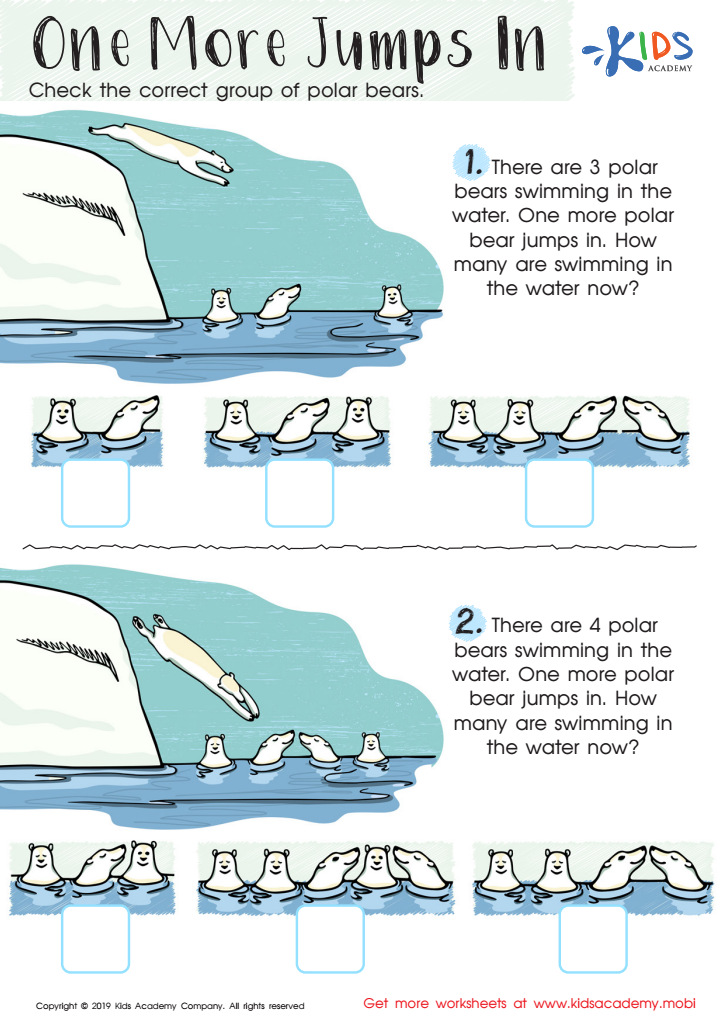
One More Jumps In Worksheet
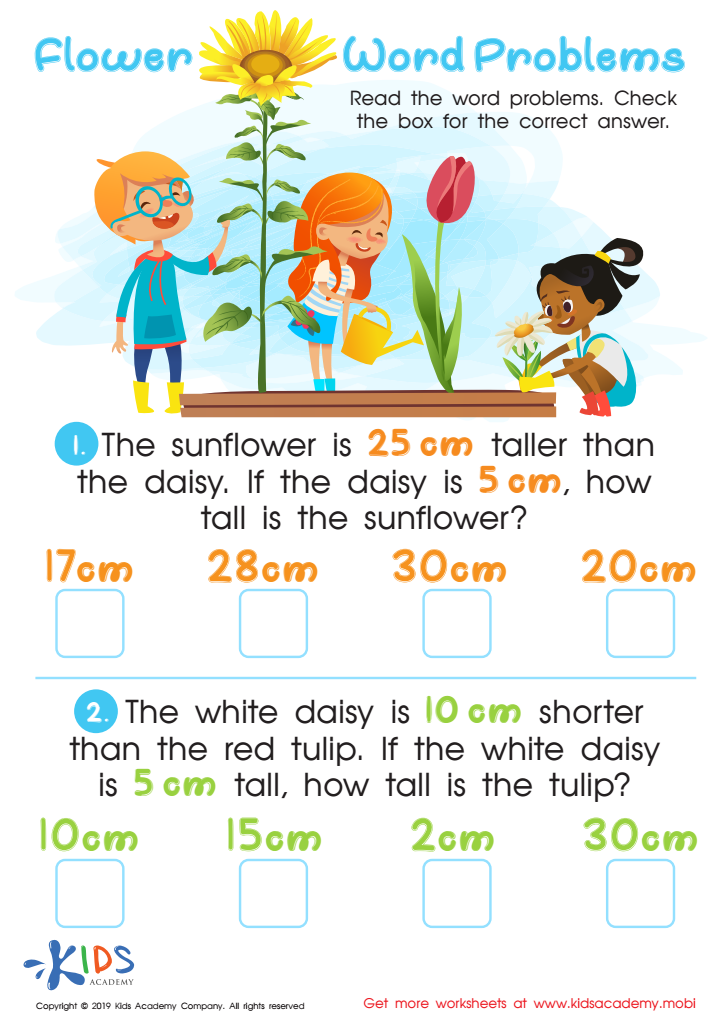
Flower Word Problems Worksheet
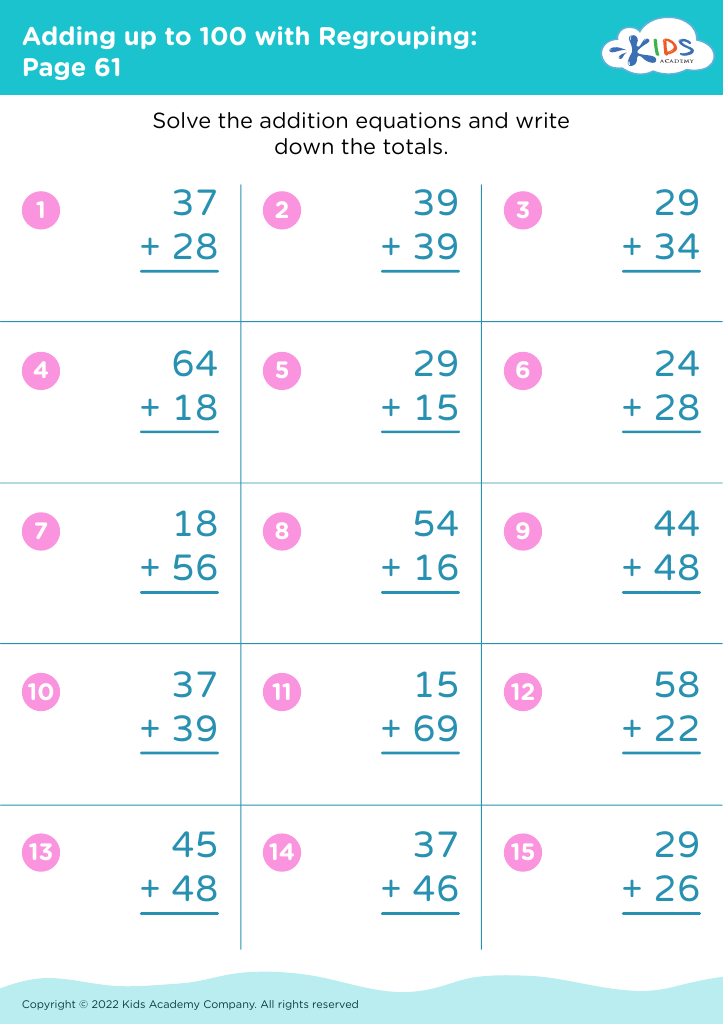
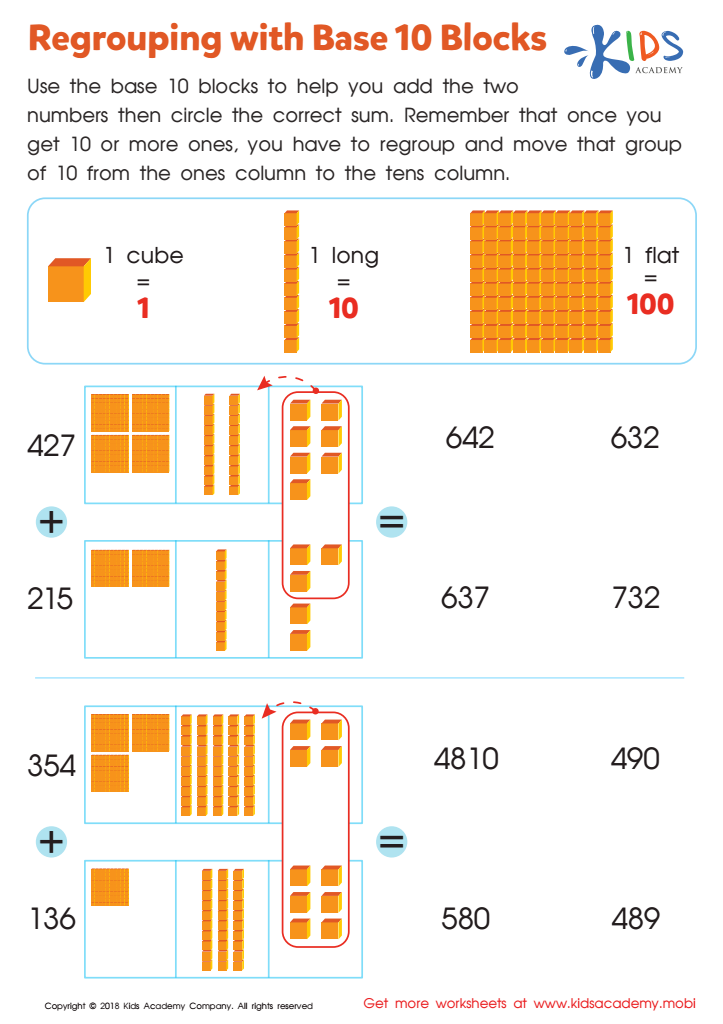
Regrouping with Base 10 Blocks Worksheet
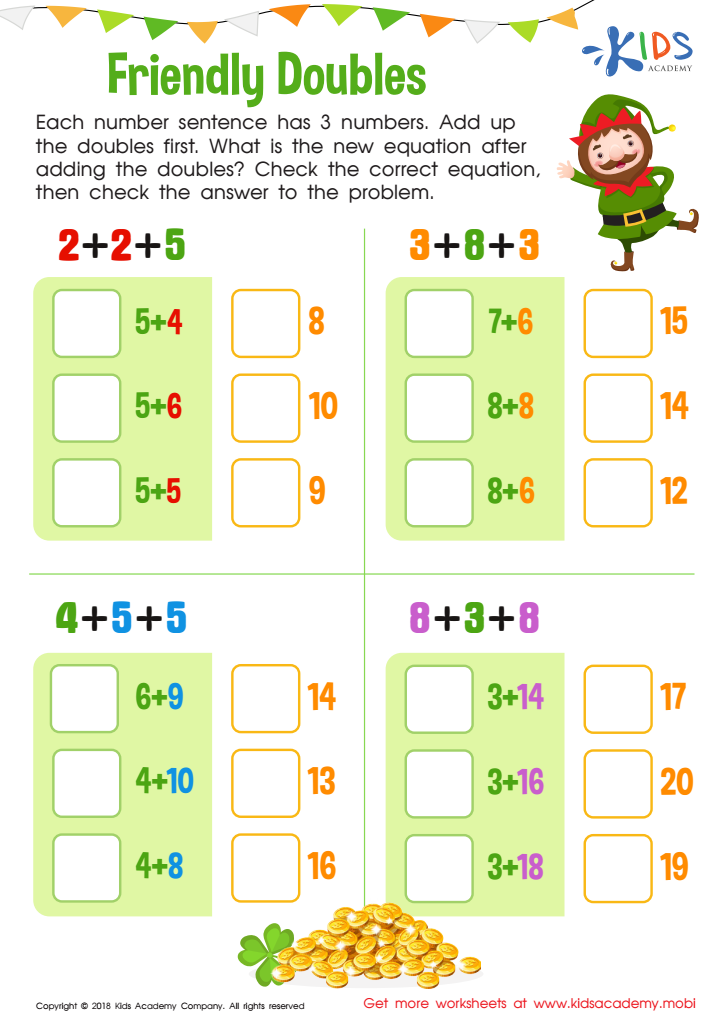
Friendly Doubles Worksheet
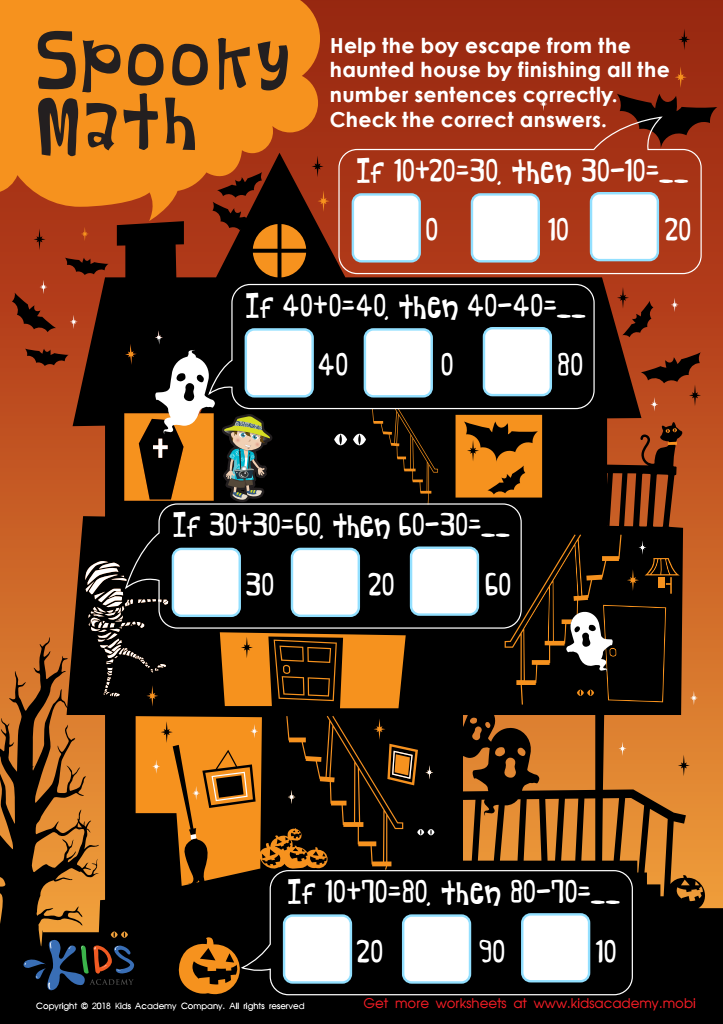
Subtract Tens: Spooky Math Worksheet
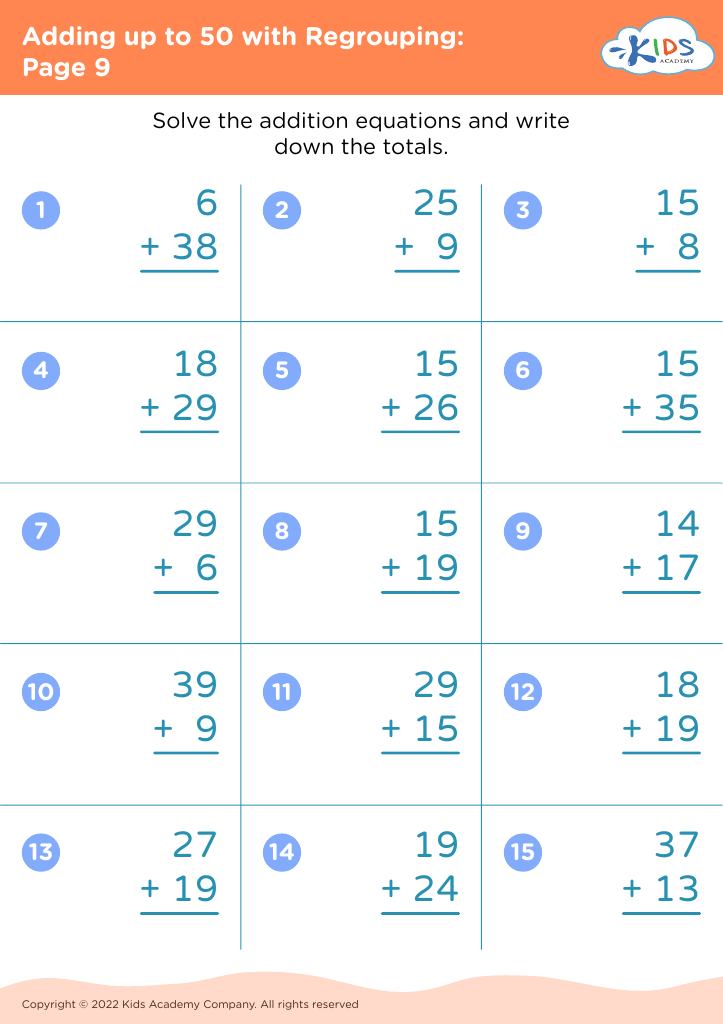
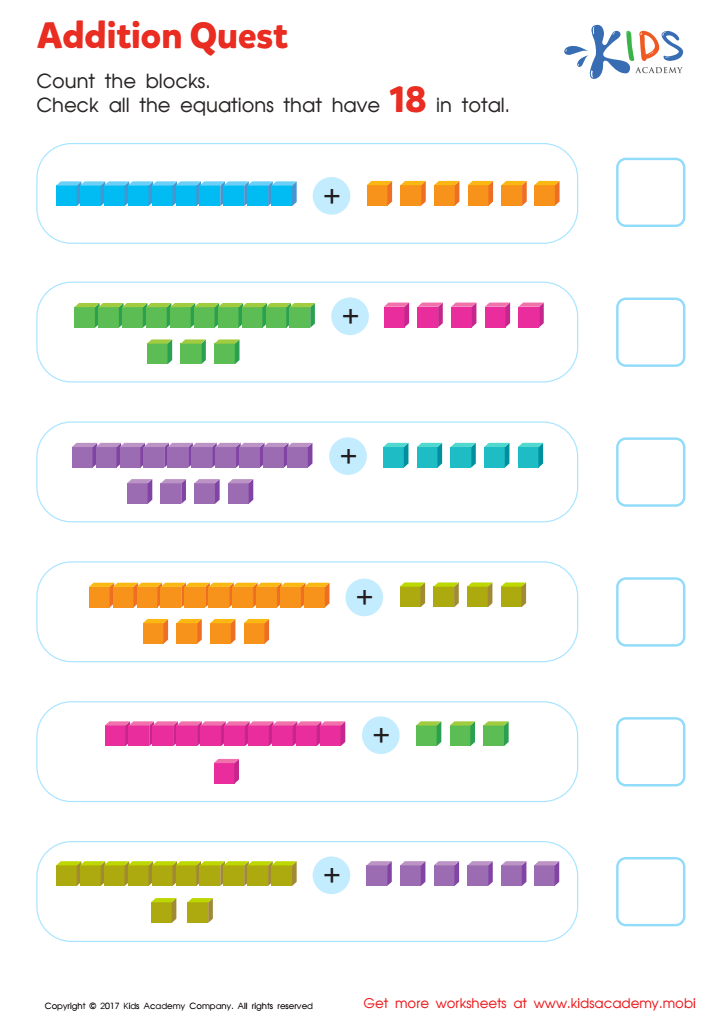
Addition Quest Worksheet: Part 2
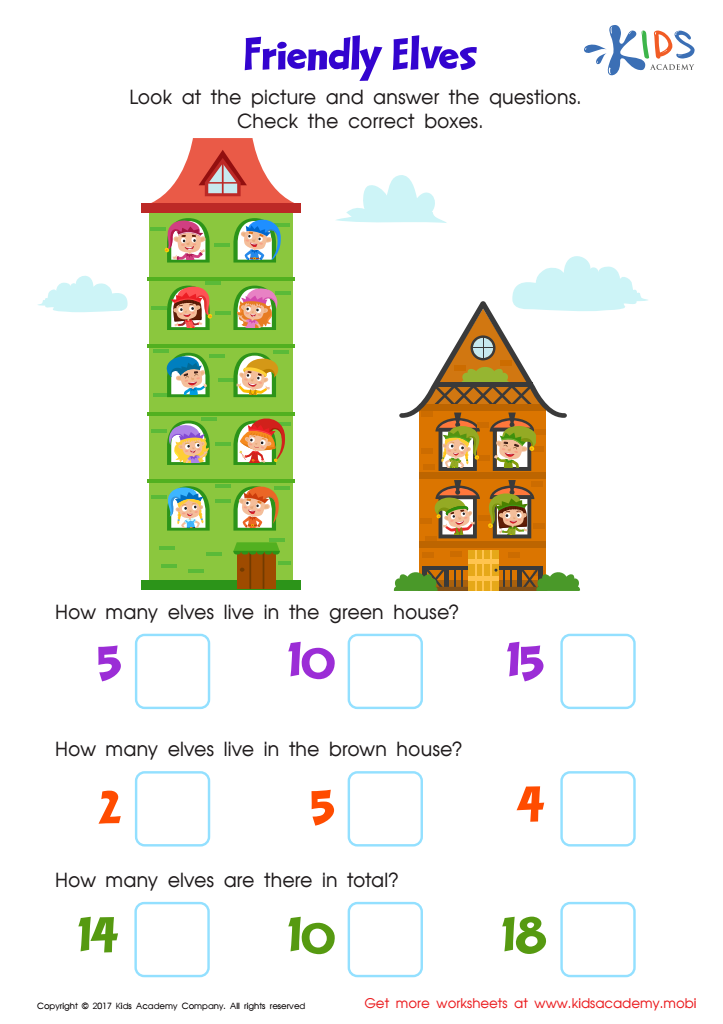
Place Value: Friendly Elves Worksheet
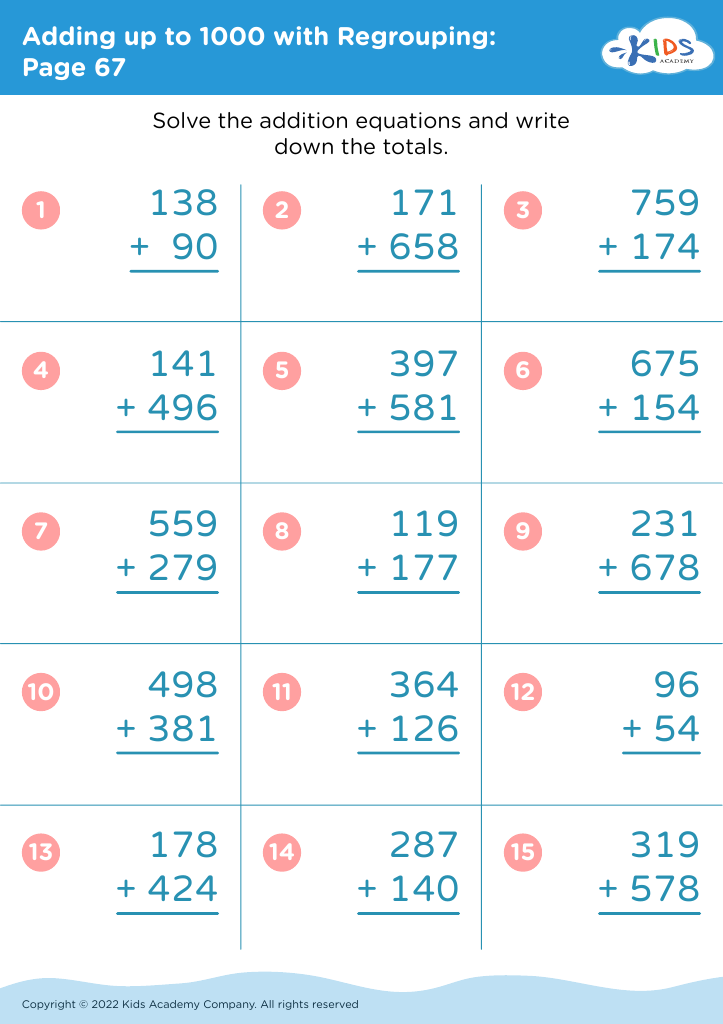
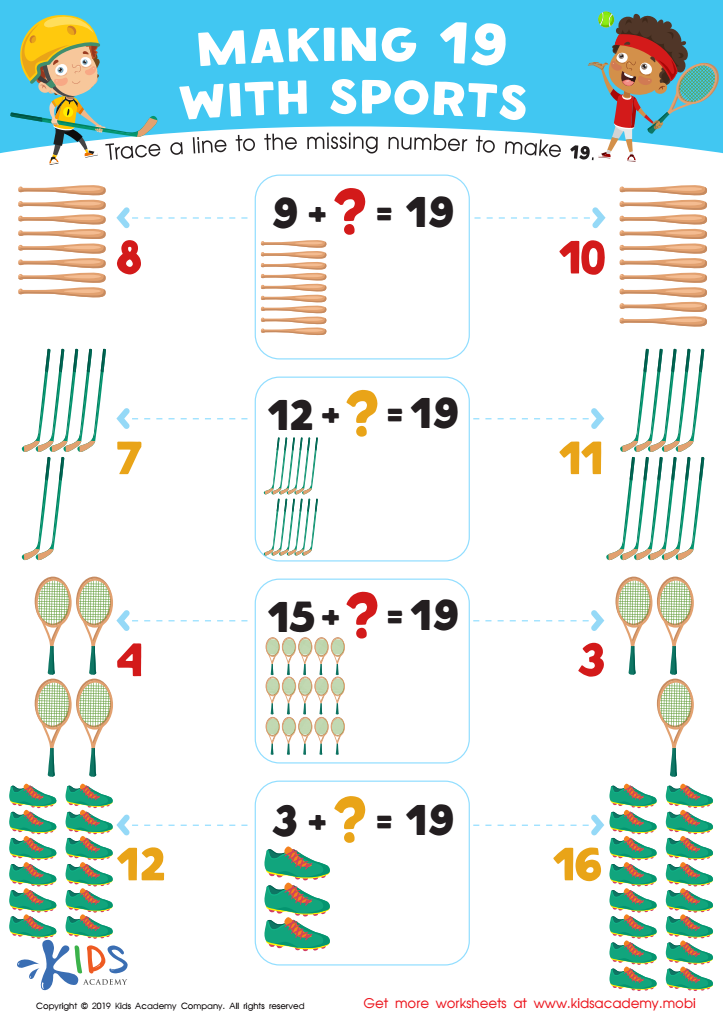
Making 19 with Sports Worksheet






Addition practice for children aged 6 to 9 is essential for several reasons that impact their academic success and overall development. First, mastering addition forms a foundational math skill crucial for understanding more advanced concepts, such as subtraction, multiplication, and division. Early proficiency in addition helps build a child's confidence in their abilities, fostering a positive attitude towards math that can persist throughout their education.
Moreover, regular addition practice enhances cognitive skills, such as problem-solving and critical thinking. Engaging in computational activities sharpens children’s focus and concentration, traits that are beneficial in all learning areas. As kids practice addition, they also cultivate persistence and resilience, important qualities for facing challenges.
Moreover, the development of mathematical fluency promotes better performance in standardized testing. Educators and parents must recognize that children learn at different paces; therefore, providing a supportive and encouraging environment for addition practice is critical for individual growth.
Lastly, early math skills correlate with later academic achievement and can positively influence a child’s career options. By investing time and effort into addition practice, parents and teachers lay the groundwork for long-term success, ensuring that children not only understand math but also enjoy a lifelong relationship with learning.








