Alphabet Learning Worksheets for Ages 6-9
6 filtered results
-
From - To
Discover our engaging Alphabet Learning Worksheets designed specifically for children aged 6-9! These printable resources make learning the alphabet fun and interactive, helping young learners master letter recognition, phonics, and handwriting skills. Each worksheet features colorful illustrations and exciting activities that cater to a variety of learning styles. From tracing letters to identifying beginning sounds, our materials foster creativity and enhance literacy development. Perfect for both classroom use and home practice, these worksheets are a great tool for parents and educators alike. Equip your child with essential foundational skills in a entertaining way with our thoughtfully crafted alphabet worksheets!
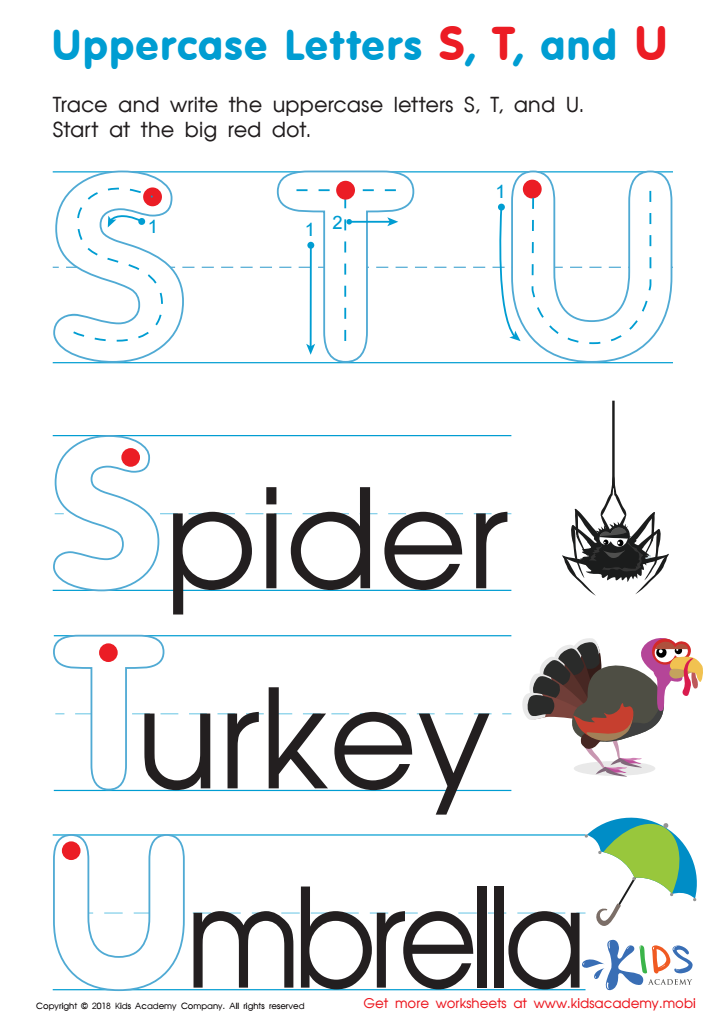
Uppercase Letters S, T, and U Worksheet
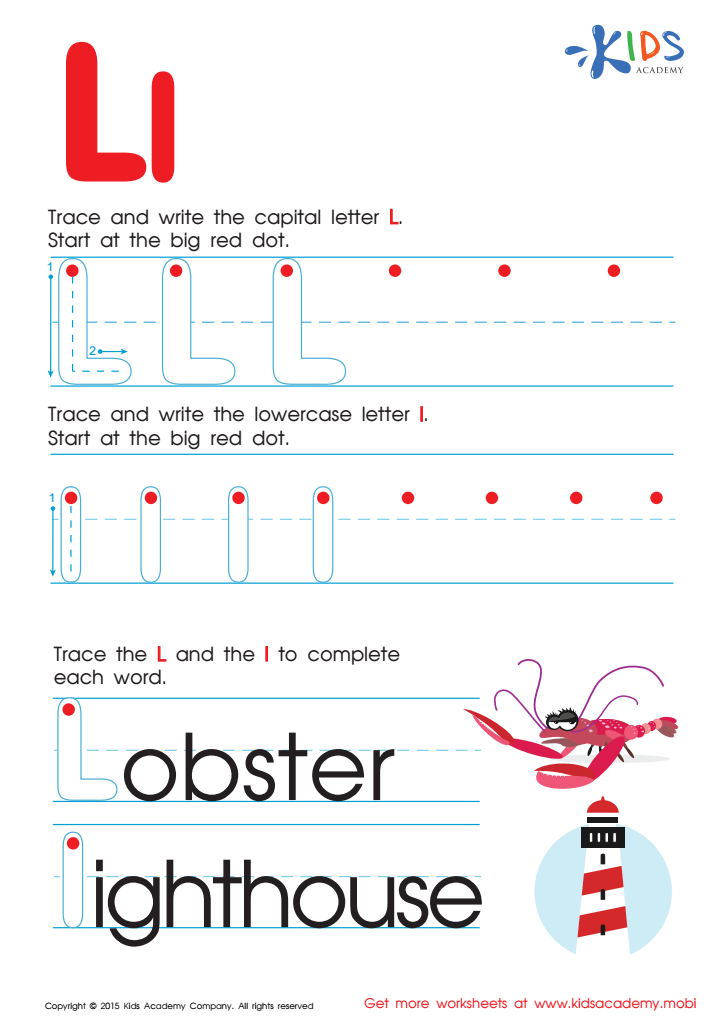
Letter L Tracing Page
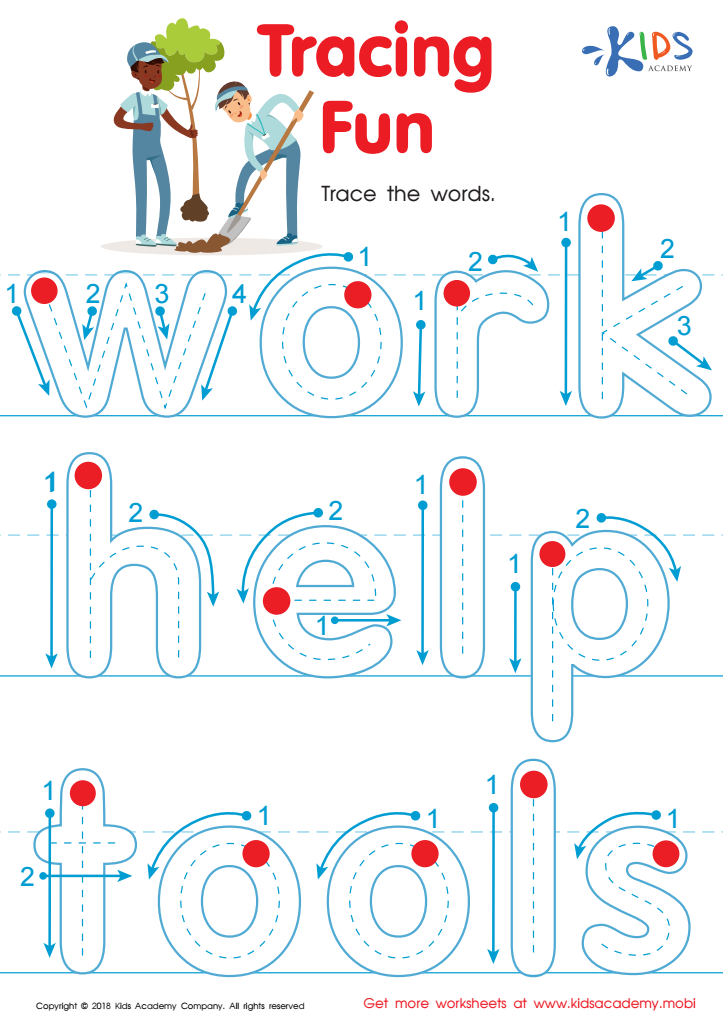
Tracing Fun Worksheet
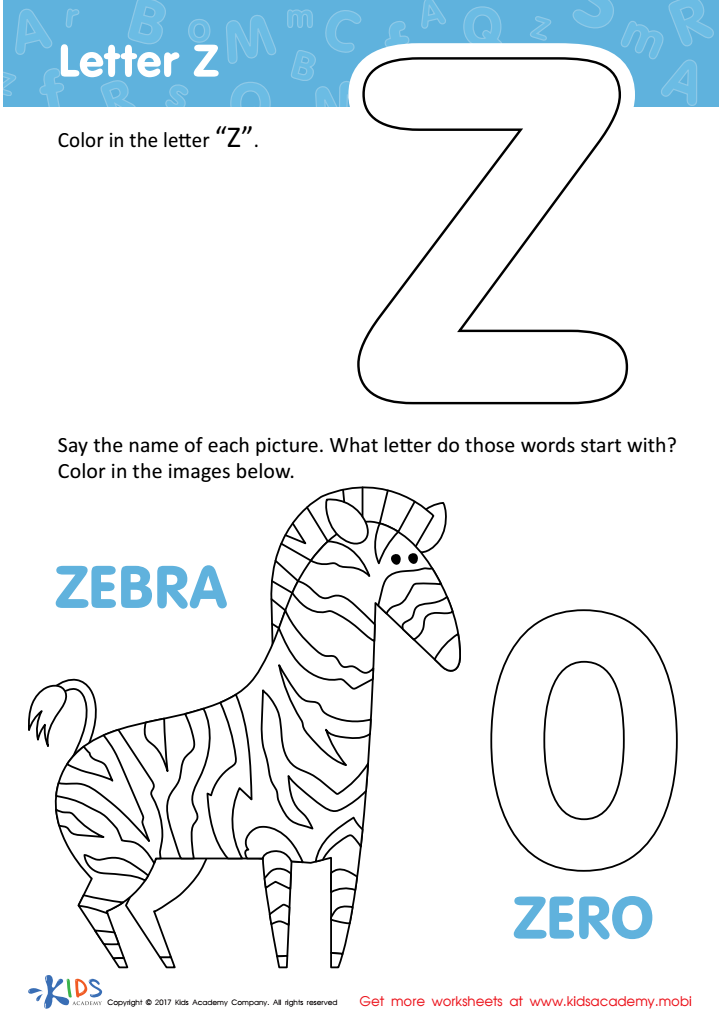
Letter Z Coloring Sheet
 Assign to My Students
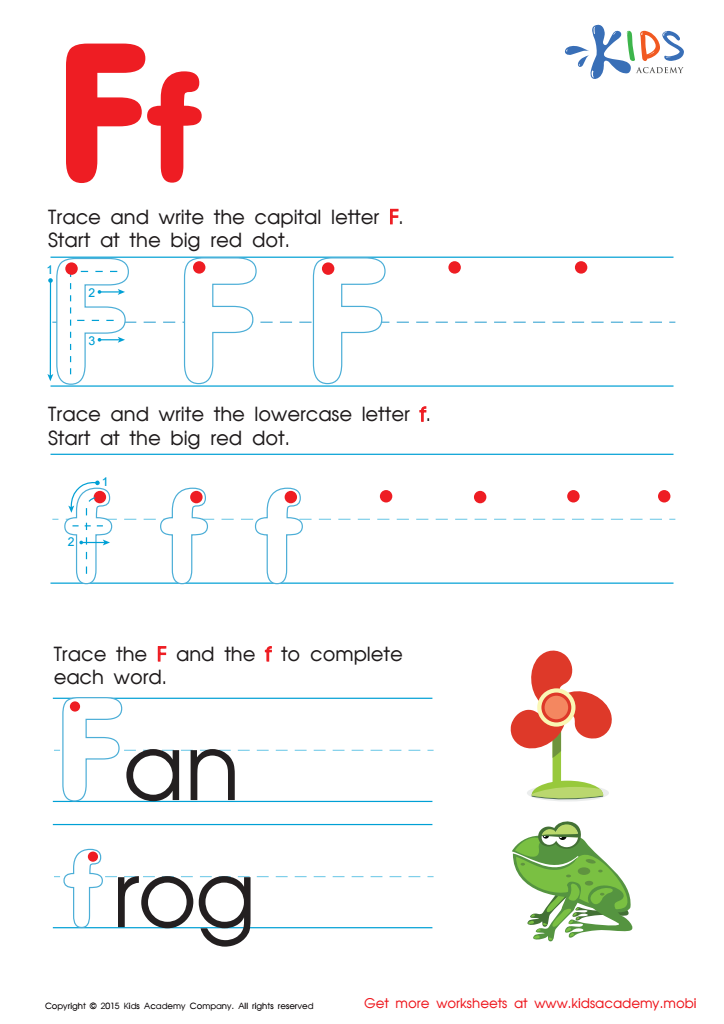
Letter F Tracing Page








Alphabet learning is a foundational step in a child's literacy and overall academic development, especially for those aged 6-9. At this crucial stage, children transition from recognizing letters to understanding their sounds and using them in reading and writing. This knowledge is vital for developing strong literacy skills that will support them throughout their education.
Parents and teachers should prioritize alphabet learning because it enhances phonemic awareness, which is the ability to hear, identify, and manipulate sounds. This skill is core to reading fluency and comprehension. As children become familiar with the alphabet, they can decode words and develop vocabulary, enabling them to express thoughts and ideas effectively.
Furthermore, engaging learning experiences around the alphabet can foster a love for reading, encouraging lifelong learning habits. Interactive activities, such as games, songs, and storytelling, make learning enjoyable, promoting a positive attitude towards education. Additionally, strong language skills correlate with improved academic performance in other subjects.
In summary, nurturing alphabet learning in children aged 6-9 creates a solid literacy base, impacts their future learning journeys, and equips them with essential communication skills. Teachers and parents play a pivotal role in facilitating this developmental milestone, making literacy a shared priority.








