Answering questions Worksheets for Ages 6-9
5 filtered results
-
From - To
Boost your child’s comprehension and critical thinking skills with our Answering Questions Worksheets for Ages 6-9. Perfectly designed for early learners, these engaging worksheets help kids practice answering diverse questions, from simple wh- questions to more complex inferential ones. Through fun and interactive exercises, children enhance their reading comprehension while building essential skills for academic success. Each worksheet encourages curiosity and fosters independent thinking, making learning both enjoyable and effective. Whether used at home or in the classroom, our Answering Questions Worksheets are an invaluable resource for nurturing young minds. Start your child on the path to confident learning today!
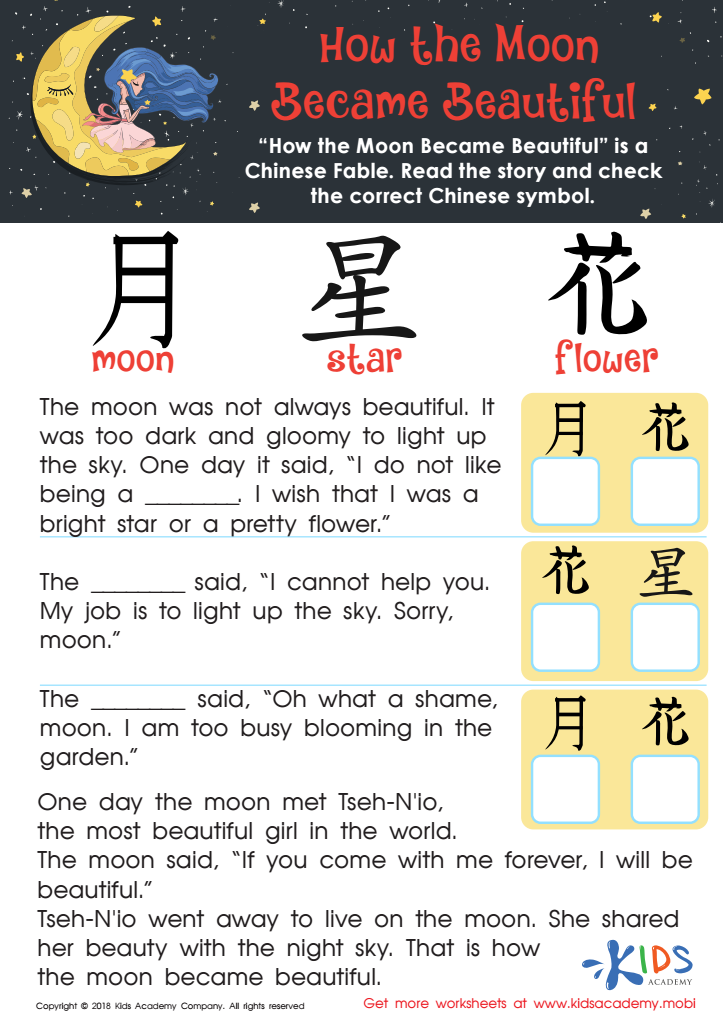
How the Moon Became Beautiful Worksheet
 Assign to My Students
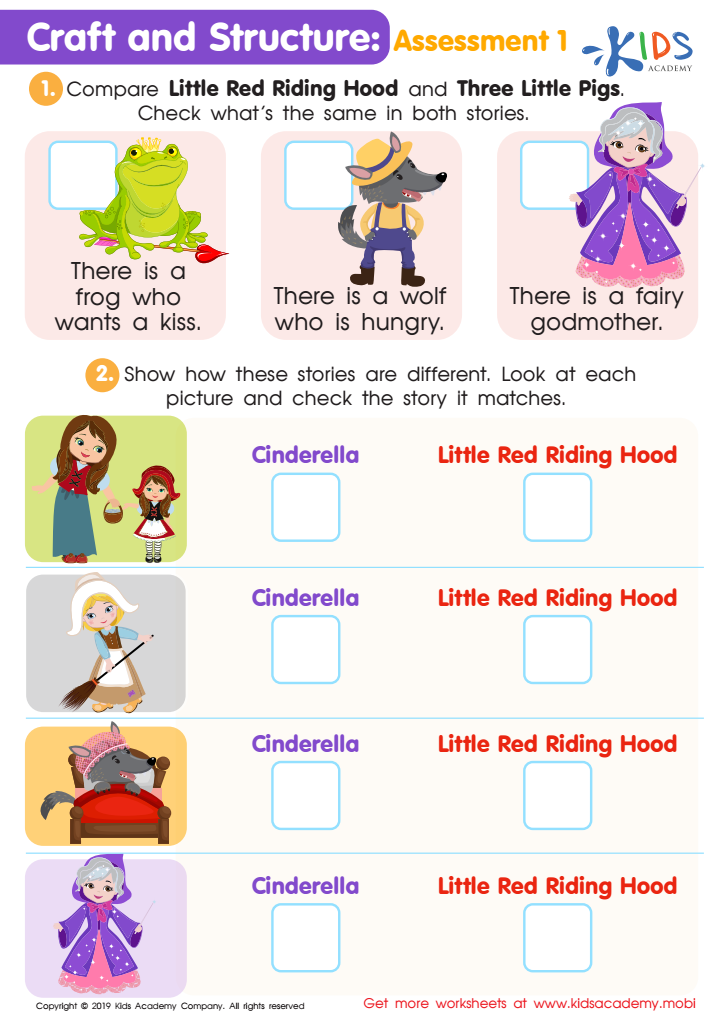
Craft and Structure: Assessment 1 Worksheet
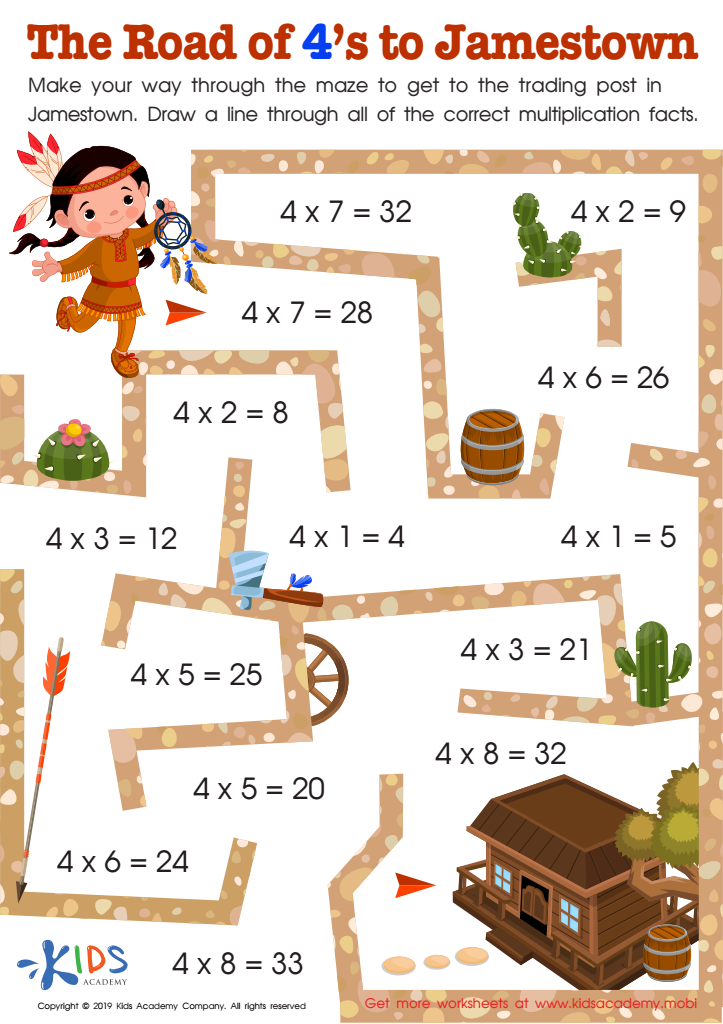
The Road of 4’s to Jamestown Worksheet
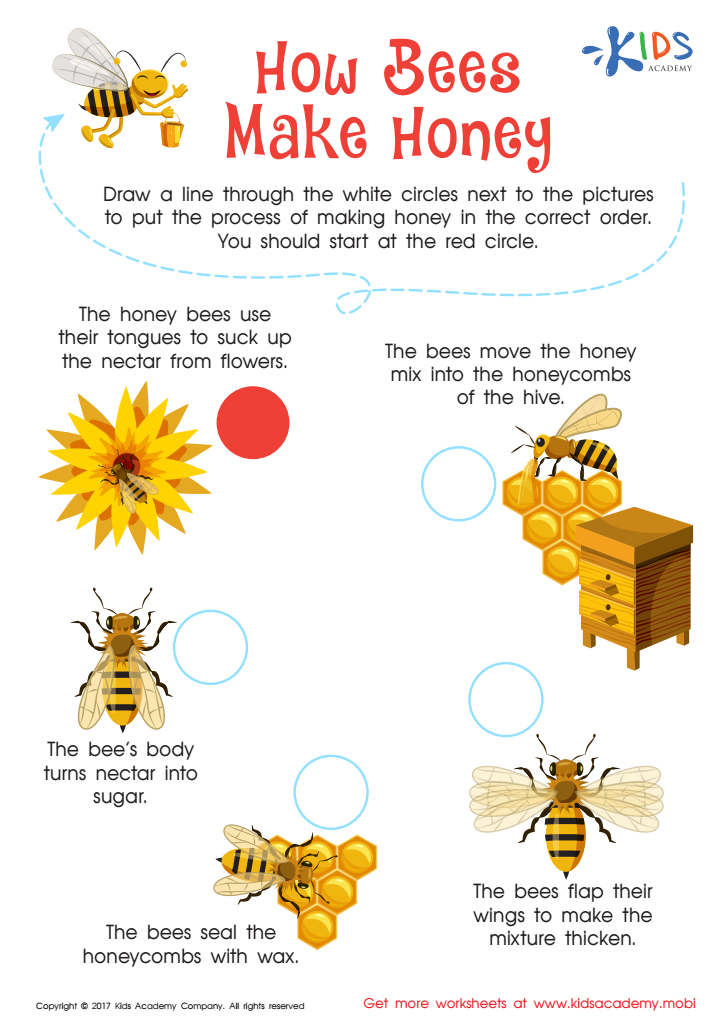
Honey Bee Worksheet






Answering questions for children ages 6-9 is critical because this age group is in a key developmental stage where curiosity blooms and foundational knowledge takes root. Encouraging and addressing their inquiries supports cognitive development, language skills, and emotional growth. When adults prioritize listening to and answering questions, children learn that their thoughts and curiosities matter, fostering self-esteem and a love for learning.
By engaging with their questions, parents and teachers can guide them through complex thinking processes, helping them to understand the world around them in a structured manner. This interaction lays the groundwork for future problem-solving and critical thinking skills. Articulating thoughtful answers also helps in building their vocabulary and comprehension abilities, which strengthens their communication and academic performance.
Moreover, answering questions helps in identifying a child’s interests or areas where they might need additional support. This information can be crucial for tailoring educational strategies that meet individual needs.
Lastly, addressing their questions models caring, empathetic interactions, and solidifies trust in adult-child relationships. This paves the way for open communication channels, enabling children to feel safe and secure in seeking guidance and sharing their thoughts. In essence, the simple act of answering questions is fundamental to holistic development and lifelong learning.








