Associative learning Worksheets for Ages 6-9
7 filtered results
-
From - To
Boost your child's cognitive development with our Associative Learning Worksheets for Ages 6-9. These engaging printable worksheets are designed to help kids connect ideas and improve their problem-solving abilities through fun, interactive activities. Perfect for young learners, our resources cover key concepts like patterns, relationships, and associations, fostering critical thinking and memory retention. Easy to print and use, these worksheets align with educational standards, making them an excellent addition to any homeschooling curriculum, classroom resource, or supplementary learning tool. Encourage your child's learning journey with our expertly crafted worksheets that promote curiosity and lifelong learning skills.
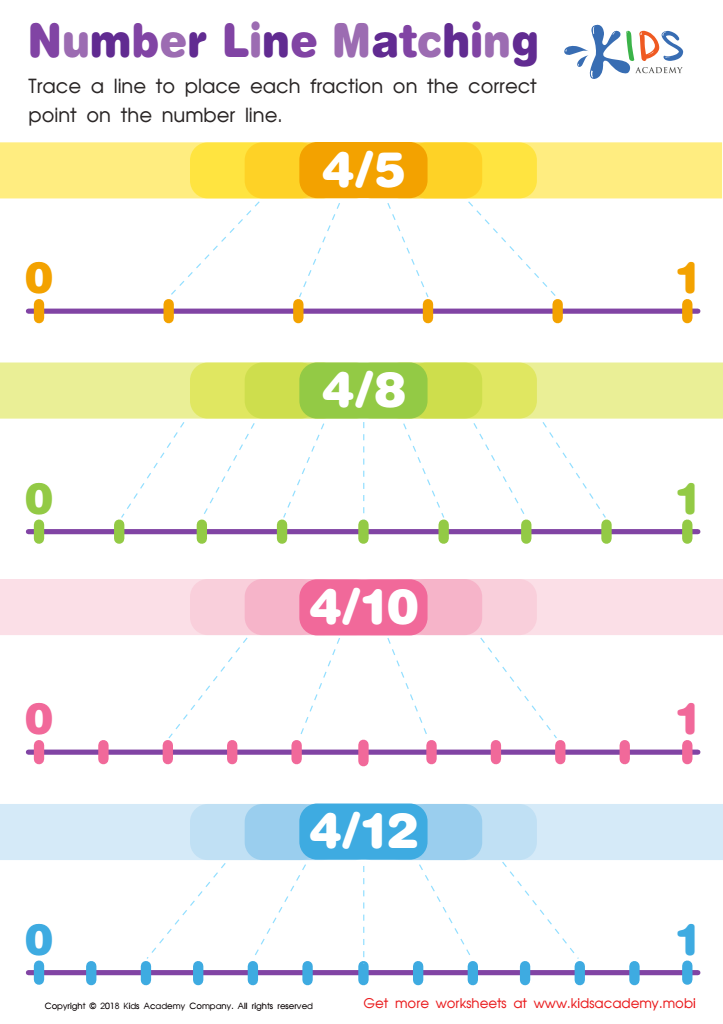
Number Line Matching Worksheet
 Assign to My Students
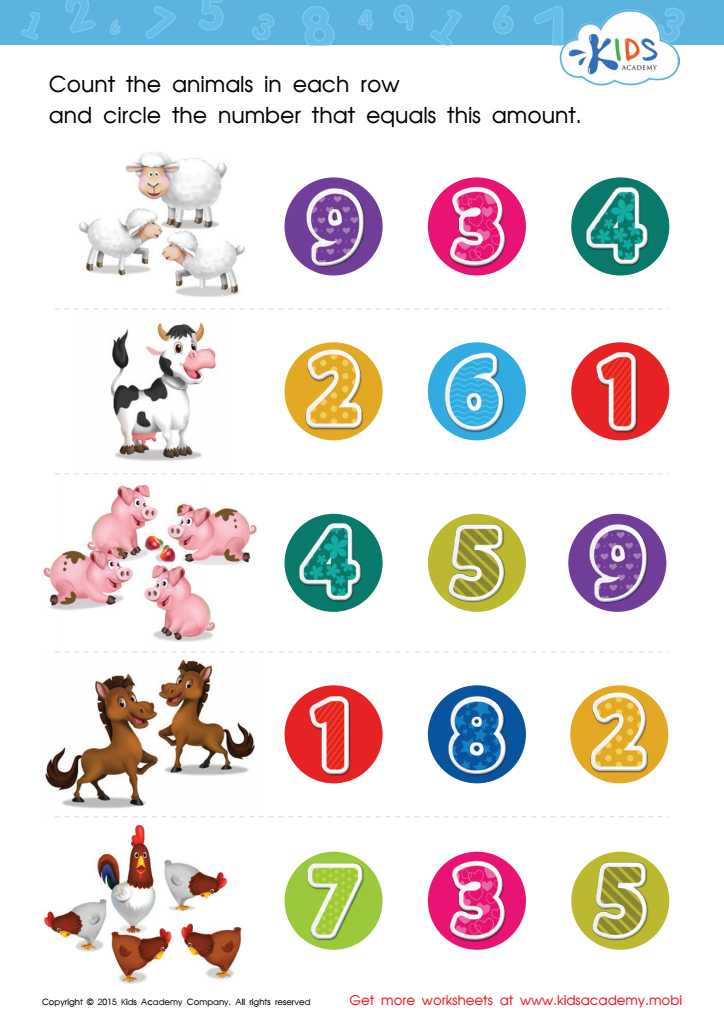
Count and Match 1 – 5 Math Worksheet
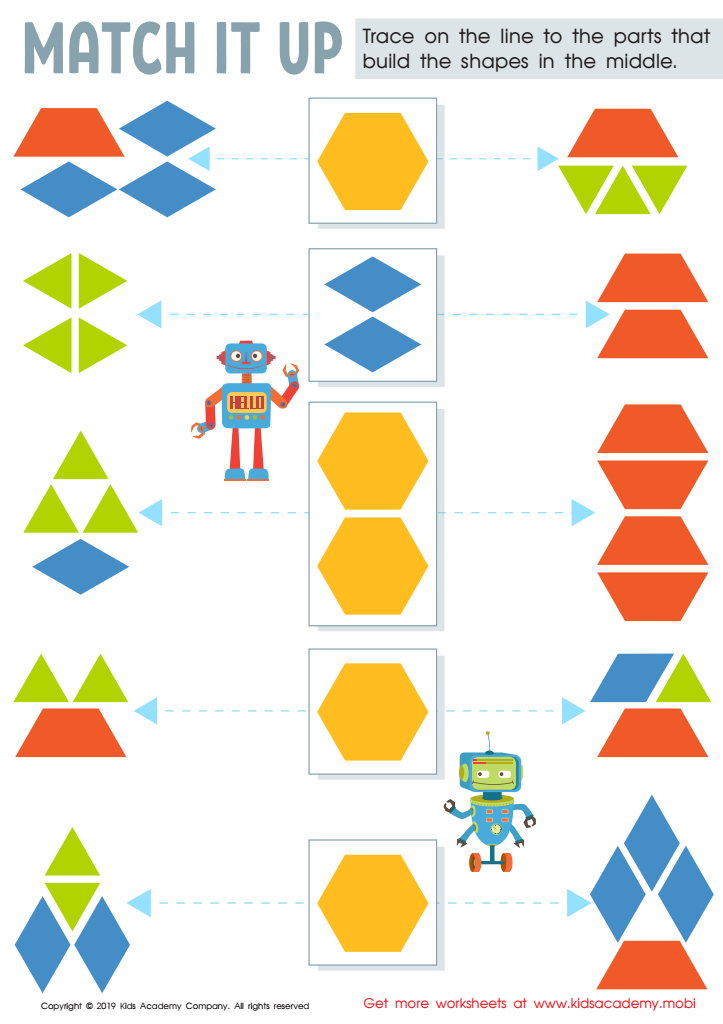
Match It up Worksheet
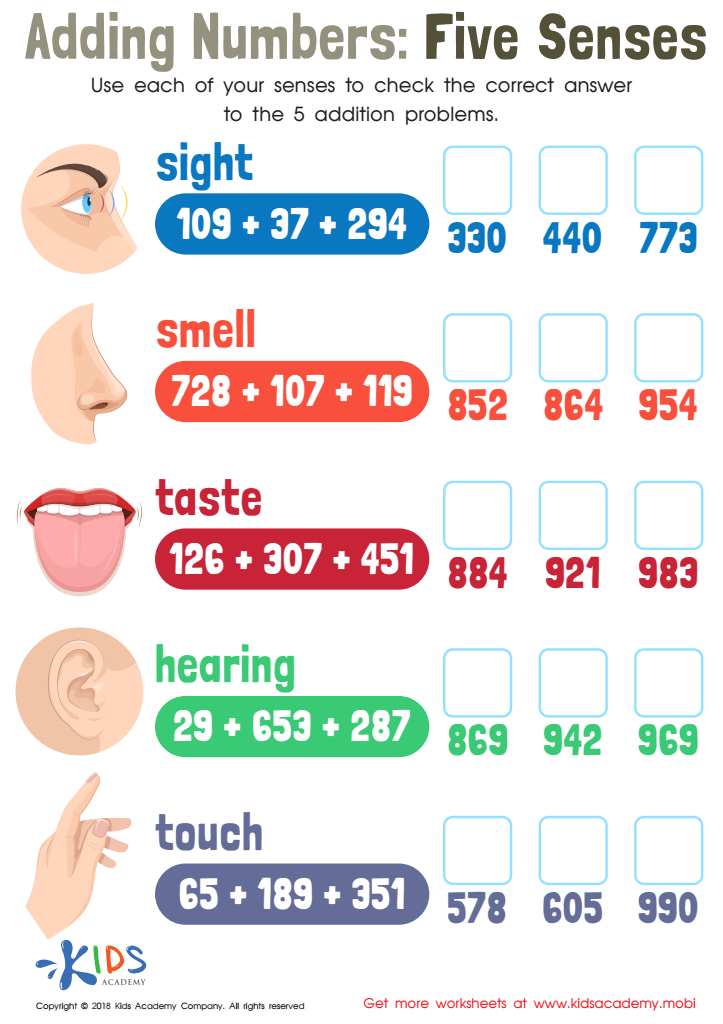
Adding Numbers: Five Senses Worksheet
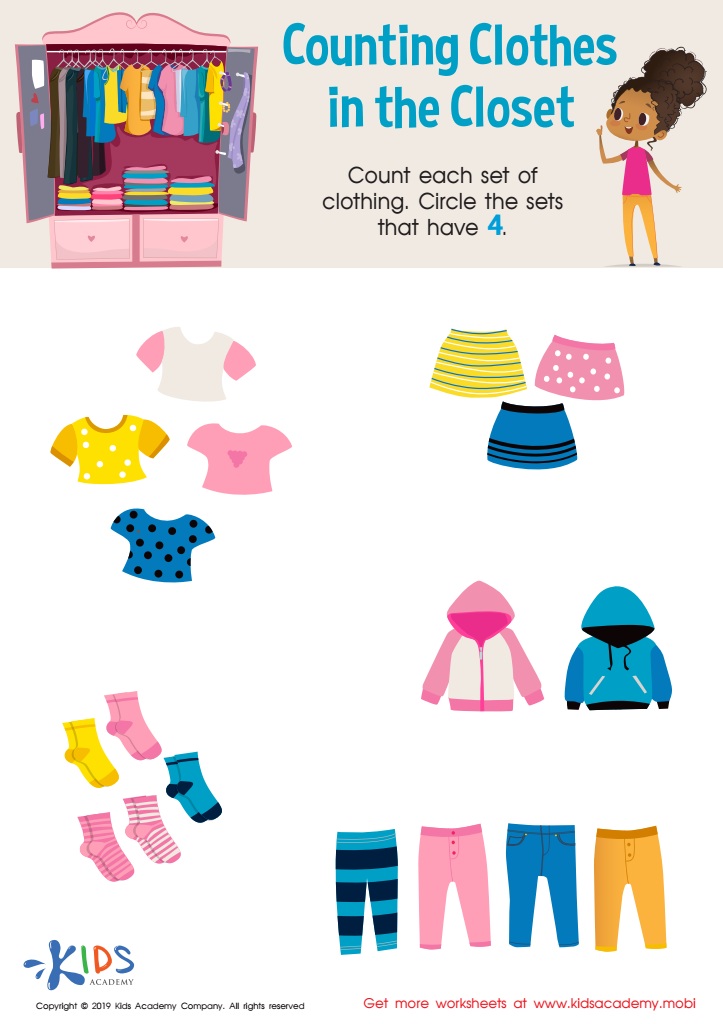
Counting Clothes Worksheet
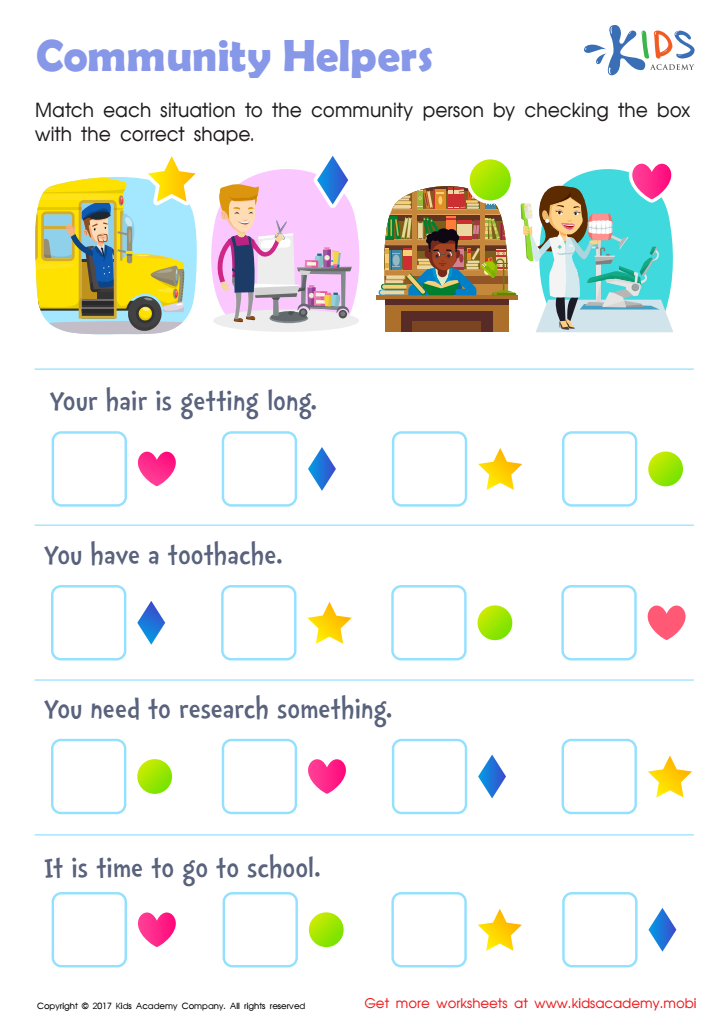








Associative learning, which involves forming connections between concepts, objects, or events, is vital for children ages 6-9 because it underpins various educational and developmental milestones. At this age, children's brains are highly receptive to new information, and associative learning helps reinforce memory by linking new knowledge to existing ideas. For instance, associating the sight of the letter "A" with its sound and with words like "apple" can help children develop stronger reading skills.
Parents and teachers should care about associative learning because it aids in cognitive development and problem-solving. When kids learn to connect a fun song with days of the week, mathematical concepts with everyday objects, or historical events with engaging stories, they find learning enjoyable and relevant, which can foster a lifelong love for curiosity and knowledge. Associative learning also supports emotional and social development; children who link positive experiences with collaborative activities, like group projects or team sports, are likely to develop better social skills.
In the larger scope, emphasizing associative learning paves the way for critical thinking. By understanding and applying these connections, children can better analyze and synthesize information in more complex scenarios as they grow. Therefore, an awareness and focus on associative learning during these formative years can significantly enrich a child's educational foundation and personal growth.








