
Basic subtraction Worksheets for Ages 6-9
12 filtered results
Difficulty Level
Grade
Age
-
From - To
Subject
Activity
Standards
Welcome to our collection of Basic Subtraction Worksheets designed specifically for kids aged 6-9! These engaging, printable resources help young learners master essential subtraction skills through fun, age-appropriate activities. Each worksheet offers a variety of problems, allowing children to practice their subtraction techniques while enhancing their number sense and problem-solving abilities. Ideal for home or classroom use, our worksheets cater to different learning styles, ensuring every child enhances their confidence in math. Explore our collection today and watch your child develop a solid foundation in subtraction, paving the way for future success in mathematics! Perfect for educators and parents alike!
Favorites
With answer key
Interactive
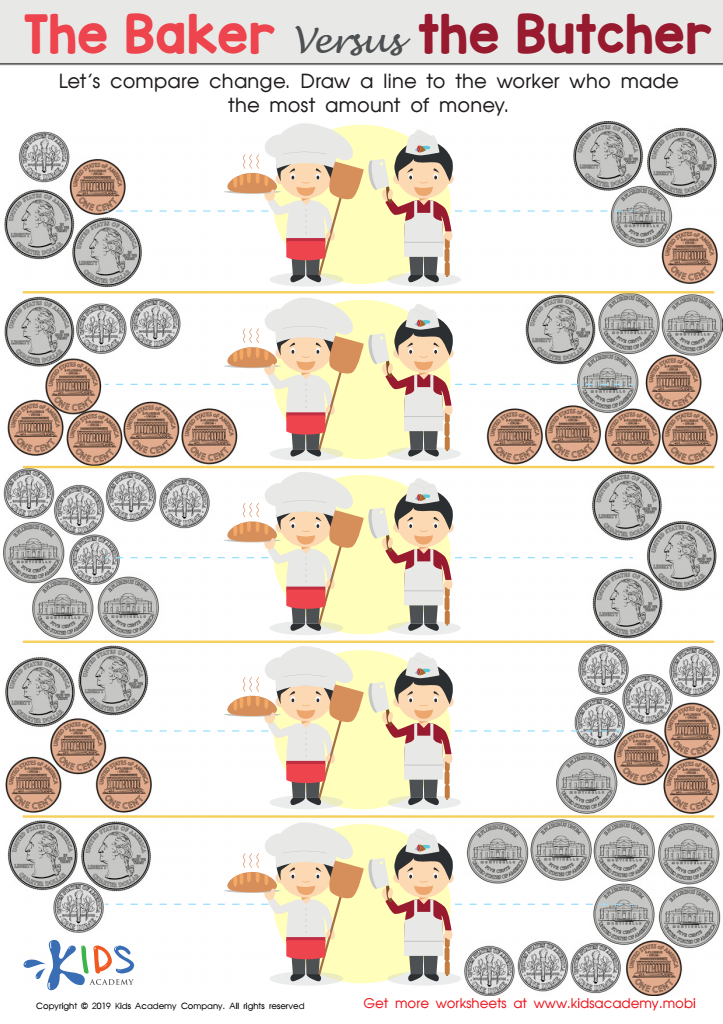
The Baker versus the Butcher Worksheet
At the baker’s and butcher’s, there are plenty of delicious treats and meals! With this worksheet, your kids can see who made more money at the end of the day. Have them trace a line to the worker who made the most amount of money. They’ll have fun while learning the basics of business and money!
 Assign to My Students
The Baker versus the Butcher Worksheet
Worksheet
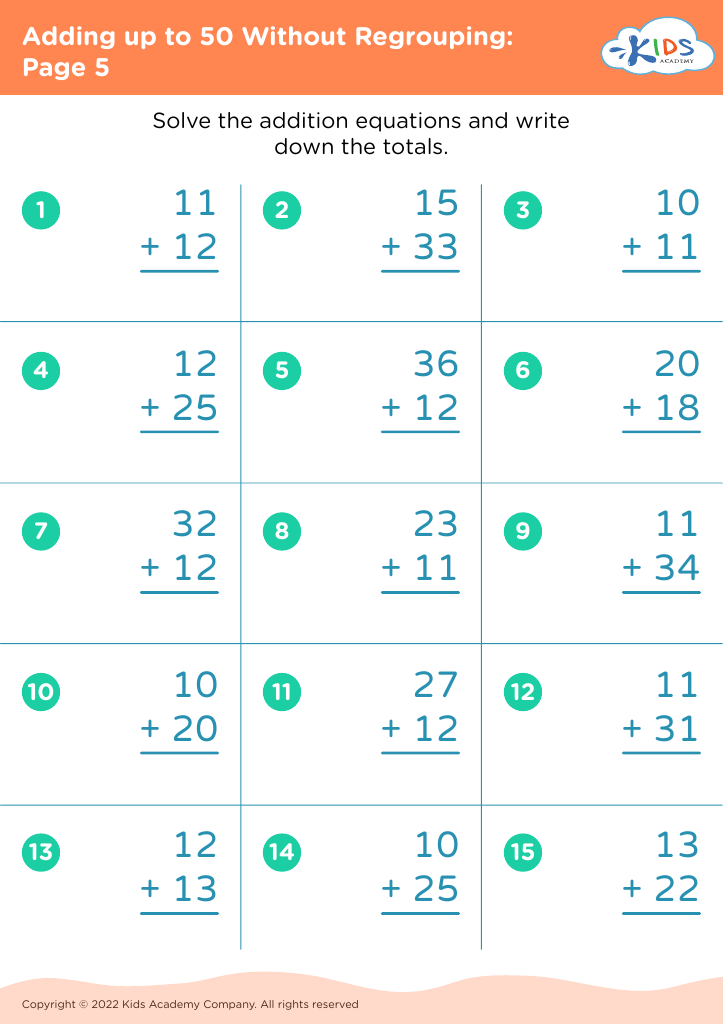
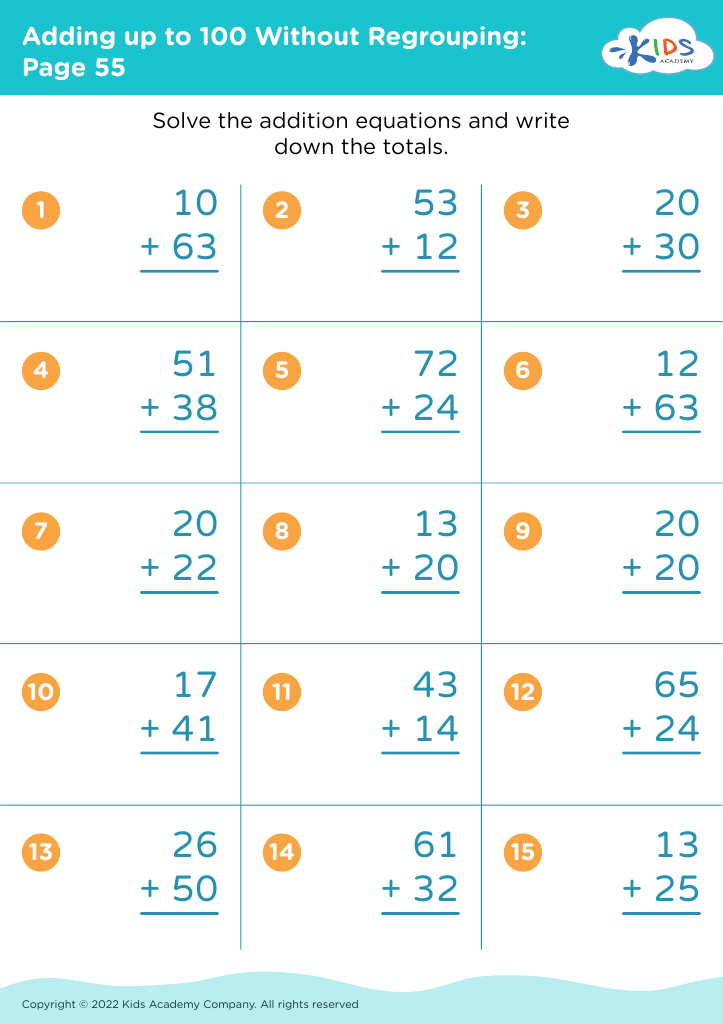
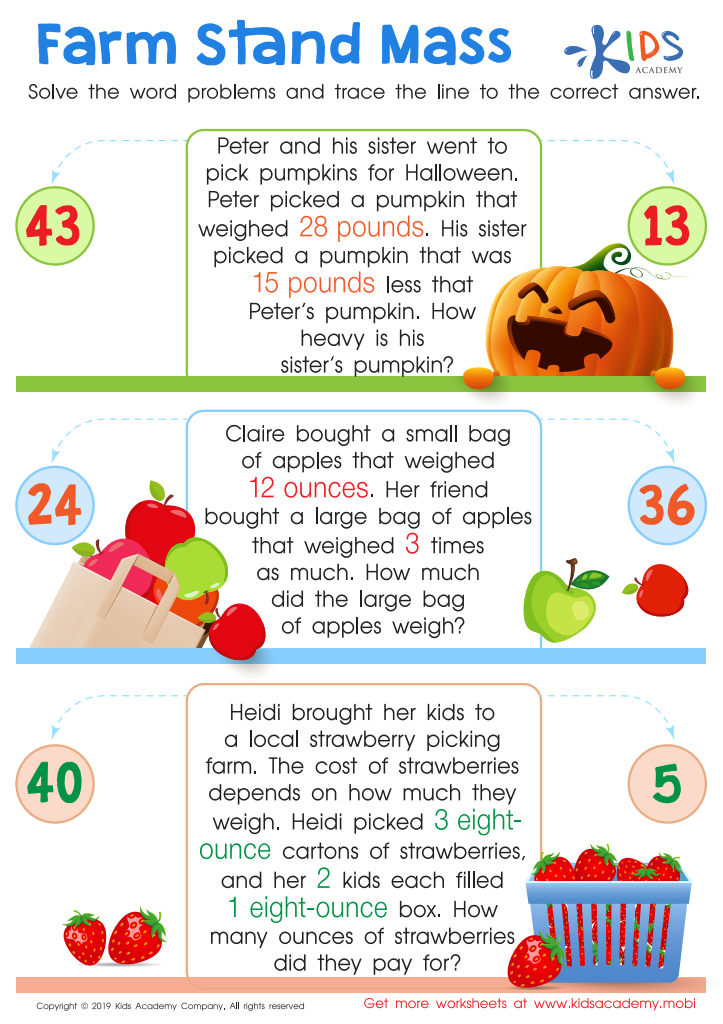
Farm Stand Mass Worksheet
Engage your kids in a fun learning adventure! Encourage them to practice what they learn in school using this worksheet. Look at the picture and read the problem together. Help them solve it and trace the line to the answer. Make learning enjoyable and your kids will be more motivated!
Farm Stand Mass Worksheet
Worksheet
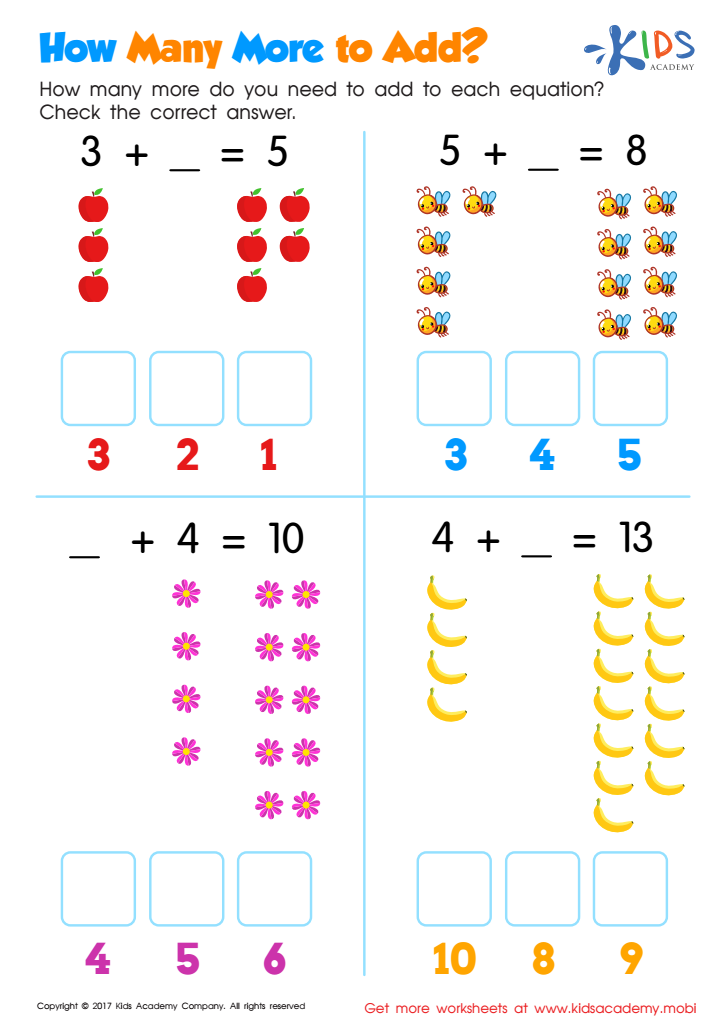
How Many More to Add Worksheet
Sharpen your child's math skills with this pdf worksheet. Help them figure out how many apples, bees, flowers and bananas are needed to reach the answer given. The possible answers are provided at the bottom of the boxes. Have some fun doing some addition and subtraction magic together and get those math skills sharpened!
How Many More to Add Worksheet
Worksheet
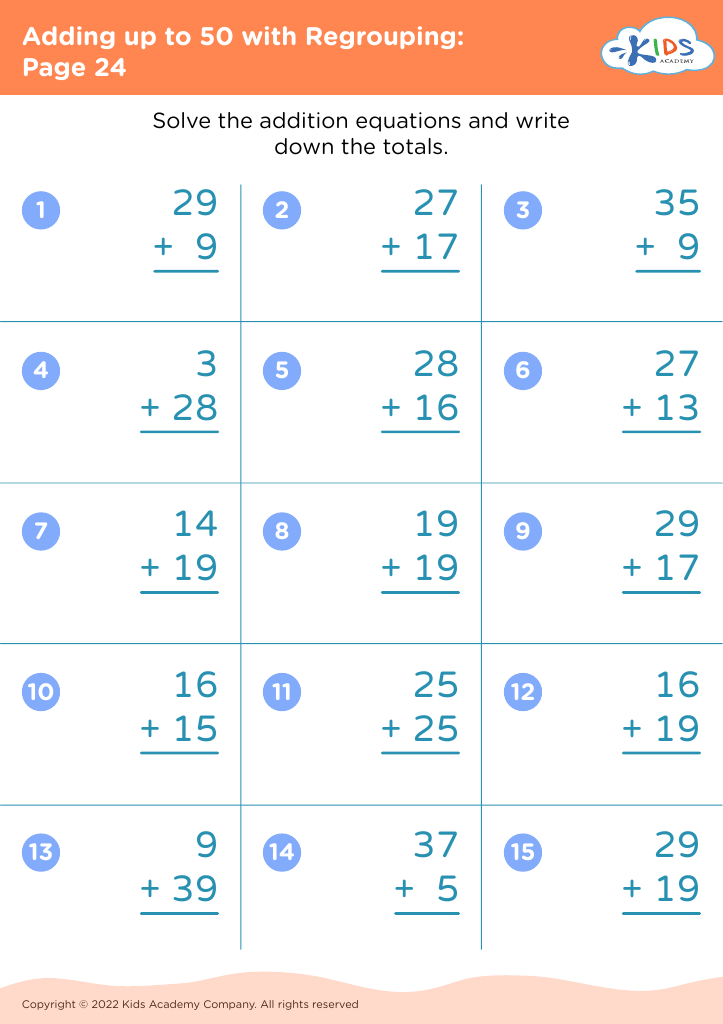
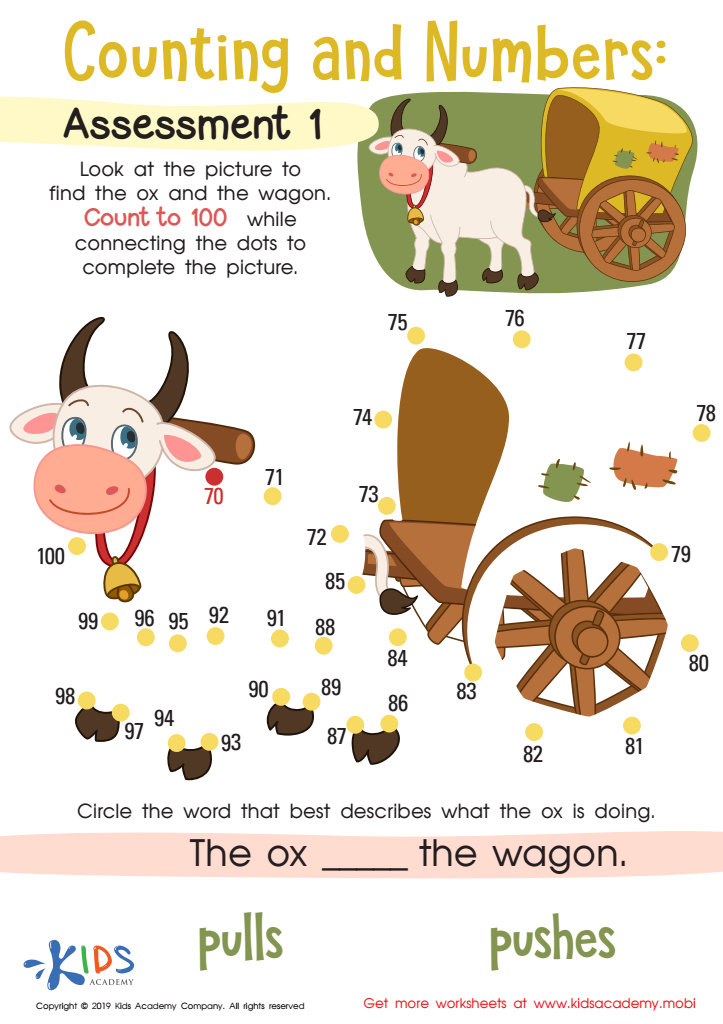
Counting and Numbers: Assessment 1 Worksheet
Let your kids use the picture as a guide and count from 70 to 100 to complete an ox pulling a wagon. As a comprehension check, have them answer the related question using words from the word bank. This dot-to-dot worksheet is a great way to assess their number reasoning and counting forward skills.
Counting and Numbers: Assessment 1 Worksheet
Worksheet
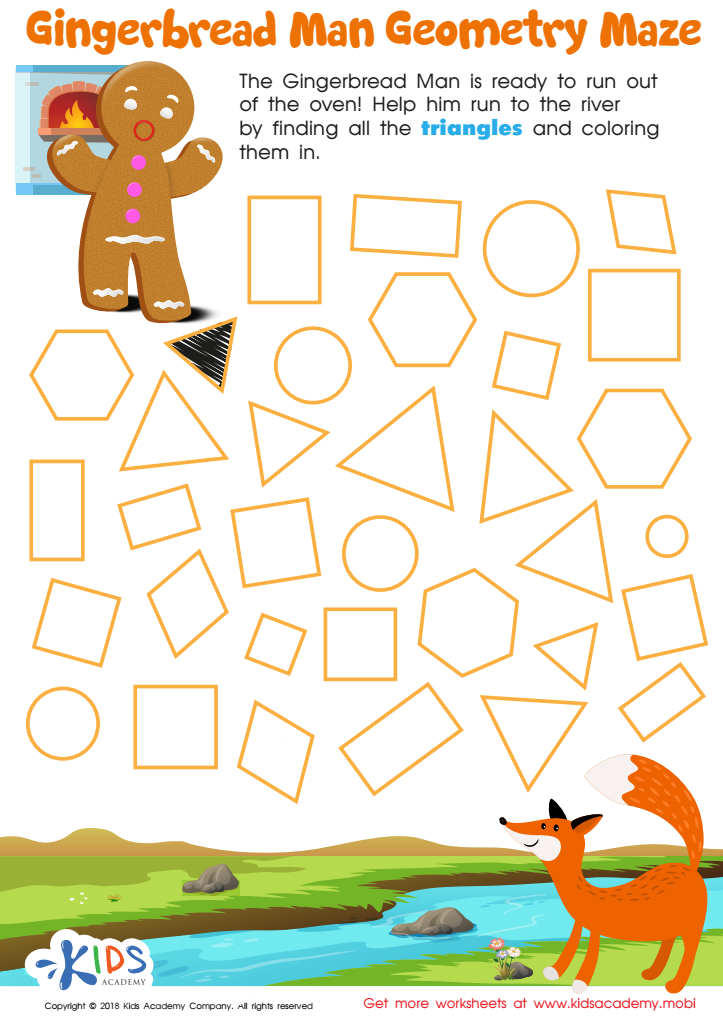
Gingerbread Man Geometry Maze Worksheet
Help a beloved character escape the oven! Kids race through a sea of geometrical shapes, searching for triangles of various sizes. With this free worksheet, they can have fun while learning about similarity of geometrical shapes concepts. Run, run, run as fast as they can!
Gingerbread Man Geometry Maze Worksheet
Worksheet
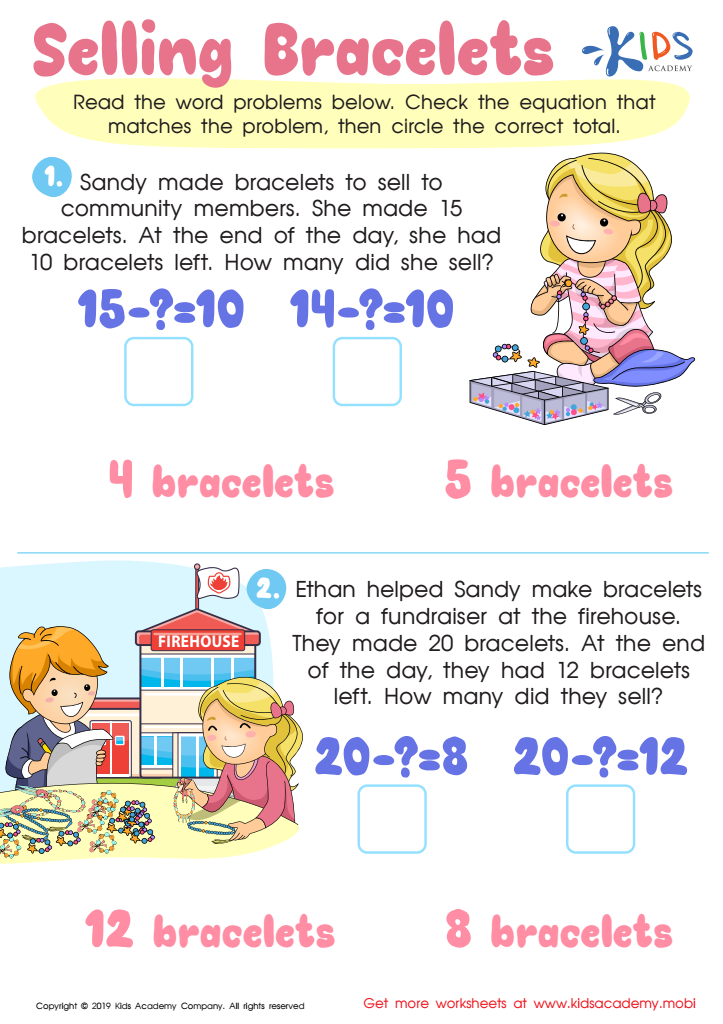
Selling the Bracelets Worksheet
Engage your kids with learning by making it fun! Try this creative worksheet: your kids can practice subtraction while making bracelets. Download the pdf; read the two word problems to them and help them choose the correct total. Have fun! (80 words)
Selling the Bracelets Worksheet
Worksheet
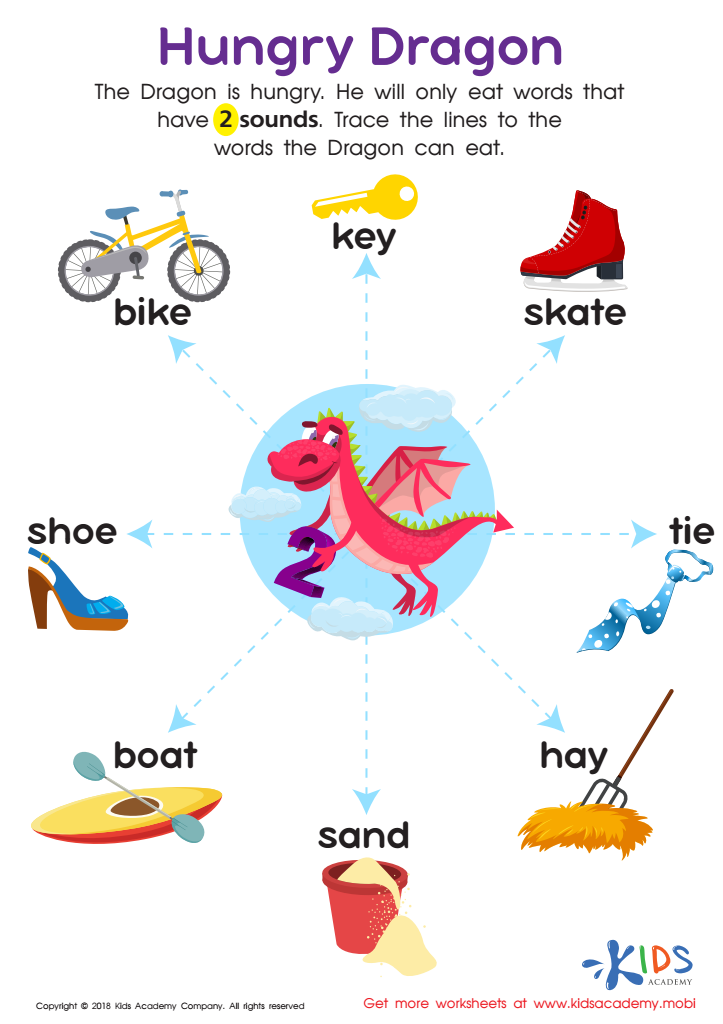
Hungry Dragon Worksheet
Feed the dragon words and watch your child strengthen their phonological awareness and auditory discrimination skills! Download this free PDF for tracing exercises that build their fine motor skills too. Kids will love spending time with the cute dragon while they unwittingly learn reading skills!
Hungry Dragon Worksheet
Worksheet
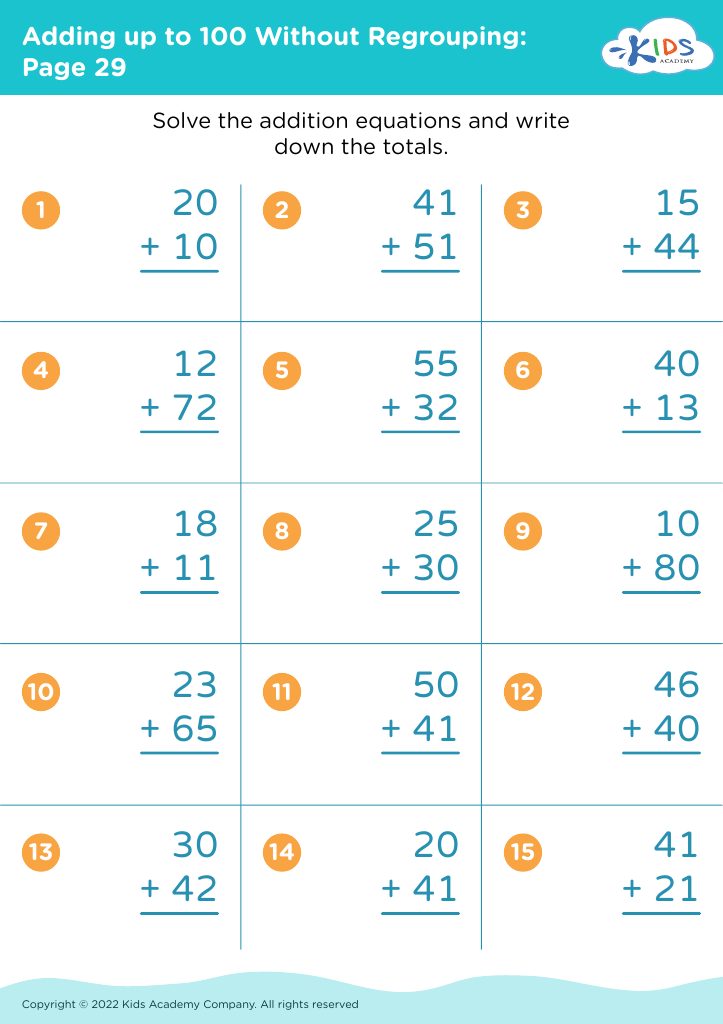
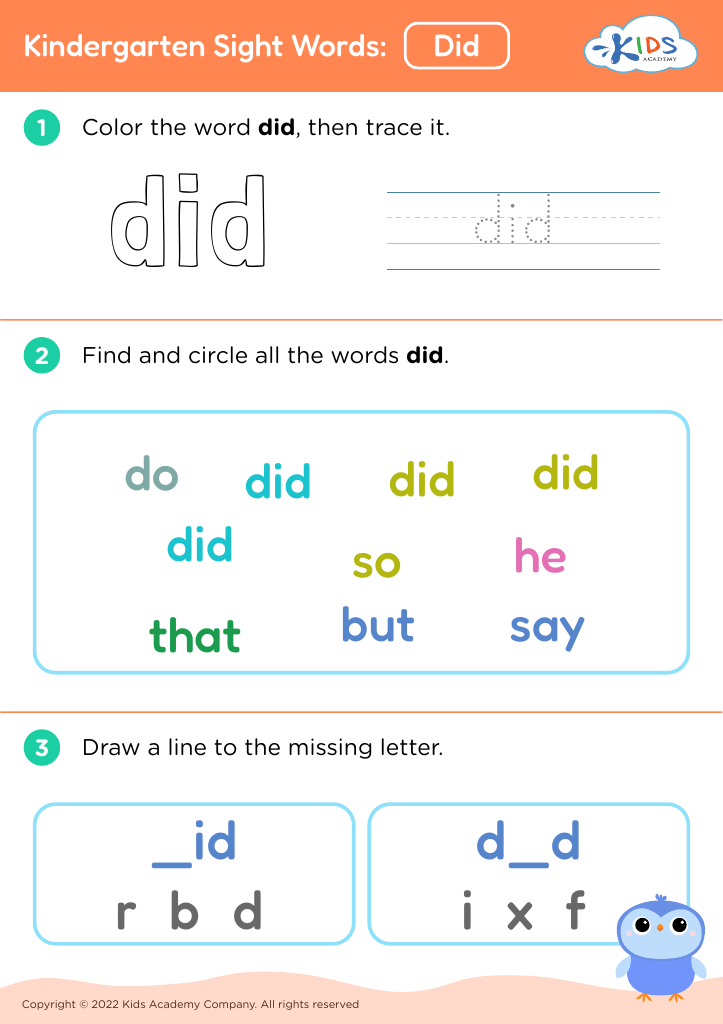
Join Kids Academy for Free
Who is primarily going to use this learning content?








Basic subtraction is a fundamental skill that serves as a building block for a child's overall mathematical understanding. Between the ages of 6 to 9, children experience significant cognitive development, making it an ideal time for them to grasp subtraction concepts. Learning subtraction enhances critical thinking and problem-solving abilities, equipping children with tools they will use throughout their education and daily life.
By mastering basic subtraction, children gain confidence in their capabilities, which translates into a positive attitude towards learning. Moreover, the ability to subtract is widely applicable; from understanding money to measurements in cooking, these skills are essential for real-world situations. Parents and teachers play crucial roles in facilitating this learning journey, as children often thrive in supportive environments that foster curiosity and engagement.
Additionally, discussing subtraction in relatable contexts encourages students to see math as a practical, hands-on subject rather than an abstract concept. This can lead to a lifelong love for learning and mathematics. Thus, investing effort into teaching basic subtraction is vital for parents and teachers, as it lays the groundwork for future academic success and everyday competence. Ensuring children understand this fundamental skill will benefit them for years to come.








