Comparative analysis Worksheets for Ages 6-9
9 filtered results
-
From - To
Unlock your child's potential with our Comparative Analysis Worksheets specially designed for ages 6-9! These engaging resources foster critical thinking by helping young learners compare and contrast various concepts. Through fun activities and visuals, children enhance their observational skills and develop a deeper understanding of relationships and differences in shapes, sizes, and other attributes. Ideal for classroom or home learning, our worksheets encourage discussion and exploration, making learning enjoyable. Perfect for reinforcing lessons in literacy and math, these materials ensure your child gains confidence while cultivating a strong foundation in comparative analysis. Empower their learning journey today!
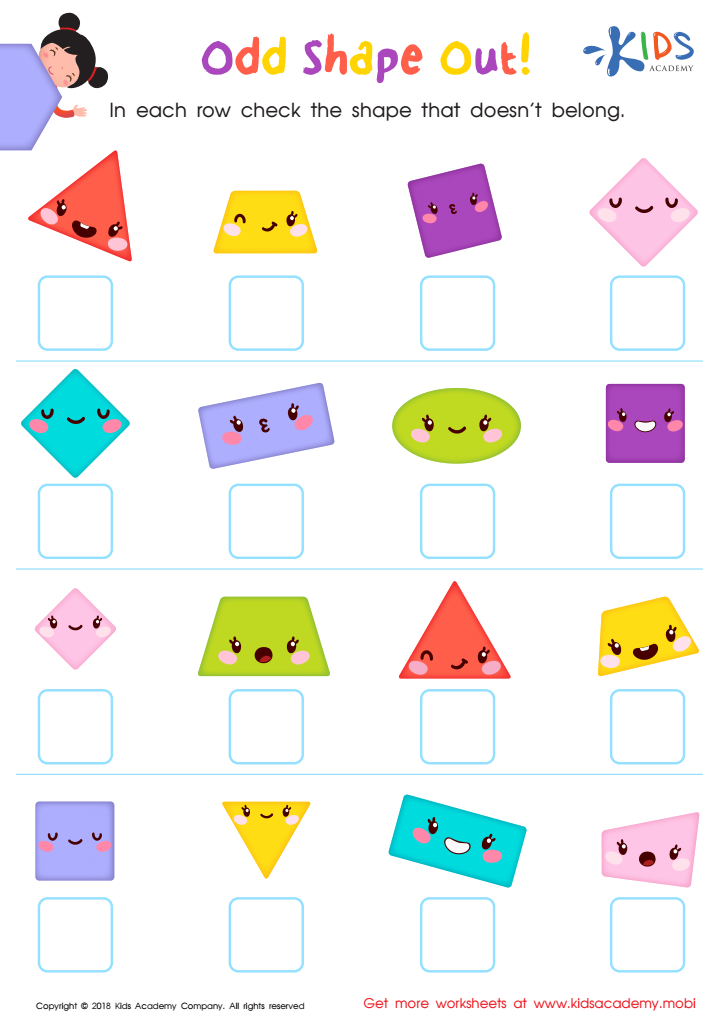
Odd Shape Out Worksheet for Grade 3
 Assign to My Students
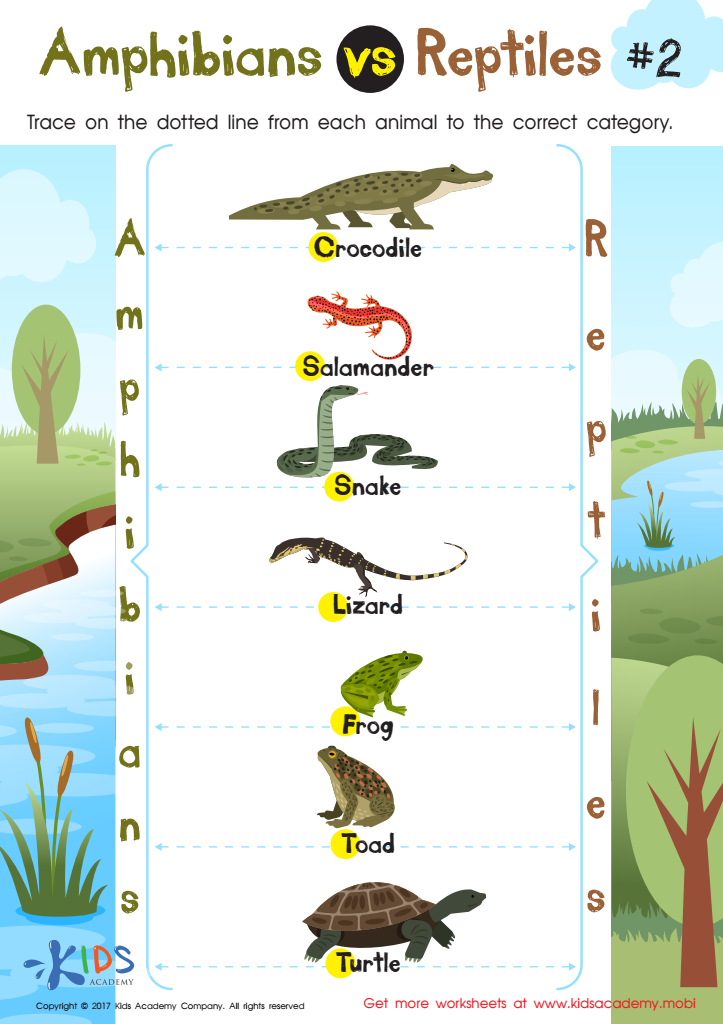
Amphibians vs Reptiles Worksheet for 3rd Grade
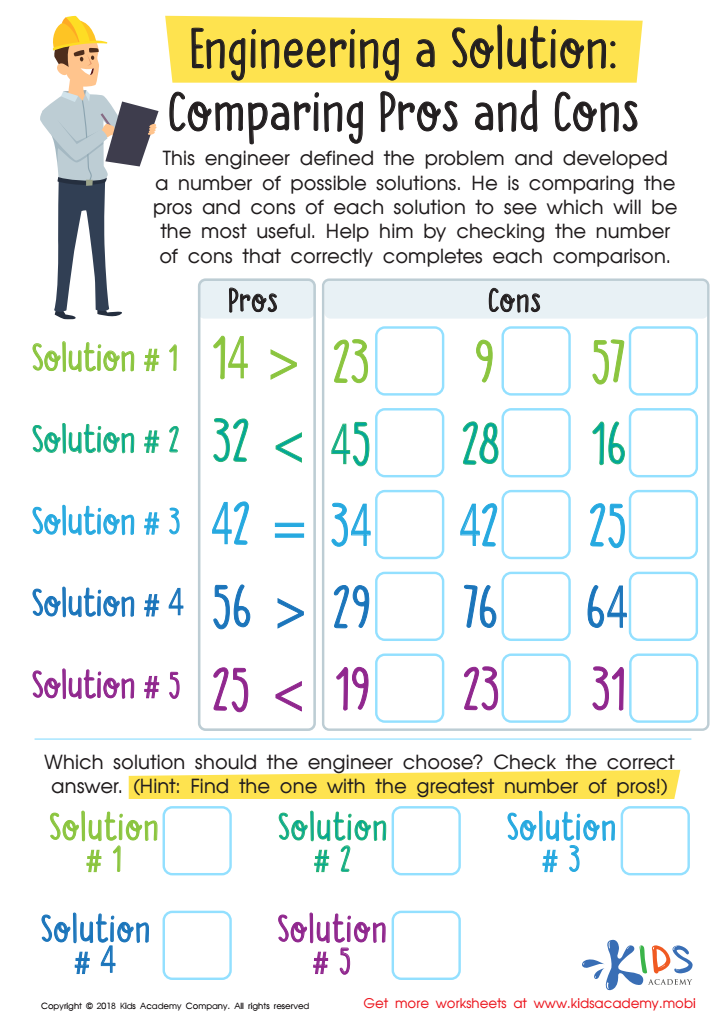
Engineering a Solution: Comparing Pros and Cons Worksheet
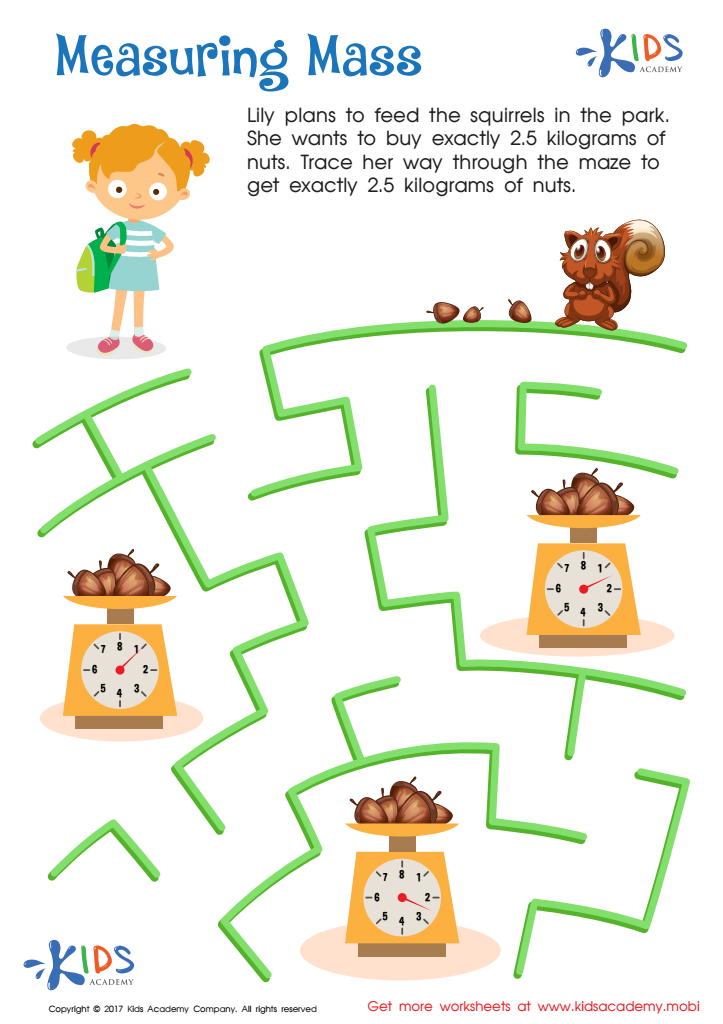
Measuring Mass Worksheet
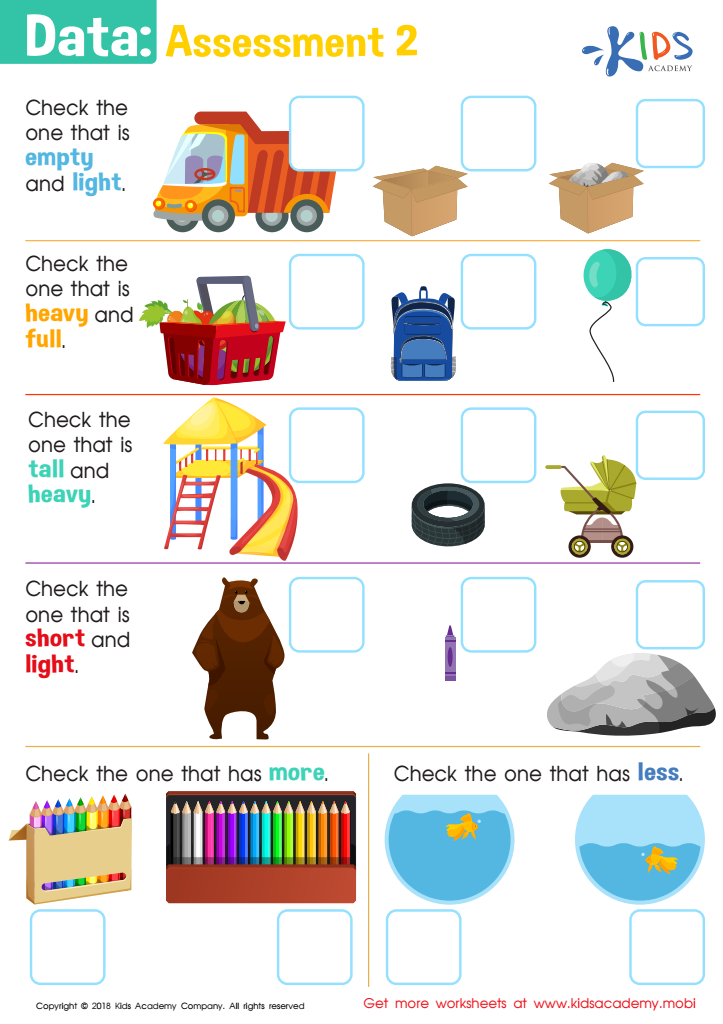
Data: Assessment 2 Worksheet
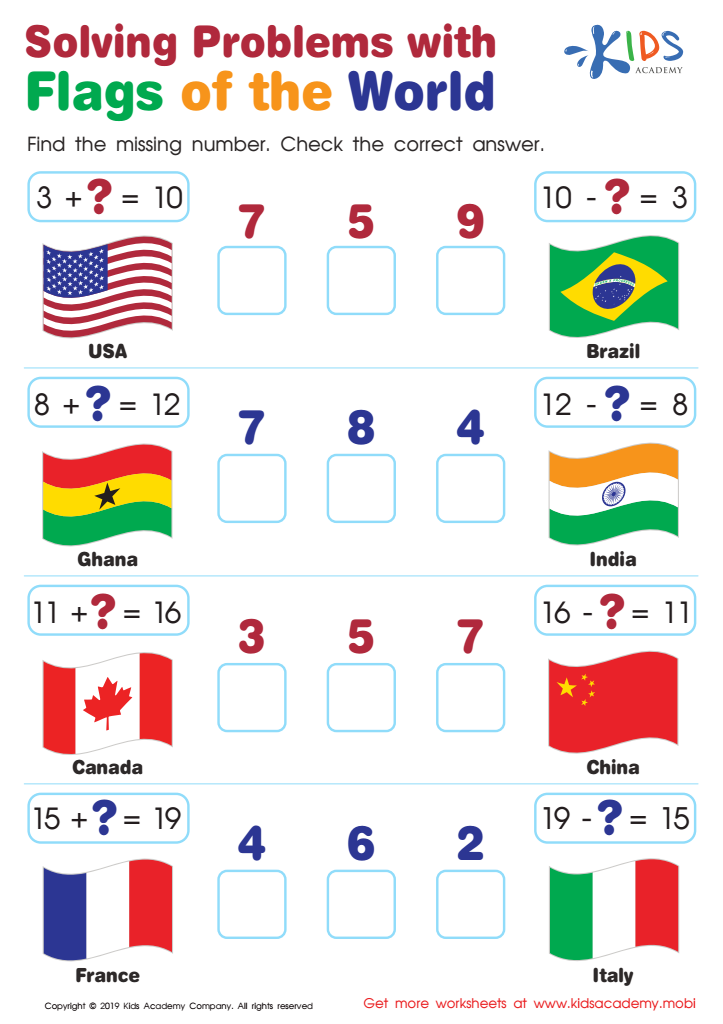
Solving Problems with Flags of the World Worksheet
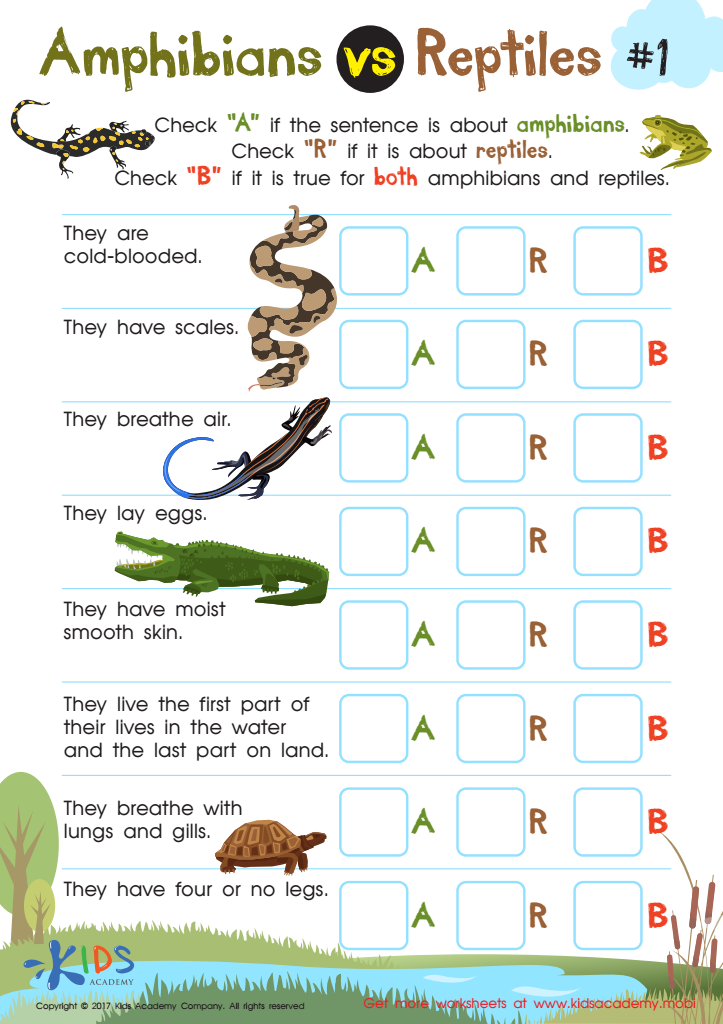
Amphibians vs Reptiles Worksheet






Comparative analysis for children ages 6-9 is crucial for both parents and teachers because it creates a foundation for critical thinking and problem-solving skills. During these formative years, children are naturally curious and are developing their ability to analyze differences and similarities in various contexts, be it academics, social interactions, or experiences.
Understanding comparative analysis fosters cognitive development as children learn to organize their thoughts, make connections, and draw conclusions based on evidence. This skill helps enhance their decision-making abilities and boosts their academic performances in subjects like math and science, where comparison can illuminate patterns and relationships.
Moreover, comparative analysis promotes emotional intelligence when children learn to recognize and evaluate differences in feelings, behaviors, and cultures among peers. Such exposure nurtures empathy and respect for diversity.
Parents can further support this learning by encouraging discussions about choices and consequences, while teachers can incorporate comparison exercises in lessons. Together, they can create an enriched learning environment that not only heightens children's analytical skills but also prepares them for the complexities of life beyond the classroom. Thus, prioritizing comparative analysis can greatly contribute to holistic development during these critical early childhood years.








