Concentration improvement Worksheets for Ages 6-9
23 filtered results
-
From - To
Boost your child's focus and attentiveness with our "Concentration Improvement Worksheets for Ages 6-9." Designed by educational experts, these engaging, printable activities refine essential focusing skills. Each worksheet includes fun puzzles, attention-boosting exercises, and thoughtfully curated tasks to help young minds practice sustained attention, memory, and detail orientation. Perfect for home or classroom use, these resources promote cognitive development and academic success while making learning enjoyable and effective. Discover a world of captivating exercises tailored to support your child's concentration now! Download and get started on the path to enhanced learning skills today with Kids Academy.
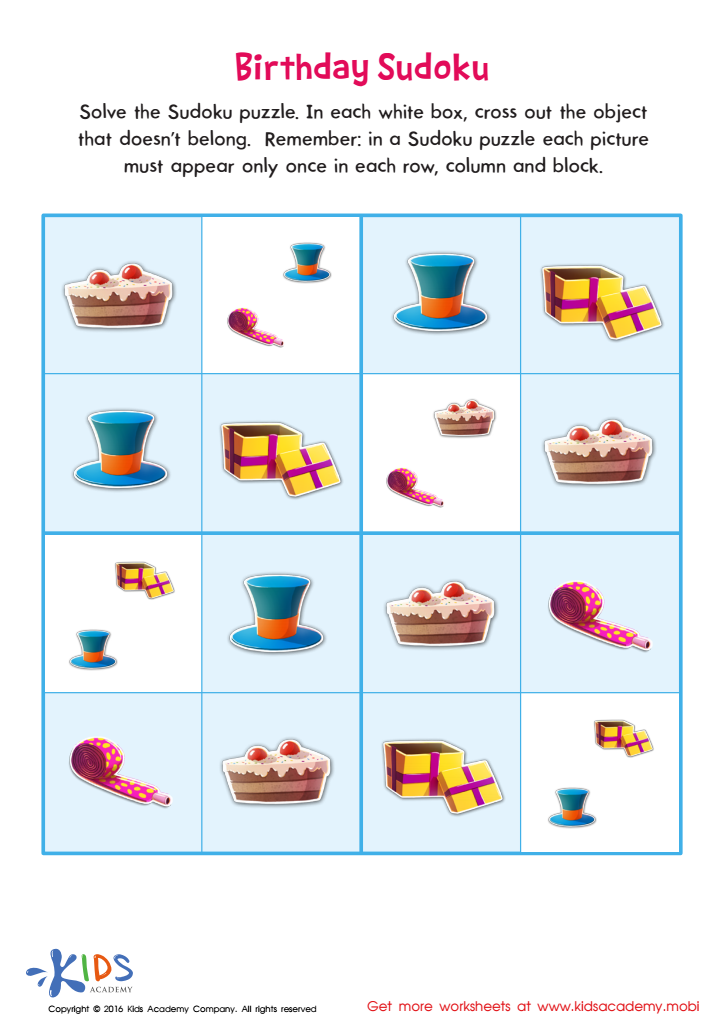
Birthday Sudoku Sorting Worksheet
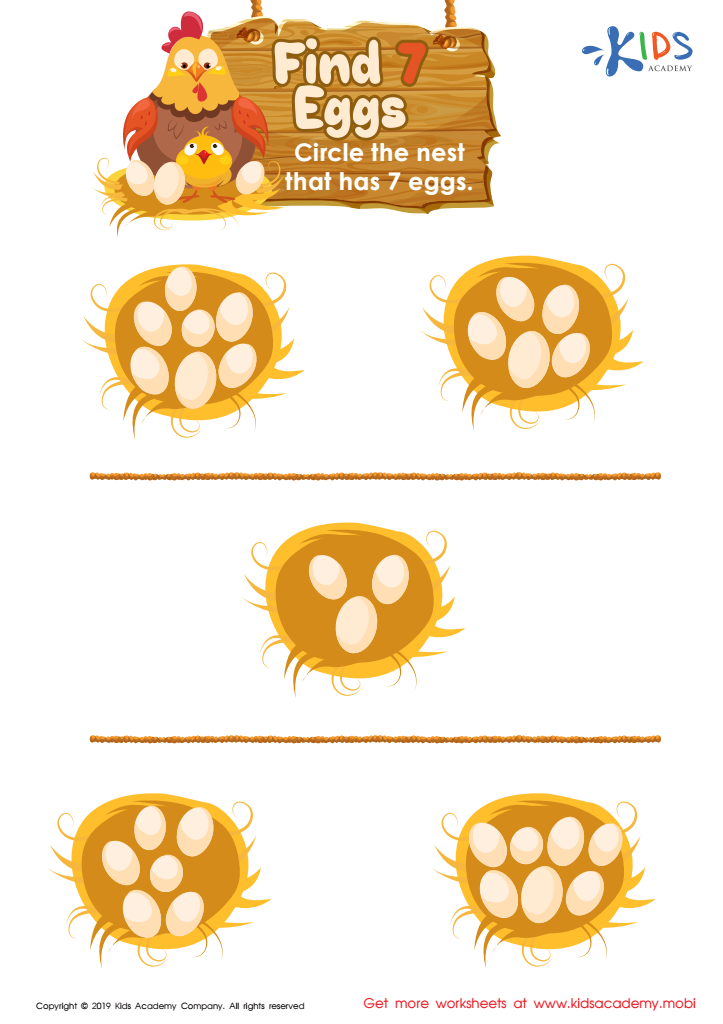
Find 7 Eggs Worksheet
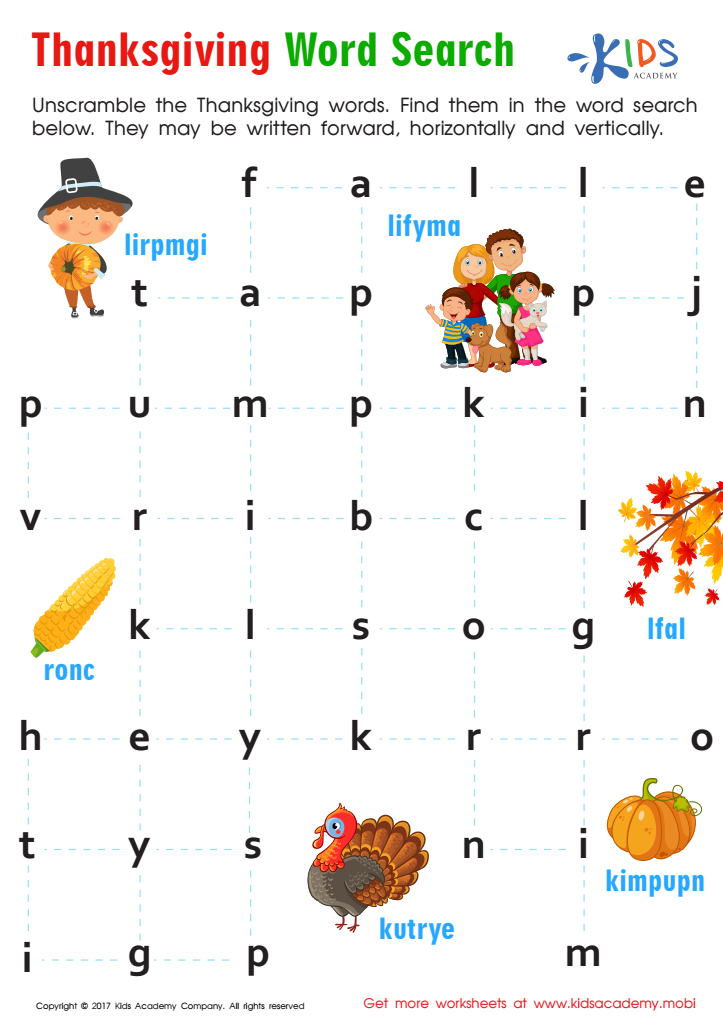
Thanksgiving Word Search Sight Words Worksheet

Spaceship Maze: Galaxies Worksheet
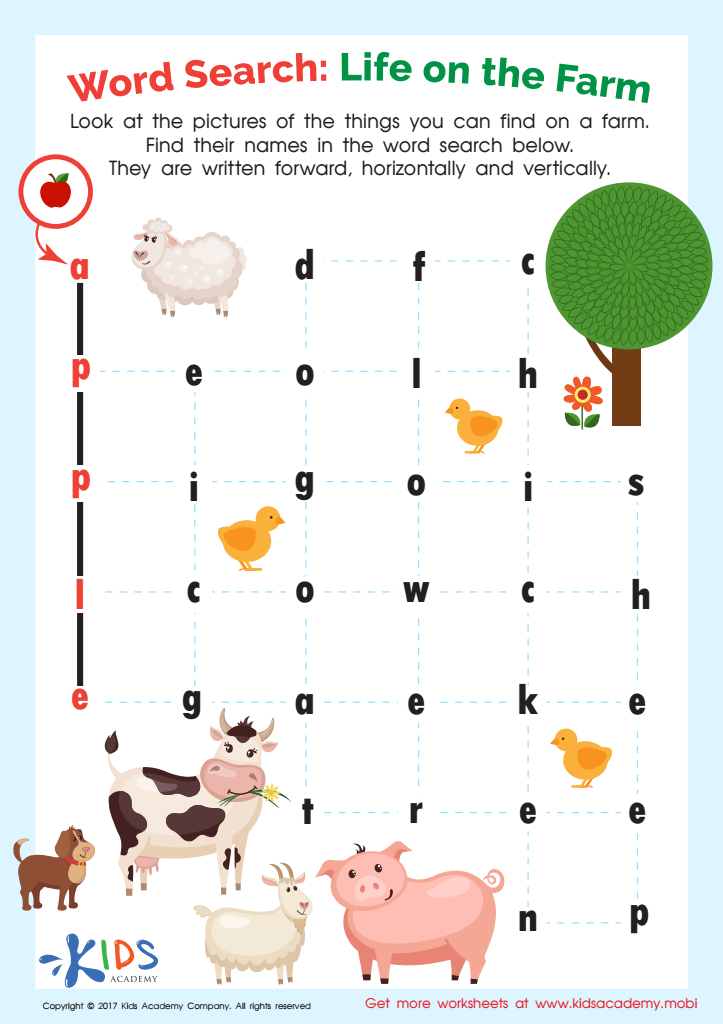
Word Search Puzzles Worksheet
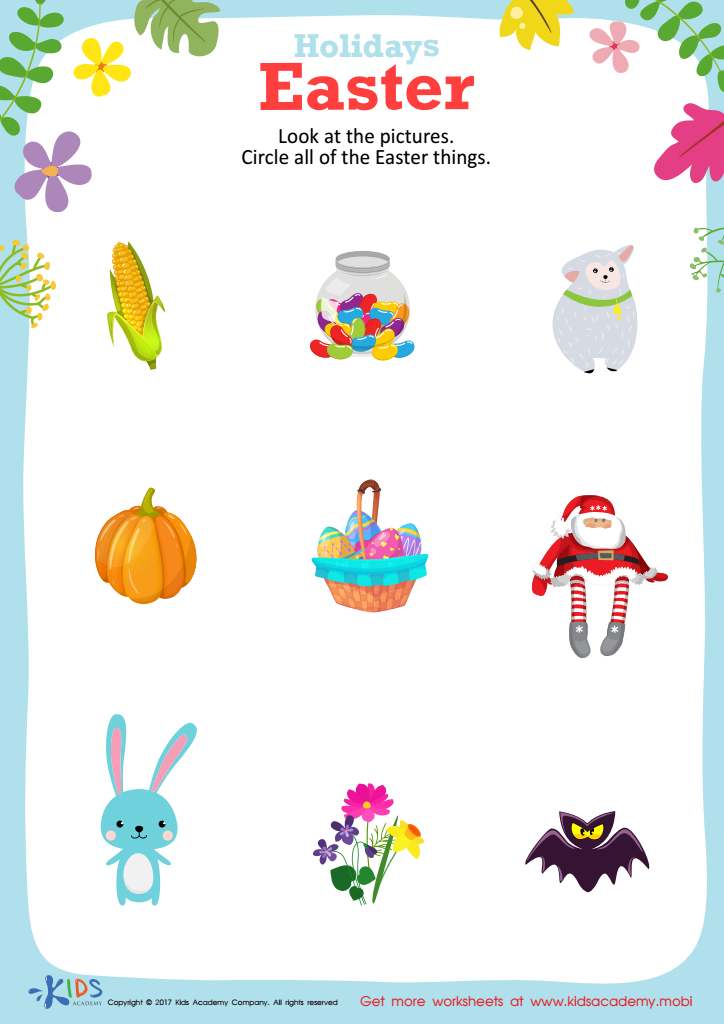
Easter Holiday Printable

Thanksgiving Holiday Printable

Discovered Check: Puzzle 2 Worksheet
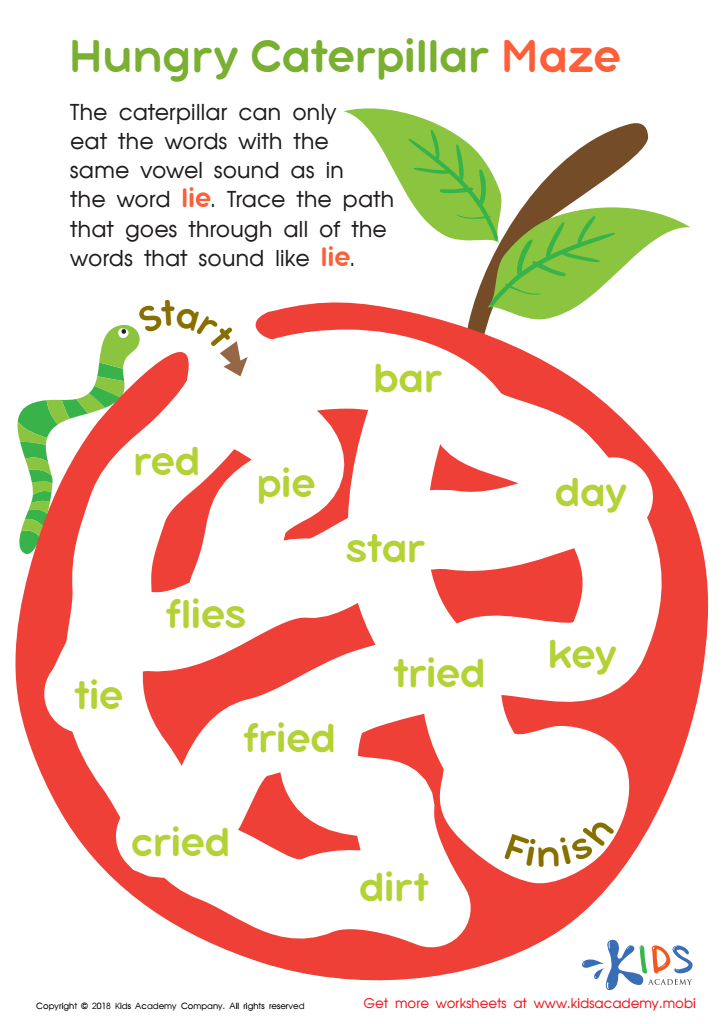
Hungry Caterpillar Maze Worksheet
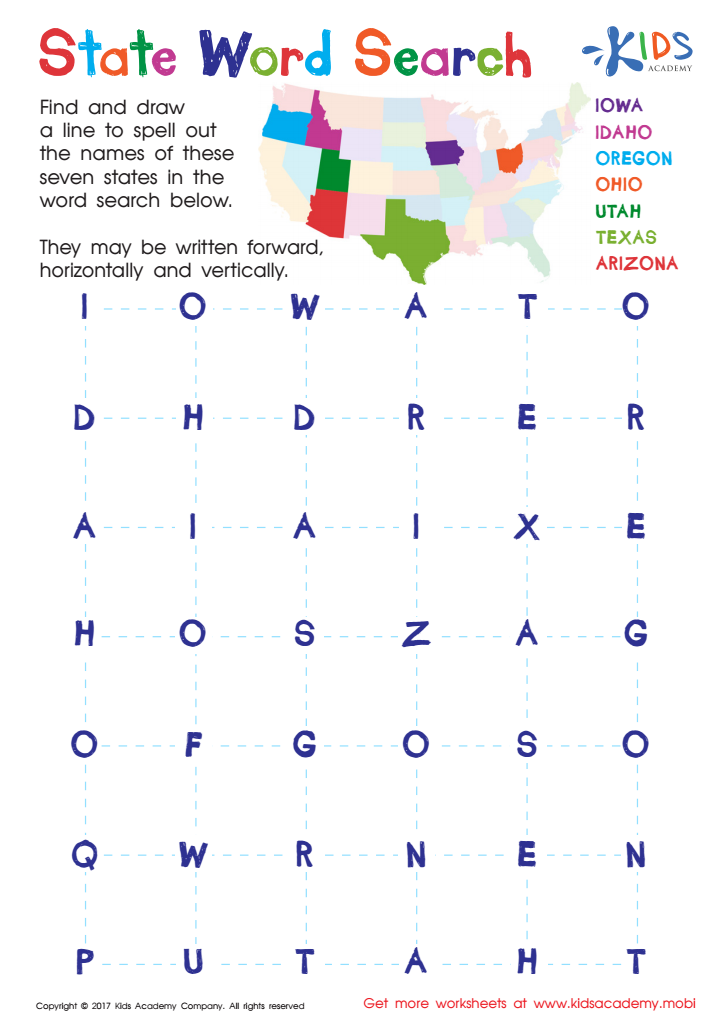
State Word Search Worksheet
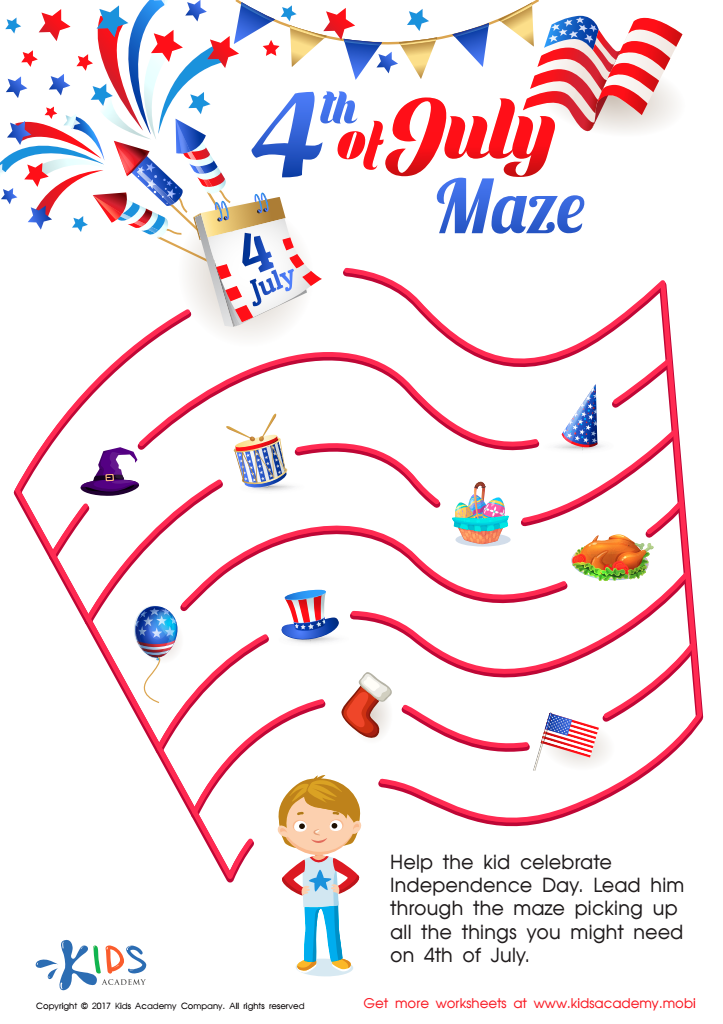
Fourth of July Maze Printable
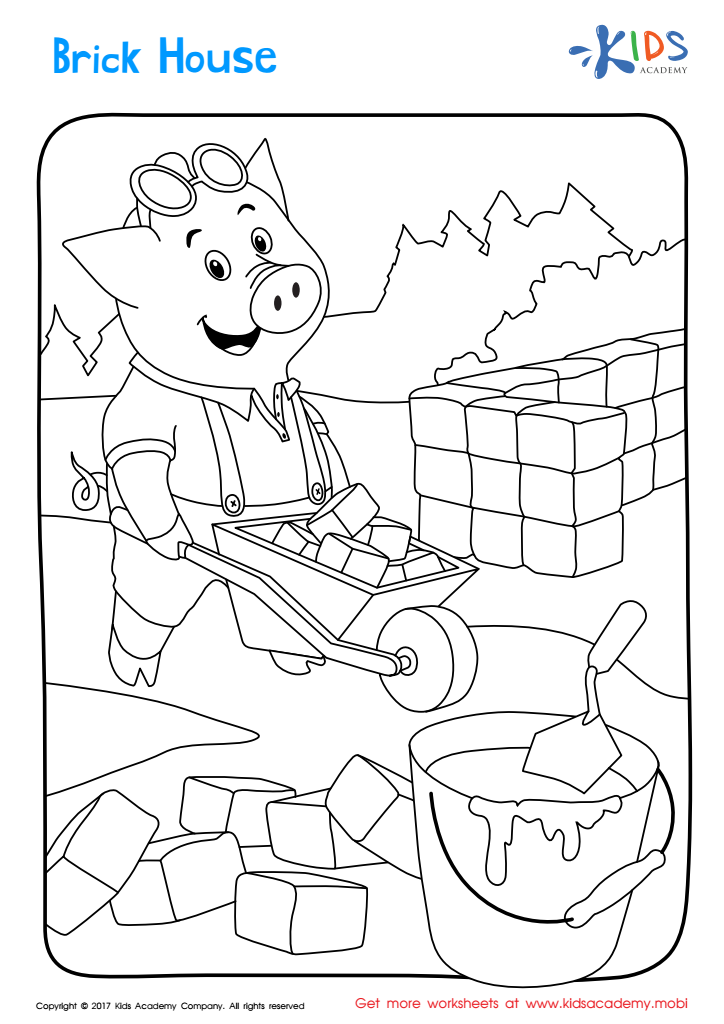
Brick House Printable Coloring Page
 Assign to My Students
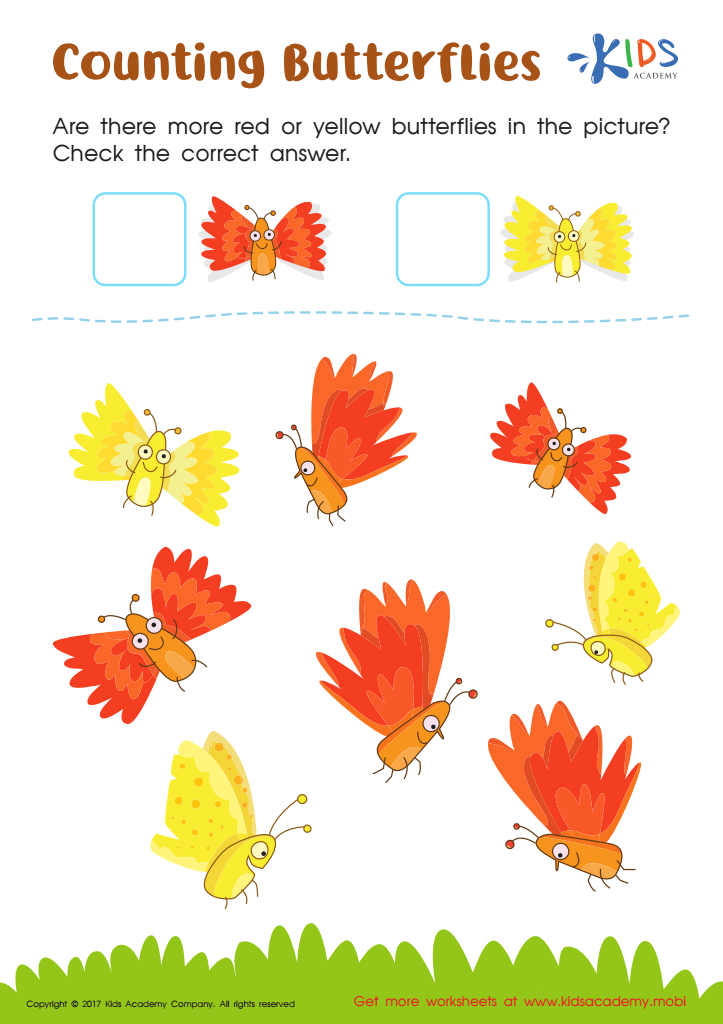
Counting Butterflies Worksheet

Japan Printable
Assign to My Students
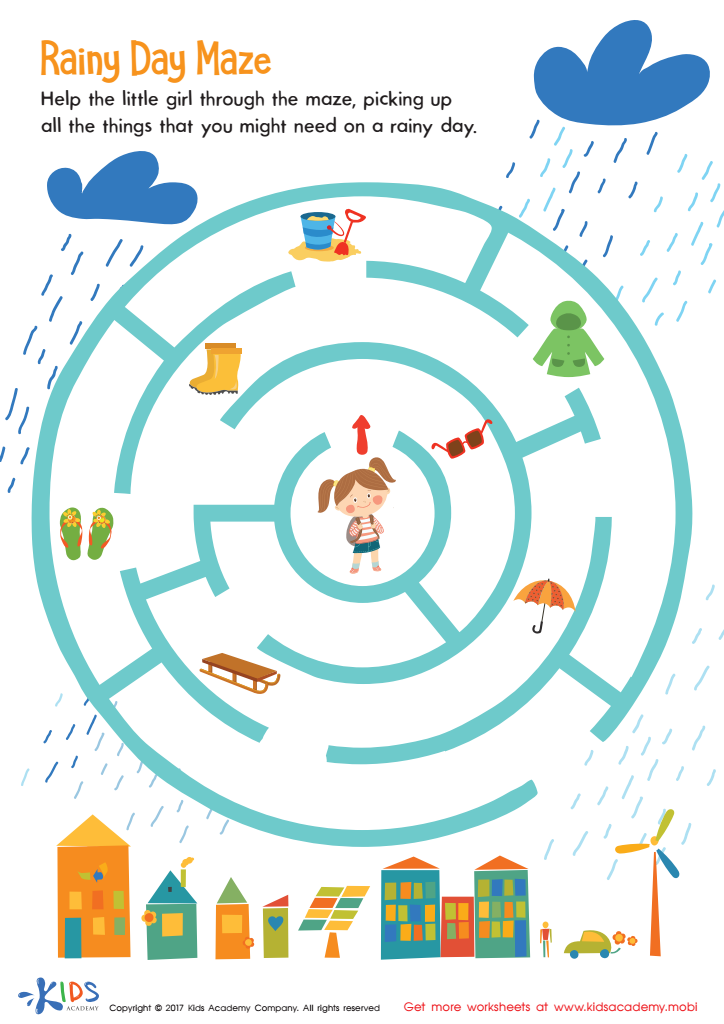
Rainy Day Maze Worksheet
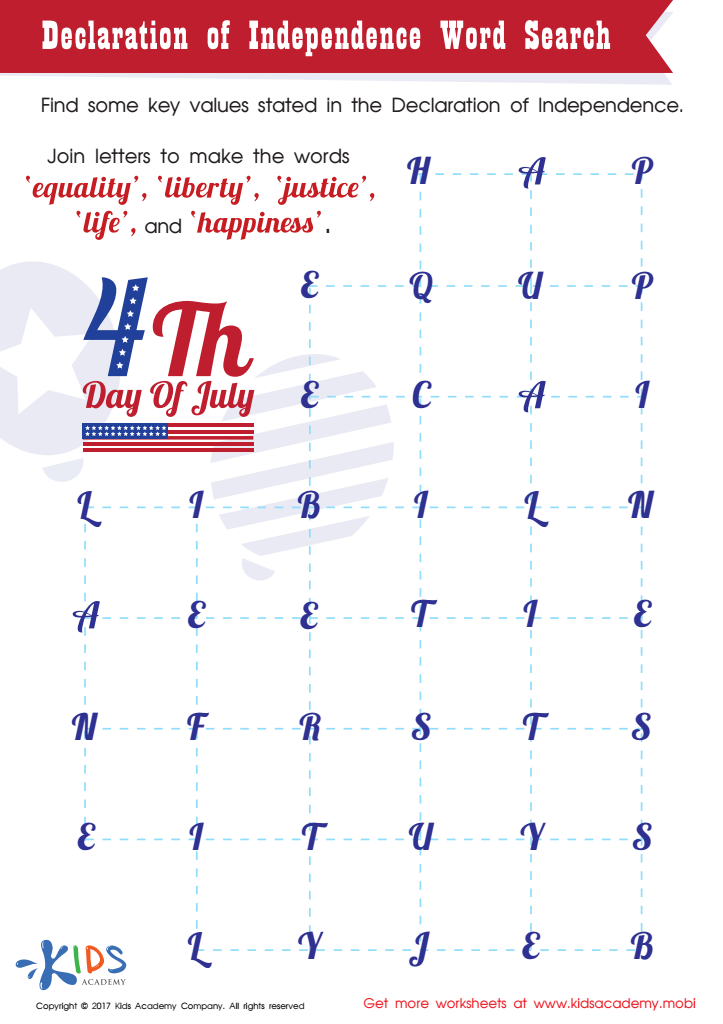
Declaration of Independence Word Search Printable
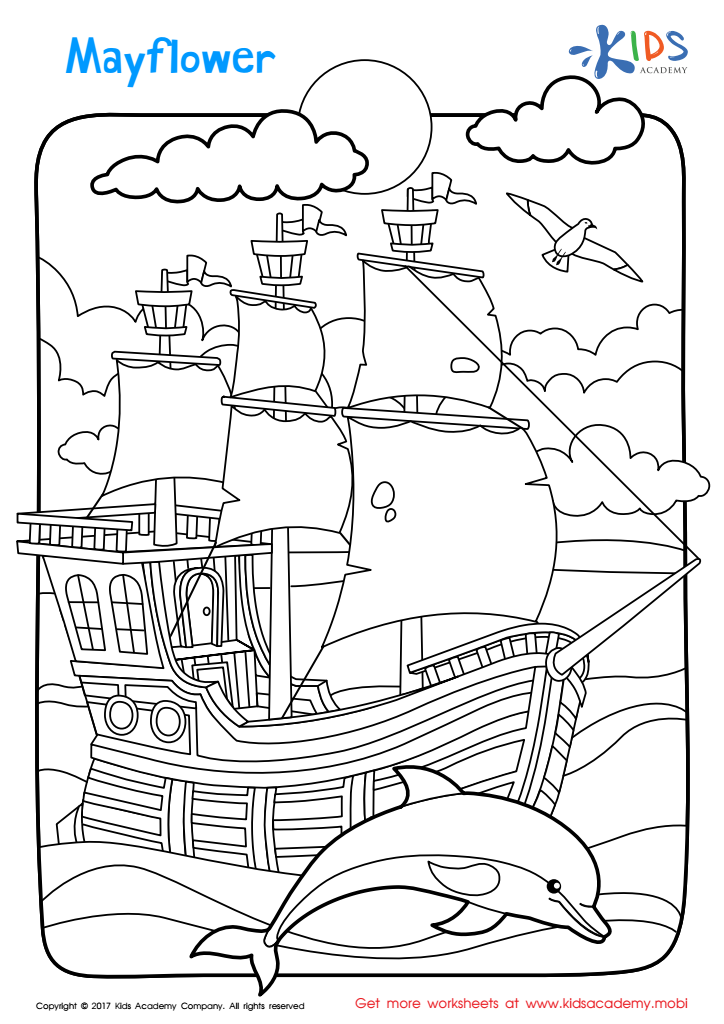
Mayflower Ship Coloring Page
Assign to My Students
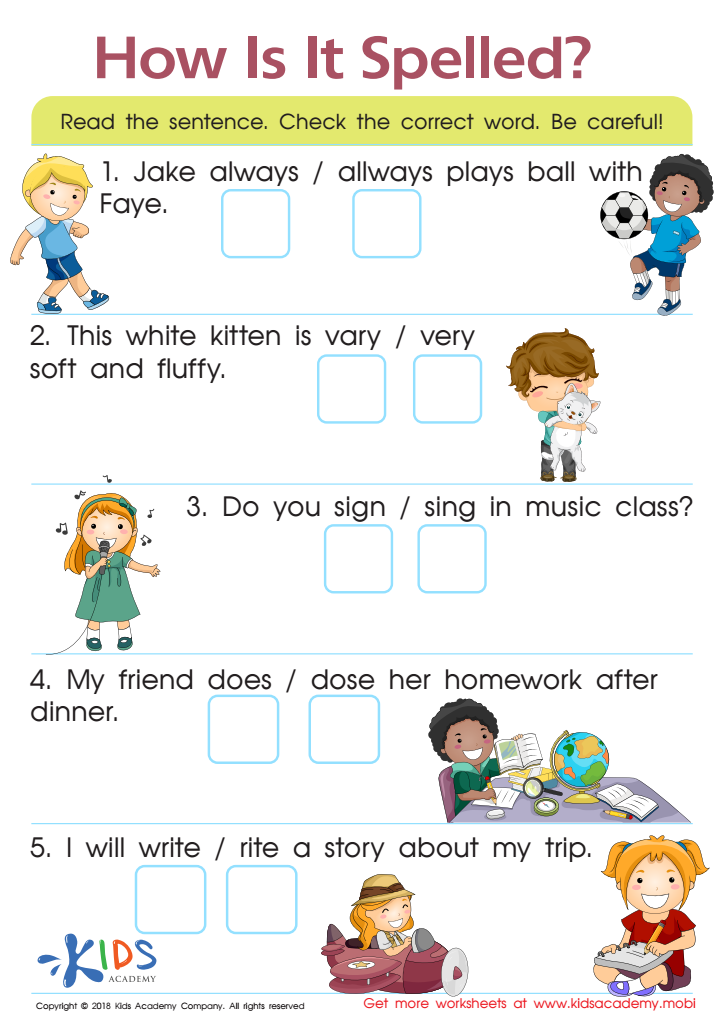
How is it spelled? Worksheet
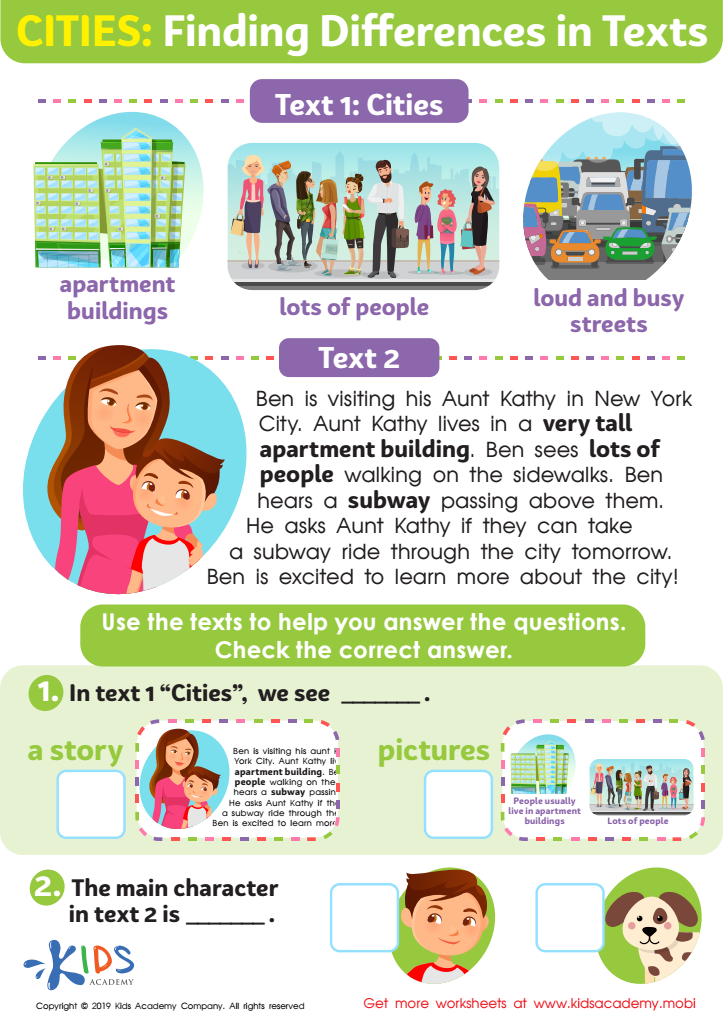
Cities: Finding Differences Worksheet
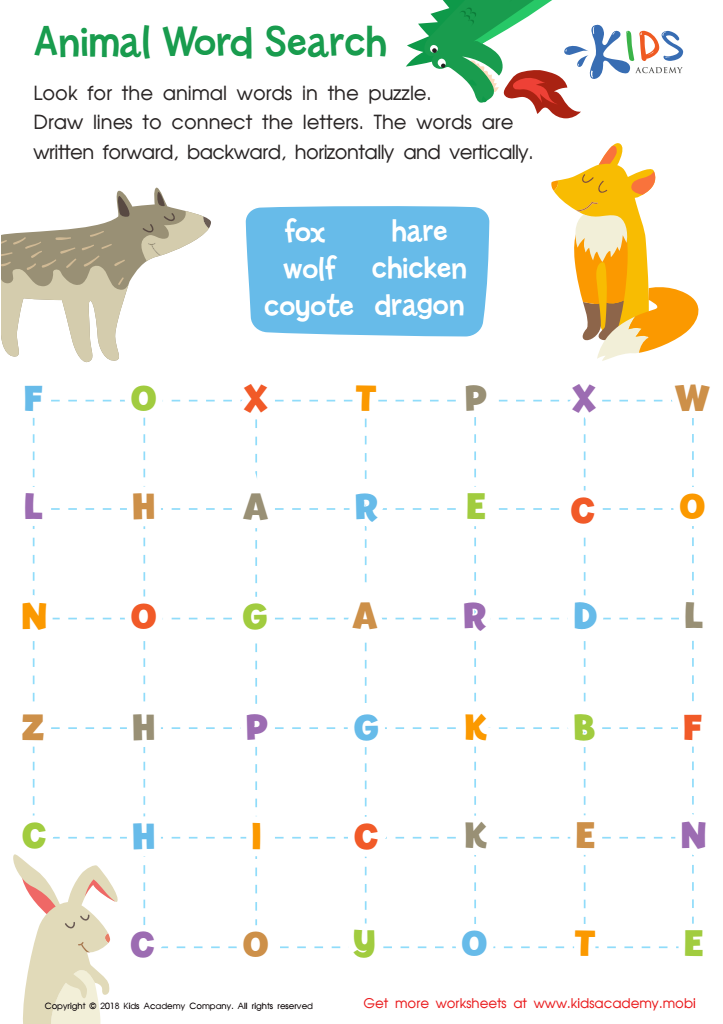
Animal Word Search Worksheet
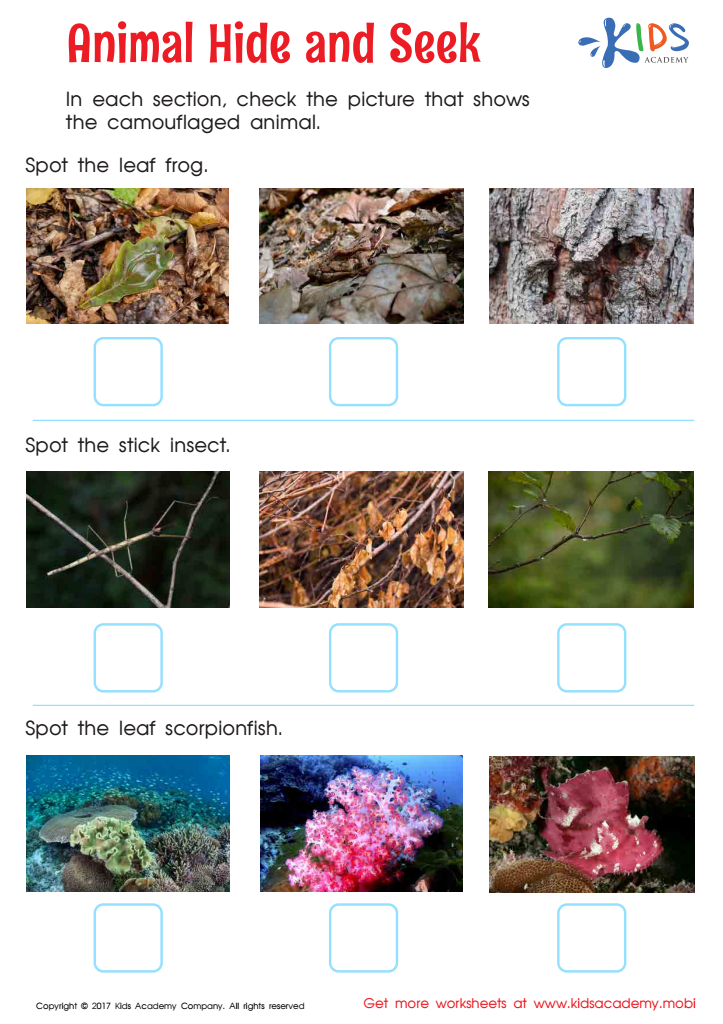
Animal Hide and Seek Worksheet
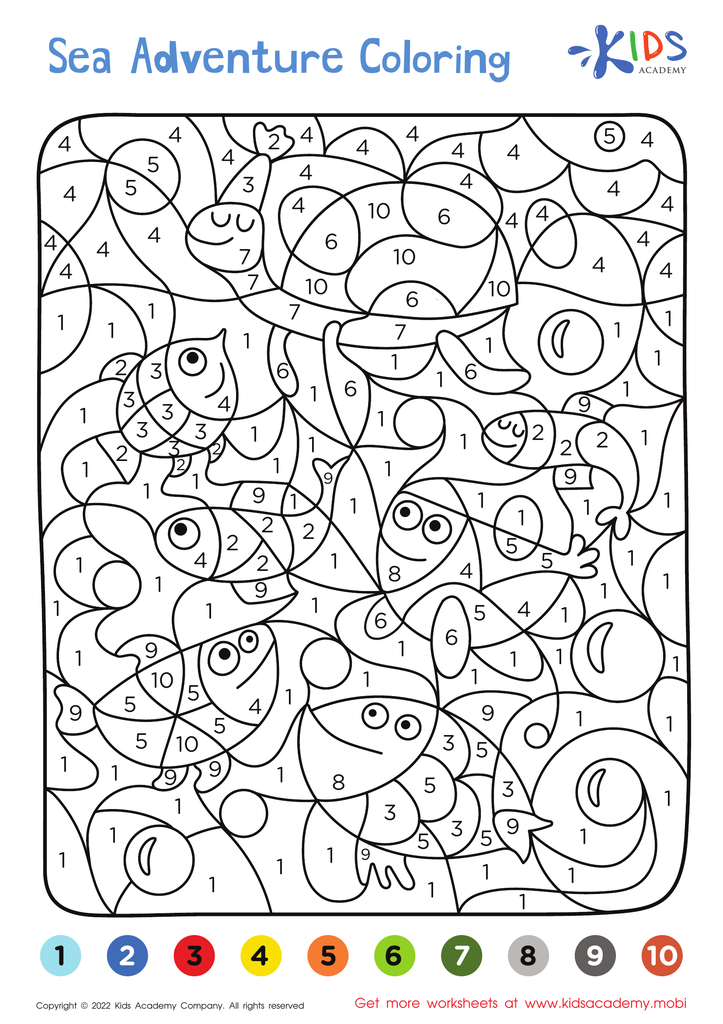
Sea Adventure – Coloring by Numbers







Parents and teachers should prioritize concentration improvement for children aged 6-9 because this critical period is foundational for cognitive and academic growth. Children's brains are developing rapidly, making it an opportune time to nurture skills crucial for later success. Strong concentration skills help children absorb and retain information more effectively, which directly impacts their academic performance. In particular, the ability to focus improves learning in subjects like reading, mathematics, and science, paving the way for a deeper understanding and greater intellectual curiosity.
In addition to academic gains, improved concentration enhances social and emotional development. Children who can focus better are more likely to regulate their behavior and emotions, interact positively with peers, and follow instructions. These capabilities contribute to a well-rounded, confident, and socially competent individual.
Furthermore, good concentration skills form the basis for future habits. Encouraging focus at a young age equips children with the tools needed for lifelong learning and success. Adults who experience fewer problems with procrastination or distractions are often those who developed strong concentration abilities early on.
Investing in strategies to boost concentration—like structured routines, minimizing distractions, and engaging activities—benefits the child's comprehensive development, laying a robust foundation for both educational attainment and personal well-being.








