Critical thinking skills Worksheets for Ages 6-9 - Page 2
39 filtered results
-
From - To
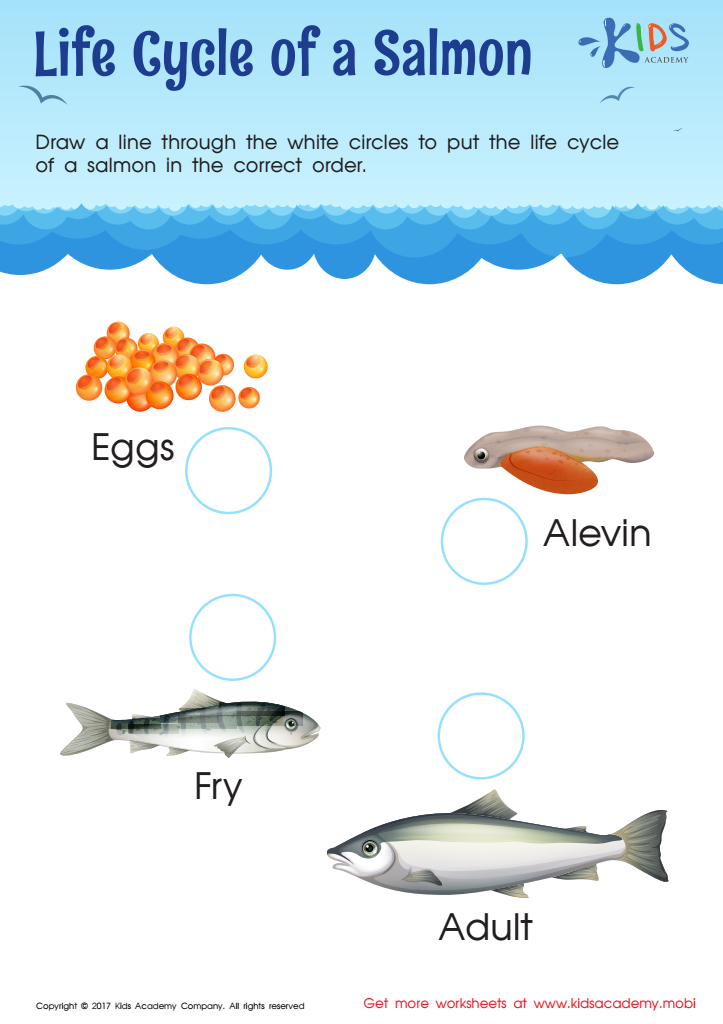
Cycle Of Salmon Worksheet
 Assign to My Students
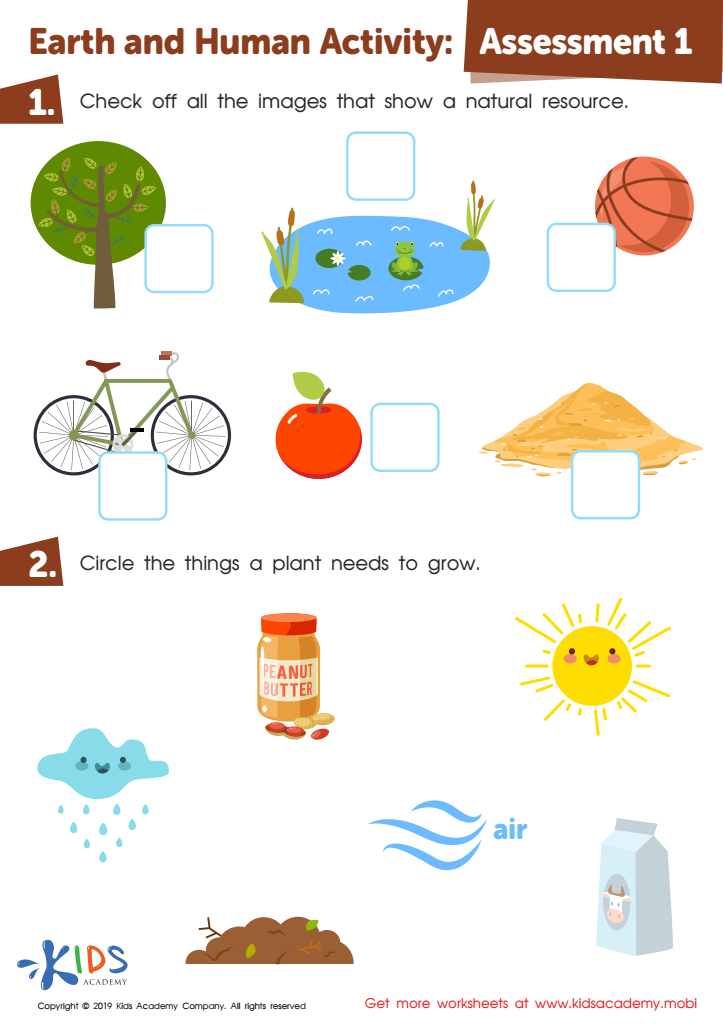
Earth and Human Activity: Assessment 1 Worksheet
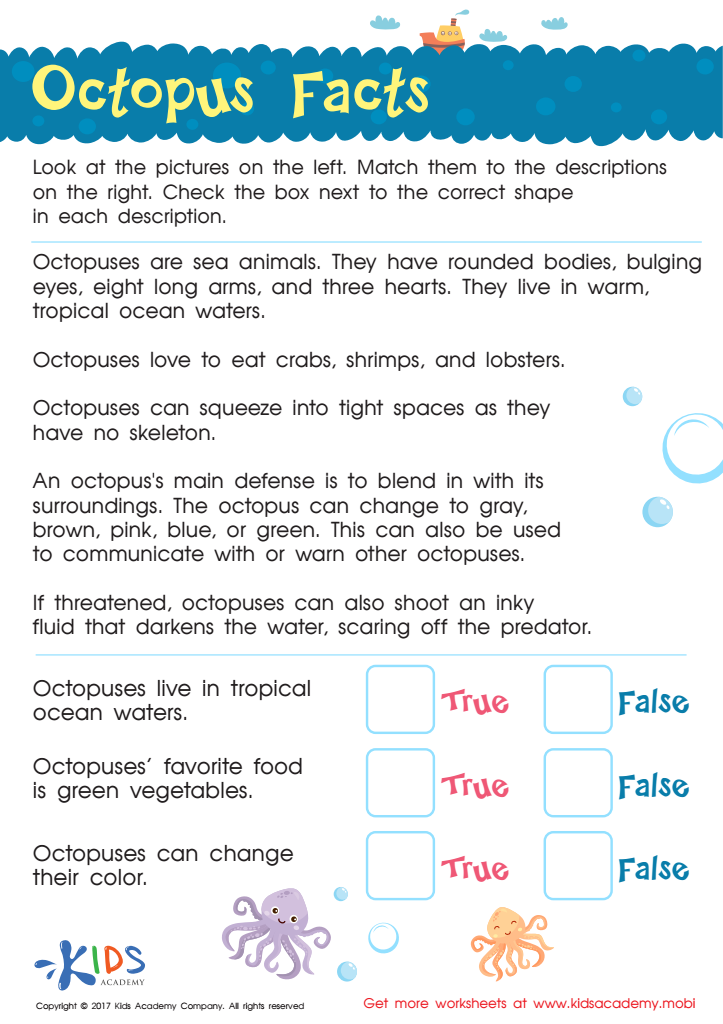
Octopus Facts Worksheet For Kids
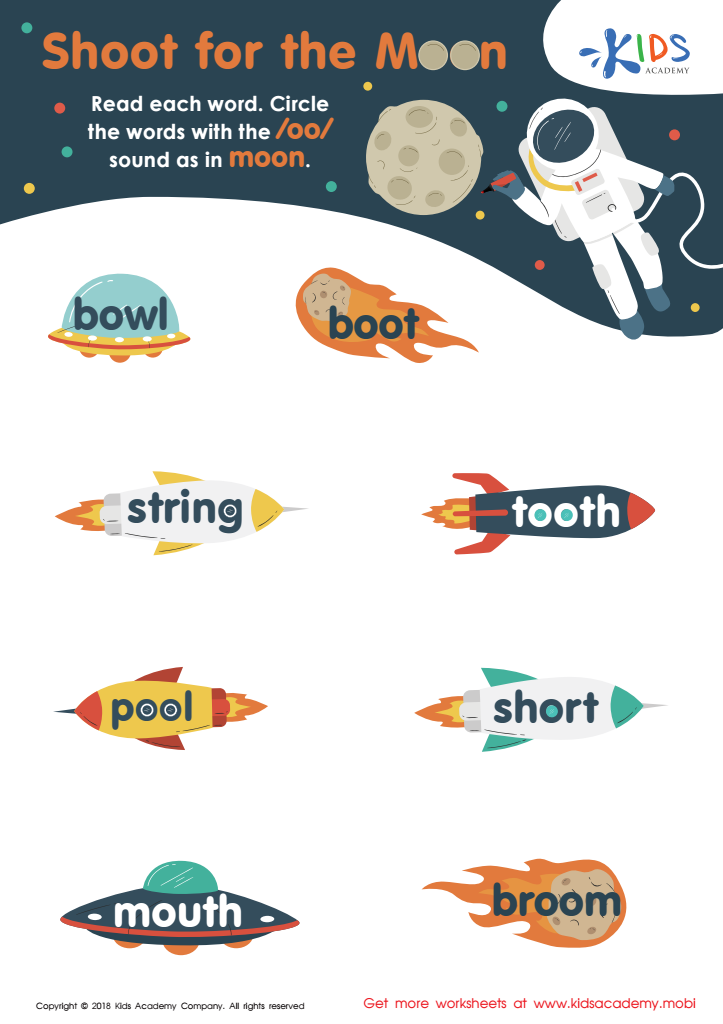
Reading: Shoot for the Moon Worksheet

The Three Little Pigs Worksheet
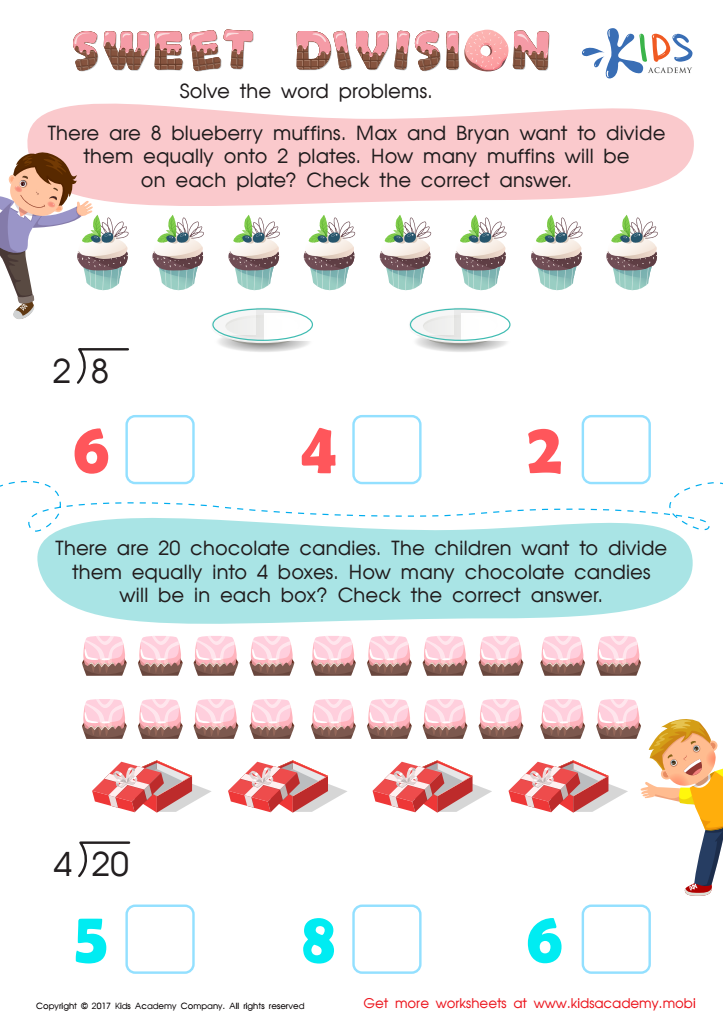
Division Word Problems Worksheet
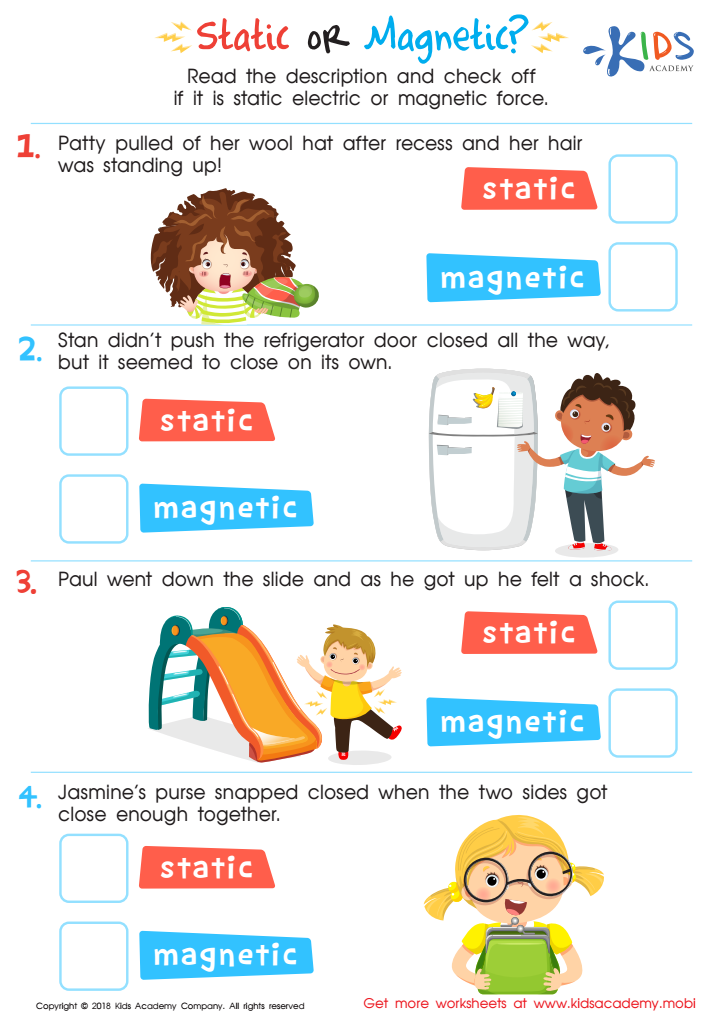
Static or Magnetic Printable Worksheet
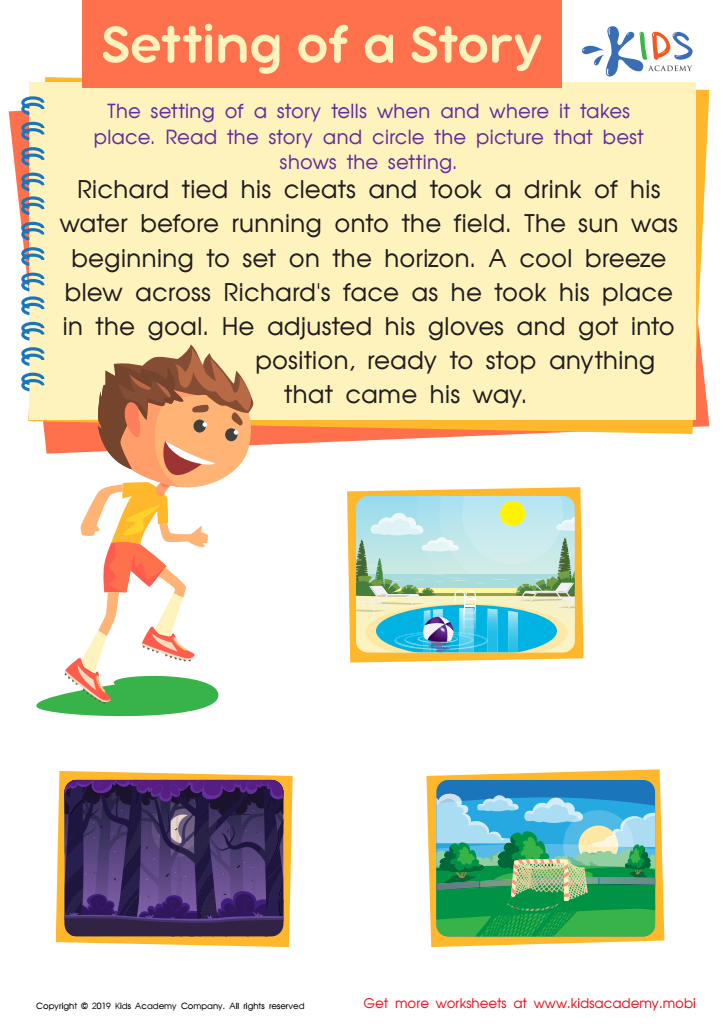
Setting of a Story Worksheet
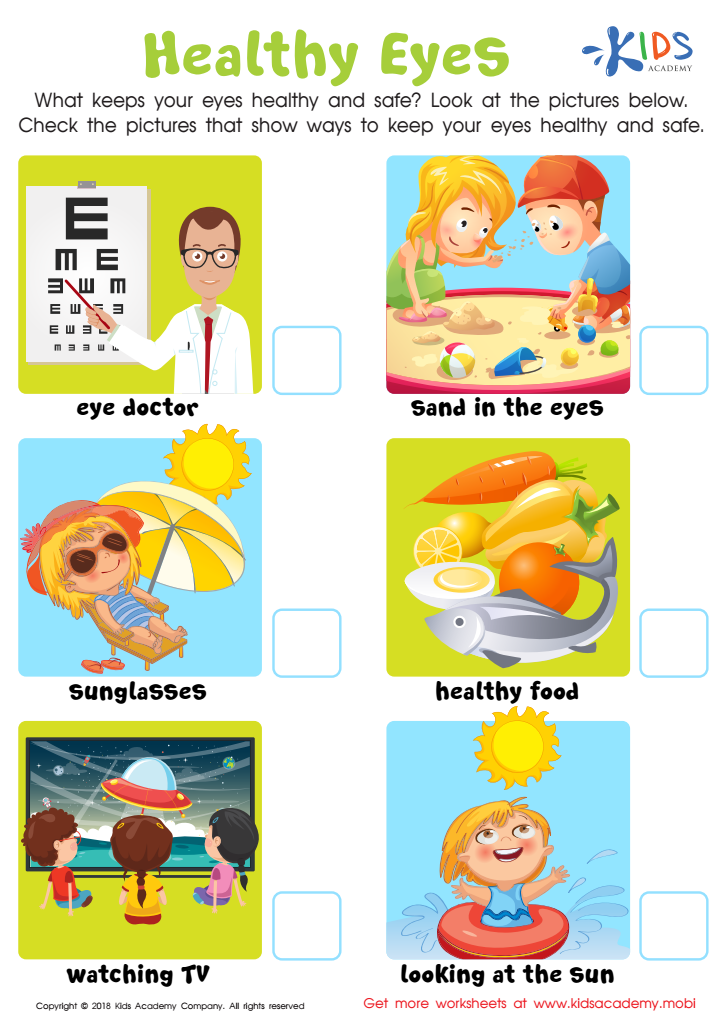
Healthy Eyes Worksheet
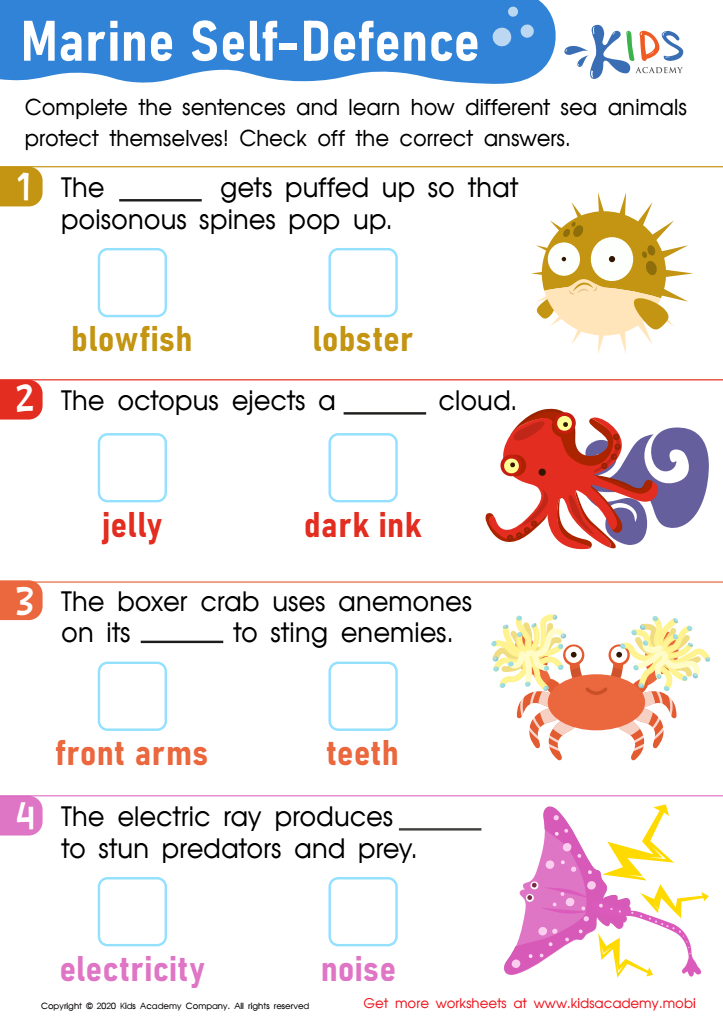
Marine Self-Defence Worksheet
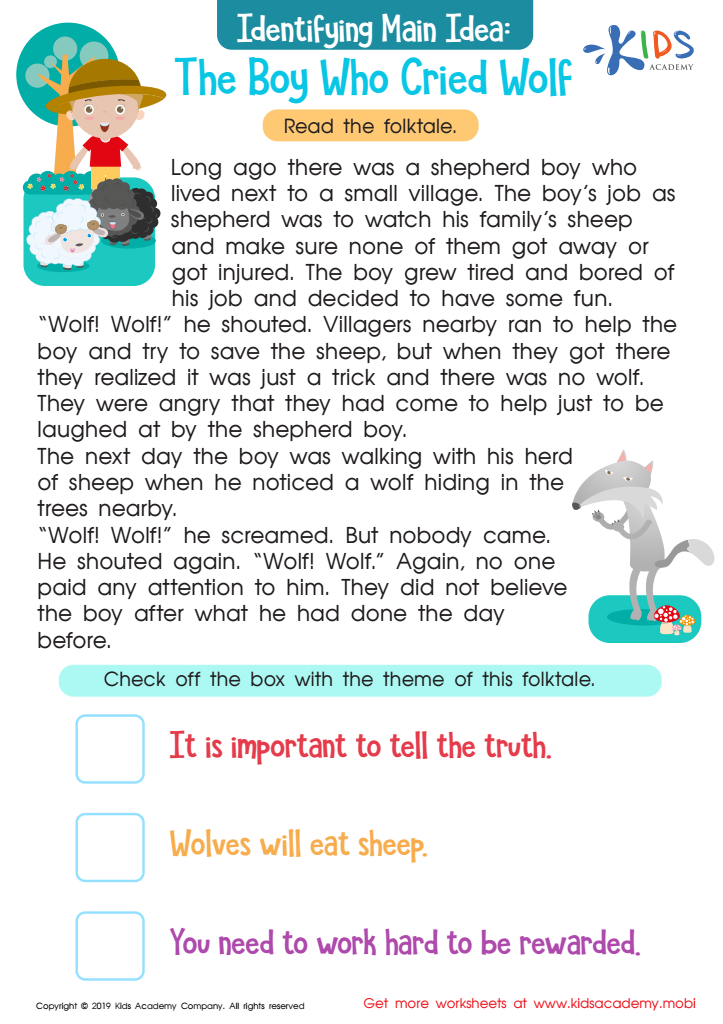
The Boy Who Cried Wolf Part 2 Worksheet
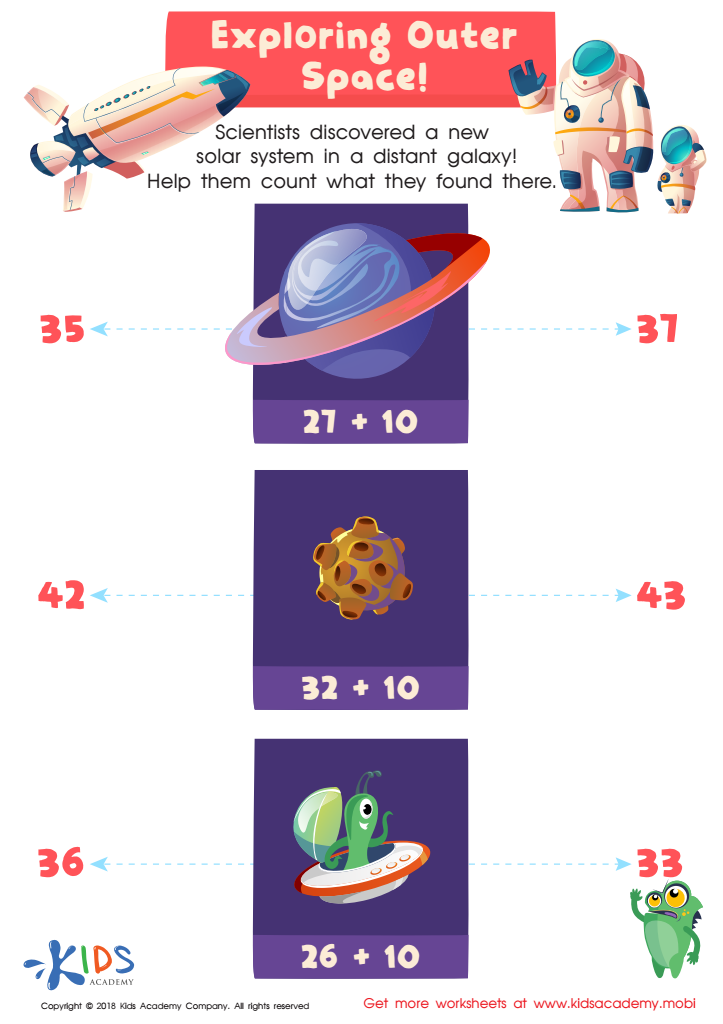
Exploring Outer Space Worksheet








Parents and teachers should prioritize developing critical thinking skills in children aged 6-9 because these skills lay the foundation for lifelong learning and problem-solving abilities. At this developmental stage, children are naturally curious and eager to explore their surroundings. By nurturing their critical thinking, caregivers can channel this curiosity into analytical reasoning, helping kids learn how to identify problems, evaluate information, and make informed decisions.
Critical thinking promotes creativity and independence, enabling children to formulate their own opinions and approach challenges with confidence. In an age where information is abundant, teaching children to assess the reliability of sources cultivates media literacy, equipping them with the tools to navigate a complex world. Additionally, critical thinking supports improved academic performance across subjects, as it fosters better understanding, retention, and application of knowledge.
Furthermore, valuable social skills develop alongside critical thinking; discussing different viewpoints encourages respect for diversity and teaches compromise. By investing in critical thinking from an early age, parents and teachers empower children to become thoughtful, responsible citizens who can thrive in school and beyond—preparing them not just for tests, but for real-life situations that require reflection, empathy, and effective decision-making.








