Directional understanding Worksheets for Ages 6-9
4 filtered results
-
From - To
Enhance your child's spatial awareness and directional skills with our engaging Directional Understanding Worksheets for ages 6-9. These expertly designed printable activities help kids grasp essential concepts like left, right, forward, and backward through fun, interactive exercises. Perfect for developing logical thinking and problem-solving abilities, each worksheet integrates playful themes that keep young learners motivated and excited. Ideal for both home and classroom use, our collection provides practical, hands-on learning experiences that build a solid foundation in navigation and spatial orientation. Give your child the tools they need to succeed with our comprehensive, age-appropriate worksheets.
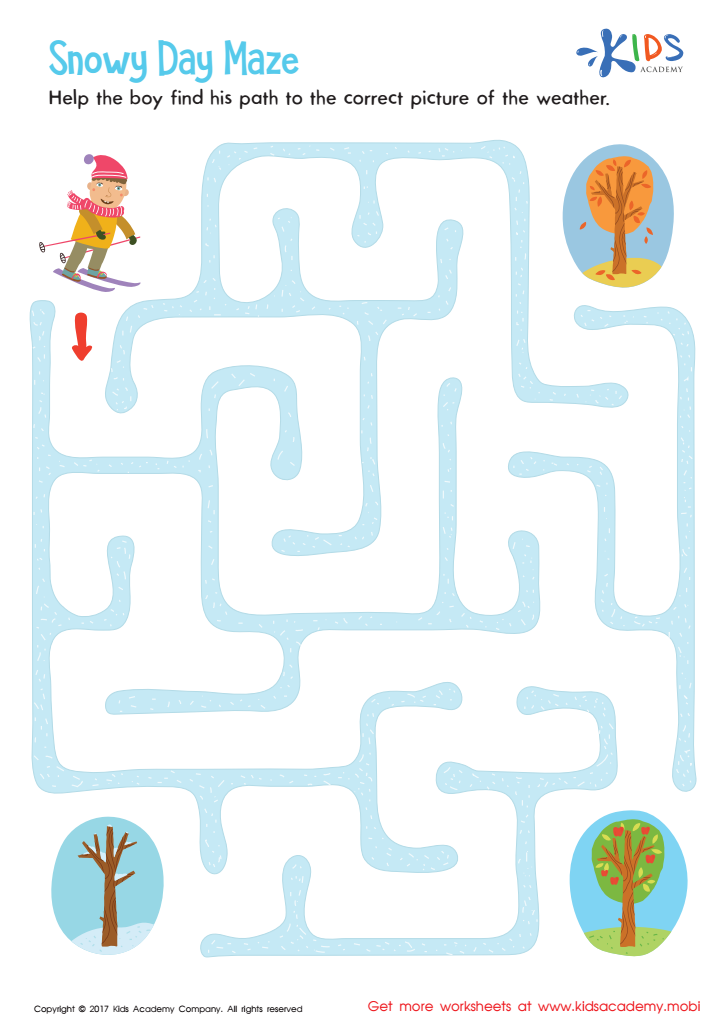
 Assign to My Students
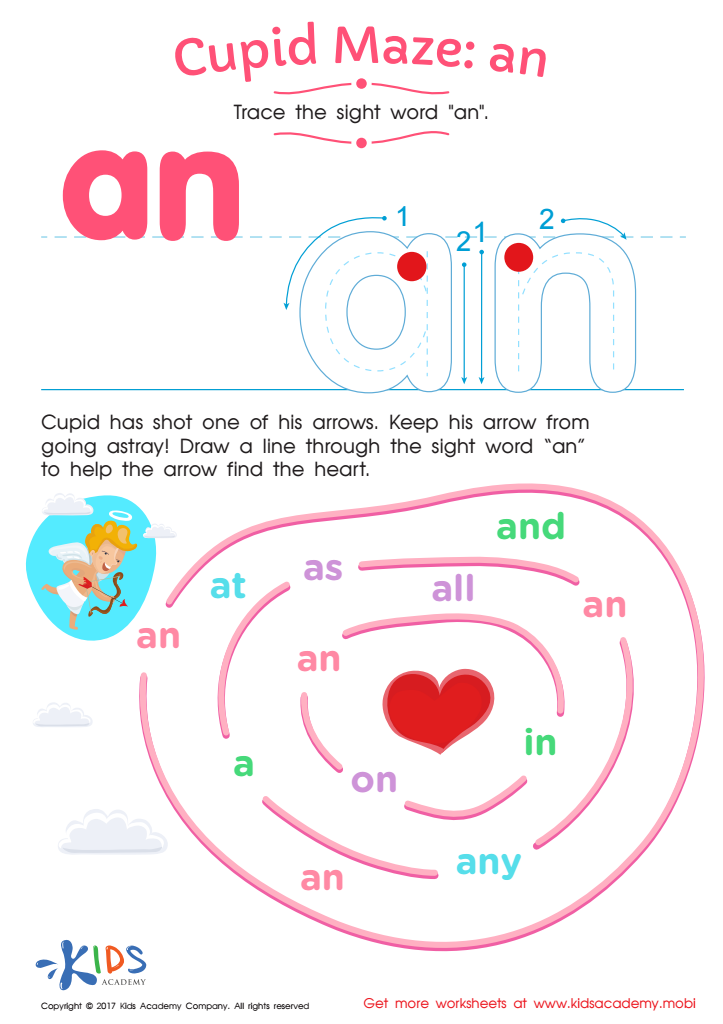
Cupid Maze: An Printable
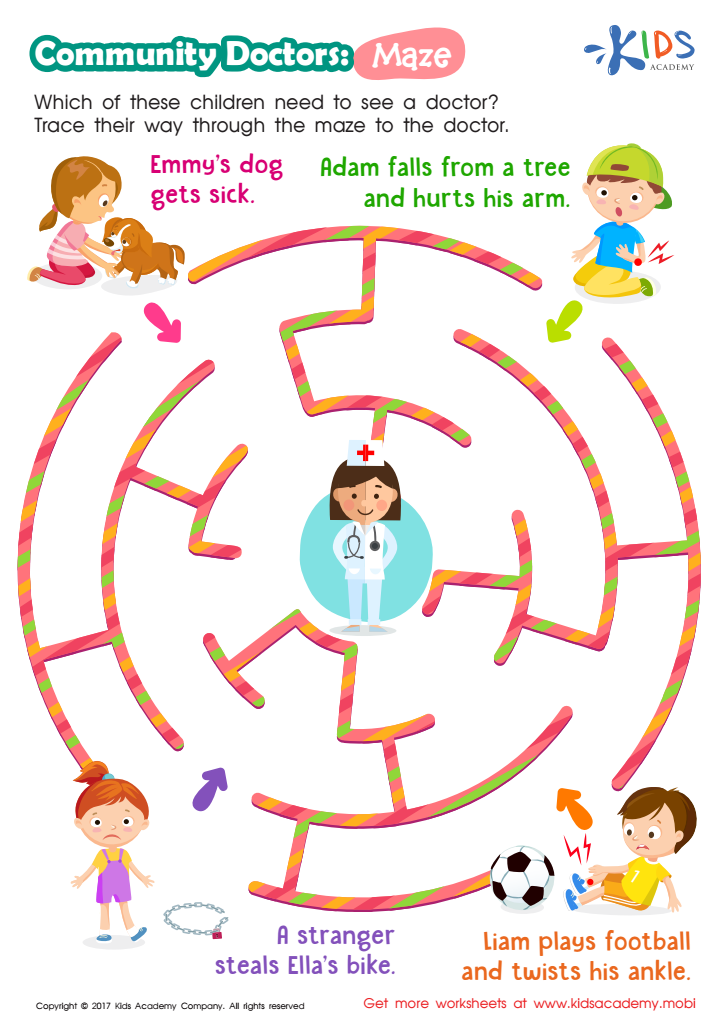
Community Doctors: Maze Printable
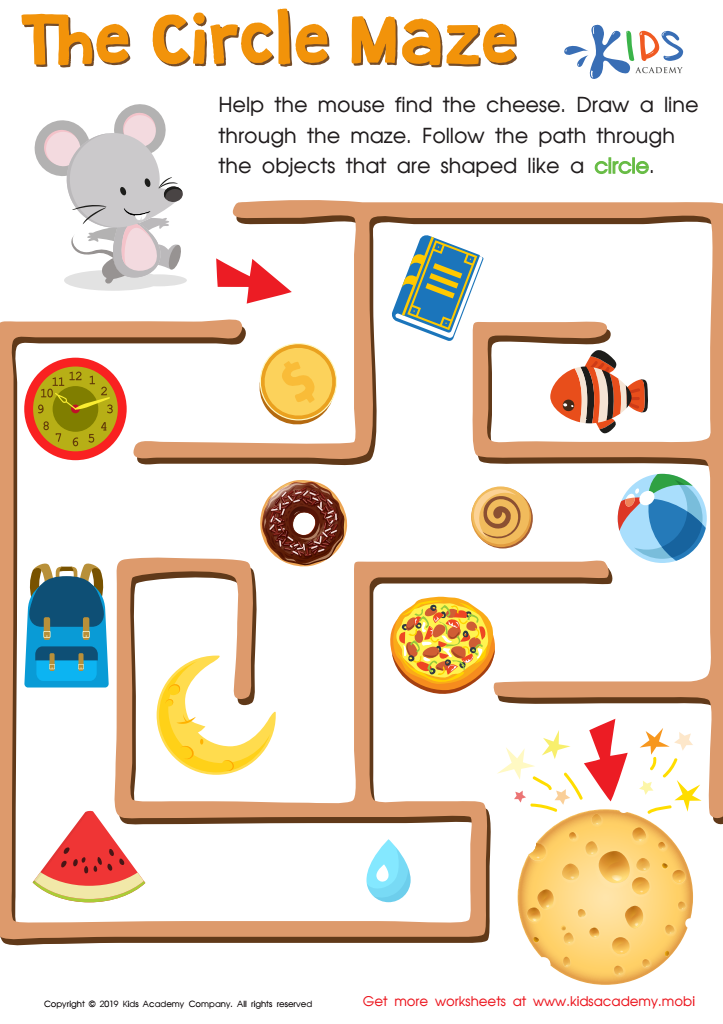
The Circle Maze Worksheet








Directional understanding is a vital skill for children aged 6-9, as it plays an important role in their cognitive, academic, and social development. At this age, children are transitioning from simple recognition tasks to more complex problem-solving activities that require an awareness of spatial orientation. Comprehending directions such as left, right, forward, and backward is foundational for reading and writing, particularly because these tasks follow a specific directionality. For example, understanding that English text reads from left to right is critical for literacy development.
Moreover, directional skills enhance mathematical abilities by helping children grasp concepts like geometry and spatial reasoning. In practical terms, distinguishing the left from the right aids in solving puzzles, navigating maps, and following instructions, both in and outside school settings.
In social contexts, good directional awareness contributes to children’s confidence and autonomy. Being able to follow directions given by teachers or parents correctly increases their ability to engage in various activities, from participating in sports to safely crossing streets. It also builds a foundation for advanced navigation skills they'll need later in life.
Therefore, fostering directional understanding during these early years establishes a basis for overall learning and developmental milestones, ensuring that children are well-prepared for future educational challenges and everyday tasks.








