Geography knowledge Worksheets for Ages 6-9 - Page 2
35 filtered results
-
From - To
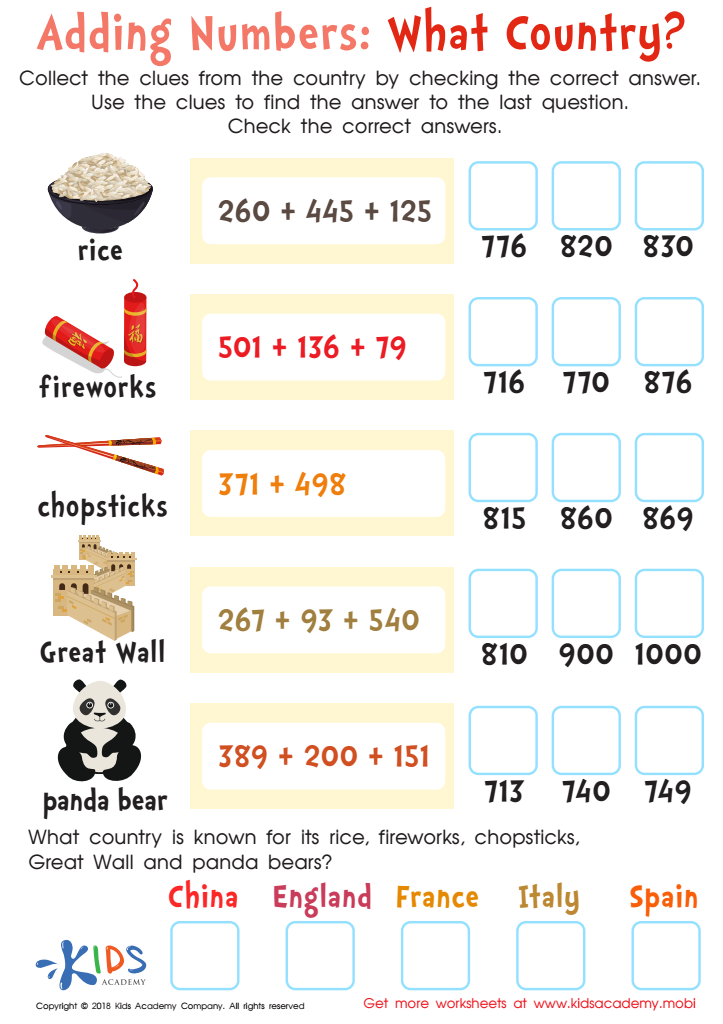
Adding Numbers: What Country Worksheet
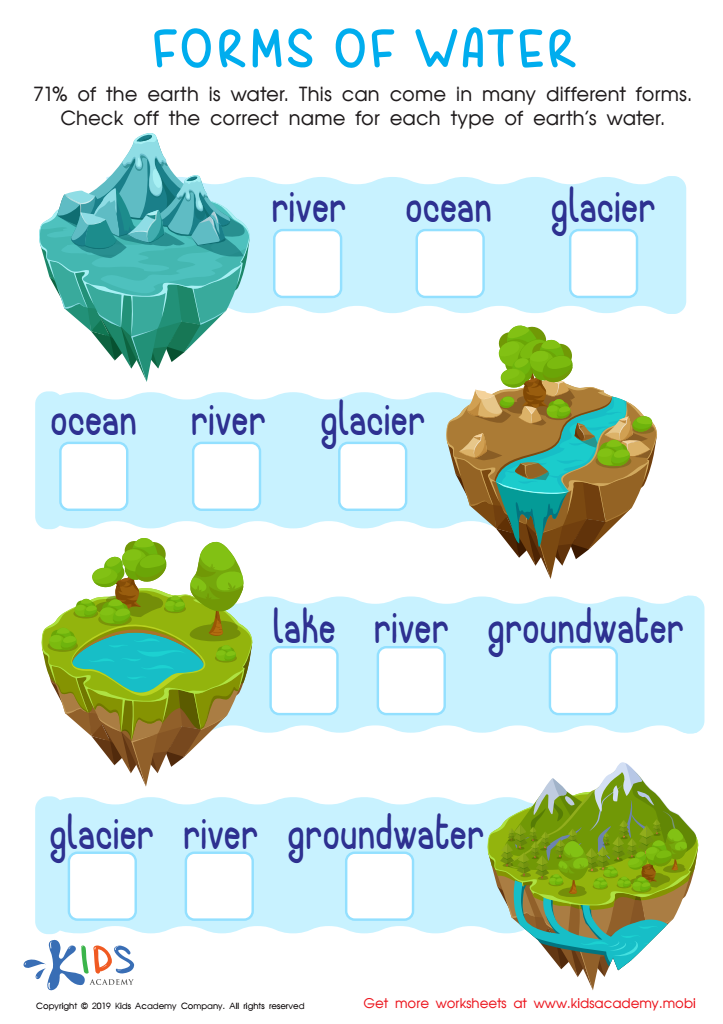
Forms of Water Worksheet
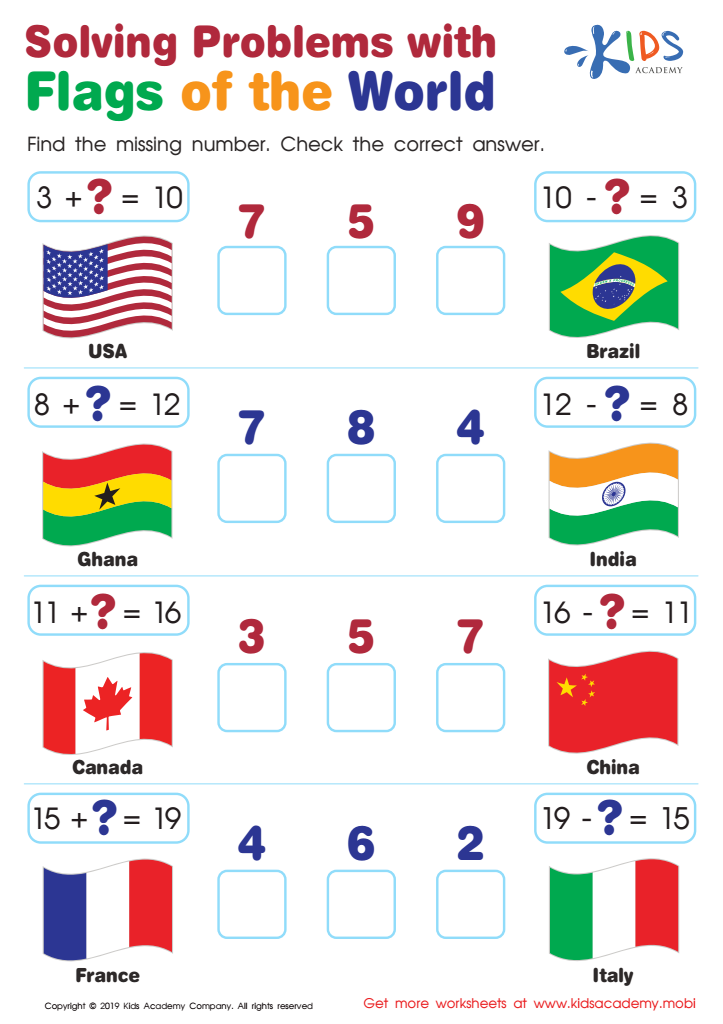
Solving Problems with Flags of the World Worksheet
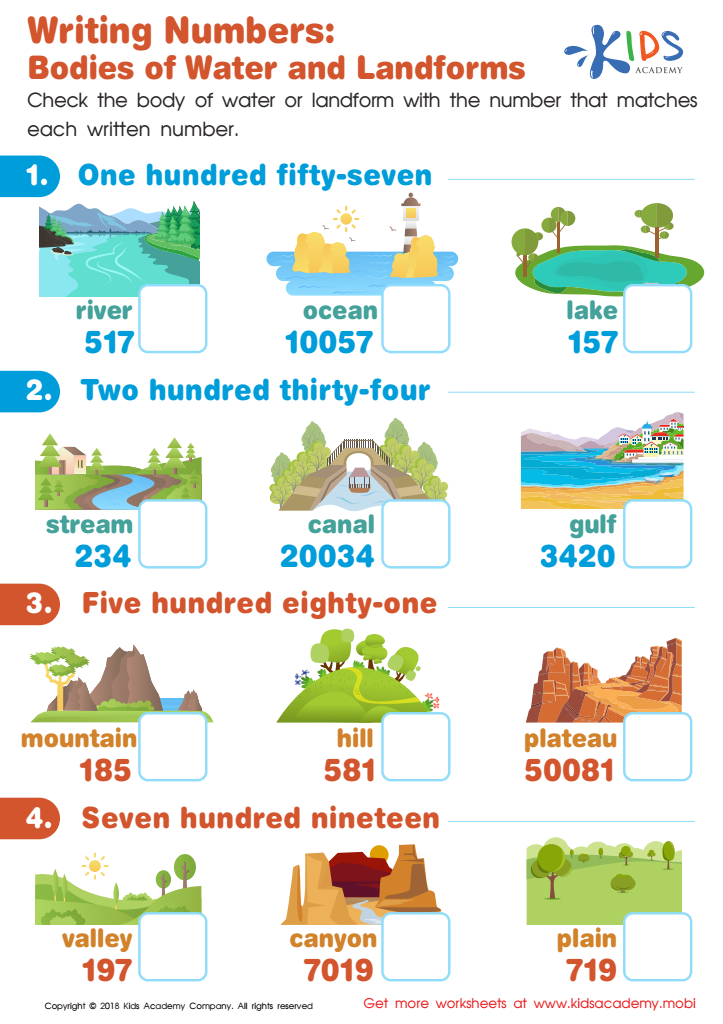
Bodies of Water and Landforms Writing Numbers Worksheet
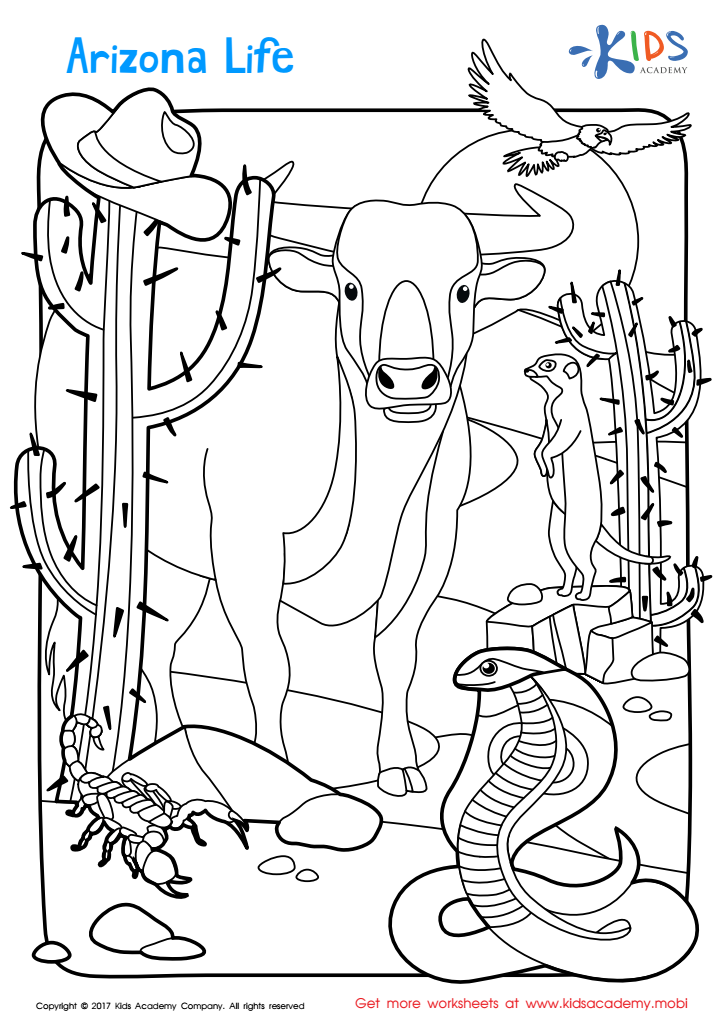
Arizona Coloring Page Worksheet
 Assign to My Students
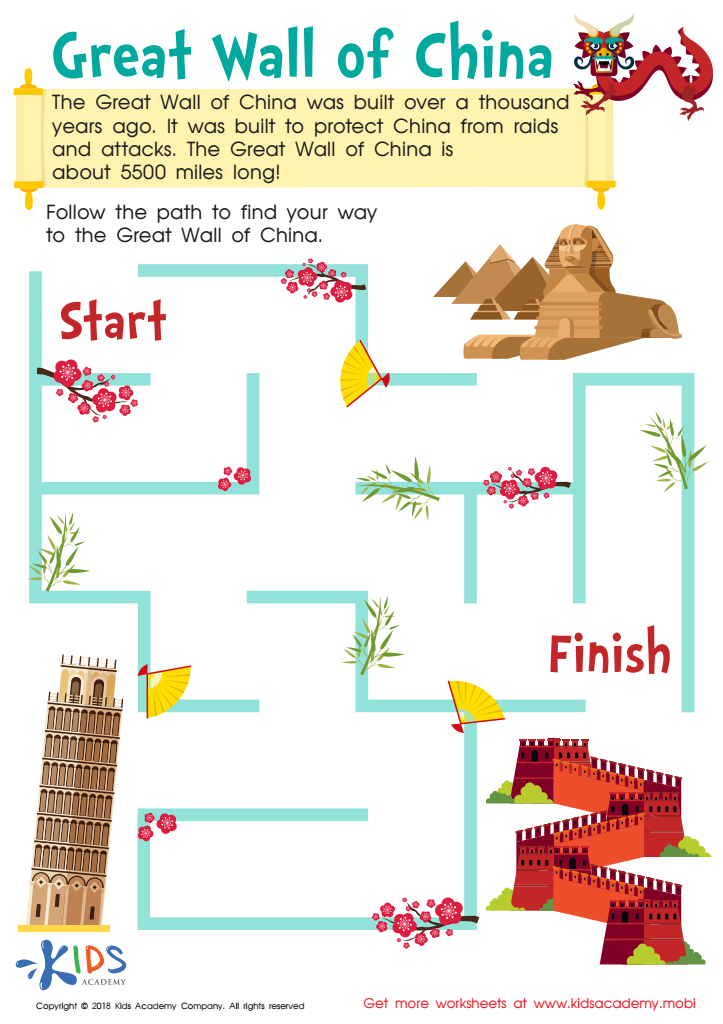
Great Wall of China Worksheet
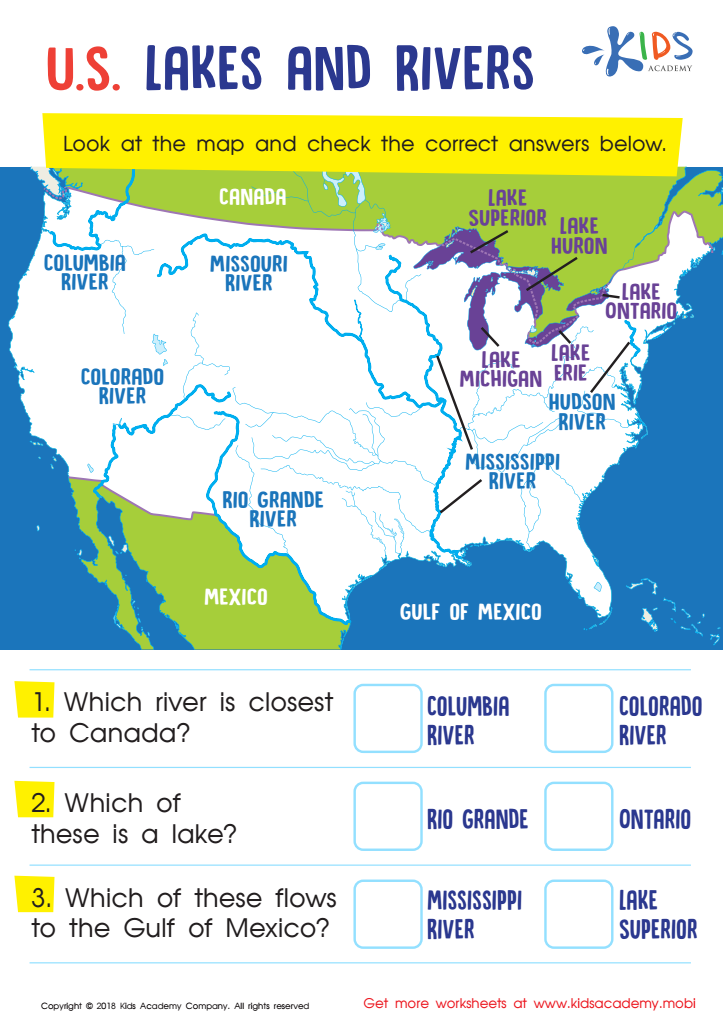
U.S. Lakes and Rivers Worksheet
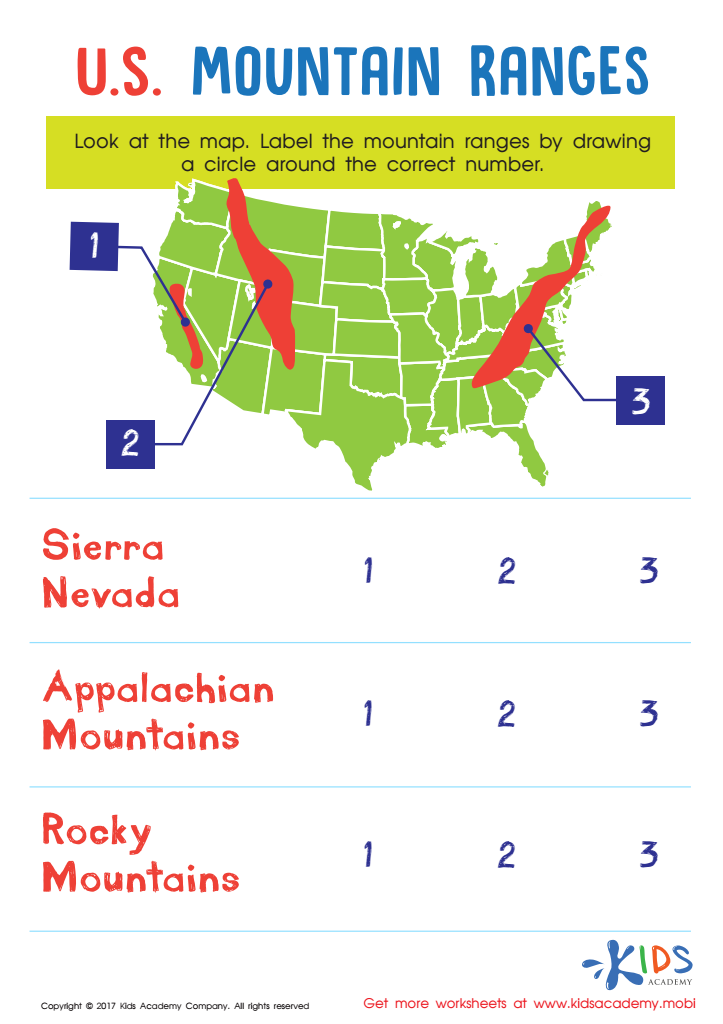
US Mountain Ranges Worksheet
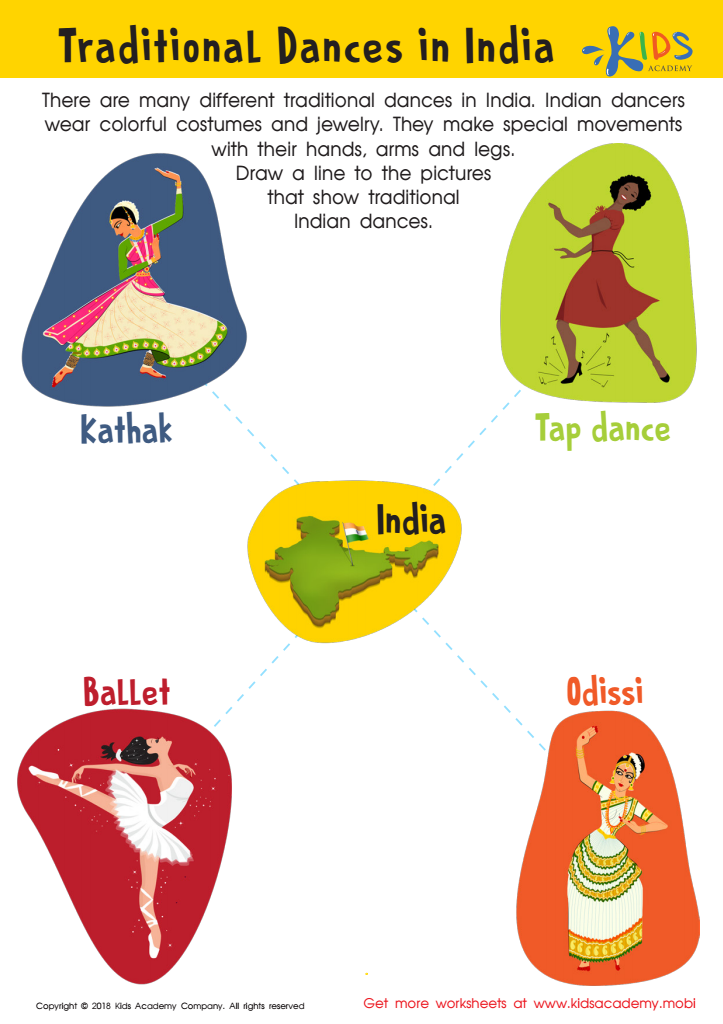
Traditional Dances in India Worksheet
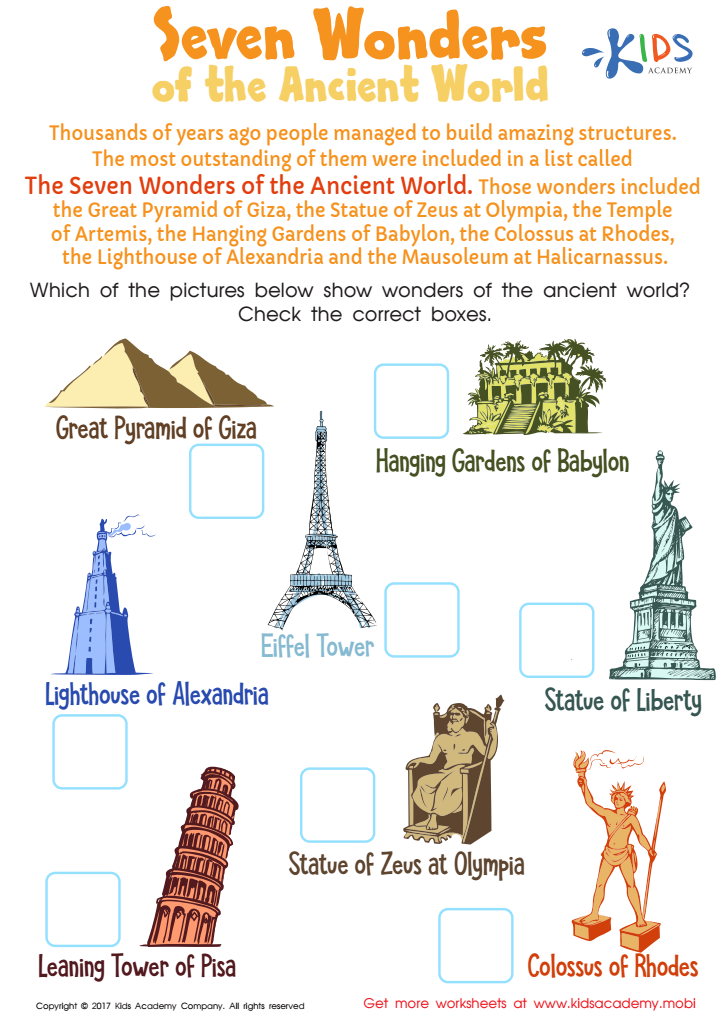
Seven Wonders of the Ancient World Worksheet
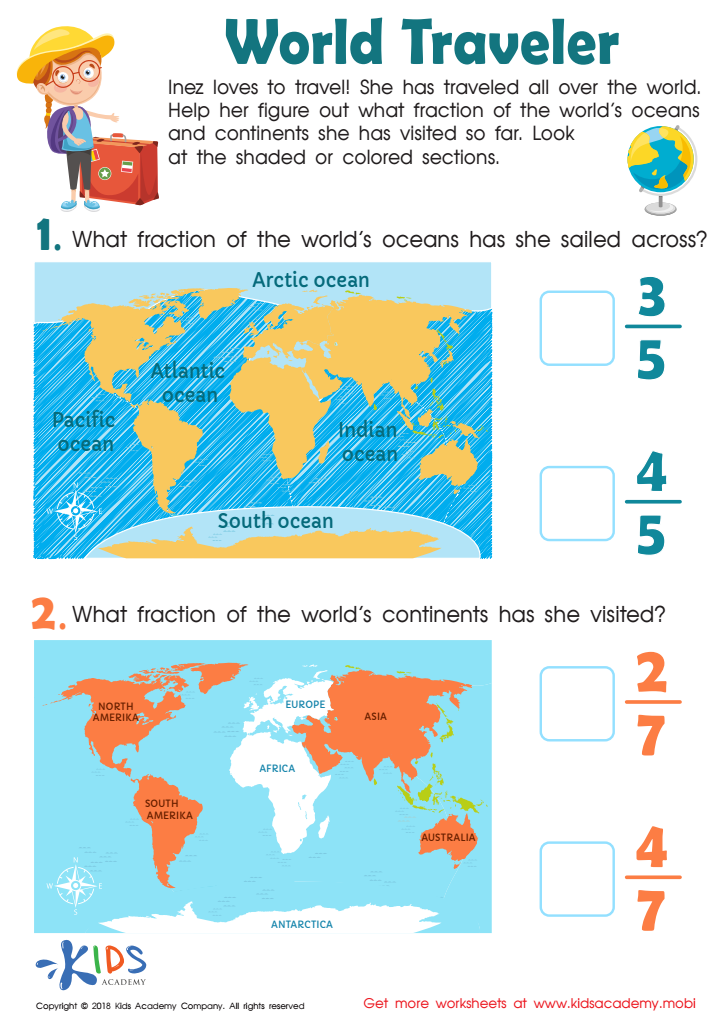
World Traveler Worksheet








Geography knowledge is vital for children ages 6-9 as it lays the foundation for their understanding of the world. At this age, children develop cognitive skills and are naturally curious about their environment. By learning geography, they gain insights into different cultures, ecosystems, and places, fostering awareness and appreciation for diversity. This knowledge helps children understand current events, as they can relate news stories to specific locations and cultures.
Furthermore, geography promotes critical thinking and problem-solving skills. When children explore maps and globes, they learn to navigate and interpret information, skills they will use throughout their lives. Understanding geographic concepts such as landforms, climates, and human interactions with the environment encourages them to think critically about the world’s challenges, such as climate change and resource management.
Parents and teachers should prioritize geography education as it cultivates a sense of global citizenship. Children learn responsibility toward their communities and the world at large, encouraging empathy and stewardship. Ultimately, geography education equips children with knowledge that extends beyond the classroom, preparing them to be informed, engaged, and compassionate citizens as they grow.








