Identification skills Worksheets for Ages 6-9
9 filtered results
-
From - To
Welcome to our comprehensive collection of Identification Skills Worksheets for Ages 6-9! Designed to enhance young learners' ability to recognize and categorize various objects, these worksheets provide engaging activities that promote critical thinking and observational skills. From identifying shapes and colors to recognizing letters and numbers, each worksheet encourages kids to apply their knowledge in fun, interactive ways. Perfect for home or classroom use, our resources support foundational learning while keeping children entertained. Explore our printable worksheets today to empower your child's learning journey and boost their identification skills effectively! Unlock their potential with enjoyable, educational activities tailored just for them.
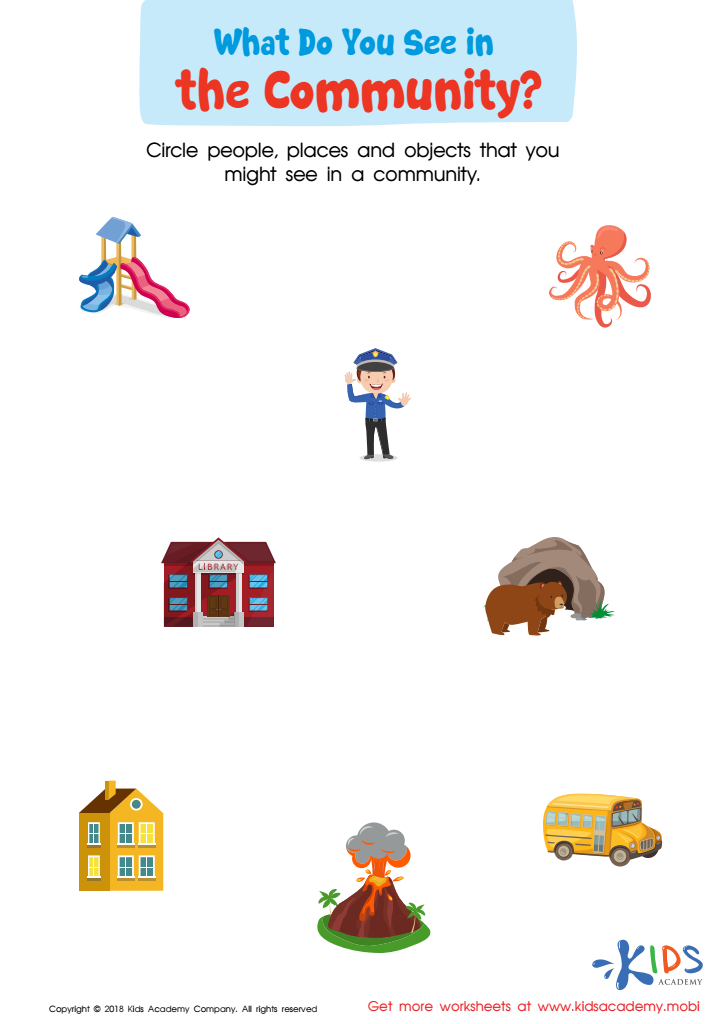
What Do You See in the Community Worksheet
 Assign to My Students
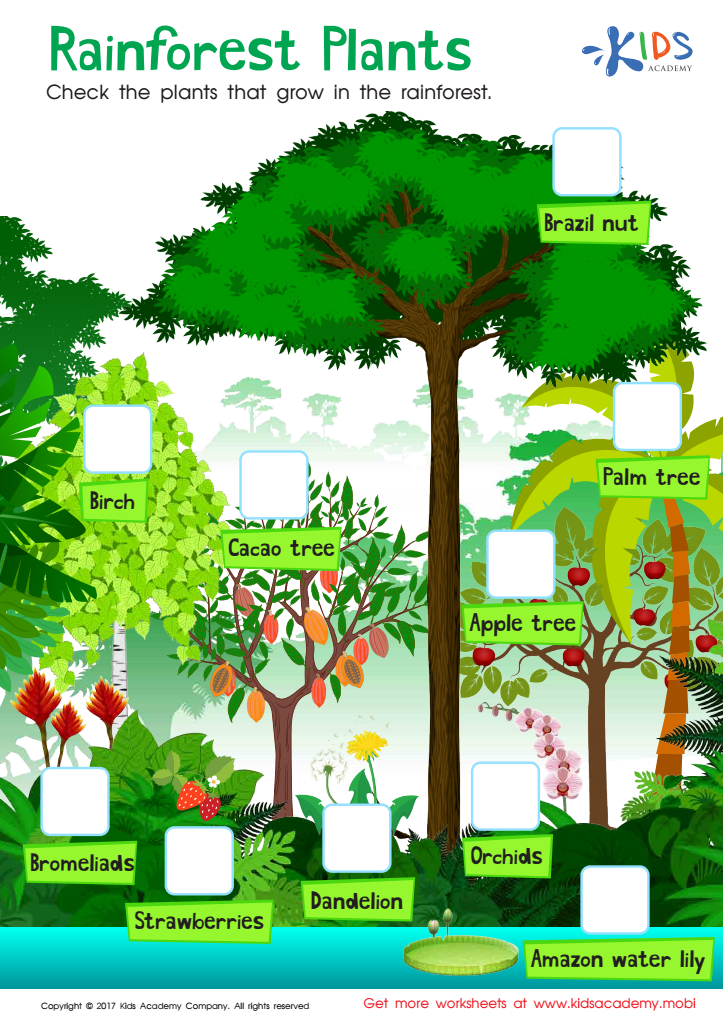
Rainforest Plants Worksheet
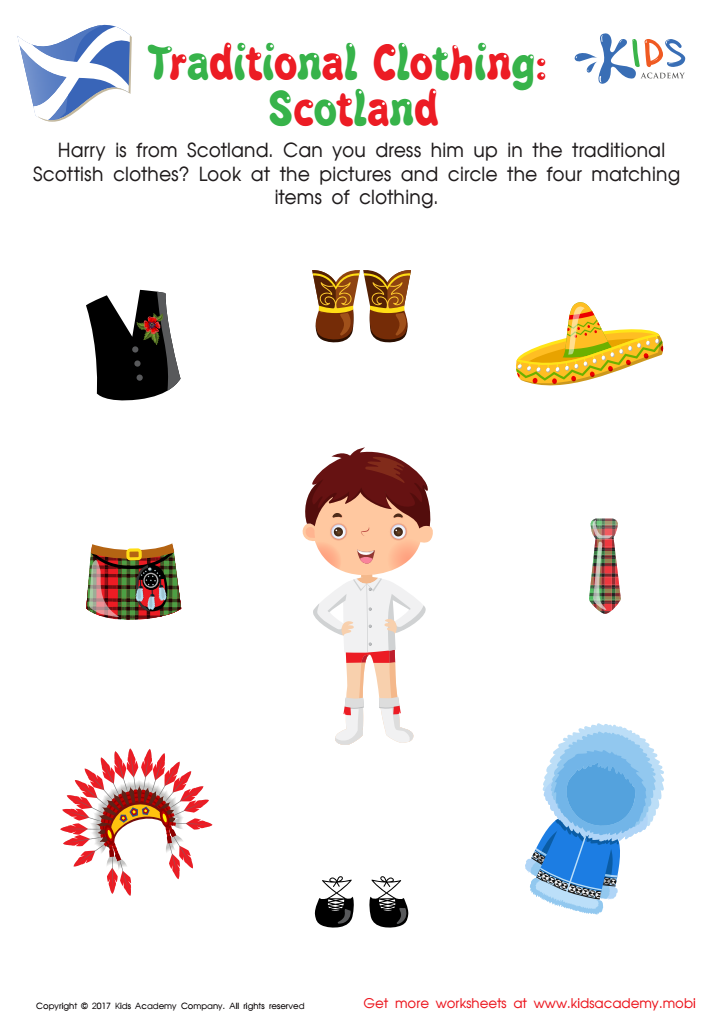
Traditional Clothing in Scotland Worksheet
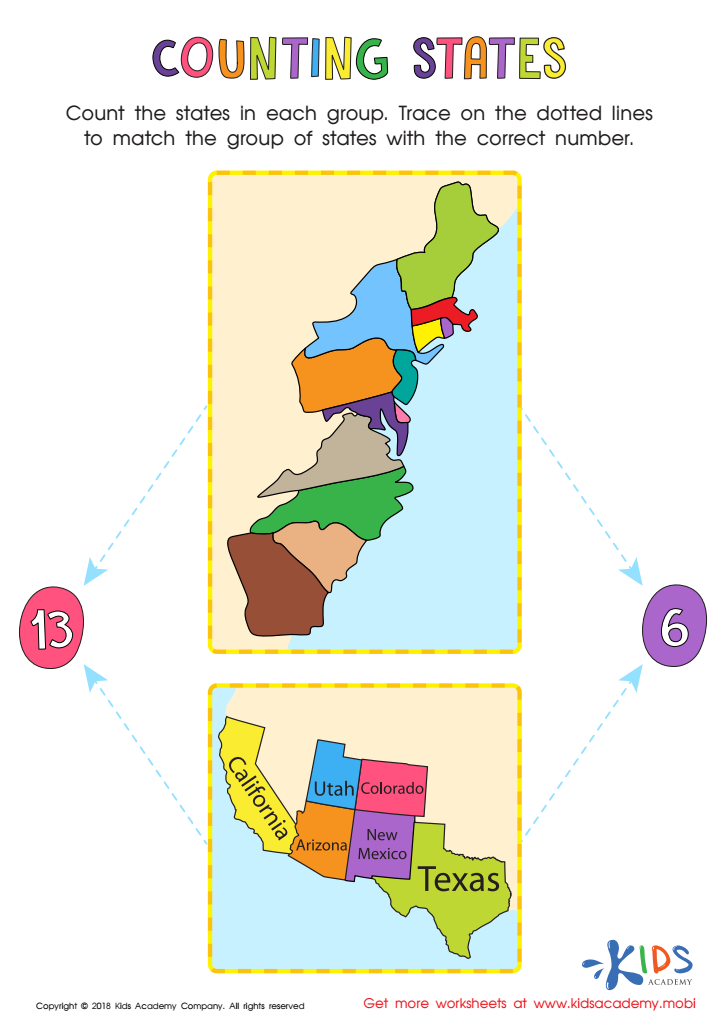
Counting States Worksheet
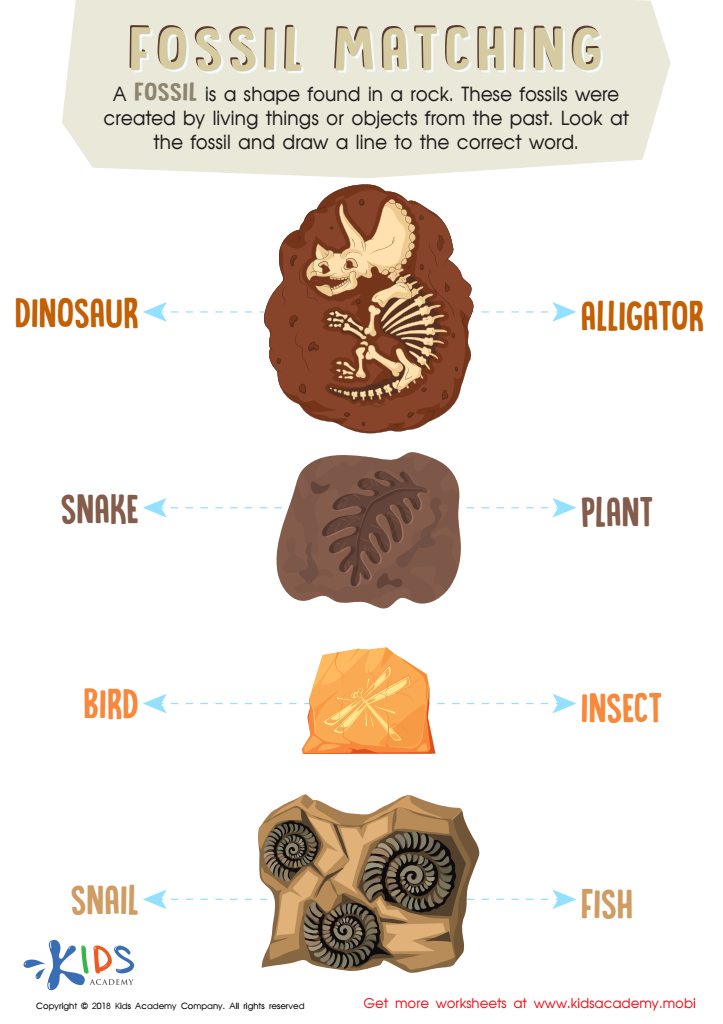
Fossil Matching Worksheet
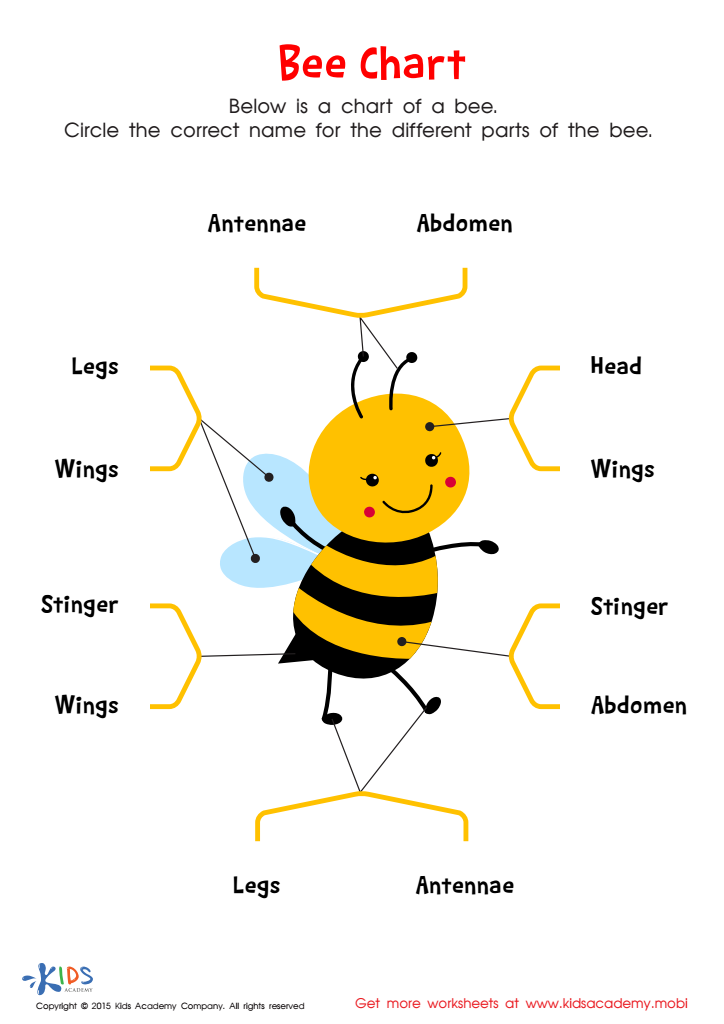
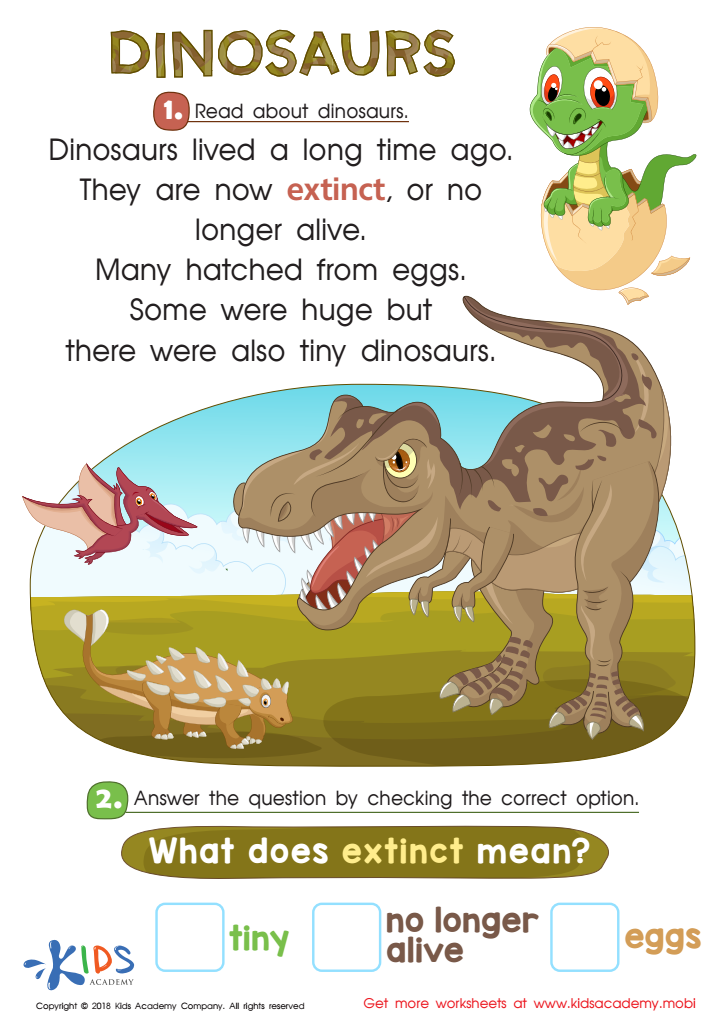
Dinosaurs Worksheet
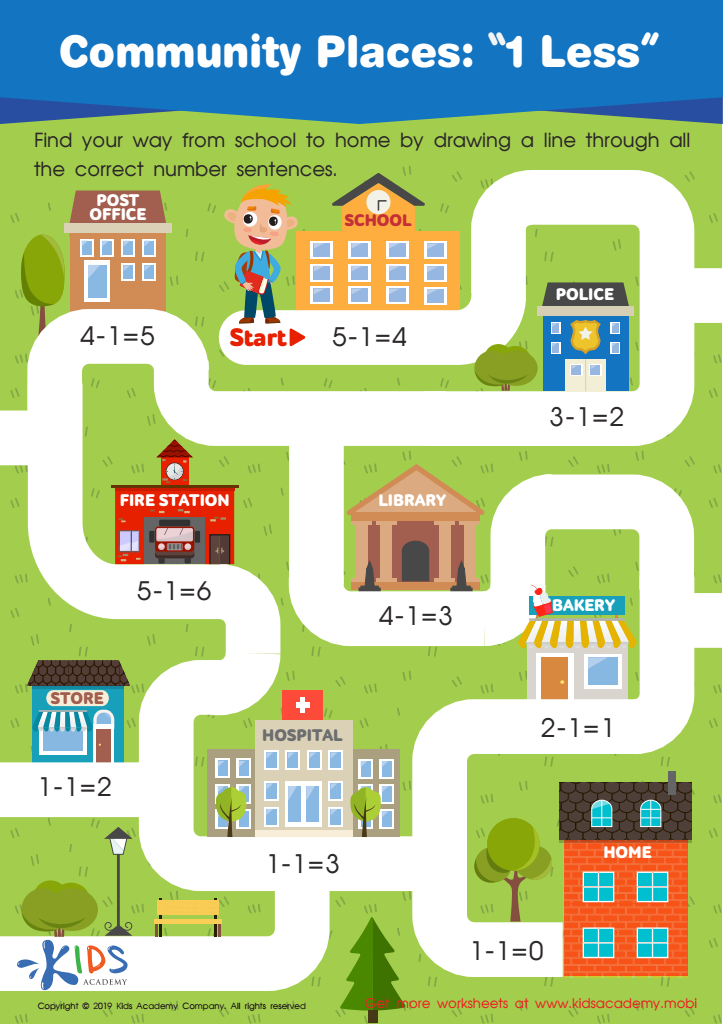
Community Places: 1 Less Worksheet
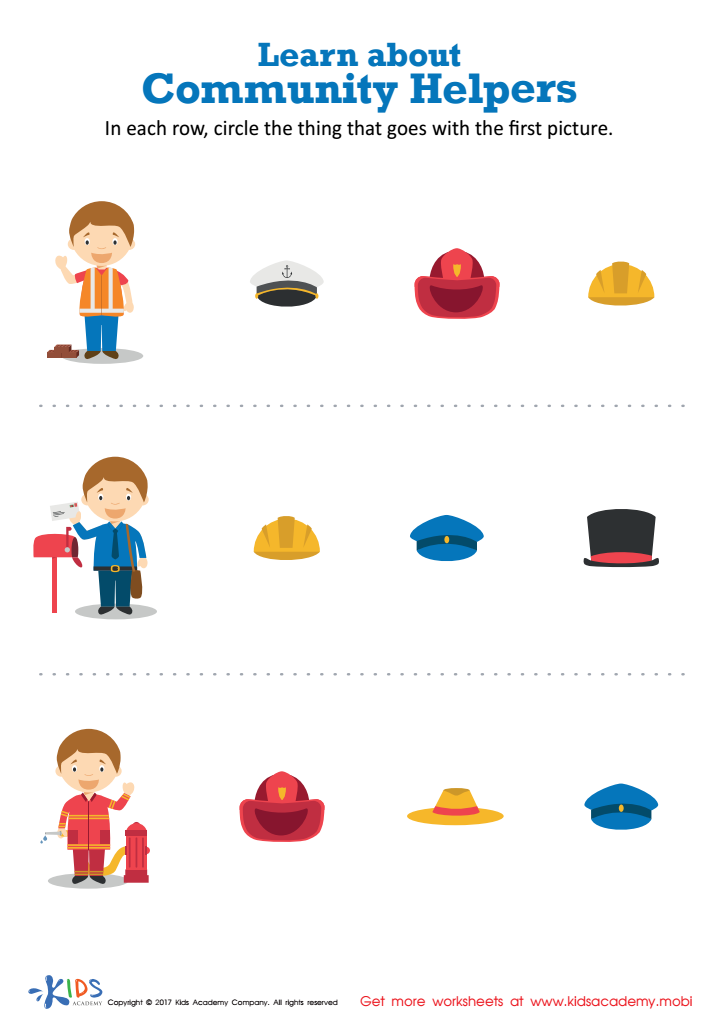
Learn about Community Helpers Printable








Identification skills are critical for children ages 6-9, as they serve as foundational cognitive skills essential for learning and social interaction. During this developmental stage, children are honing their ability to recognize and understand people, objects, letters, numbers, and concepts, which translates directly into their academic progress and daily experiences.
Parents and teachers should be particularly invested in fostering these skills because they support a child's ability to categorize and differentiate between various items or ideas. For instance, strong identification skills help children recognize letters and sounds, which are fundamental for reading proficiency. Furthermore, these skills aid in developing critical thinking and problem-solving abilities by allowing children to make connections and draw conclusions based on observed similarities and differences.
Moreover, identification skills play a significant role in social-emotional learning. Children learn to identify emotions in themselves and others, facilitating better relationships and communication skills. By supporting the development of identification skills, parents and teachers empower children to engage with their environments confidently, leading to a positive educational experience and a robust sense of self. Thus, nurturing these skills early lays the groundwork for lifelong learning and successful interpersonal interactions.








