Improving observational skills Worksheets for Ages 6-9
6 filtered results
-
From - To
Enhance your child's attention to detail with our "Improving Observational Skills Worksheets for Ages 6-9." These engaging printables are designed to strengthen visual perception, critical thinking, and memory. Kids will enjoy finding hidden objects, spotting differences, and completing pattern sequences. Each activity is crafted to be both fun and educational, fostering essential skills that support academic success. Perfect for home or classroom use, our worksheets provide diverse and stimulating challenges that keep young minds sharp and curious. Boost your child’s learning journey with our thoughtfully created observational skills resources, tailored specifically for children aged 6-9.
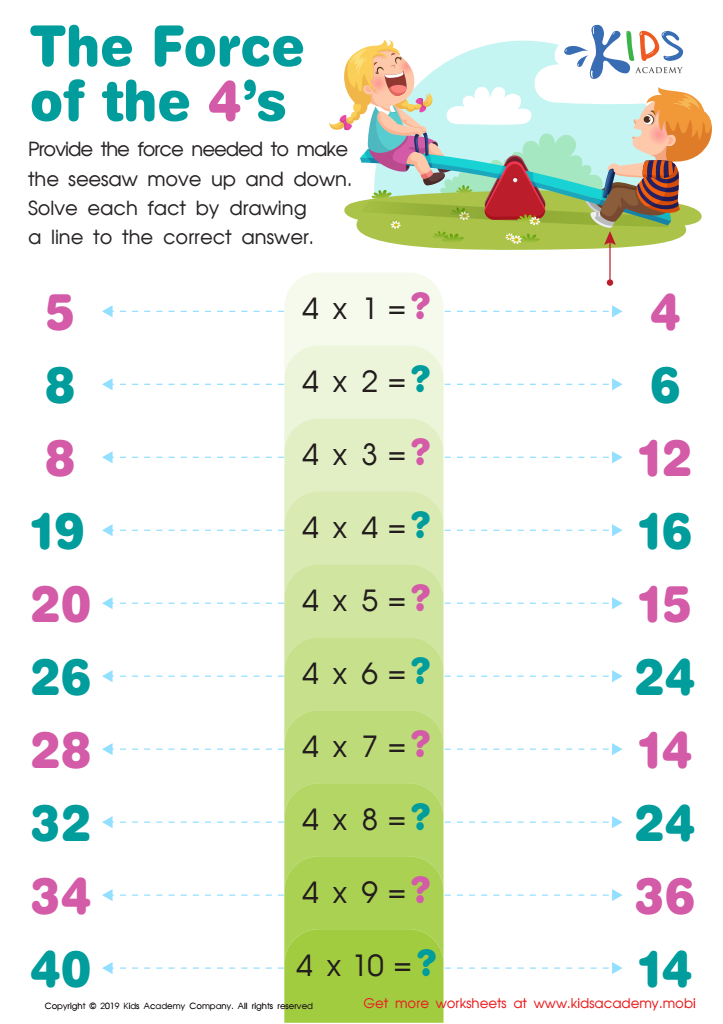
The Force of the 4's Worksheet
 Assign to My Students
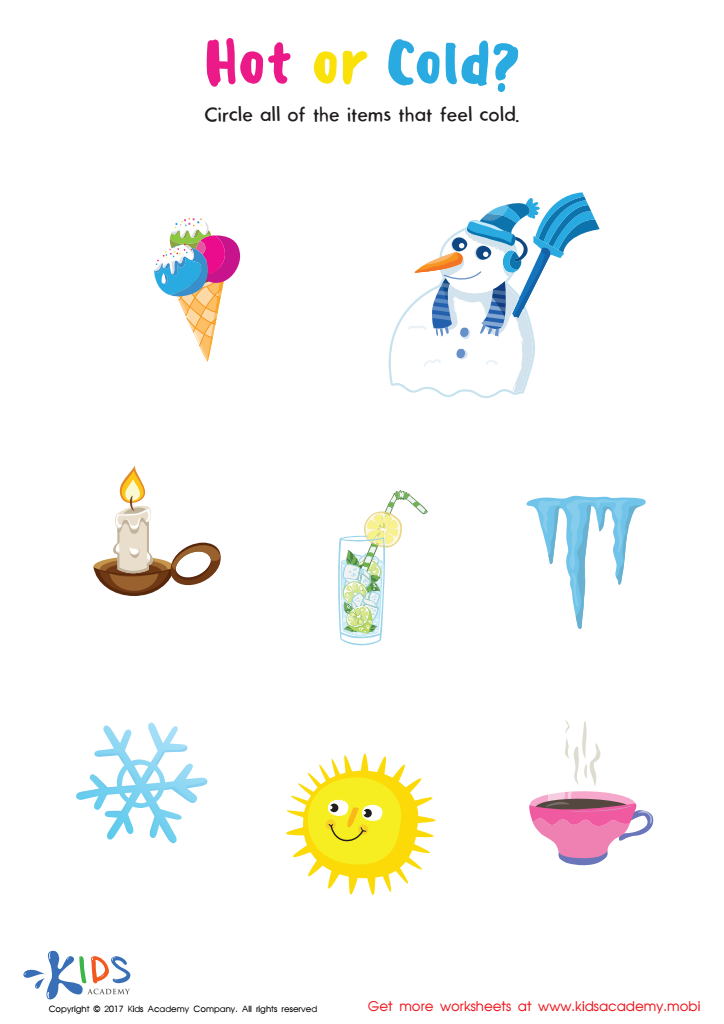
Hot or Cold Printable
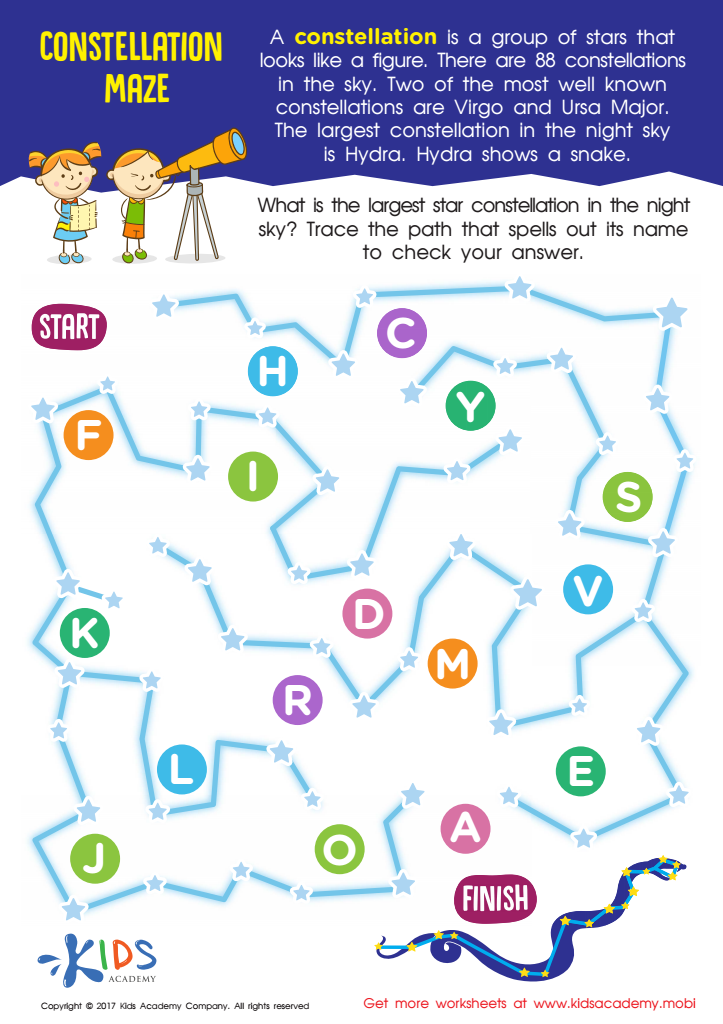
Constellations Worksheet
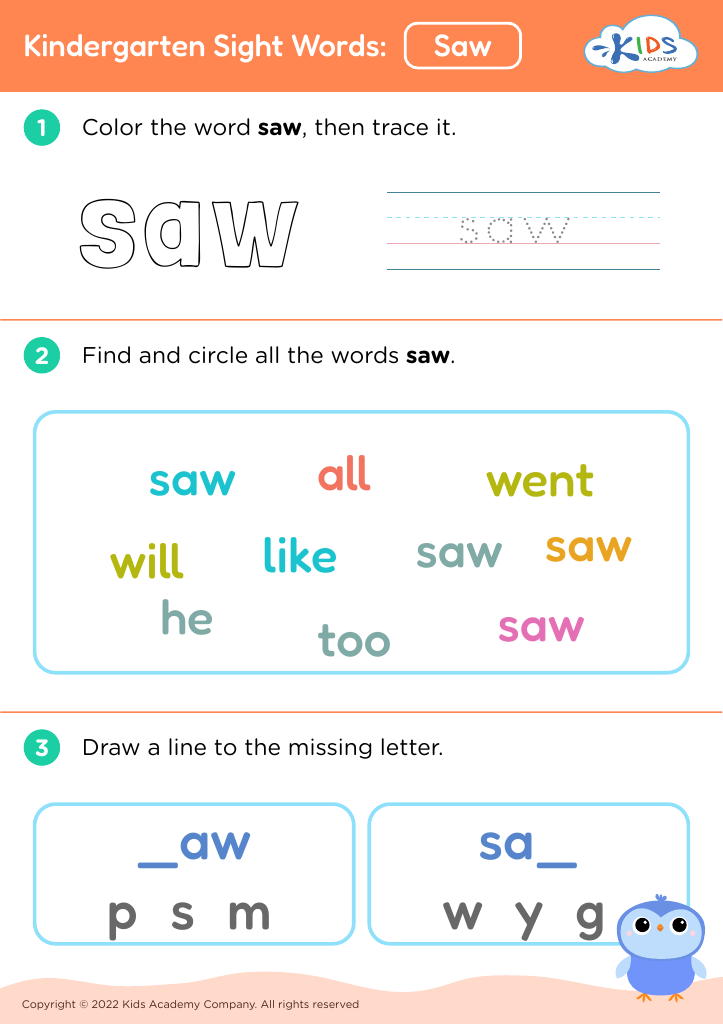





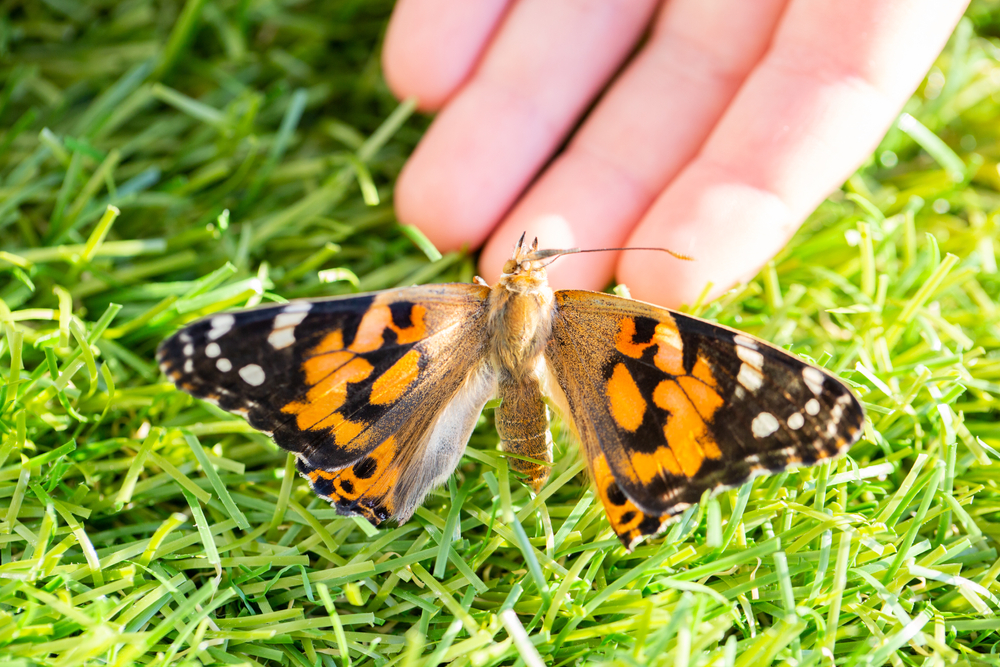

Improving observational skills in children aged 6-9 is crucial for their cognitive development and essential life skills. At this age, children are highly curious and their brains are primed for absorbing information from their surroundings. Enhanced observational skills help them become more attentive, improving their ability to notice details and deepen their understanding of the world. This attentiveness is foundational for academic success, as it aids in reading comprehension, scientific exploration, and problem-solving in mathematics.
Moreover, strong observational skills contribute to better social interactions. When children keenly observe facial expressions, body language, and social cues, they become more empathetic and effective communicators. These skills are vital for forming healthy relationships and collaborating with peers.
In addition, nurturing observational skills fosters creativity and imagination. By observing nuances in their environment, children can draw inspiration for artistic endeavors, storytelling, and creative play, which are essential for emotional expression and well-being.
For parents and teachers, dedicating time to improve these skills can be as simple as encouraging children to describe what they see, engage in nature walks, or participate in observational games. These activities not only boost their observational abilities but also make learning a fun, interactive, and integrated part of their daily lives. Ultimately, investing in the development of observational skills equips children with tools to navigate and appreciate the world more deeply.








