Learning about ecosystems Worksheets for Ages 6-9
5 filtered results
-
From - To
Explore our "Learning about Ecosystems Worksheets" designed for children ages 6-9! These interactive and engaging worksheets help young learners discover the vibrant world of ecosystems, including plants, animals, and their habitats. Featuring activities like matching, drawing, and fill-in-the-blank exercises, these resources cultivate curiosity about environmental science. Perfect for homeschoolers or classroom settings, the worksheets encourage critical thinking and foster a connection to nature. Each activity aligns with educational standards, making learning both fun and effective. Help your child develop a foundational understanding of ecosystems while enjoying hands-on learning! Download and inspire young ecologists today!
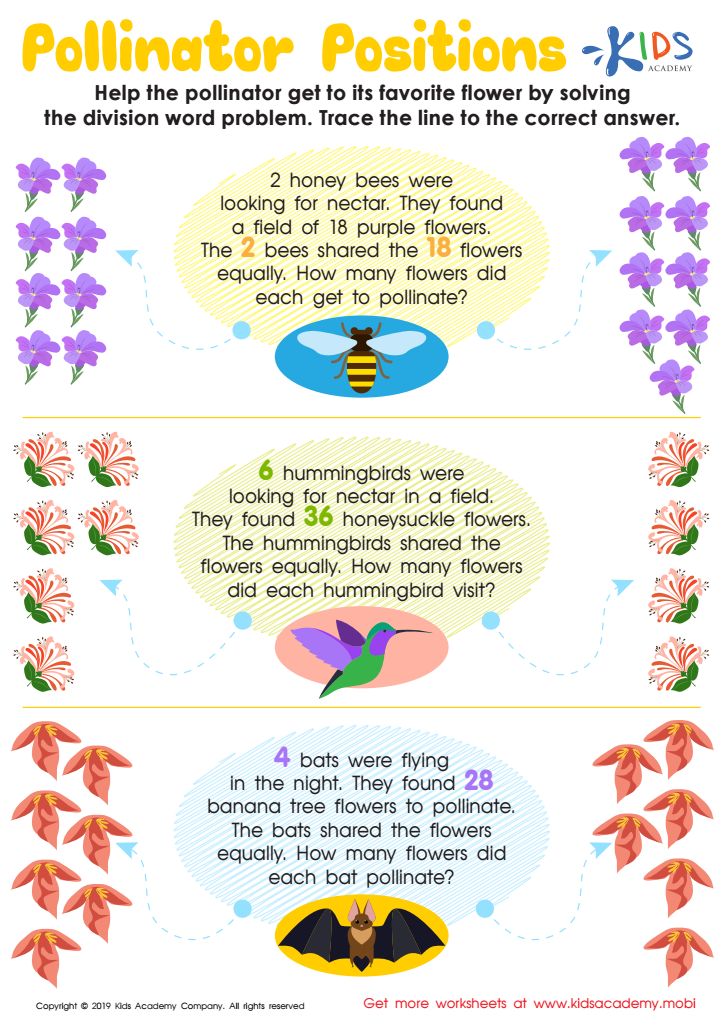
Pollinator Positions Worksheet
 Assign to My Students
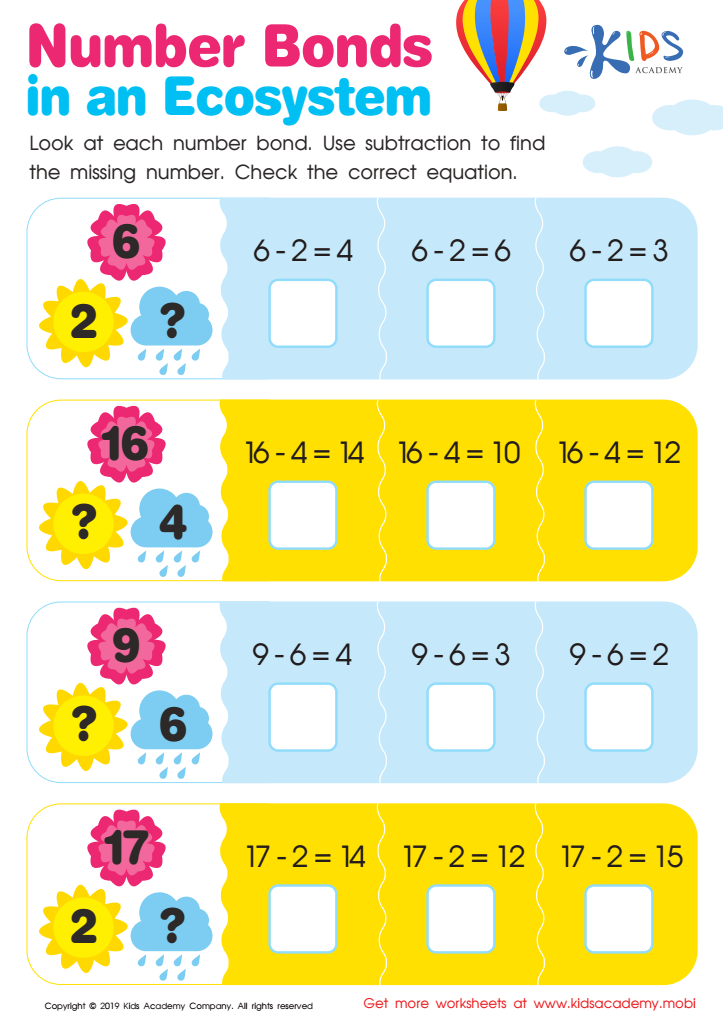
Number Bonds in an Ecosystem Worksheet
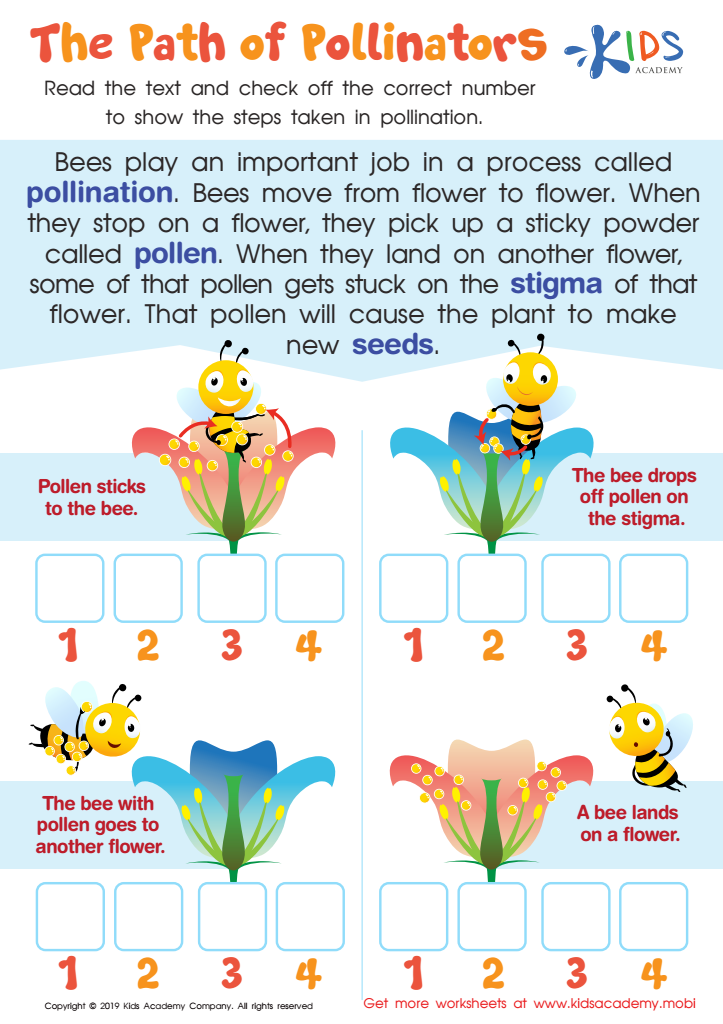
The Path of Pollinators Worksheet
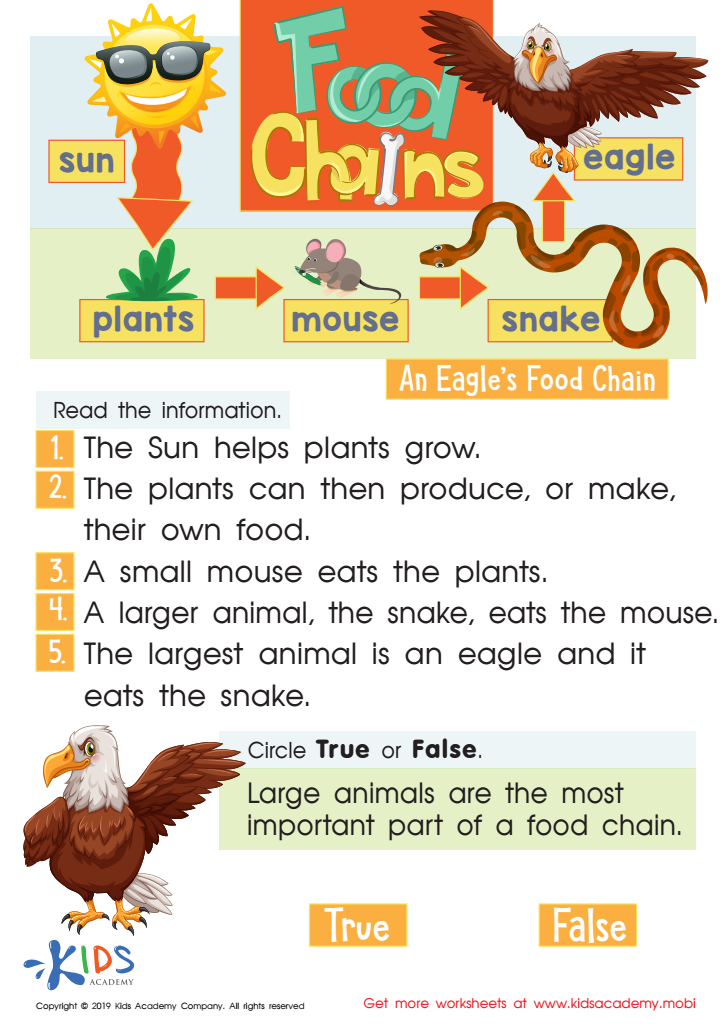
Food Chains Worksheet
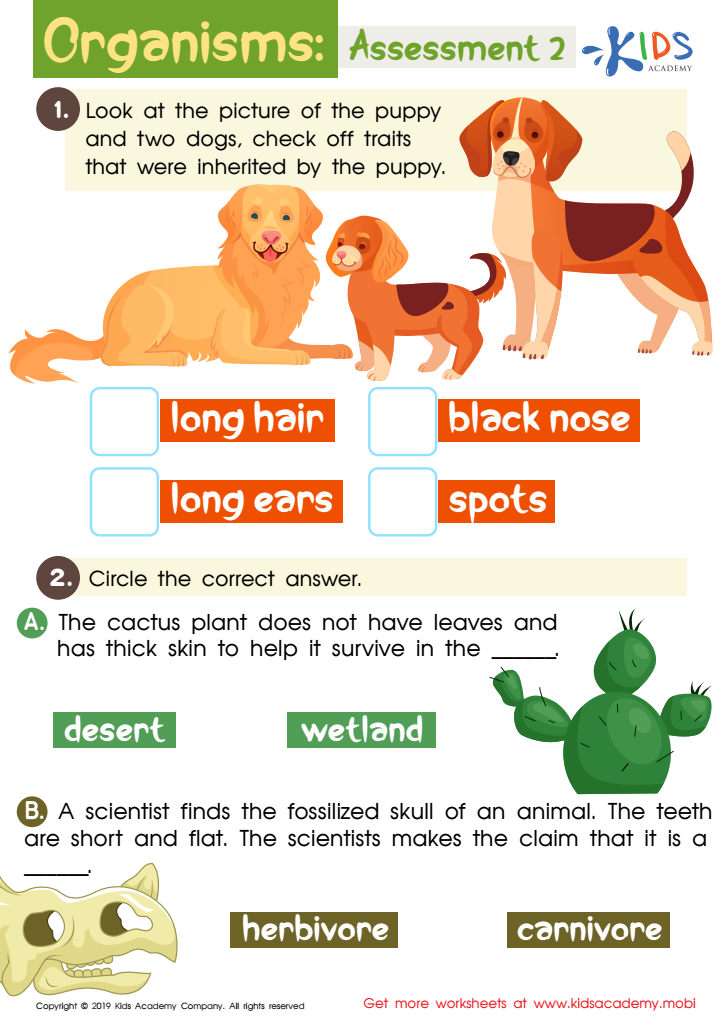
Organisms: Assessment 2 Worksheet






.jpg)

Learning about ecosystems is crucial for children aged 6-9 because it lays the foundation for understanding our natural world. At this age, kids are naturally curious, and exploring ecosystems cultivates this curiosity, helping them appreciate the interconnectedness of all living things. For parents and teachers, encouraging this interest can foster environmental awareness and responsibility, essential traits for developing future stewards of our planet.
By learning about ecosystems, children develop critical thinking skills as they explore concepts like food chains, habitats, and the impact of human actions on the environment. These foundational lessons promote problem-solving abilities as they analyze how changes in one part of an ecosystem can affect others. Additionally, incorporating hands-on activities, such as nature walks or small gardening projects, makes learning engaging and memorable.
Furthermore, understanding ecosystems promotes social-emotional growth, as children learn to observe biodiversity and appreciate different life forms. Through collaboration in group projects, they also develop teamwork and communication skills. Ultimately, teaching young learners about ecosystems instills a sense of wonder and respect for nature, empowering them to become conscious, informed citizens who will contribute positively to the world around them. Investing in this knowledge benefits individuals and the broader community and environment.








