Letter Tracing Worksheets for Ages 6-9
9 filtered results
-
From - To
Our Letter Tracing Worksheets for Ages 6-9 are designed to support young learners in mastering the essential skill of handwriting. Engaging and educational, these worksheets provide structured tracing exercises for each letter of the alphabet, helping children practice precision and develop muscle memory. Perfect for classroom use or at-home learning, these activities foster confidence and fine motor skills while reinforcing letter recognition and phonics. Incorporate our fun, interactive worksheets into your child’s daily routine to inspire a love of writing and set the foundation for academic success. Unlock our expertly crafted resources for an effective and enjoyable learning experience.
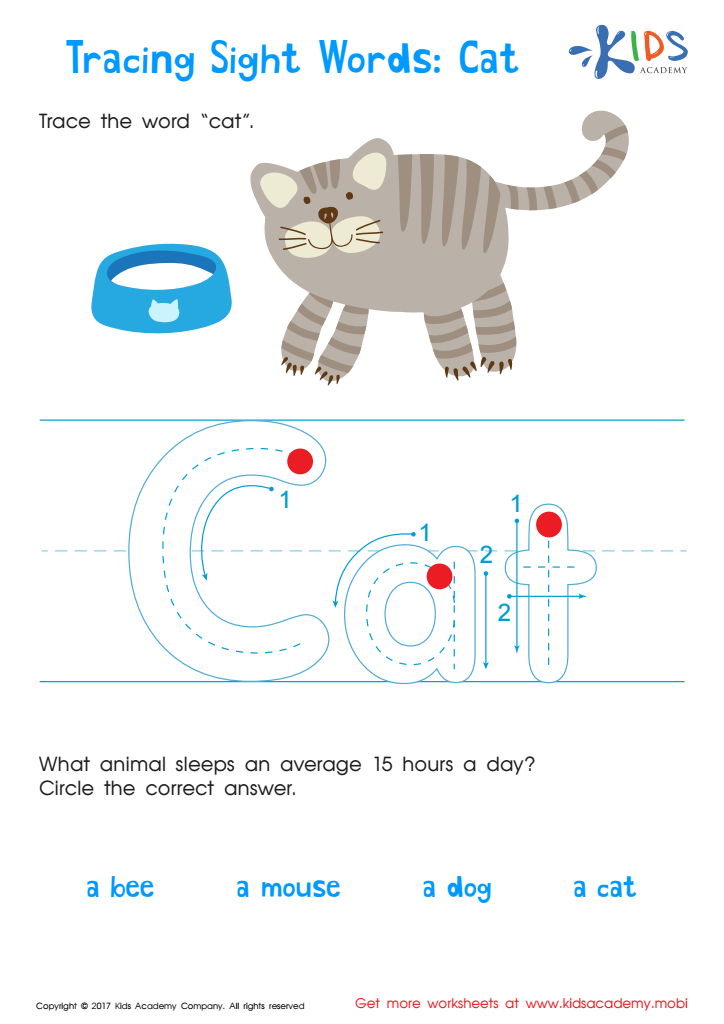
Cat Printable Sight Words Worksheet
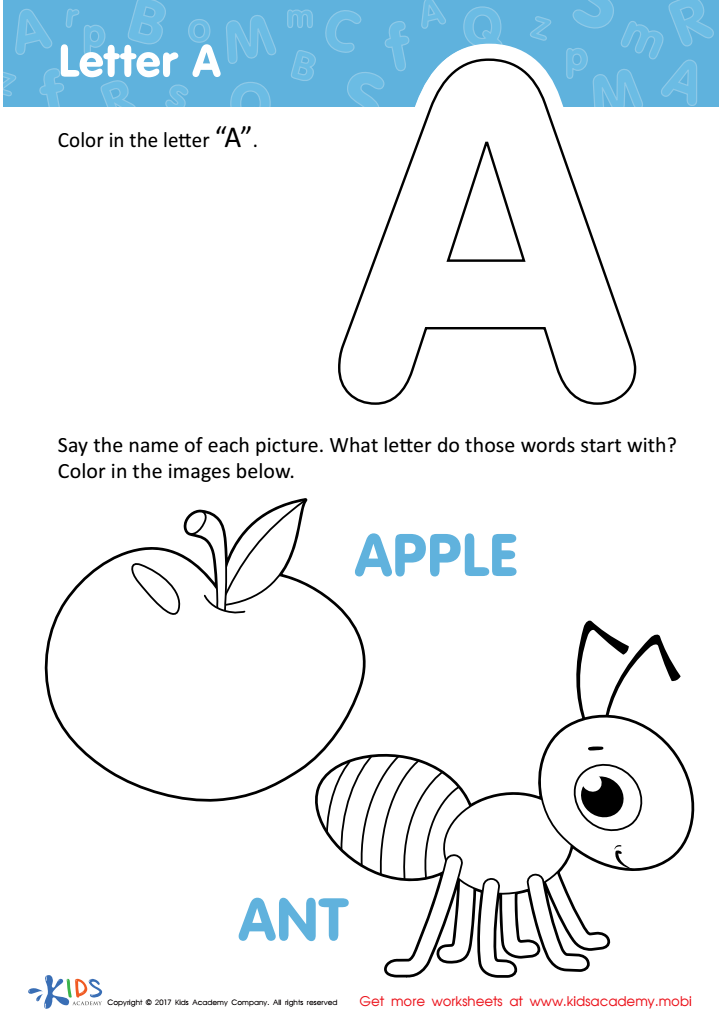
Letter A Coloring Sheet
 Assign to My Students
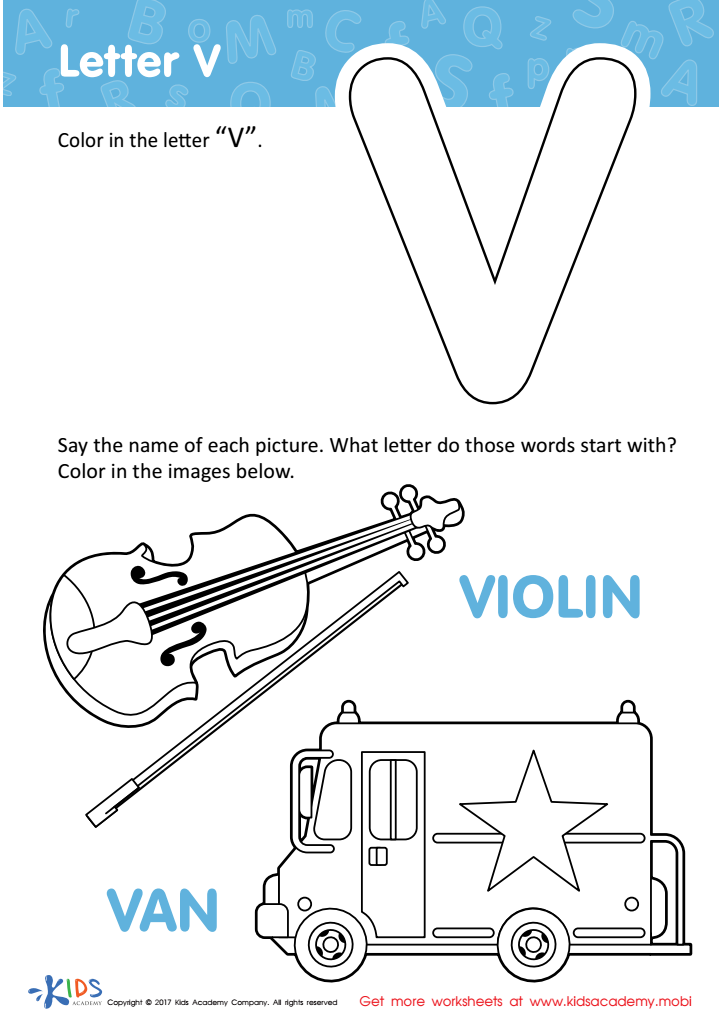
Letter V Coloring Sheet
Assign to My Students
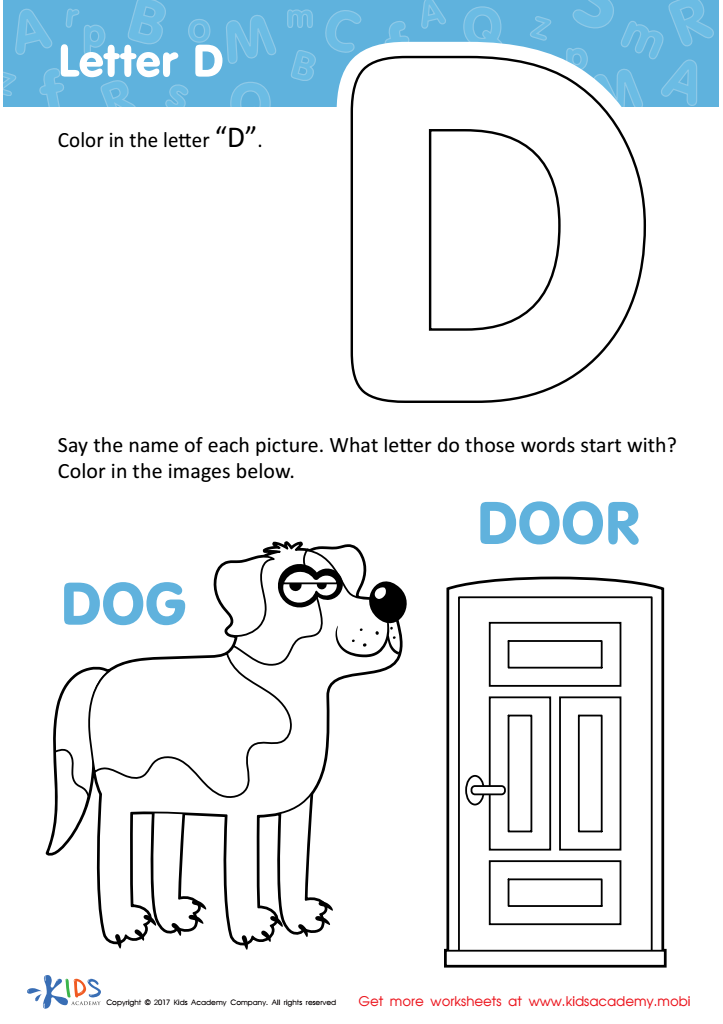
Letter D Coloring Sheet
Assign to My Students
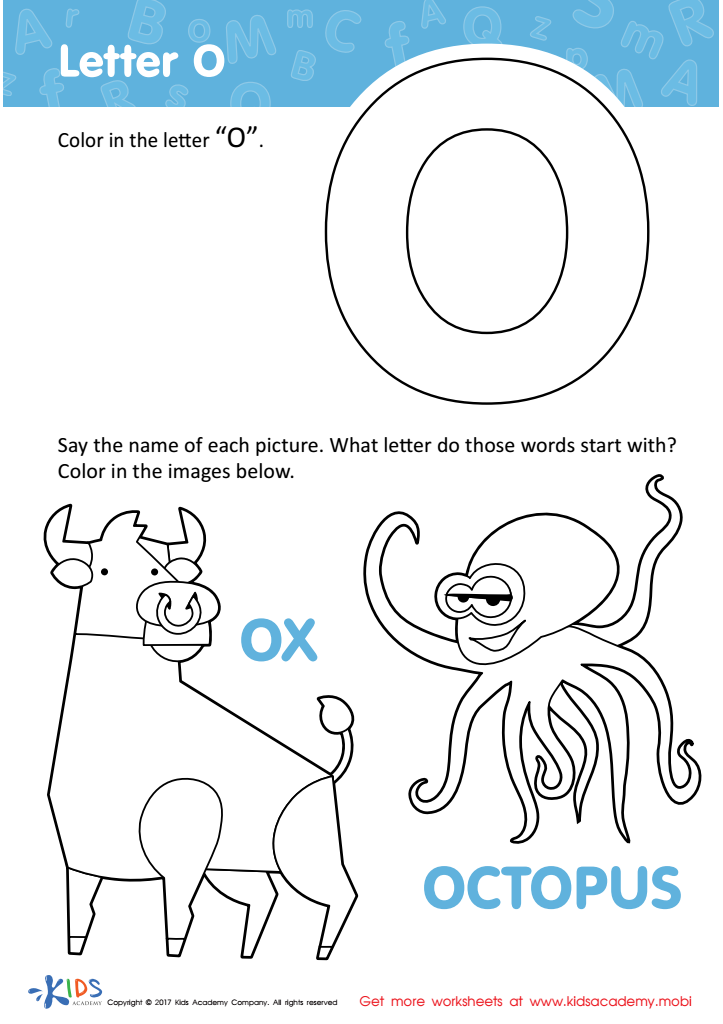
Letter O Coloring Sheet
Assign to My Students
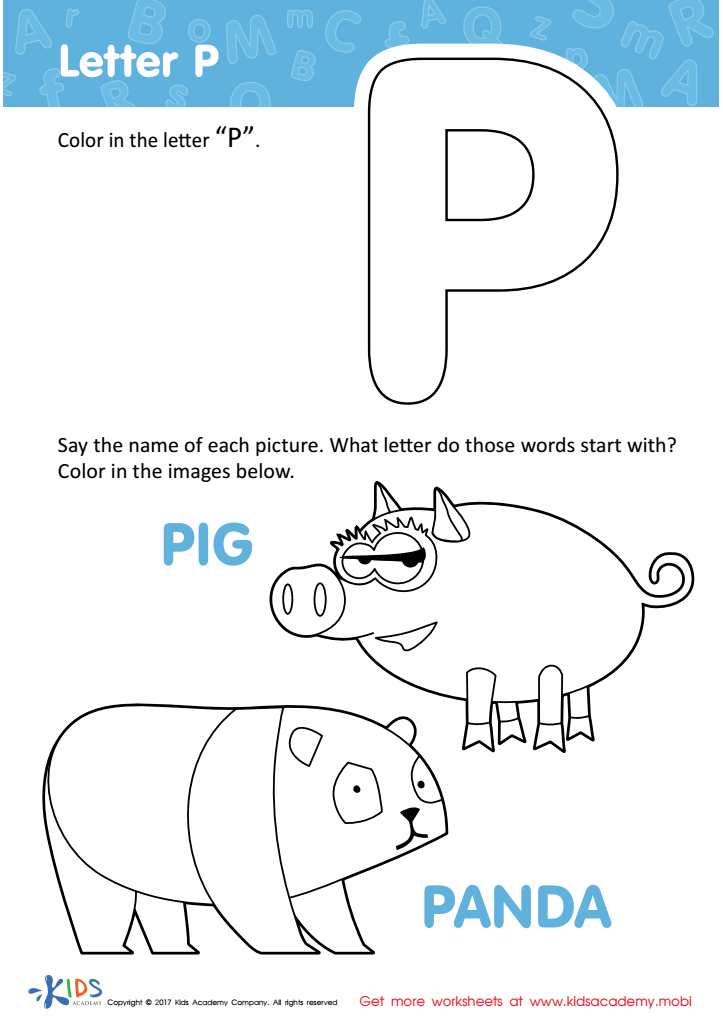
Letter P Coloring Sheet
Assign to My Students
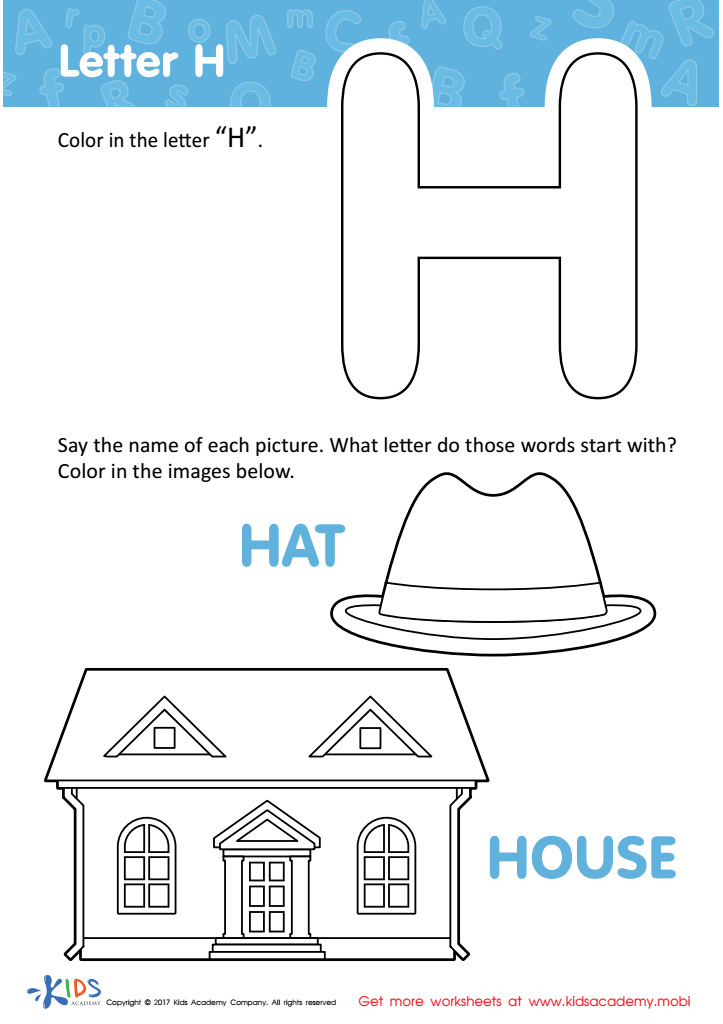
Letter H Coloring Sheet
Assign to My Students
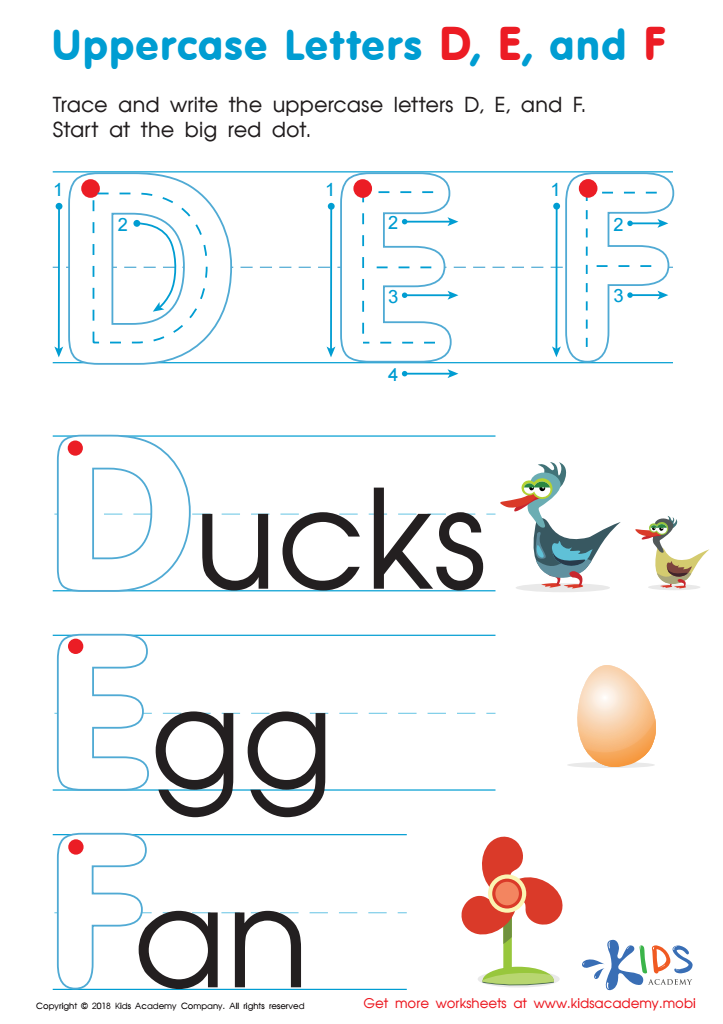
Uppercase Letters D, E, and F Worksheet








Letter tracing for ages 6-9 plays a crucial role in early childhood education, laying the foundation for essential literacy skills. Between these ages, children are in a critical development stage where their fine motor skills, hand-eye coordination, and cognitive abilities are rapidly growing. Engaging in letter tracing activities helps to solidify these skills.
Firstly, letter tracing helps improve fine motor skills necessary for writing. The repetitive motion of tracing letters develops the small muscles in the hands, which is vital for tasks such as writing, drawing, and later, typing. Better control over writing instruments enables kids to write more clearly and legibly.
Secondly, it enhances letter recognition and phonetic understanding. Constant interaction with letters helps children recognize letter shapes and associate them with their sounds, a fundamental step in learning to read.
Additionally, tracing activities promote focus and patience. Completing lines and shapes requires children to pay attention, fostering improved concentration and attention span. These skills are transferable to other academic and personal pursuits, contributing to overall development.
Finally, letter tracing builds confidence in young learners. Mastery over writing letters gives children a sense of achievement and encourages them to keep practicing and improving, establishing a positive attitude towards learning and school.
Overall, letter tracing is more than just a preparatory activity for writing; it's a cornerstone of early literacy that supports multiple aspects of a child's growth and development.








