Filters

32 filtered results

Clear all filters
Favorites
With answer key
Interactive

32 filtered results

Difficulty Level

Grade


Check out this FREE "Logical thinking" Trial Lesson for age 6-9!

Extend Patterns

Favorites
With answer key
Interactive
  • 6-9
  • Logical thinking
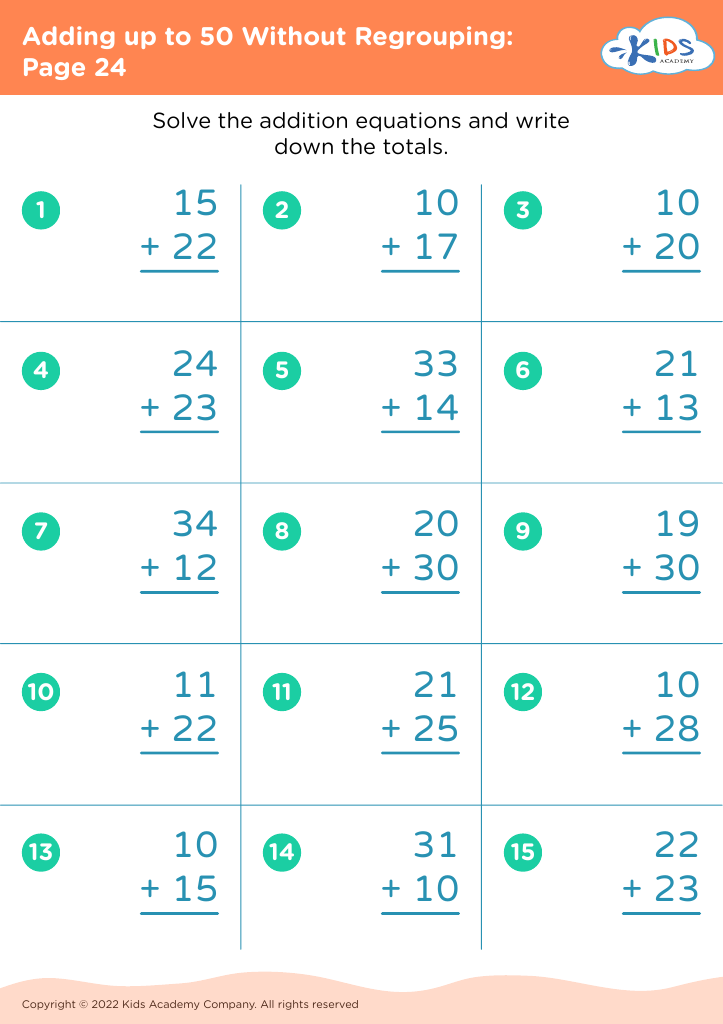
Adding up to 50 Without Regrouping: Page 24
Worksheet
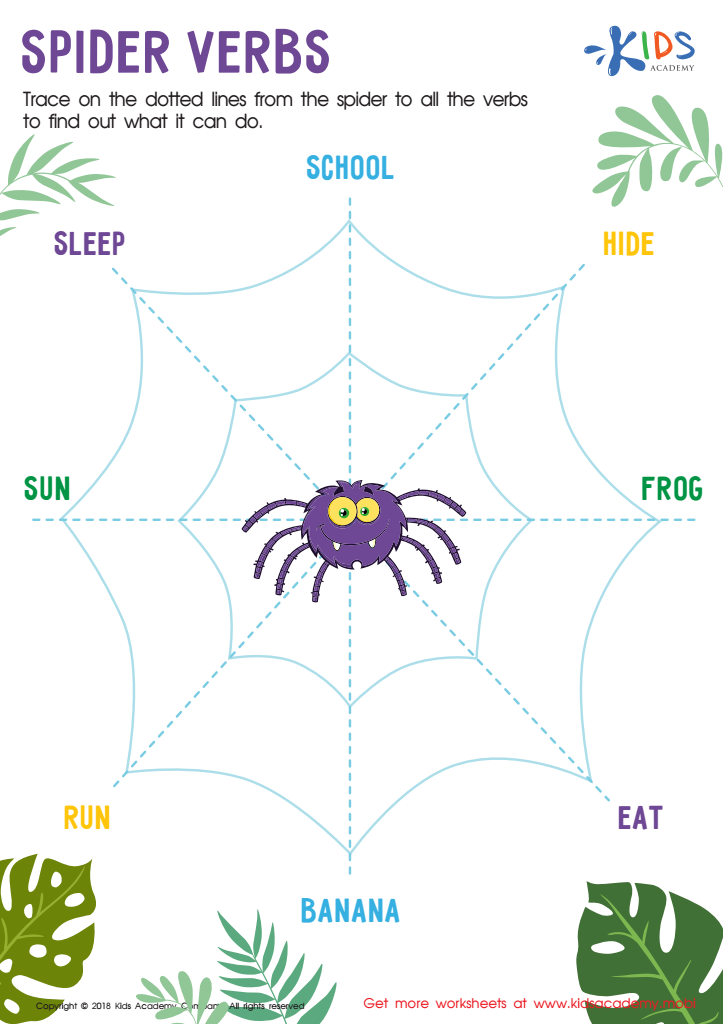
Spider Verbs Worksheet

Spider Verbs Worksheet

Verbs are action words. Examples: run, play, talk. Show your child this tracing sheet for them to learn about verbs. Ask them to trace the dotted lines from the spider to the words that are verbs. These words are what the spider can do.
Spider Verbs Worksheet
Worksheet
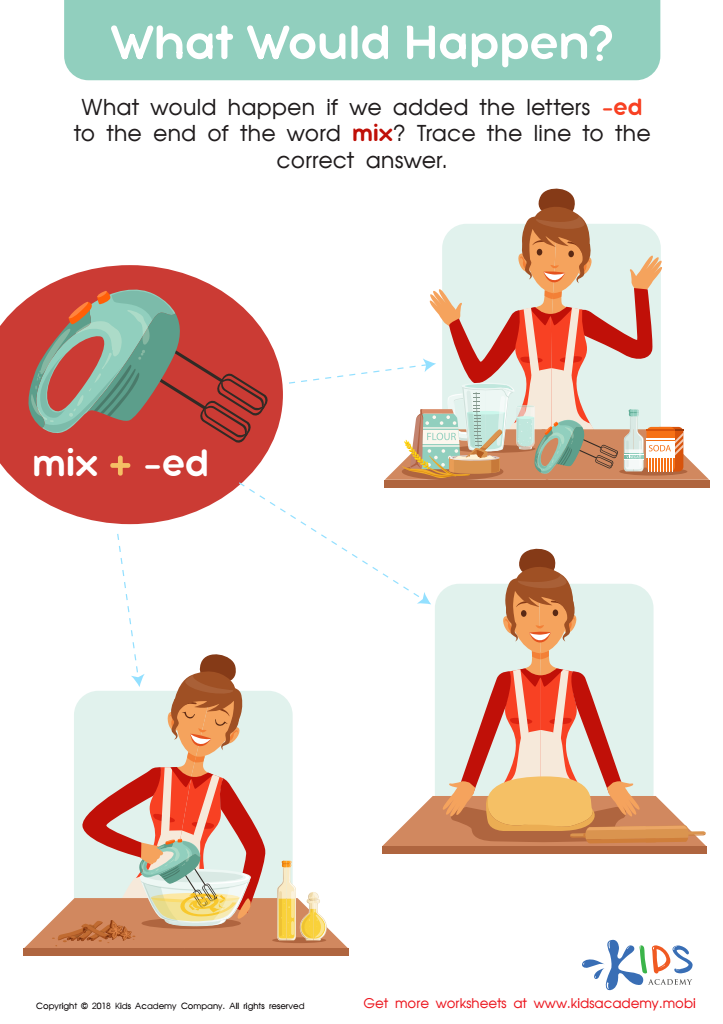
What Would Happen? Worksheet

What Would Happen? Worksheet

Are your kids struggling with tenses? Use this worksheet to help them. See what they know by asking them to add '-ed' to the end of 'mix'. Guide them through the tracing sheet as they look for the correct answer.
What Would Happen? Worksheet
Worksheet
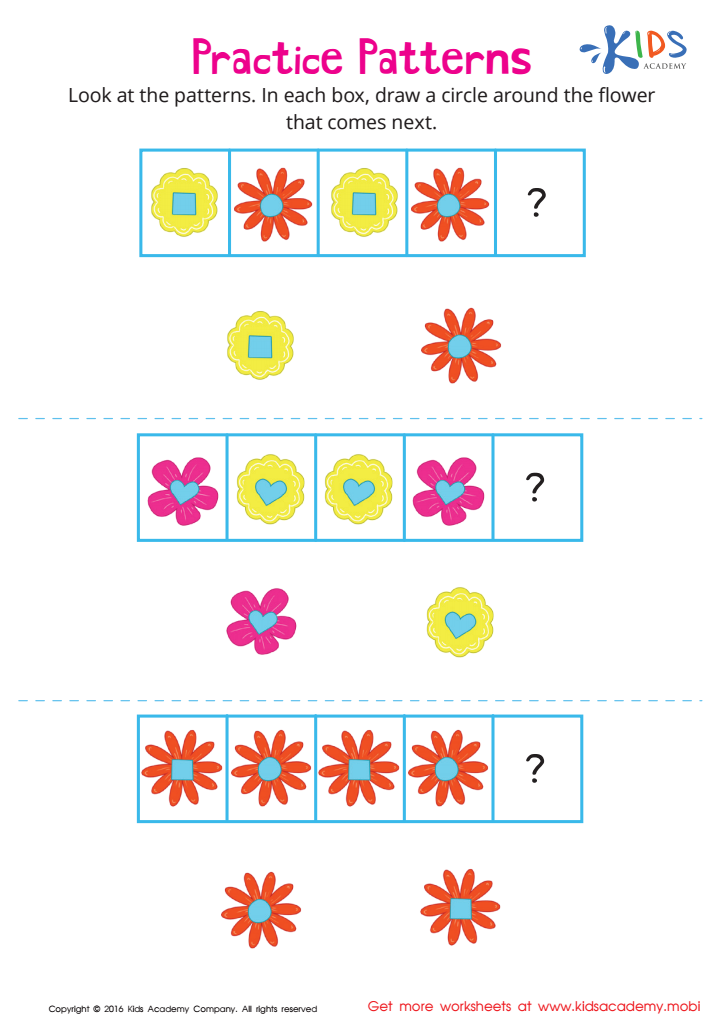
Pattern Recognition Worksheet

Practice Patterns Worksheet

Practice Patterns Worksheet
Worksheet
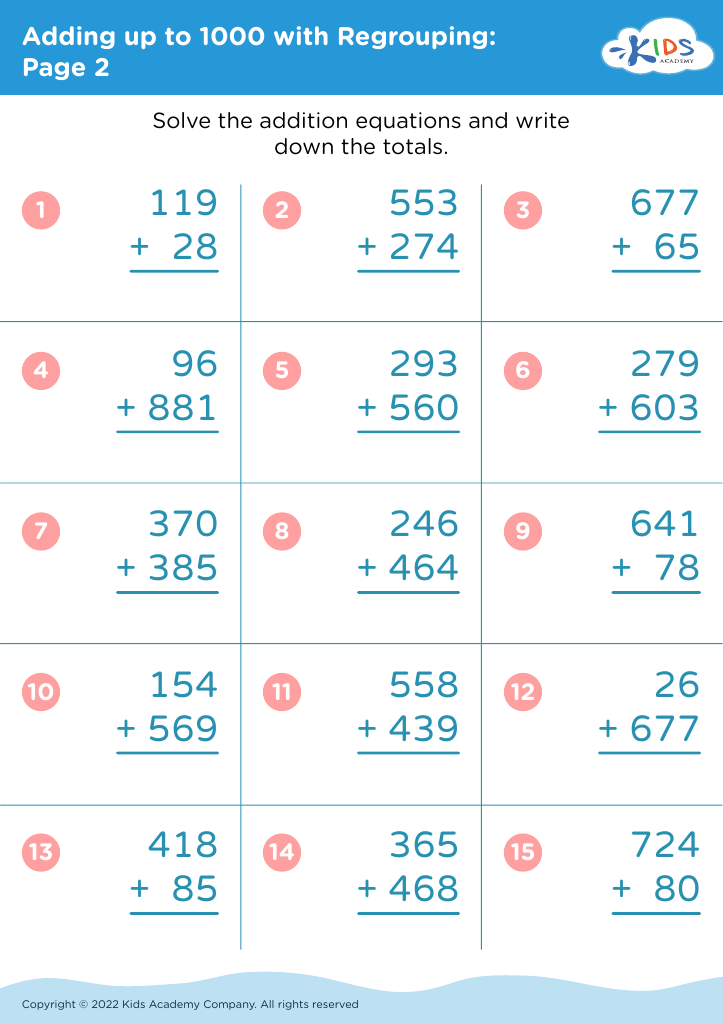
Adding up to 1000 with Regrouping: Page 2
Worksheet
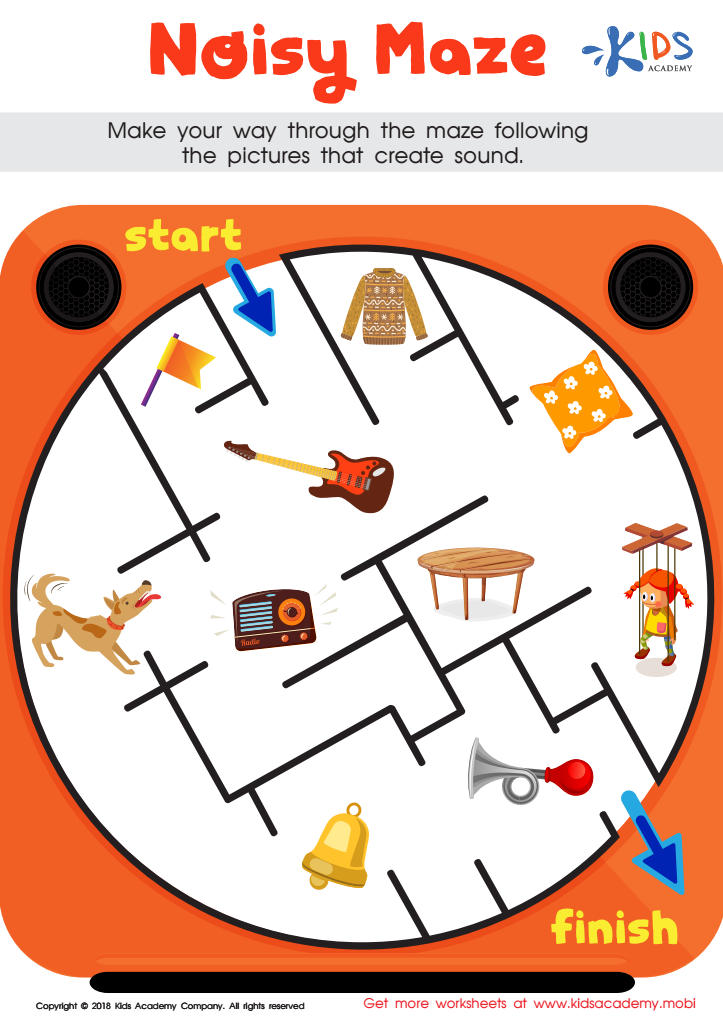
Noisy Maze Worksheet


Noisy Maze Worksheet

Have your kids name some objects that make noise? Then, look at the worksheet with them and help them identify each object. Guide them through the maze, following the sound-producing pictures.
Noisy Maze Worksheet
Worksheet
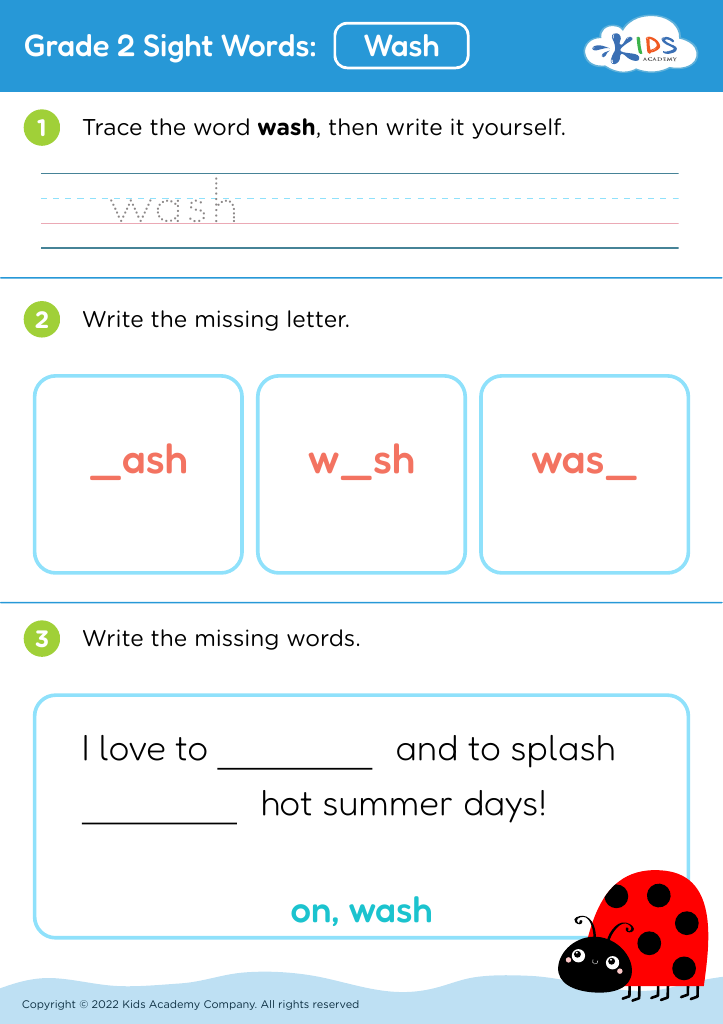
Grade 2 Sight Words: Wash

Grade 2 Sight Words: Wash

Grade 2 Sight Words: Wash
Worksheet
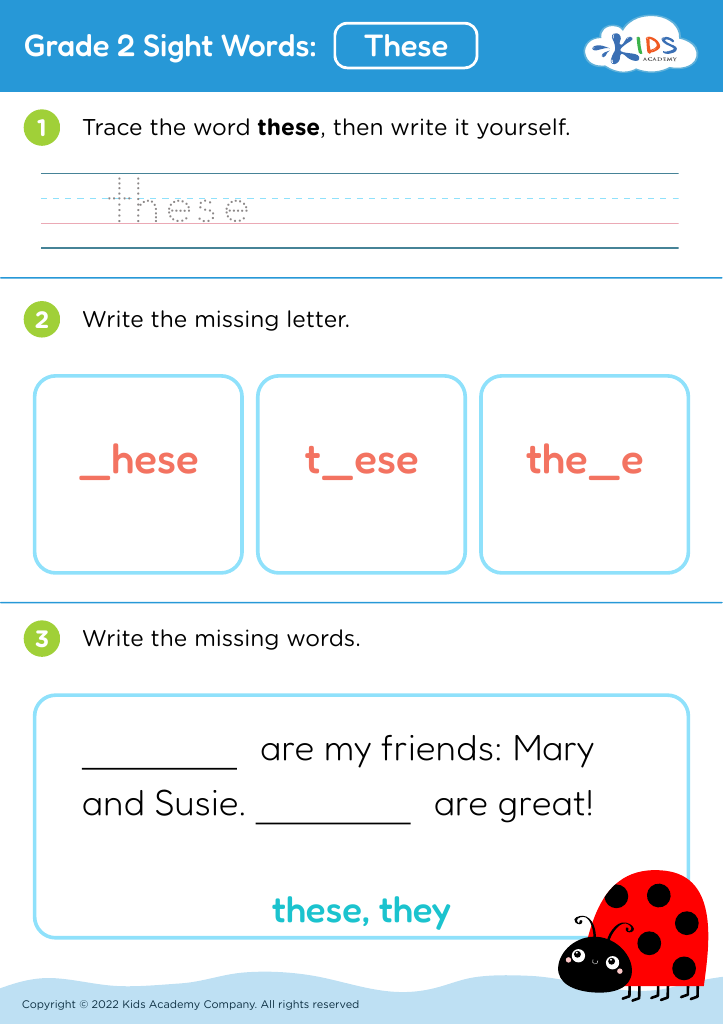
Grade 2 Sight Words: These

Grade 2 Sight Words: These

Grade 2 Sight Words: These
Worksheet


Logical thinking is a critical skill for children ages 6 to 9 as it lays the foundation for problem-solving, decision-making, and critical analysis. At this age, children begin to refine their reasoning abilities, allowing them to understand cause and effect, recognize patterns, and engage in more complex thought processes. Encouraging logical thinking helps children develop a sense of independence and boosts their confidence when tackling challenges.

For parents and teachers, fostering logical thinking can greatly enhance academic performance. Subjects like mathematics, science, and even language arts benefit from a strong logical foundation. Children learn to approach problems systematically and think critically about the information presented to them.

Moreover, logical thinking nurtures creativity, as it encourages children to explore various solutions to a problem and analyze the outcomes. This skill also enhances social interactions; children can better understand different viewpoints, leading to improved communication and collaboration with peers.

Investing time in developing logical thinking in children prepares them not just for school, but for life—equipping them with essential tools to navigate an increasingly complex world. Ultimately, supporting children in honing their logical thinking is fundamental to their overall growth and future success.