Numerical comparisons Worksheets for Ages 6-9
3 filtered results
-
From - To
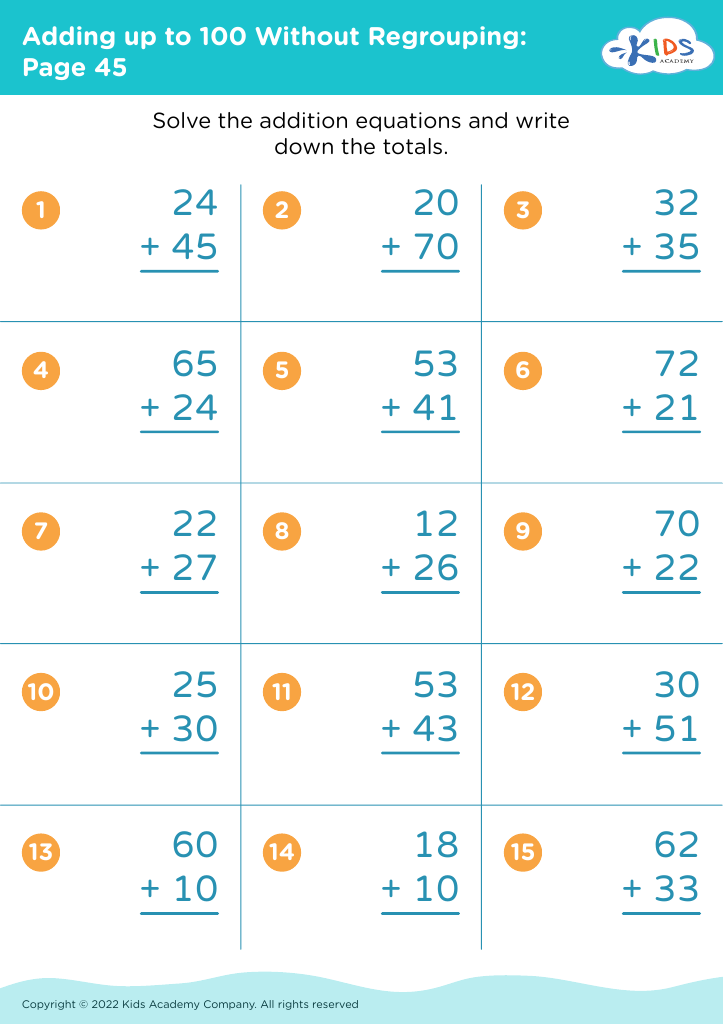
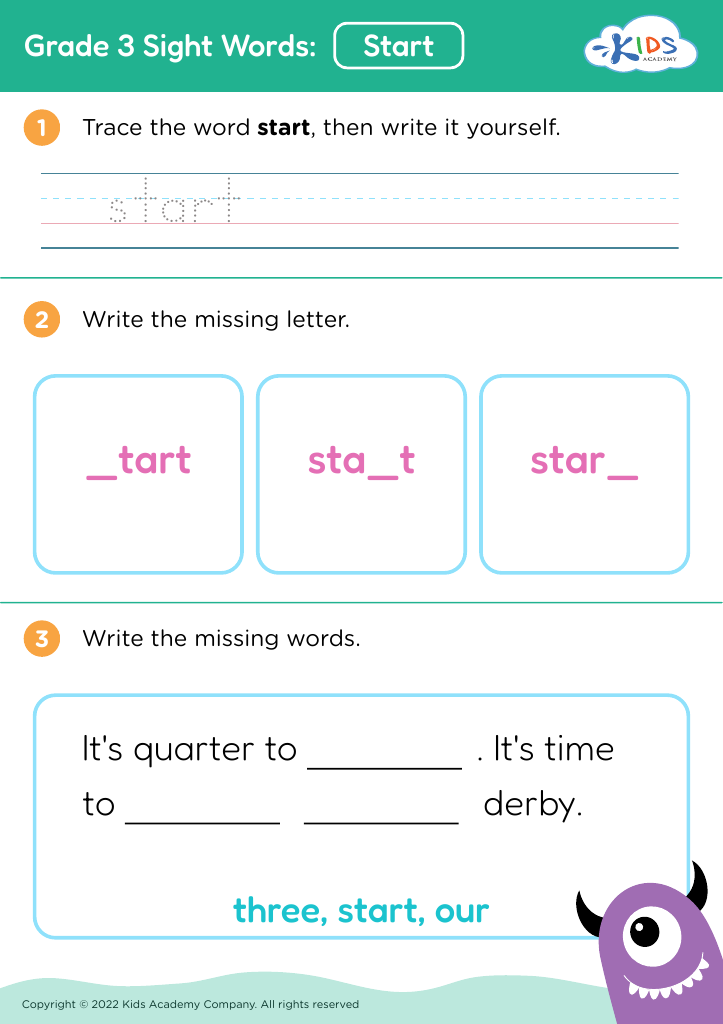
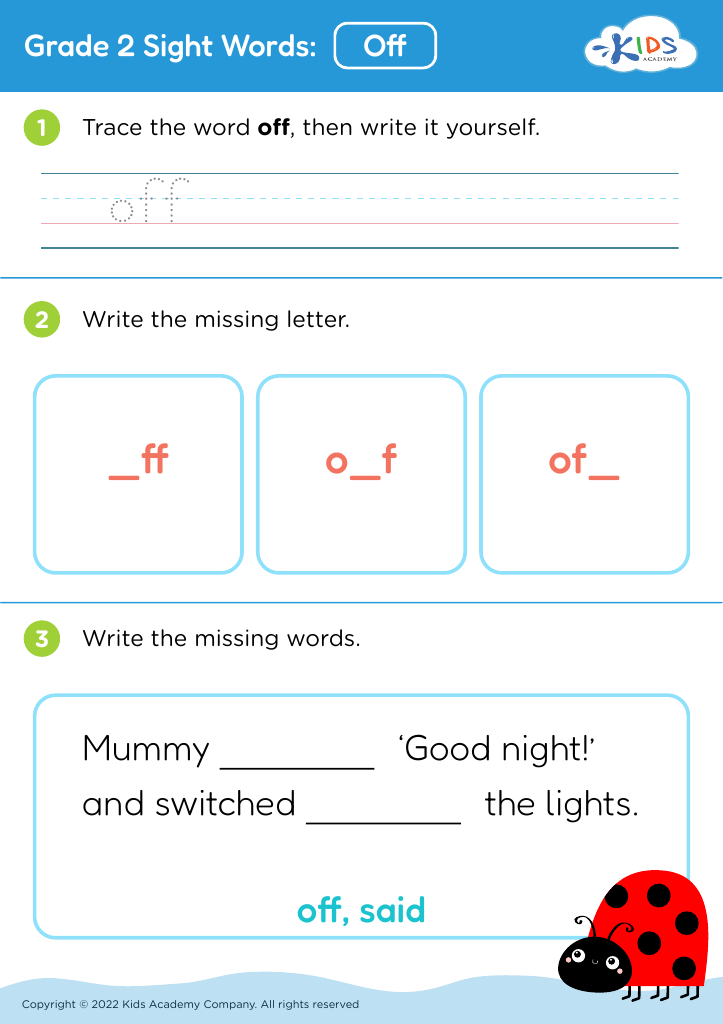
Explore our engaging Numerical Comparisons Worksheets tailored for children aged 6-9! These worksheets are designed to help young learners develop essential math skills through fun and interactive activities. Students will compare numbers, understand greater than or less than concepts, and enhance their critical thinking abilities. Our sheets are visually appealing and easily accessible, making math enjoyable for all children. Whether used in classrooms or at home, these worksheets provide valuable practice that fosters confidence in numerical comparisons. Join us in making learning a joyful adventure with our printable resources that support early math education!








Numerical comparisons are essential for children aged 6-9 as they lay the foundation for critical mathematical skills and logical reasoning. During these formative years, children start to develop their understanding of quantities, sizes, and relationships between numbers. By engaging in numerical comparisons, they learn to differentiate between greater than, less than, and equal, which are fundamental concepts in mathematics.
Understanding numerical comparisons aids in problem-solving abilities. It helps children make sense of situations and enables them to approach real-life scenarios—such as budgeting or measuring—more critically. For parents and teachers, fostering these skills contributes to a child’s confidence and competence in mathematics, setting the tone for future learning.
Additionally, numerical comparisons are integrated into various subjects, influencing success in science and economics as they progress in education. Encouraging discussions around comparisons can enhance cognitive engagement, improving both verbal skills and mathematical reasoning.
Ultimately, supporting children in developing strong numerical comparison skills at a young age equips them with vital tools for academic achievement and daily life, encouraging a positive attitude towards mathematics in their educational journey.








