
Numerical problem solving Worksheets for Ages 6-9
6 filtered results
Difficulty Level
Grade
Age
-
From - To
Subject
Activity
Standards
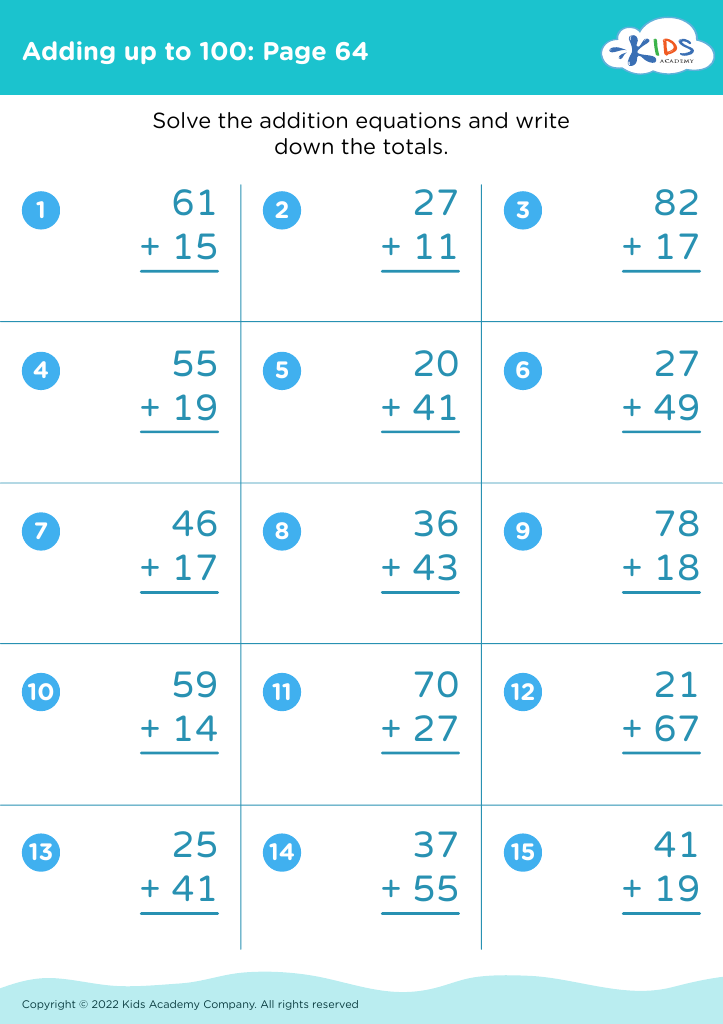
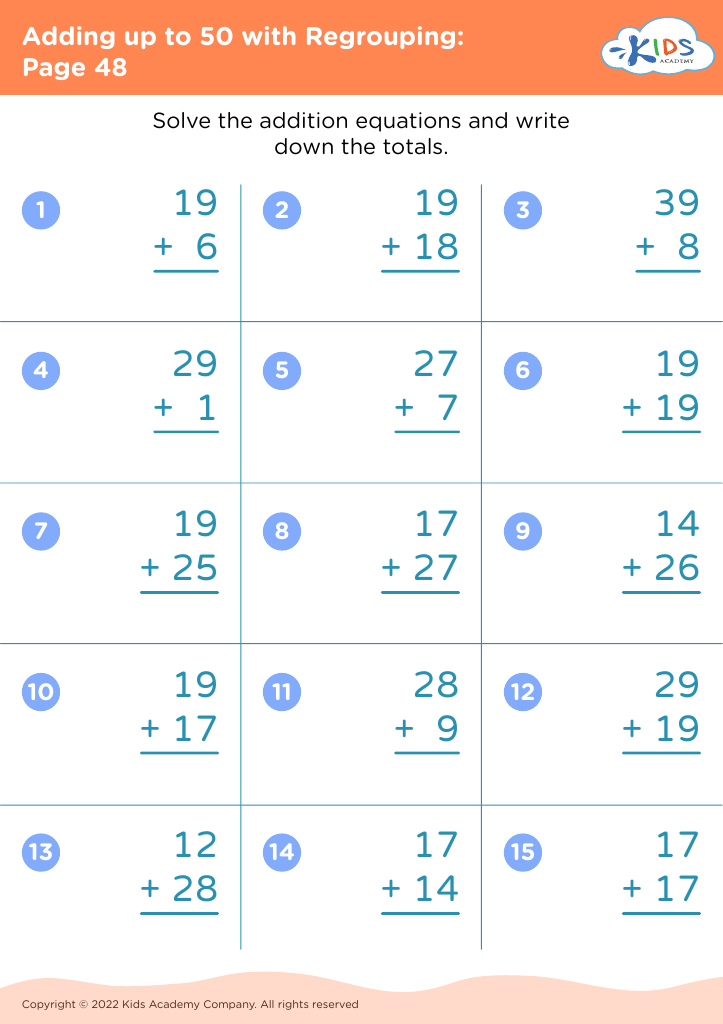
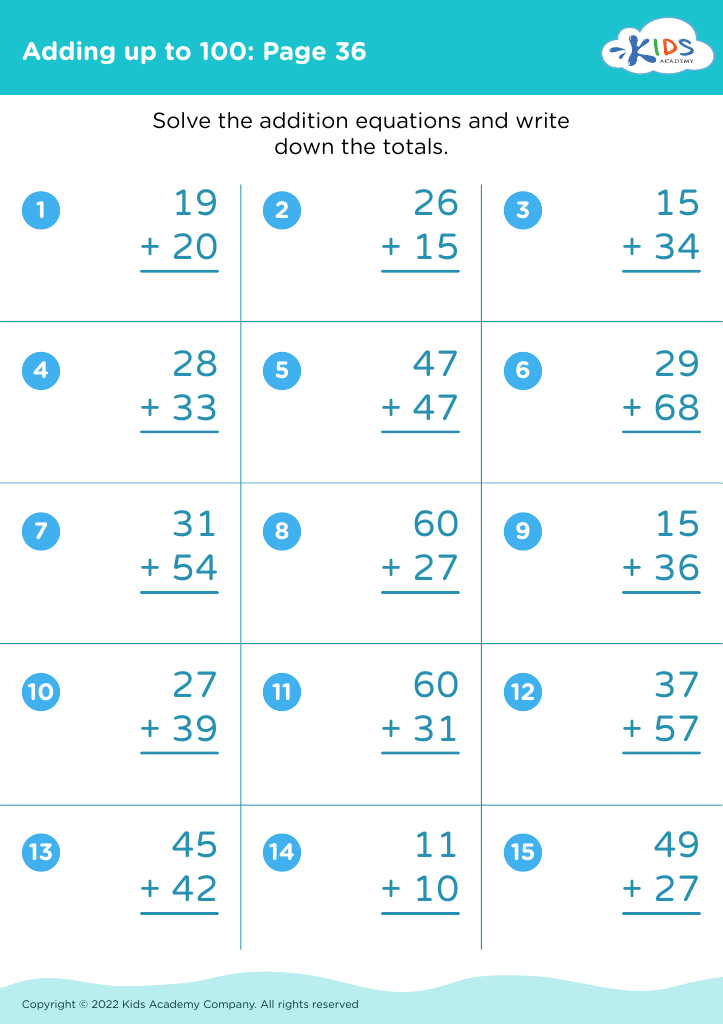
Unlock your child's potential with our Numerical Problem Solving Worksheets for ages 6-9. These engaging activities are designed to enhance math skills, critical thinking, and analytical abilities. Perfect for young learners, our worksheets cover addition, subtraction, multiplication, division, and word problems, providing a comprehensive learning experience. With colorful illustrations and age-appropriate challenges, our resources make math both fun and educational. Tailored to meet various learning levels, these worksheets are ideal for home or classroom use. Empower your child to excel in math through practical problem-solving exercises. Discover the joy of learning numbers with our expertly crafted worksheets today!
Favorites
With answer key
Interactive
Join Kids Academy for Free
Who is primarily going to use this learning content?







Numerical problem-solving skills are essential for children aged 6-9 because these capabilities lay the foundation for critical thinking and future academic success. At this pivotal age, children are via engaging with mathematical concepts in a practical and relatable way. Introduction to numerical problem-solving helps refine their logical reasoning, which is vital for subjects beyond math, including science, technology, and even literacy.
For parents, nurturing these skills means fostering their child's intellectual growth and boosting their confidence in handling day-to-day mathematical tasks, such as counting money or telling time. As children begin to understand basic arithmetic operations, they are equipped to tackle real-life challenges, enhancing their problem-solving abilities and preparing them for more advanced concepts.
For teachers, integrating numerical problem-solving into the curriculum helps adhere to educational standards and ensures students develop necessary competencies early on. Interactive and stimulating problem-solving activities encourage a positive attitude towards learning math, diminishing math-related anxieties. This early exposure is crucial because students who are confident in their math skills are more likely to participate actively in class and perform well academically.
Ultimately, focusing on numerical problem-solving at a young age establishes a strong mathematical foundation, instilling a lifelong skill set that paves the way for both personal and academic growth.








