Reading analog clocks Worksheets for Ages 6-9
9 filtered results
-
From - To
Explore our engaging collection of reading analog clocks worksheets designed specifically for children aged 6-9. These worksheets will help your students master telling time with both hour and minute hands through fun, interactive exercises. Each printable worksheet offers vibrant illustrations and clear instructions, making learning enjoyable and effective. With activities such as matching, drawing clock hands, and answering time-related questions, kids will build essential time-telling skills. Tailored to various learning styles, these resources facilitate classroom or at-home practice. Download our free worksheets today and watch your child's confidence in reading analog clocks grow! Perfect for early grade learners!
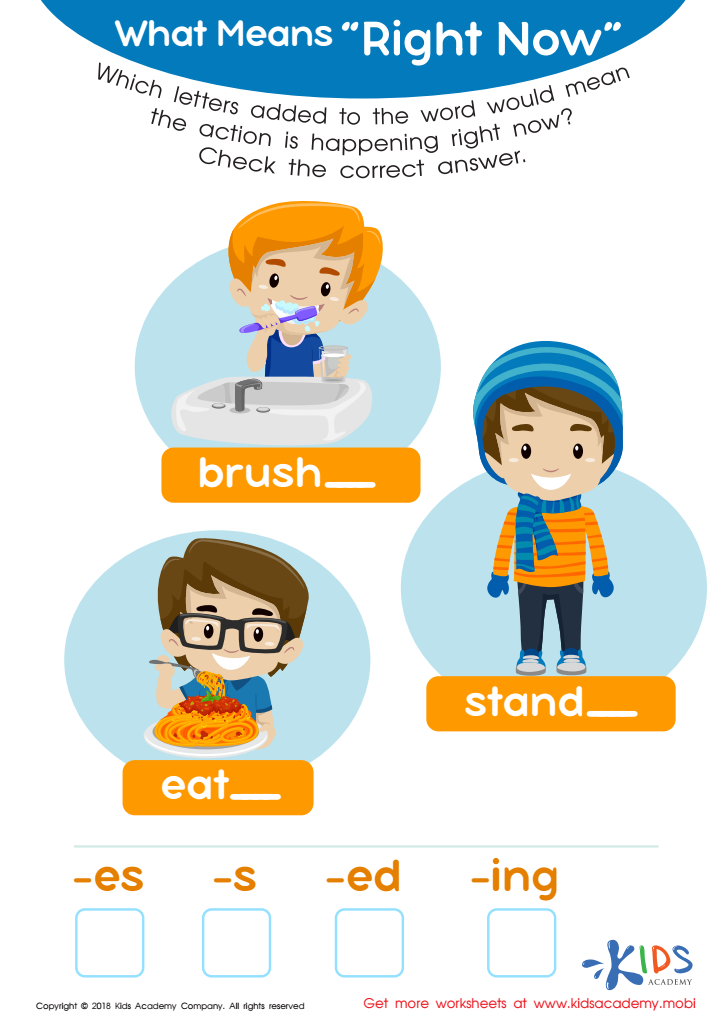
What Means "Right Now" Worksheet
 Assign to My Students
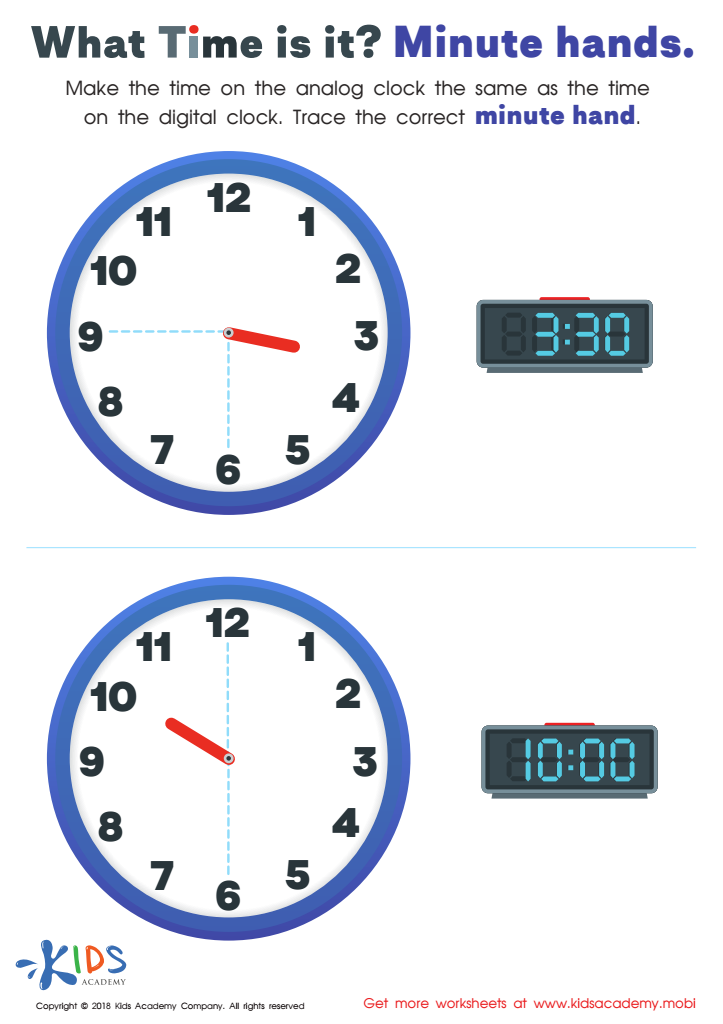
What Time Is it? Minute Hands Worksheet
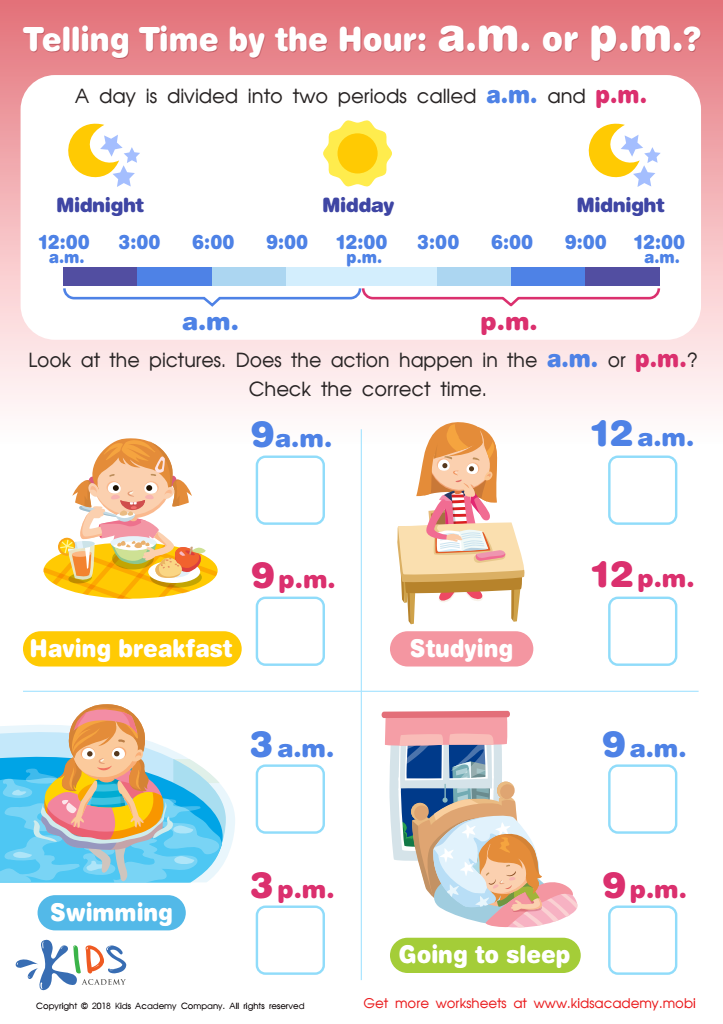
Tilling Time by the Hour: a.m. or p.m.? Worksheet
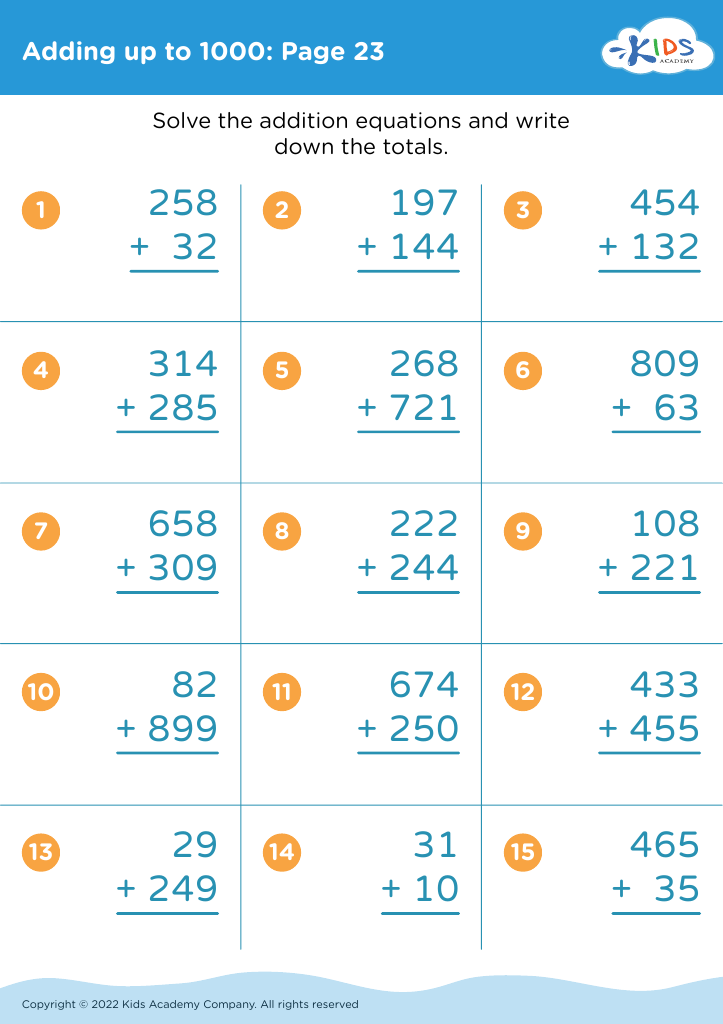
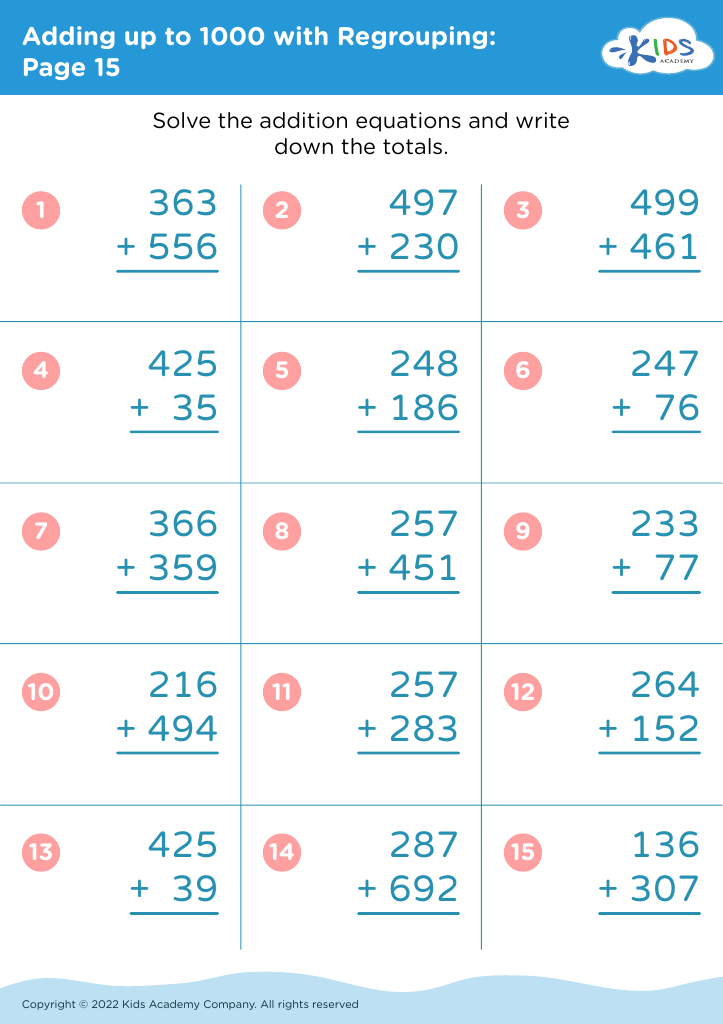
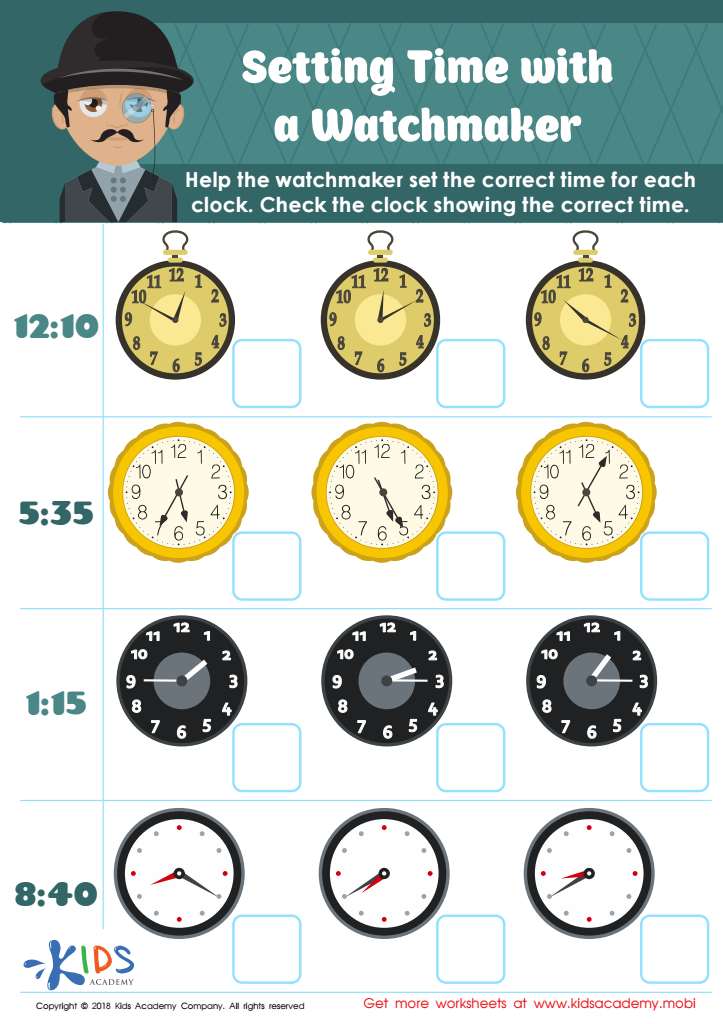
Setting Time with Watchmaker Worksheet
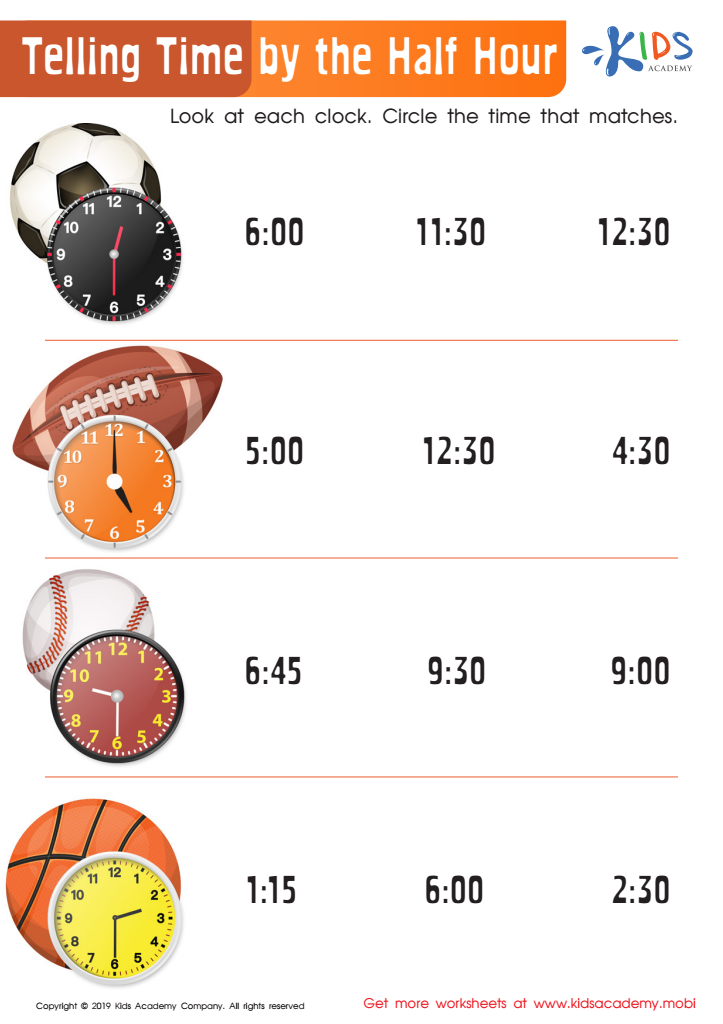
Telling Time by the Half Hour Worksheet








Reading analog clocks is an essential skill for children aged 6 to 9, as it fosters critical thinking and problem-solving abilities. Unlike digital clocks, analog clocks present time in a visual format that requires children to interpret positions and angles of the hands. This process enhances their understanding of spatial relationships and develops their mathematical skills, particularly with fractions, as they learn to divide the clock into quarters and halves.
Moreover, being able to read an analog clock cultivates independence. Children often encounter analog clocks in everyday life—be it in schools, at home, or in public spaces—thus enabling them to manage their time effectively. This skill encourages responsibility and punctuality, traits that are essential as they navigate their daily schedules and activities.
In addition, understanding analog clocks helps to instigate conversations about time management and planning. Parents and teachers can utilize these discussions to reinforce routines and schedules, which is critical for developing good habits.
By emphasizing this skill in early education, parents and teachers not only aid in cognitive development but also prepare children to face real-world challenges confidently and efficiently. Therefore, engaging children with analog clocks lays the foundation for lifelong learning and responsibility.








