Recognize patterns Worksheets for Ages 6-9
11 filtered results
-
From - To
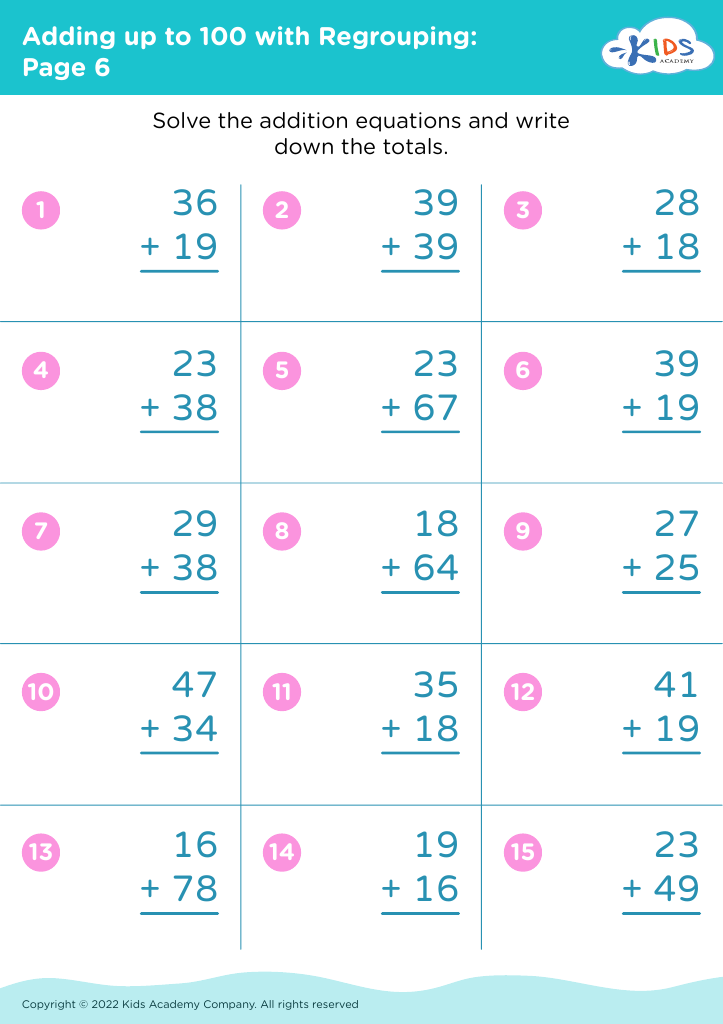
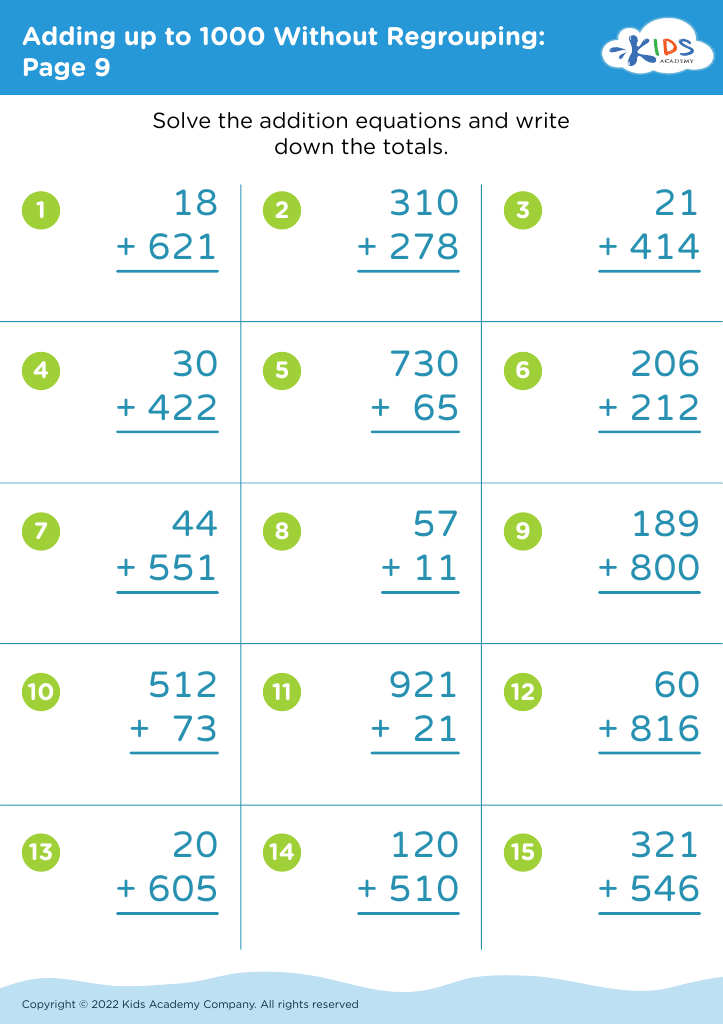
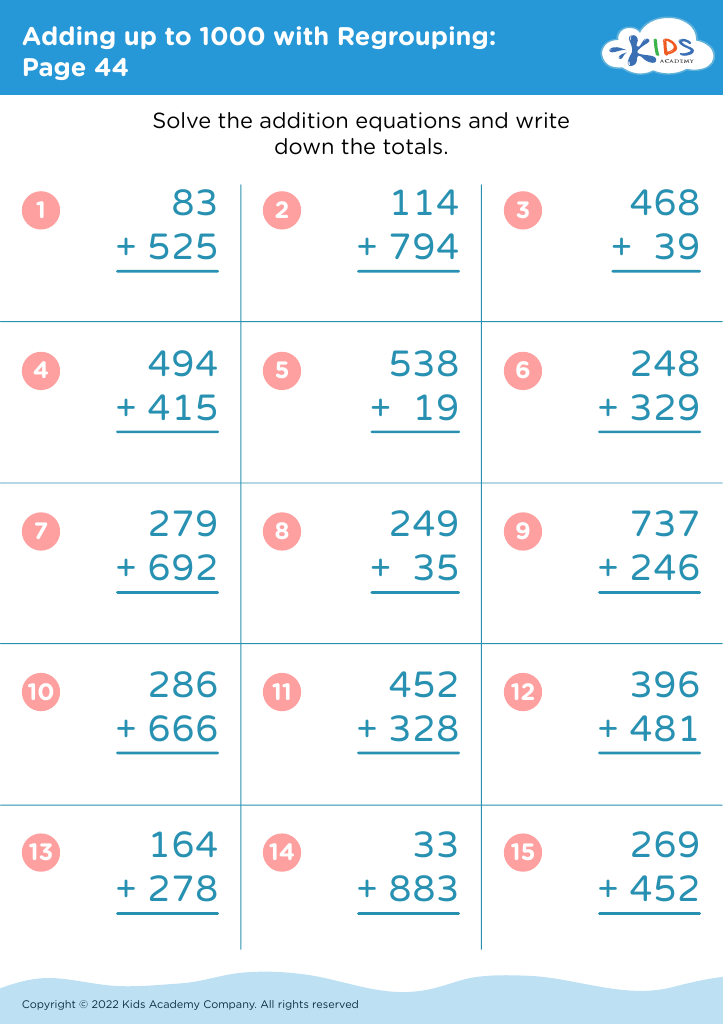
Unlock your child’s potential with our "Recognize Patterns Worksheets" designed for ages 6-9! These engaging and interactive worksheets help young learners enhance their cognitive skills as they identify, create, and extend various patterns. Perfect for enhancing critical thinking, these resources feature colorful images and fun exercises that keep children motivated and excited about learning. Dive into topics like shapes, colors, numbers, and sequences, all crafted to promote pattern recognition in a playful manner. Whether at home or in the classroom, these worksheets are an excellent way to nurture your child's analytical abilities and prepare them for future academic success!
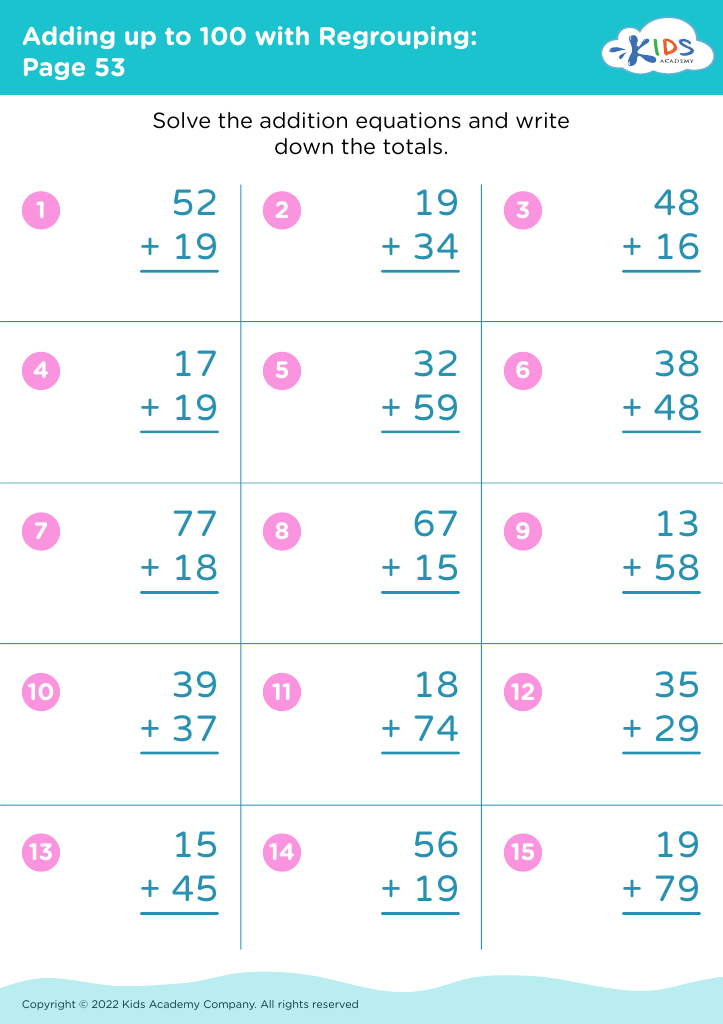
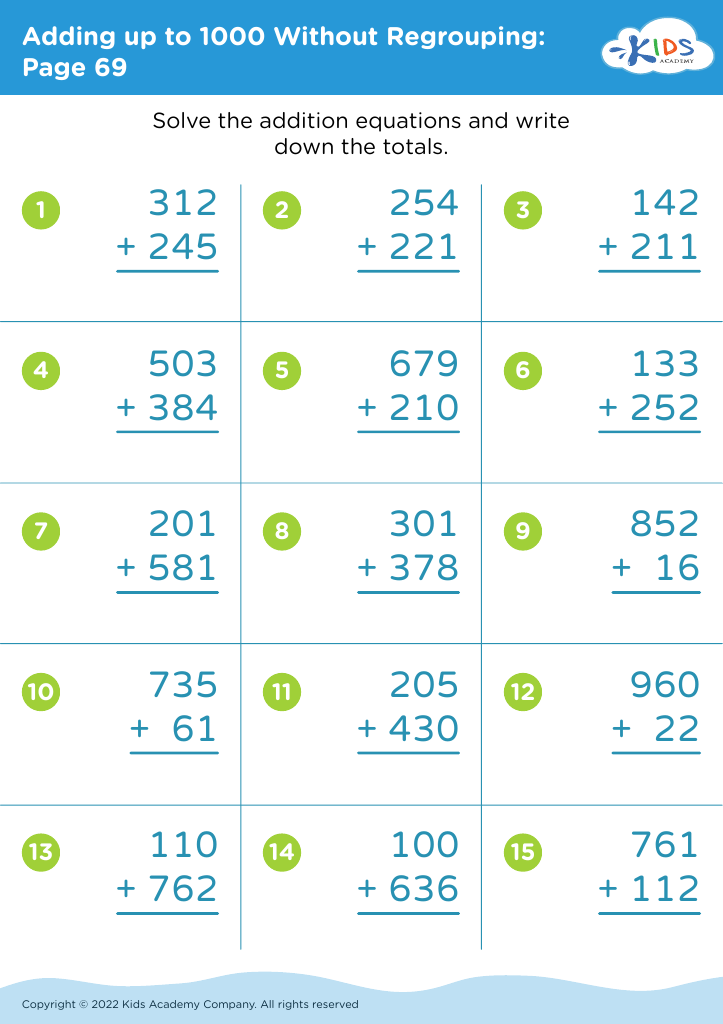
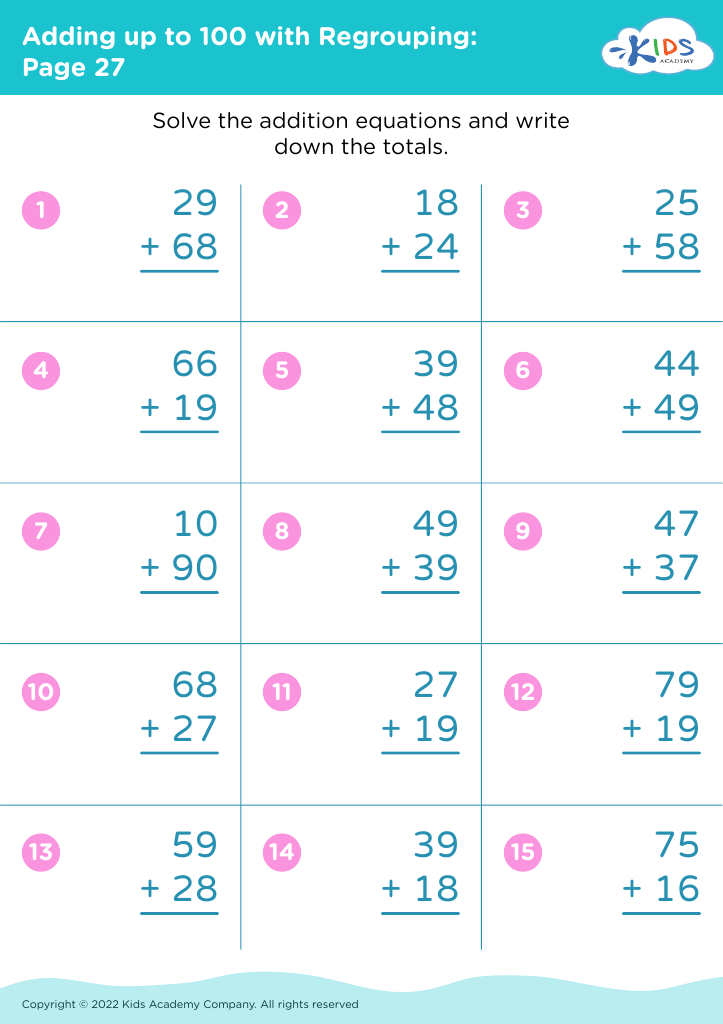
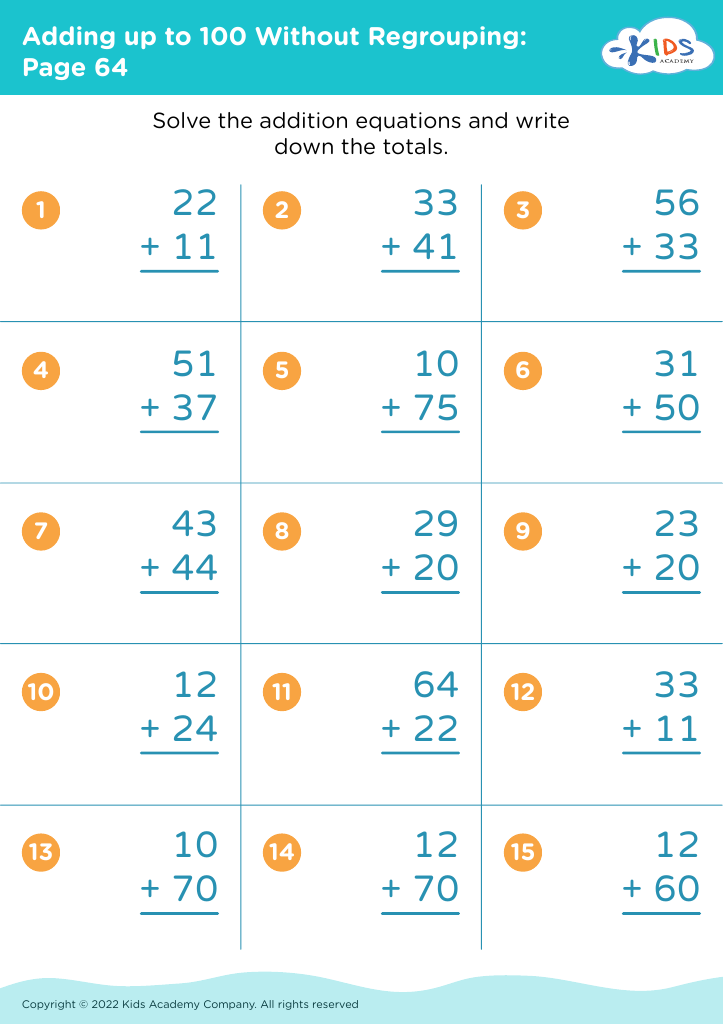
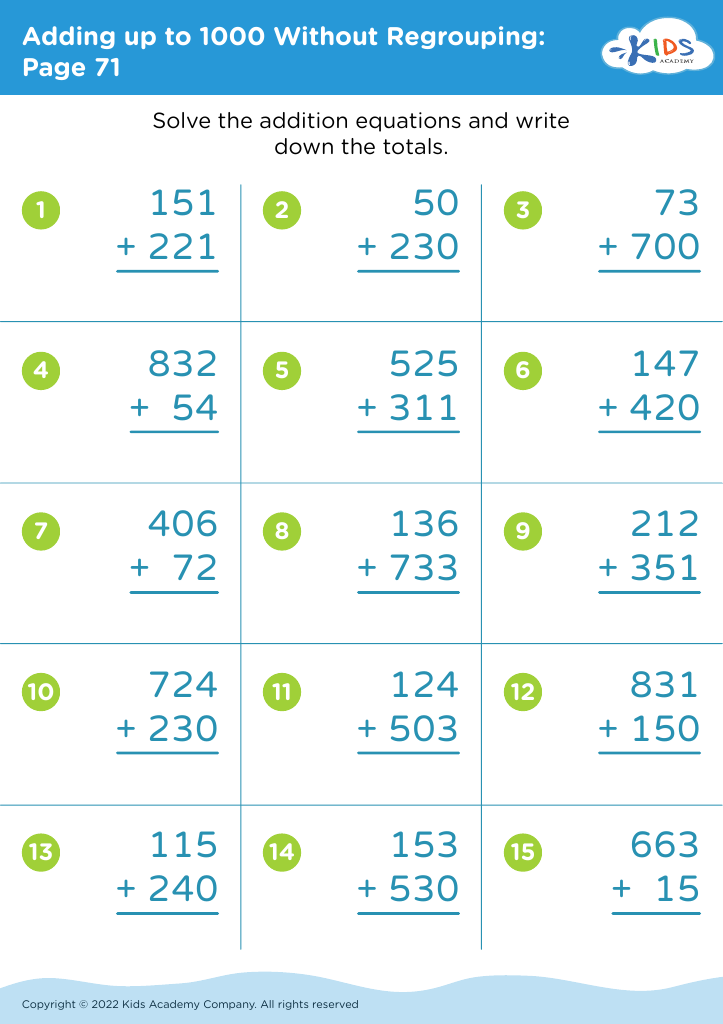
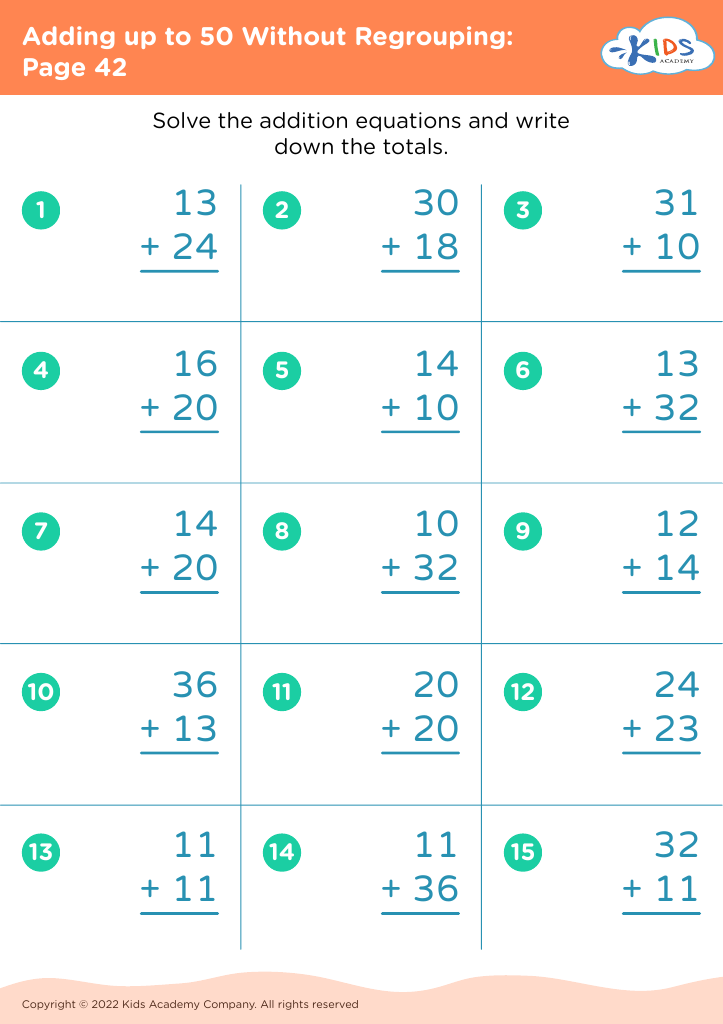
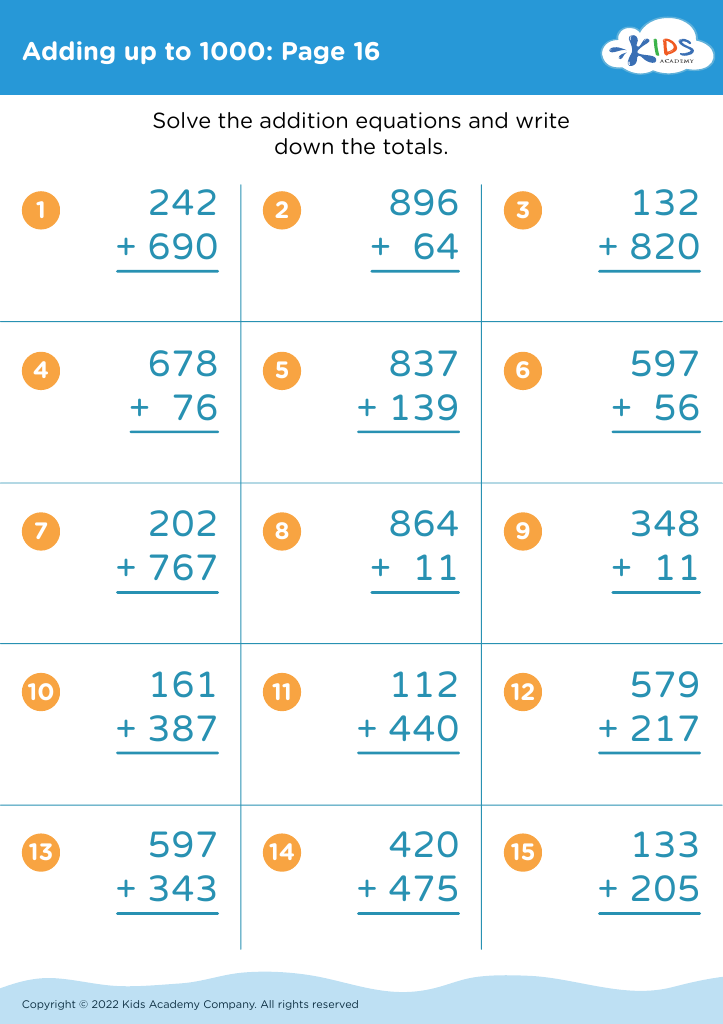
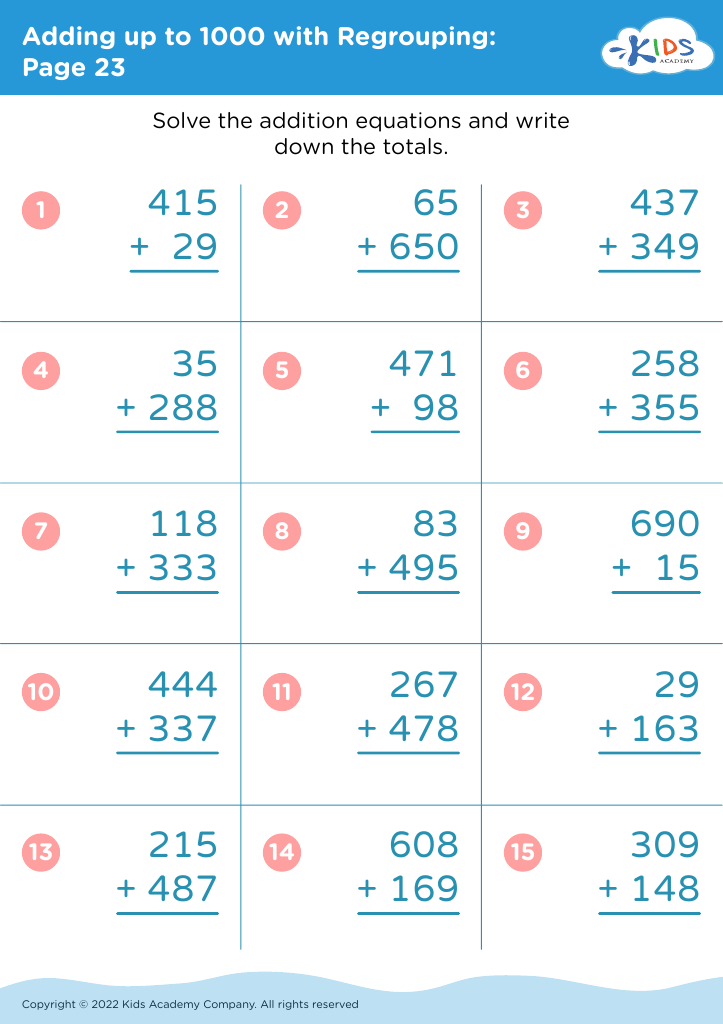






Recognizing patterns is a fundamental skill that significantly contributes to a child's cognitive development, particularly for ages 6-9. At this stage, children are not only honing their basic arithmetic skills but are also beginning to delve into more complex concepts. By helping them recognize patterns, parents and teachers can facilitate critical thinking and problem-solving abilities which are essential for future learning.
Patterns can be found in mathematics, nature, art, and music, serving as a bridge to higher-level thinking. Understanding and identifying patterns enhances a child's ability to make predictions, develop reasoning skills, and grasp sequences, all of which are crucial for subjects like mathematics and science. Furthermore, engaging with patterns fosters creativity and boosts memory, as children learn to observe and anticipate relationships between things.
Beyond academics, recognizing patterns can improve social skills and emotional intelligence. Children start to notice patterns in social interactions, leading to better understanding and cooperation among peers. Therefore, by nurturing this ability, parents and teachers prepare children not just for immediate academic success but also for lifelong learning and interpersonal relationships. Promoting pattern recognition in early education creates a strong foundation for critical thinking skills essential for future success.








