Understanding numbers Worksheets for Ages 6-9
3 filtered results
-
From - To
Discover a world of quantitative exploration with our "Understanding Numbers Worksheets" designed for children aged 6 to 9! These engaging worksheets provide an interactive way for young learners to master essential numeracy skills. From counting to number recognition, our activities promote critical thinking and problem-solving abilities. Perfect for both classroom and at-home learning, each worksheet is crafted to foster a positive learning experience. With colorful illustrations and varying difficulty levels, kids will enjoy playful, structured exercises that bolster their confidence in mathematics. Help your child build a strong foundation in numbers with our comprehensive and fun-filled worksheets today!
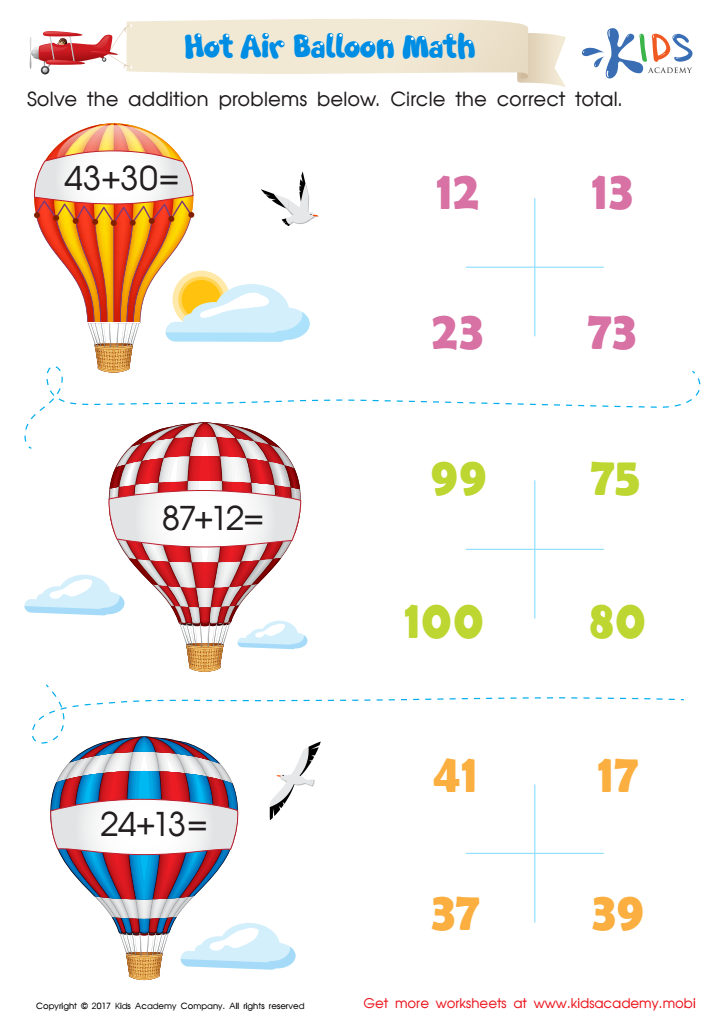
Hot Air Balloon Math Worksheet
 Assign to My Students
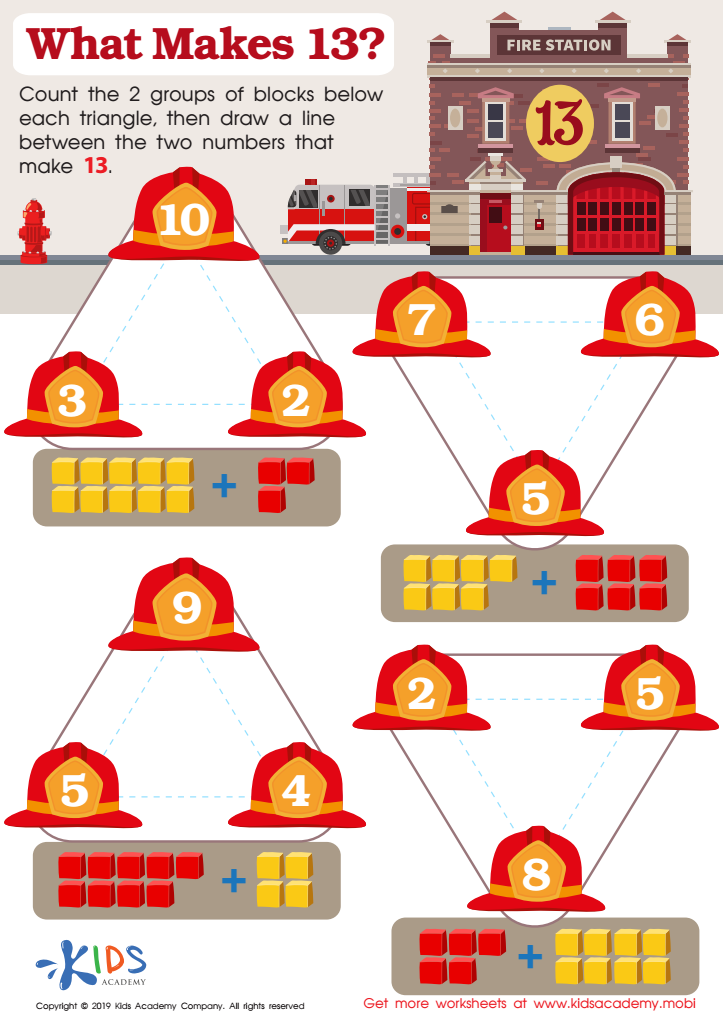
What Makes 13 Worksheet
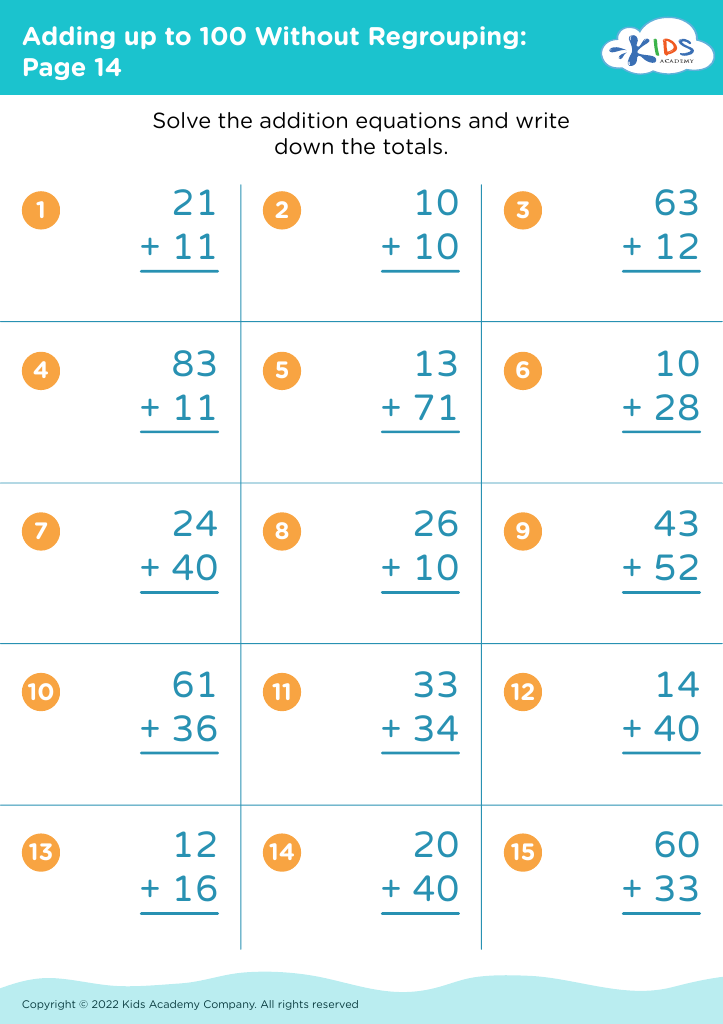






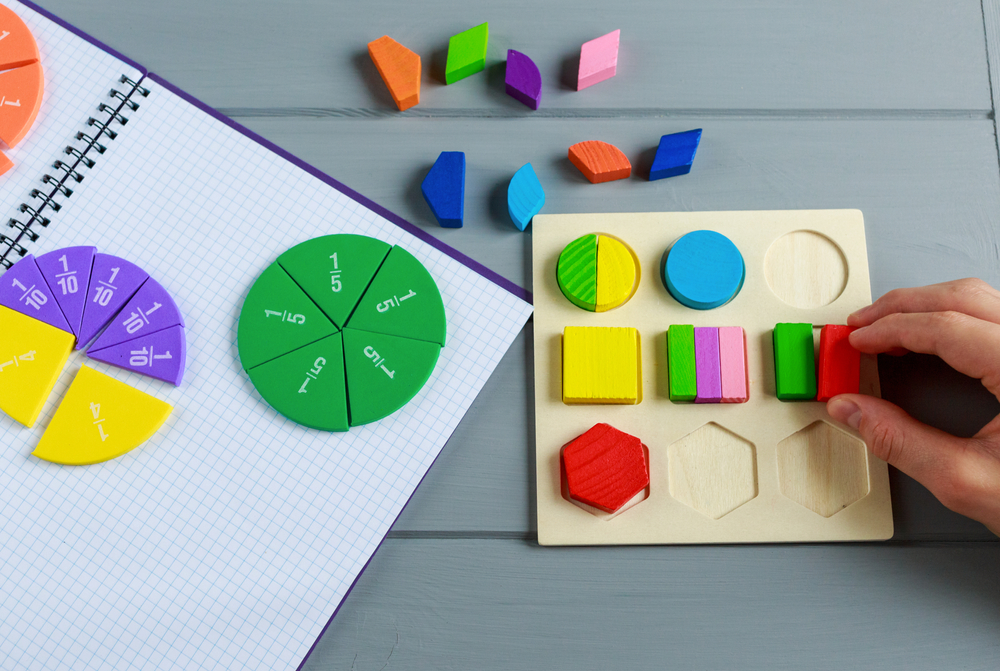
.jpg)
Understanding numbers is crucial for children aged 6-9 as it forms the foundation for their mathematical skills and cognitive development. At this stage, children transition from concrete to abstract thinking, making it essential for them to grasp basic concepts such as addition, subtraction, and number sense. A strong understanding of numbers not only promotes mathematical competence but also enhances problem-solving abilities and critical thinking skills.
Parents and teachers play vital roles in fostering this understanding. They can create a supportive learning environment by using engaging activities and real-life examples, making math relatable and enjoyable. Encouraging children to explore numbers through games, stories, and hands-on experiences helps reinforce their learning and build confidence.
Furthermore, early numerical understanding is linked to future academic success. As children encounter more complex mathematical concepts in later grades, a solid grasp of foundational numerical ideas is imperative. By prioritizing number literacy, parents and teachers empower children to view math as a valuable tool for daily life, nurturing a lifelong appreciation for learning. Ultimately, cultivating numerical understanding during these formative years sets the stage for a successful educational journey and contributes to children becoming engaged and informed members of society.








